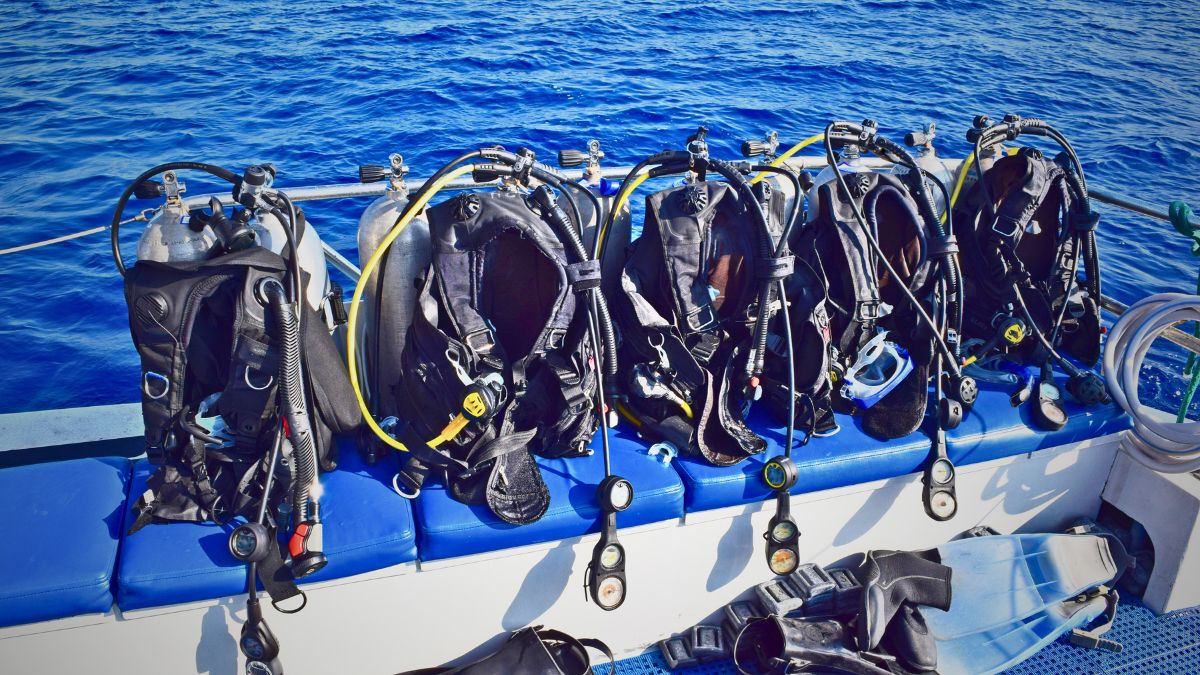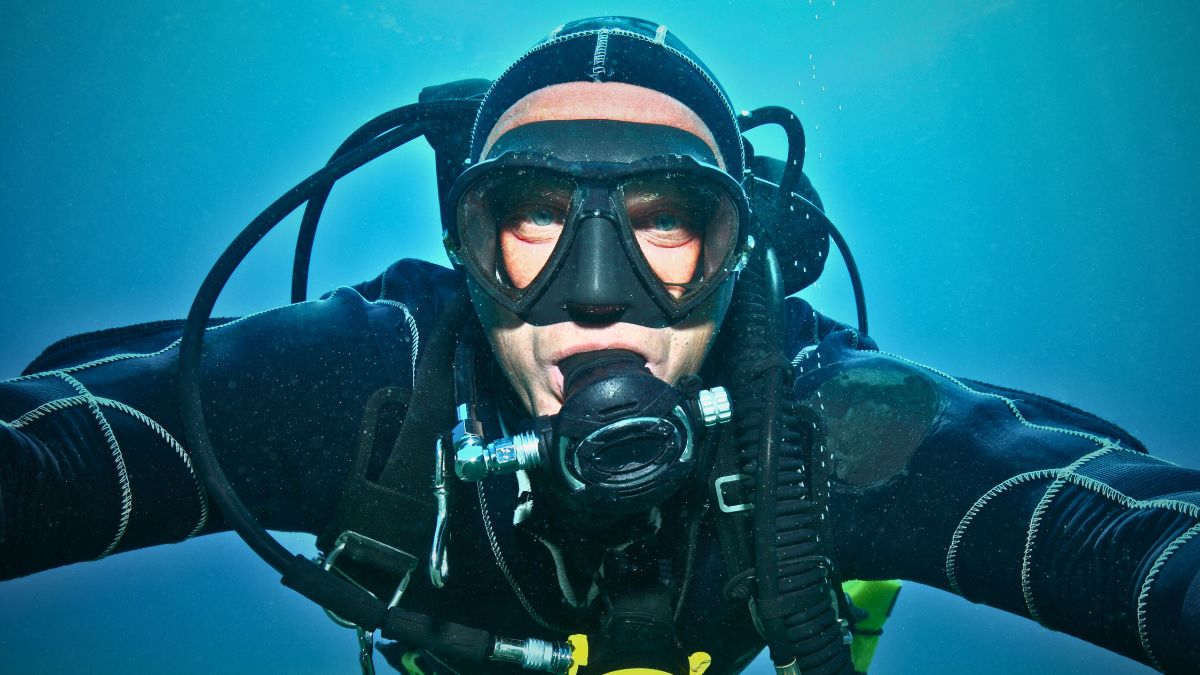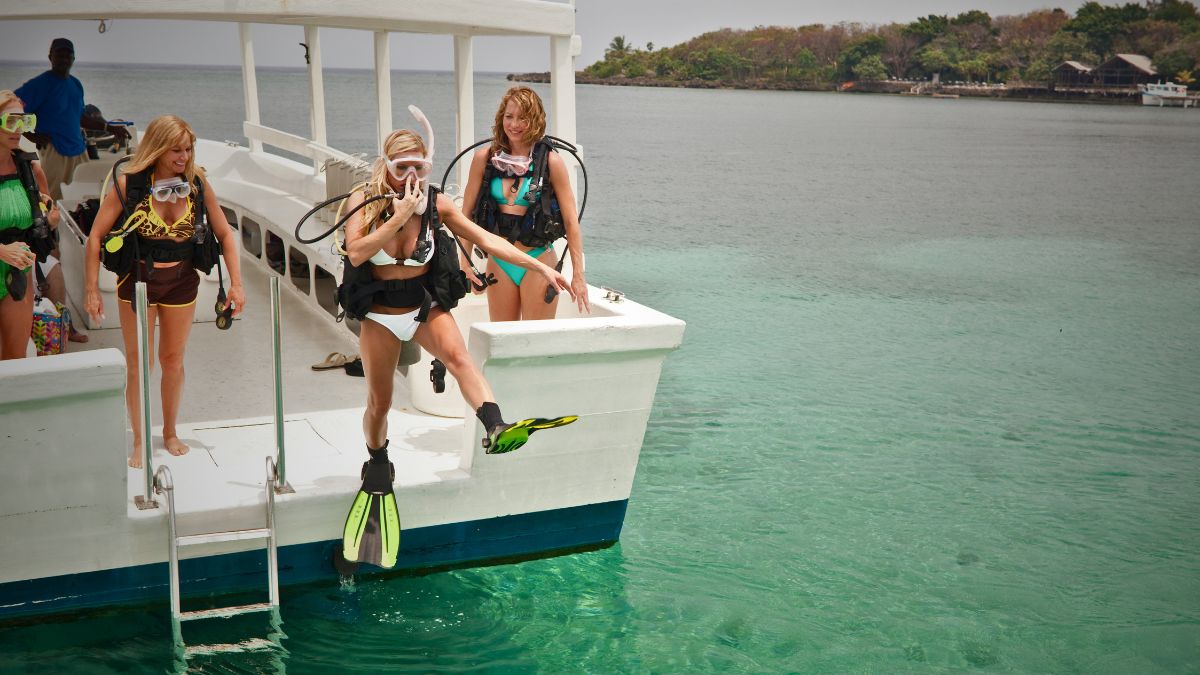
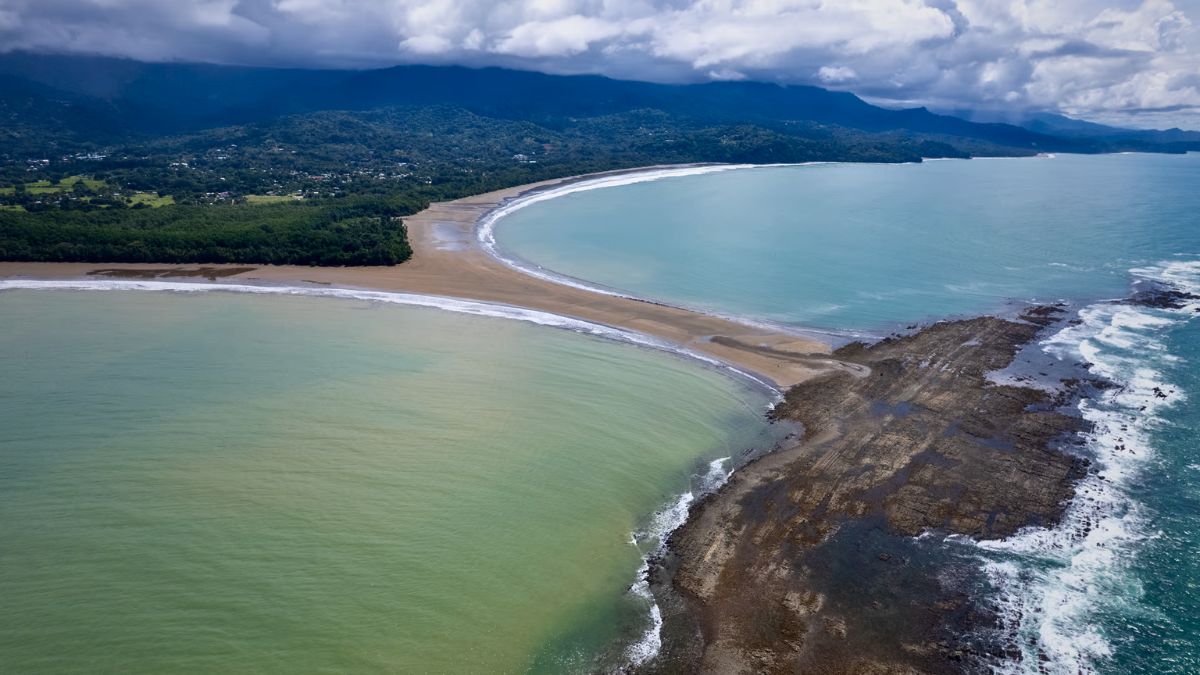
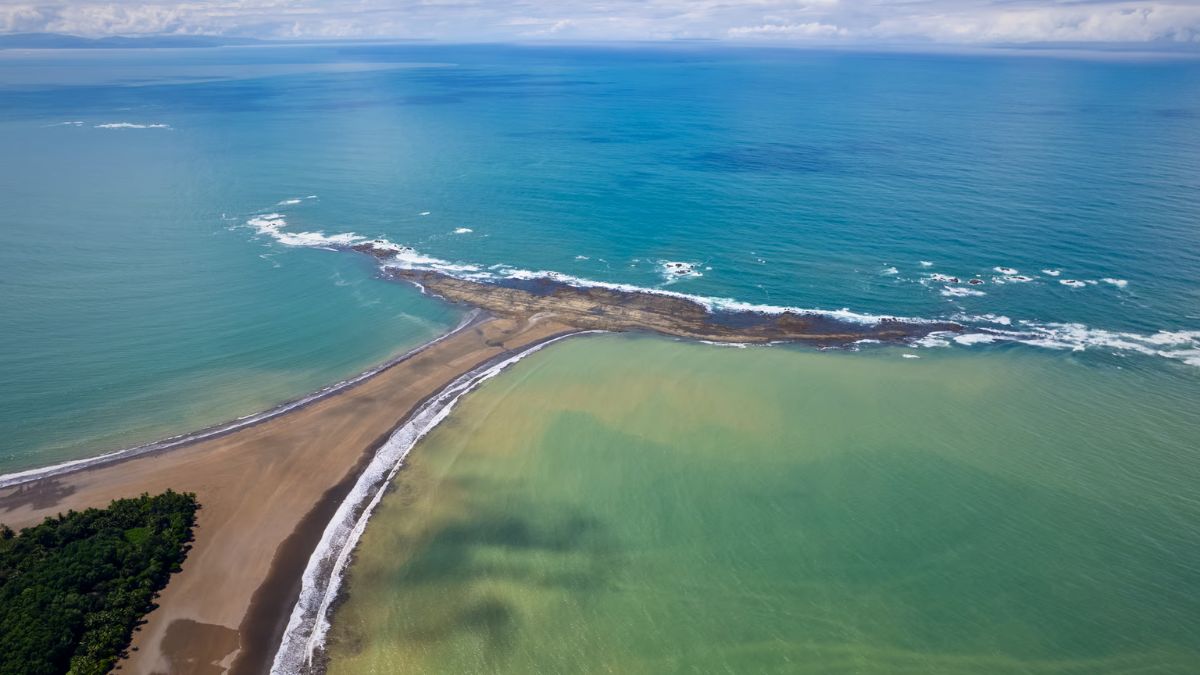
When most travelers hear “Uvita,” they think of two things: the famous Whale Tail beach formation (Punta Uvita) and the humpback whales that visit every year. But for those of us who spend our lives underwater, Uvita is much more than just a scenic beach town. It is the strategic heart of diving in Costa Rica’s Southern Pacific.
I have lived and dived in this region for over 8 years. I have seen Uvita transform from a sleepy village into a vibrant hub for ocean lovers. Yet, despite its growth, the diving here remains somewhat misunderstood. Is it world-class? Is the visibility good? Should you dive locally or go to the islands?
This guide is my comprehensive answer to all those questions. At Costa Rica Divers, we believe in honesty. I am not going to tell you the water is always crystal clear (it isn’t). But I am going to tell you why Uvita is, hands down, the best logistical base for your diving vacation in Costa Rica.
Why Uvita? The Strategic Advantage
Before we jump into the water, let’s look at the map. Uvita is unique because it sits right in the middle of the action.
If you stay in the north (Guanacaste), you are limited to local diving or a long trip to Bat Islands. If you stay deep in the Osa Peninsula (Drake Bay), you are closer to Caño Island, but you are isolated from the rest of the country (difficult roads, limited restaurants). Uvita is the “Goldilocks” zone.
- Accessibility: You are on a paved highway (Costanera Sur), easy to reach from San Jose (3.5 hours).
- Options: You have immediate access to Marino Ballena National Park for local, relaxed diving AND you are the perfect launchpad for high-voltage shark diving at Isla del Caño.
- Infrastructure: You have banks, supermarkets, great restaurants, and fiber-optic internet, while still being surrounded by jungle.
Diving Marino Ballena National Park (The Local Secrets)
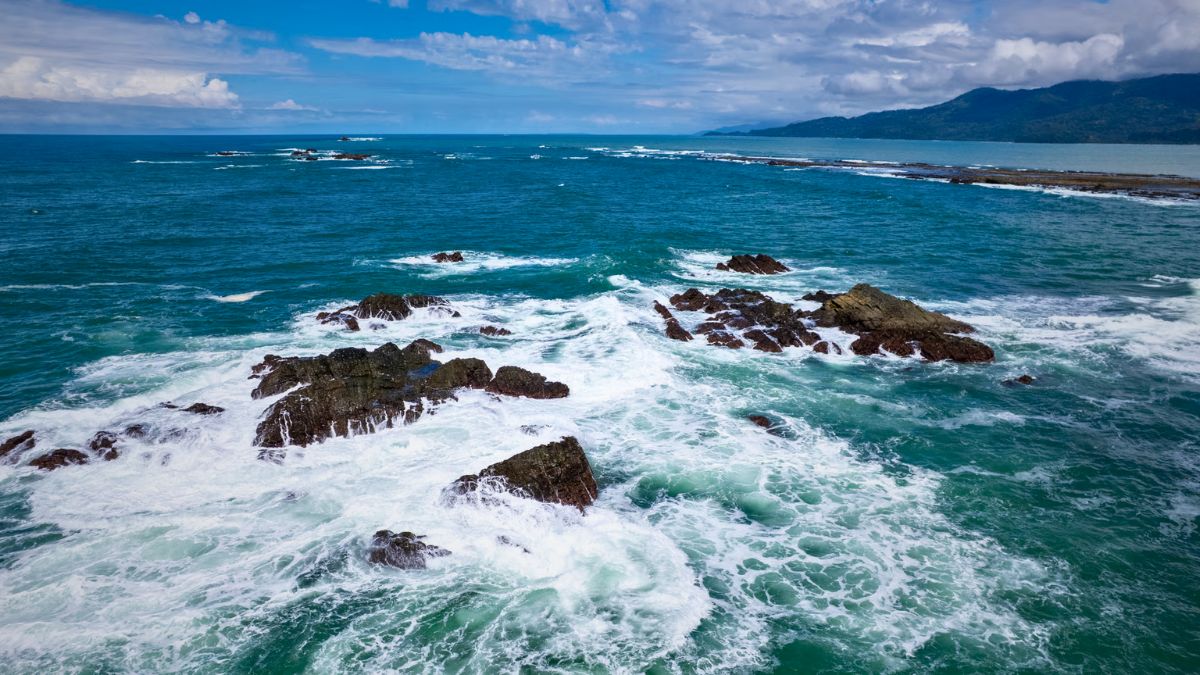
Let’s start with what is right in our backyard. The Marino Ballena National Park was created to protect the whales, but the reefs surrounding the famous “Whale Tail” and the offshore islands are full of life.
The Reality Check: Local diving here is not about 30-meter visibility and massive sharks. It is about biodiversity, macro life, and relaxed, shallow profiles. It is volcanic diving. The bottom composition is rock and sand, which creates nooks and crannies for crustaceans, eels, and huge schools of snapper.
Here are the specific sites you need to know:
Piedra Ballena (Whale Rock)
Located just off the tip of the Whale Tail, this is a classic site. It is a large rock formation that breaks the surface. Underwater, it drops down to about 12-15 meters.
What to see: This site is a nursery. You will often find juvenile fish, large schools of Grunts and Snappers seeking shelter from the current, and Hawksbill Turtles resting on the ledges. It is an excellent site for check dives or refreshing your skills.
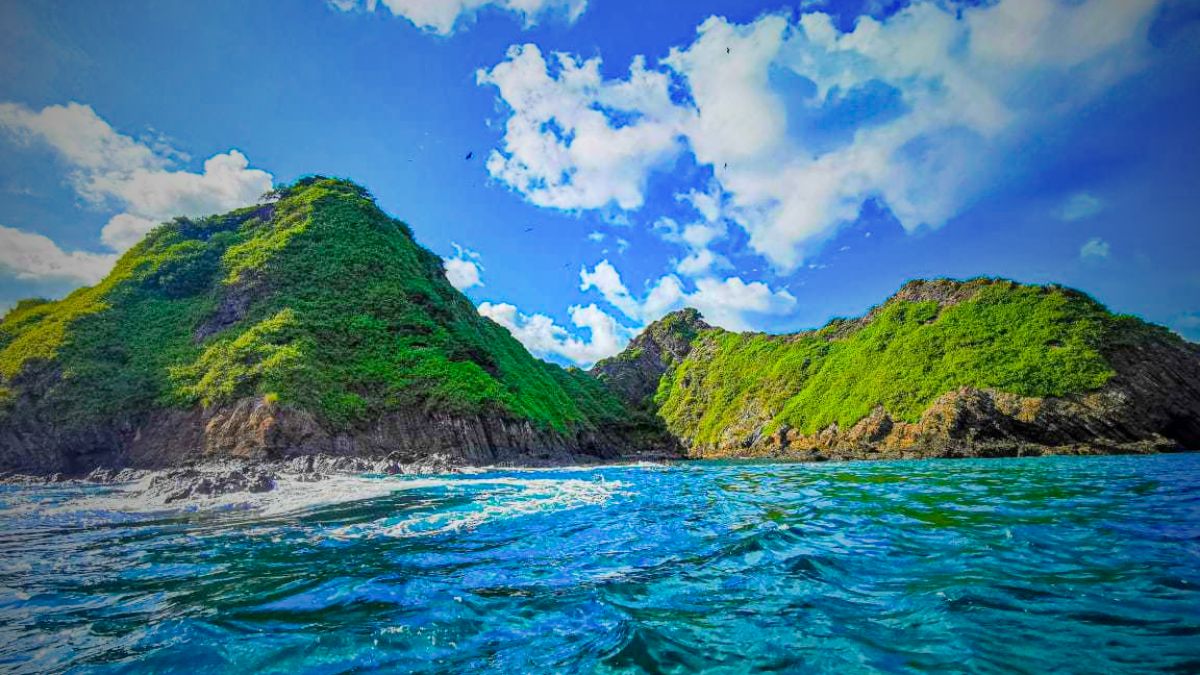
Tres Hermanas (Three Sisters)
As the name suggests, these are three large rock pinnacles rising out of the ocean. The topography here is fascinating. There are small channels and swim-throughs between the rocks.
What to see: The sandy bottoms between the rocks are the place to look for Stingrays. If you have a keen eye (or a good guide), you can find White-tip Reef Sharks sleeping under the ledges. It is also a hotspot for Lobster and Octopus, especially on night dives (when permitted).
Bajo Mauren
This is a local favorite that doesn’t get as much attention as the others, which is why we love it. It is a submerged rock formation with depths ranging from 10 to 14 meters.
What to see: Bajo Mauren is known for its “camouflaged” life. The crevices are packed with Moray Eels and Scorpionfish. But the real highlight here is the sandy patches where huge Southern Stingrays often bury themselves. It is a very relaxed dive with minimal current, perfect for photographers hunting for macro life.
Bajo Negro (Black Rock Pinnacle)
This is arguably the best site in the park for more experienced divers. It is a submerged pinnacle that attracts more pelagic life than the shore dives.
What to see: Because it is slightly more exposed to the current, you get bigger schools of Barracuda and Jacks here. It is a cleaning station, so you might see fish lining up to be cleaned by smaller shrimp and wrasse. The depth can reach 18-20 meters, making it a bit more adventurous.
The “Main Event”: Uvita as the Launchpad for Isla del Caño
While the local park is beautiful, the real reason serious divers come to Uvita is Isla del Caño. I have written extensively about Caño Island before, calling it the “Mini Cocos,” and I stand by that.
From Uvita, the logistics are unbeatable.
The Boat Ride: It takes about 45 to 50 minutes on our fast boats. We leave from the beach in Uvita (no marina, it is a wet landing!), zip across the bay, and arrive at the island before the crowds from further north.
The Experience: You leave at 7:30 AM and you are back by 1:30 PM or 2:00 PM. This leaves you the entire afternoon to explore the waterfalls or relax.
Comparing this to other locations: If you stay in Dominical or Quepos, the boat ride is much longer and rougher. Uvita is the closest “civilized” town to the island.
The Whale Season Bonus (The “Surface Interval” Show)
This is something you cannot put a price on. Uvita is one of the few places in the world where Humpback Whales from both hemispheres migrate to breed and give birth.
- Northern Migration: December to March (less intense, but present).
- Southern Migration: July to October (The peak season).
During these months, the boat ride to your dive site effectively becomes a free whale-watching tour. It is incredibly common for us to stop the boat because a mother and calf are breaching 50 meters away. Diving underwater and hearing the whale songs reverberating through your chest is a spiritual experience. Even if you don’t see them underwater (which is rare and lucky), hearing them while you look at a nudibranch is magic.
Courses and Training: Why Learn Here?
I often get asked: “Should I do my PADI Open Water here or in the Caribbean?”
My answer is this: If you learn to dive in Uvita, you can dive anywhere.
The conditions here are real. We have surge. We have particles in the water. We have thermoclines. It is not a swimming pool like the Caribbean sometimes feels.
Training in these conditions builds better divers. You learn to trust your buoyancy because you can’t always see the bottom from the surface. You learn to stay close to your buddy. When my students graduate here and then go to perfect conditions in Cozumel or Thailand, they find it incredibly easy. But if they learn in perfect conditions and come here, they struggle.
We offer everything from Discover Scuba Diving (no experience needed) to Divemaster internships. The protected coves of Tres Hermanas are perfect classrooms.
Beyond Diving: What to Do in Uvita?
You cannot dive 24 hours a day (you need to off-gas!). Fortunately, Uvita is an adventure playground.
- Uvita Waterfall: A natural slide carved into the rock. It is refreshing, fun, and only 5 minutes from town.
- Sunset at Playa Hermosa: Just north of Uvita, this beach gathers hundreds of locals and tourists every evening to watch the sun dip into the Pacific.
- Nauyaca Waterfalls: Located about 30 minutes away, these are arguably the most spectacular waterfalls in Costa Rica. It requires a hike (or a horse ride), but swimming in the massive canyon pools is unforgettable.
- Mangrove Tours: Explore the Sierpe wetlands to see monkeys, crocodiles, and massive boas. Ideally done on your non-diving day before flying.
Practical Guide: Logistics in Uvita
To ensure your trip runs smoothly, here are some local tips from a resident.
Money
There are two main banks in Uvita (BCR and BNCR) with ATMs. Most restaurants accept credit cards, but smaller “sodas” (local eateries) might prefer cash (Colones). Always carry some cash for tips.
Transport
Do you need a 4×4? Not necessarily if you stay in the main town. The roads are paved. But if your Airbnb is up in the mountains (for the view), a 4×4 is mandatory. The driveways are steep and slippery when wet.
Dining
Uvita has exploded with culinary options. You can get excellent sushi, Italian pizza, or traditional “Casado” (rice, beans, meat, salad). For a post-dive beer, look for places near the Whale Tail entrance.
Comparison Table: Local Diving vs. Isla del Caño
Still confused about where to book? Use this table to decide.
| Feature | Marino Ballena (Local) | Isla del Caño (Offshore) |
|---|---|---|
| Main Attraction | Macro life, Turtles, Coral, Relaxed Dive | White-tip Sharks, Rays, Big Schools of Fish |
| Travel Time (Boat) | 10 – 15 minutes | 45 – 50 minutes |
| Depth | 8 – 14 meters | 12 – 25 meters |
| Visibility (Avg) | 5 – 15 meters (Highly variable) | 15 – 25 meters |
| Best For | Courses, Check Dives, Half-day trips | Experienced Divers, Shark Lovers |
| Cost | $$ | $$$ |
Frequently Asked Questions
Is the water cold in Uvita?
Generally, no. The surface temperature is usually a tropical 27°C – 29°C (80°F – 84°F). However, we do experience thermoclines (layers of cold water) at depth, where the temp can drop to 23°C (73°F). A 3mm shorty wetsuit is standard, but if you get cold easily, bring a 3mm long suit.
What is the visibility like?
I will be honest: it varies. In the dry season (Jan-April) at Isla del Caño, you can have 25+ meters (80 ft). At the local Marino Ballena reefs, visibility is more affected by tides and river runoff. It can be 15 meters one day and 5 meters the next. However, the sheer amount of fish often makes up for lower visibility.
Can I dive if I am not certified?
Yes! Uvita is a great place to try diving. We offer the PADI Discover Scuba Diving program. You spend the morning learning basic skills in shallow water (or a pool) and then do two open water dives under the direct supervision of an instructor. It is safe, fun, and counts toward your full certification.
Are there sharks in Uvita’s local waters?
Yes, but they are generally shy. We see White-tip Reef Sharks at Tres Hermanas, Piedra Ballena, and Bajo Mauren. They are harmless to divers. For the “big shark” experience (dozens of them), you need to book the trip to Isla del Caño.
Do I need to book in advance?
Yes, especially for Isla del Caño. The island has a strict daily limit on the number of divers allowed by the government rangers. In high season (Dec-April and July-Aug), spots can sell out weeks in advance. Local diving in Marino Ballena is easier to book last-minute, but we always recommend planning ahead.
Summary: The Perfect Blend of Adventure and Pura Vida
Uvita is not just a stopover; it is a destination. It offers the rare combination of a functioning town with first-world amenities and wild, untamed nature right at your doorstep.
Whether you are here to take your first breath underwater in the calm bays of the Three Sisters or to face a wall of sharks at Caño Island, Uvita delivers. It is the authentic Costa Rica, green, wet, wild, and full of life.
Sources and References
- SINAC (National System of Conservation Areas) – Official regulations and maps
- MarViva Foundation – Conservation efforts and marine life data
- PADI Travel – Guide to diving in Costa Rica and certification standards