Every diver remembers the moment they realized they forgot something important. For one of my students, it was her certification card. We were standing at the dive center at 6am, bags packed, boat leaving in 45 minutes, and she was staring at her phone trying to find a digital copy. For another client, it was a fin strap that snapped before the first dive of a week-long trip. He spent day one watching from the boat while I tried to improvise a fix with a zip tie.
The big gear is easy to remember. You won’t forget your wetsuit or your dive computer. What gets people every time are the small things: the items that don’t have a dedicated spot in your dive bag, that you assume you’ll grab at the last minute, and then don’t.
This is the diving trip packing list I hand to anyone heading out with us on a scuba diving trip. It covers the essentials, the easy-to-forget extras, and a few things you’ll be very glad you brought when you’re two hours offshore on a boat with no pharmacy nearby. Bookmark it, print it, or come back to it every time you pack for a scuba diving trip.
The Gear Your Dive Center Will Provide (So You Can Skip It)
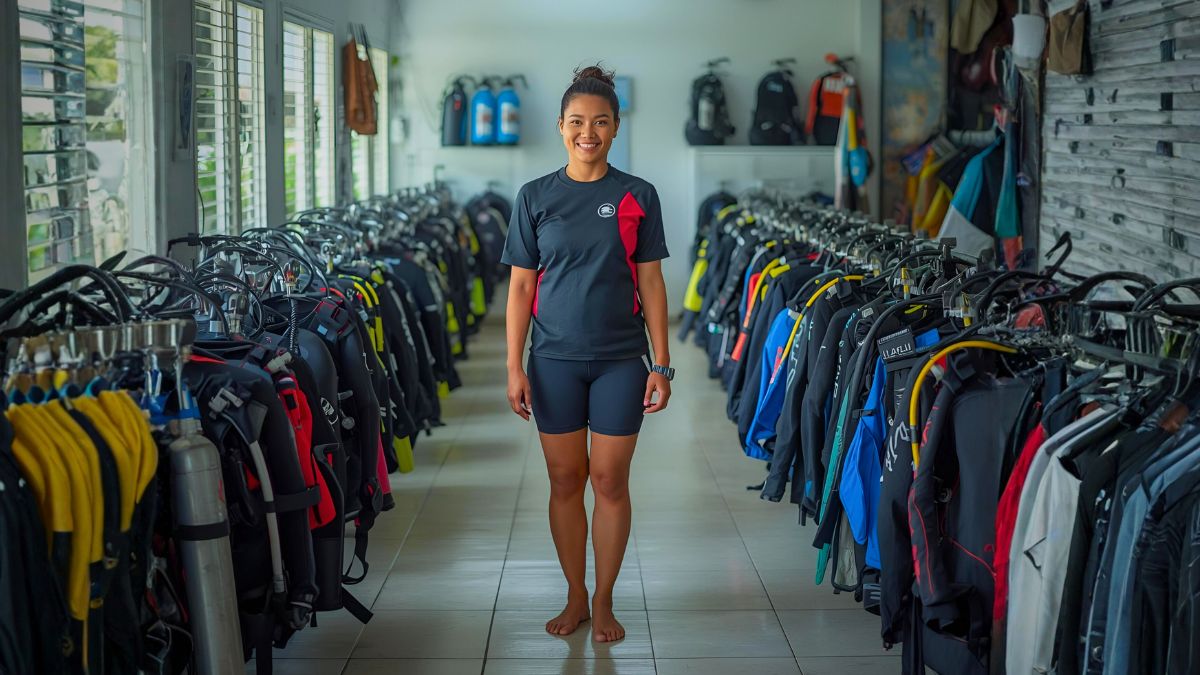
Before we get into what to pack, it helps to know what you don’t need to carry. At the dive center, we provide tanks, weights, and weight belts for all our dives. Most established dive centers do the same. If you’re renting a full kit, that typically includes a BCD, regulator, wetsuit, mask, and fins.
If you’re not sure what’s included, ask before you pack. A single email or phone call can save you from hauling 15 kilos of gear through two connecting flights only to find it’s all waiting for you at the dive center.
That said, there are good reasons to bring your own mask even if you’re renting everything else. A rental mask may not seal well to your face, and a leaking mask at 18 meters is a miserable experience. If you own one mask, bring it. Everything else can usually be rented without real compromise.
Documents and Dive Credentials: Don’t Leave Without These
This section is short, but the consequences of getting it wrong are not.
- Your dive certification card. Every dive center is required to verify that you’re certified before taking you underwater. PADI, SSI, CMAS, NAUI, SDI: all are accepted. Your physical card is best, but most centers will also accept a digital copy in the PADI or SSI app. What won’t work is saying “I left it at home but I’m definitely certified.” I’ve had to turn people away for this. Don’t be that person.
- Your dive logbook. Not strictly required for recreational diving, but useful. If you’re signing up for a specialty dive or a more challenging site, a divemaster may want to see your logged experience. It also makes you a more interesting person at the dive table.
- Dive insurance. DAN (Divers Alert Network) is the most widely recognized. A single decompression sickness incident can cost tens of thousands of dollars in hyperbaric treatment and medical evacuation. Annual DAN membership with dive coverage costs around $35-55. The math is obvious.
- Travel insurance. Separate from dive insurance, and both are worth having. Check that your travel policy doesn’t exclude diving, since some budget policies do.
- Passport and any required visas. Keep a digital copy in your email and a physical copy stored separately from the original. If your bag disappears, you’ll be glad you did.
The Small Things Most Divers Forget
This is the part of the list that actually makes a difference. Everything below is something I’ve seen a diver wish they had, usually while standing on a boat with no way to fix the problem.
Sunglasses with UV Protection
I don’t know why so many divers forget these, but they do. The sun reflecting off the water is brutal, and squinting for six hours on a boat will give you a headache that ruins the evening. Get a pair with both UV filter and polarized lenses. Polarized lenses reduce the reflected glare from the water surface, which makes a real difference on long boat trips.
You don’t need to spend $300. Decent polarized UV glasses can be found for $30-60. I’d suggest buying two pairs and keeping a spare in your dive bag permanently. Sunglasses have a remarkable ability to disappear overboard.
Reef-Safe Sunscreen
Sunscreen is non-negotiable on a dive trip, especially on the water, where reflected UV radiation hits you from below as well as above. Apply it at least 20 minutes before boarding and reapply after each dive.
Two important rules. First: do not apply sunscreen around your nose and forehead before diving. It will migrate into your mask and create a film on the inside of the lens that is almost impossible to clear underwater. Apply around those areas after your last dive of the day.
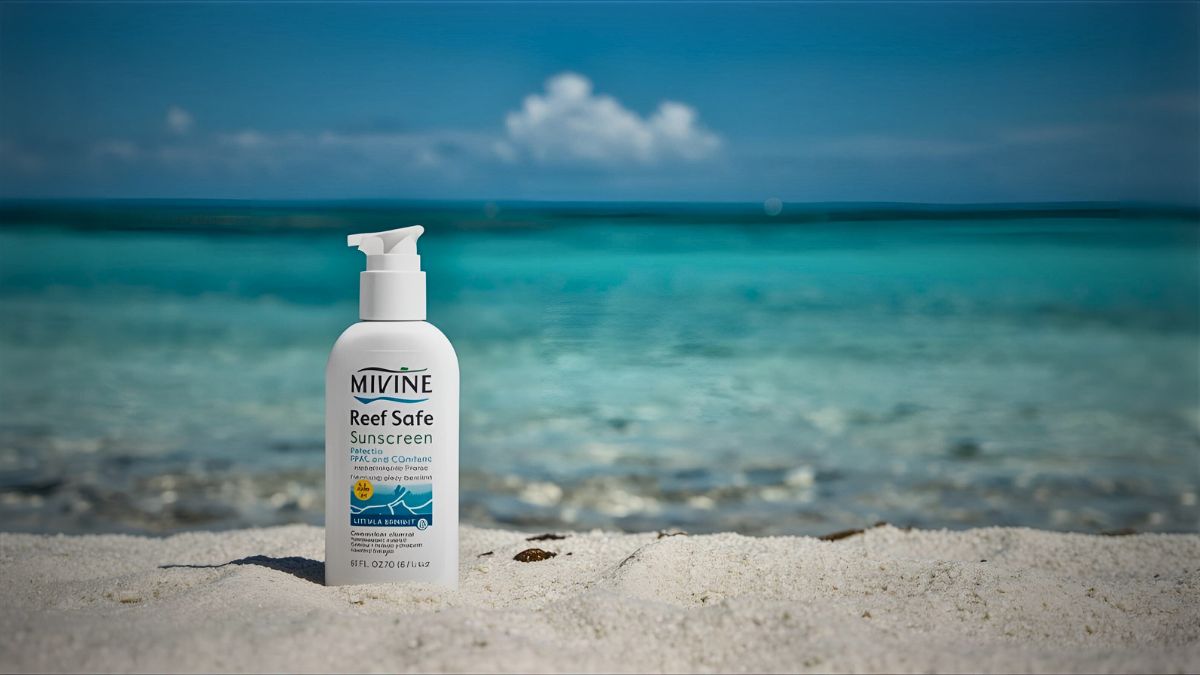
Second: choose reef-safe, organic sunscreen. The chemicals in conventional sunscreens (particularly oxybenzone and octinoxate) are toxic to coral. Think about how many divers enter the water at a popular site every day, each with sunscreen on their skin. The cumulative impact is significant. It’s a small choice that costs nothing extra and matters a lot to the reefs you’re diving.
Hat and Rain Jacket
I tell every client heading to Isla del Caño to bring a rain jacket and a hat. At least half of them look at me like I’ve lost my mind. Costa Rica, tropical heat, 30-degree sunshine. Why would anyone need a jacket?
Then the boat leaves the bay and hits open water. The wind picks up, the spray comes over the bow, and within 20 minutes the same people who were laughing at my jacket are huddled together trying to share one towel. A wet body in wind cools faster than you’d expect, even in the tropics.
For warm-weather diving, a lightweight windproof rain jacket and a baseball cap work well. The cap protects your face and neck during surface intervals and the boat ride back. For colder or windier destinations, a thin fleece under the jacket does the job. You’ll spend a lot of time sitting on a boat between dives, and comfort matters more than you think when you’re tired after a deep dive.

Powerbank (Minimum 10,000 mAh)
Dive boats don’t have USB ports. Neither do most buses, ferries, or remote airport terminals. Your phone is your camera, your navigation tool, your emergency contact, and your dive log backup. It needs to stay charged.
Get a powerbank with at least 10,000 mAh capacity, which will charge most smartphones 2-3 times. Some models also charge laptops and tablets if you need that. Keep it in your carry-on bag: lithium batteries are not permitted in checked luggage on many airlines.
Flip-Flops or Sandals
Dive boats are barefoot environments. But getting to the boat, using the facilities at the dive center, navigating wet dock surfaces, and showering after a dive all go better with footwear that can get wet and dry quickly. Flip-flops are also essential for any shared shower situation, since foot infections from dive center shower floors are not a myth.
Waterproof Dry Bag
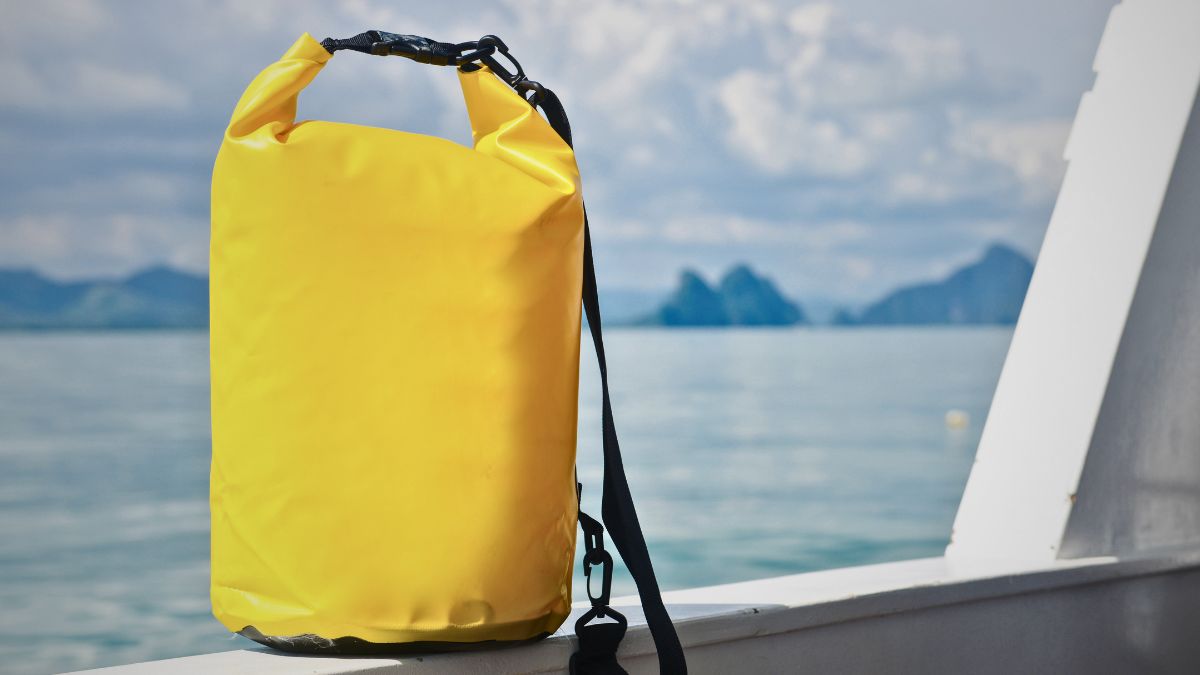
A lightweight roll-top dry bag does two jobs on a dive trip. On the boat, it keeps your towel, phone, wallet, and non-diving essentials dry while everything around them gets soaked. At the end of the trip, it contains your wet gear for the drive back to the hotel, which saves your regular luggage from smelling like saltwater for the rest of the vacation.
Get one that rolls up small when empty. You don’t want a bulky bag taking up permanent luggage space. A 20-liter size handles most day-trip needs. For liveaboards, a 40-liter version is more useful.
Thermal Mug
This one sounds trivial until you’ve spent a week drinking lukewarm coffee from a plastic cup that was last washed three days ago. A 0.5-0.7 liter thermal mug keeps your drinks at the right temperature, travels well on a boat, and means you’re not dependent on whatever cups happen to be available. It’s also easier to keep clean, which matters more than you’d think when you’re on a liveaboard for a week.
Did you know? Conventional sunscreens containing oxybenzone and octinoxate have been banned for sale in Hawaii, Palau, Bonaire, and several other destinations specifically to protect coral reefs. Some popular dive destinations now require reef-safe sunscreen as a condition of entering the water.
Your Save-a-Dive Kit
When packing for a diving trip, most people spend all their attention on the big gear and forget this entirely. A save-a-dive kit is a small bag of spare parts and basic tools that lets you fix common equipment problems on the spot. I’ve seen it salvage trips that would otherwise have been ruined. It weighs almost nothing and takes up about as much space as a paperback book.
Here’s what mine contains:
- O-rings. Tank O-rings (the small ring that seals between your regulator first stage and the tank valve) fail more often than you’d expect, especially in warm water where the rubber ages faster. Carry 5-10 in assorted sizes. They weigh nothing and cost almost nothing.
- O-ring grease (silicone-based). Keeps O-rings pliable and sealing correctly. Also useful for mask straps and other rubber components. Do not use petroleum-based grease, as it degrades rubber.
- Spare fin straps. Fin straps snap, and they snap at the worst possible moment: on the dive boat, five minutes before entry. A spare fin strap costs about $5 and takes 30 seconds to fit. Without one, your dive is over before it started.
- Spare mask strap. Same logic as the fin strap. Less common to fail, but when it does you’ll be glad you have it.
- Wetsuit cement or neoprene repair glue. For small tears that would otherwise let cold water flood in all dive. A small tube handles most field repairs.
- Cable ties / zip ties. The universal problem-solver. Pack 10-15 in various sizes. They’ve fixed everything from loose hose connectors to broken equipment buckles to improvised fin strap repairs when I didn’t have a real spare.
- Leatherman or basic multitool. This lives in my kit permanently. Screwdrivers, pliers, knife: all useful, all occasionally essential. Pack it in checked luggage, obviously.
- Regulator mouthpiece. The silicone mouthpieces on rental regulators deteriorate over time and sometimes tear mid-dive. A spare mouthpiece is cheap and takes 30 seconds to swap.
Fun fact: The most common reason divers miss dives on a liveaboard is not equipment failure, bad weather, or health issues. It’s a broken fin strap. A $5 spare part is the difference between diving and watching from the deck.
Health and Comfort Essentials
Diving puts your body through more than people expect. Sun, wind, boat motion, physical exertion, and pressure changes all add up. These items make the difference between arriving at a dive site feeling ready and arriving feeling miserable.
- Seasickness medication. If you’re diving from a boat, especially on longer offshore trips, take this seriously. Diamine (dimenhydrinate) or meclizine are the most common options. The critical rule: take it before you board, not after you feel sick. Once you’re nauseous on a moving boat, oral medication is too late. For multi-day trips, patches (scopolamine) worn behind the ear are more effective than tablets.
- A note on decongestants: if you’re tempted to take Sudafed or similar to clear a stuffy nose before diving, don’t. DAN advises against it. Decongestants can wear off at depth and cause a reverse block on ascent, which is painful and potentially dangerous. If you can’t equalize comfortably, skip the dive.
- Pain relief and anti-inflammatory. Ibuprofen handles post-dive muscle soreness and any ear discomfort from equalization. Bring enough for the trip. Don’t assume the local pharmacy will have your preferred brand or dosage.
- Ear drops. Repeated diving can cause swimmer’s ear (otitis externa), an infection of the outer ear canal. White vinegar diluted 50/50 with rubbing alcohol, applied after each diving day, is the standard prevention. Proper commercial ear drops work just as well. Either way, have something.
- Personal prescriptions. Bring more than you think you’ll need, in the original labeled containers. If you’re traveling internationally, carry a letter from your doctor for controlled medications. Some countries have strict rules about what you can bring across the border.
- Basic first aid. Adhesive bandages, antiseptic wipes, and blister treatment cover most boat and travel situations. Coral cuts, in particular, need immediate cleaning and antiseptic, since coral bacteria cause infections that escalate quickly in tropical heat.
Here is a small note from the instructor and guide.
As professional guides, we are not allowed to administer any medication, not even aspirin. The fact that you will find some medication in the on-board first aid kit does not mean that we can administer it. If you are taking any medication on a regular basis, you surely know what you are doing. If you are unsure, the instructor, guide, or boat captain are not the right people to ask for advice.
Photography and Electronics
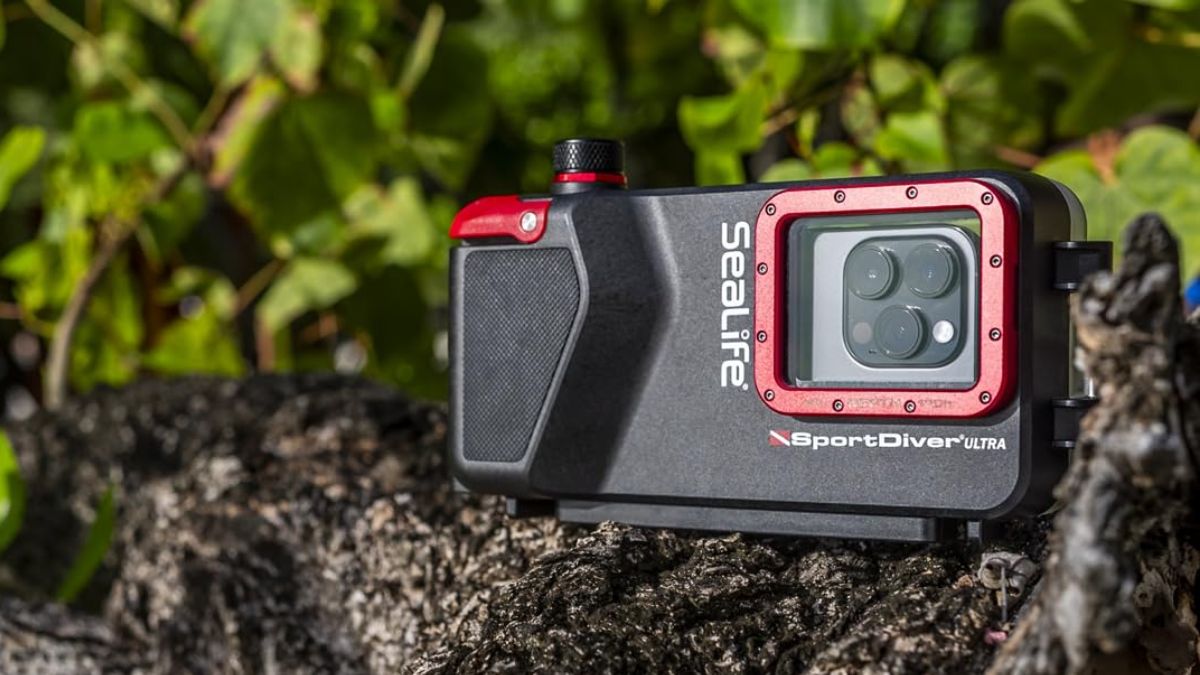
If you’re bringing an underwater camera or GoPro, a few things make the difference between great footage and a frustrating trip. Bring more memory cards than you think you’ll need, since running out of space mid-dive is a real frustration. Carry spare batteries or a dedicated battery charger, since many underwater housings drain batteries faster than surface use. Anti-fog inserts for your housing prevent the condensation that shows up as a blur across your footage. And a microfiber lens cloth handles the salt spray that accumulates between dives.
If you’re reviewing footage on a laptop, protect it in a padded case inside your dry bag. Electronics and salt water are not friends, and even a protected bag can get splashed on an open dive boat in choppy conditions.
Packing Your Wet Gear for the Flight Home
This is the part of trip planning most people skip, and then regret on day seven when they’re trying to fit a soaking wetsuit into a suitcase full of dry clothes.
After your last dive, rinse everything in fresh water and hang it to dry at the hotel before you pack. A portable wetsuit hanger (essentially a wider-than-normal hanger with clips for the legs) helps your suit dry faster and hold its shape. Most dive gear takes 12-24 hours to fully dry in a warm room with decent air circulation.
If you’re flying home the morning after your last dive, your wetsuit may not be completely dry. Seal it in a heavy-duty ziplock bag or wrap it in a plastic bag before putting it in your luggage. This contains the moisture and the smell. Your fellow passengers on the flight home will thank you, even if they don’t know it.
A mesh bag is useful for carrying wet gear from the boat back to the hotel, and it allows airflow during transport. Don’t seal wet neoprene in a closed bag for more than a few hours, since mildew sets in faster than you’d expect in a warm, damp environment.
What NOT to Bring
Just as important as knowing what to pack is knowing what to leave at home.
- Expensive jewelry. Leave it. Saltwater, physical activity, and the distraction of diving make losing or damaging it almost inevitable. Bring cheap replacements or nothing.
- Your laptop (unless you need it). It’s heavy, it’s a theft risk, and the truth is you’re on a dive trip. The footage can wait until you’re home.
- Too many books. You’ll be tired after diving. Genuinely, genuinely tired. One book is enough. Two is optimistic. Three is fantasy.
- Weights and lead ballast. Never pack dive weights in your luggage. They’re always available to rent, and the baggage weight fees will be more than the rental cost.
- Every piece of dive gear you own. If the dive center provides it, don’t bring it. Travel light and arrive with energy instead of a hernia.
Quick Reference: What to Pack for a Diving Trip
| Category | Item | Notes |
|---|---|---|
| Documents | Dive certification card | Physical or digital (PADI/SSI app) |
| Dive logbook | Useful for specialty dives | |
| DAN dive insurance card | Annual membership ~$35-55 | |
| Travel insurance documents | Check diving is covered | |
| Passport + digital copy | Store copy separately | |
| Small Essentials | Polarized UV sunglasses | Buy 2 pairs |
| Reef-safe sunscreen | No oxybenzone/octinoxate | |
| Baseball cap / hat | Essential on the boat | |
| Rain jacket + thermal layer | Even in tropics | |
| Flip-flops | Dock, showers, boat | |
| Comfort | Powerbank (10,000+ mAh) | Carry-on only |
| Thermal mug (0.5-0.7L) | Hygiene + temperature | |
| Bags | Waterproof dry bag (20L) | On-boat essentials |
| Mesh bag | Wet gear transport | |
| Save-a-Dive Kit | Spare O-rings (assorted) | 5-10 pieces |
| Silicone O-ring grease | Not petroleum-based | |
| Spare fin straps (x2) | Most common trip-saver | |
| Spare mask strap | ||
| Neoprene cement | Wetsuit repairs | |
| Cable ties (assorted) | Universal fix-it | |
| Leatherman / multitool | Checked luggage only | |
| Health | Seasickness tablets | Take before boarding |
| Ibuprofen / pain relief | ||
| Ear drops | Prevent swimmer’s ear | |
| Personal prescriptions | Labeled, with doctor’s letter if needed |
Frequently Asked Questions
What scuba gear do I need to bring on a diving trip?
Not necessarily. Most dive centers provide tanks, weights, BCDs, regulators, wetsuits, masks, and fins as rental equipment. The one item worth bringing even if you rent everything else is your own mask, since fit is highly personal and a poorly fitting rental mask will leak. If you have your own dive computer, bring it. You’ll be familiar with how it works, which matters for safety on multiple dives per day.
What documents do I need to go scuba diving?
At a minimum, you need your dive certification card from a recognized agency such as PADI, SSI, CMAS, NAUI, or SDI. Most dive centers will also ask you to complete a medical declaration form before your first dive. For international dive trips, bring your passport, travel insurance documents, and dive insurance (DAN or equivalent). Your dive logbook is not mandatory but is useful if you’re attempting dives that require demonstrated experience at certain depths.
What is a save-a-dive kit and what should it include?
A save-a-dive kit is a small bag of spare parts and basic tools that lets you fix common equipment problems on the spot. The core items are spare O-rings and silicone grease, replacement fin straps, a spare mask strap, neoprene cement for wetsuit repairs, cable ties, and a multitool. The whole kit weighs under 500 grams and fits in a small pouch. A broken fin strap is the most common reason divers miss dives on multi-day trips. A $5 spare part solves it in 30 seconds.
How do I prevent seasickness on a dive boat?
Take medication before you board, not after you start feeling sick. Dimenhydrinate (Dramamine) or meclizine tablets taken 30-60 minutes before departure work well for most people. For longer trips, scopolamine patches worn behind the ear provide more sustained protection. On the boat, stay on deck in fresh air, focus on the horizon, and avoid reading or looking at your phone. Eating a light meal before departure is better than going out on an empty stomach.
Can I use any sunscreen while scuba diving?
You can, but you shouldn’t. Conventional sunscreens containing oxybenzone and octinoxate are toxic to coral and have been banned at several dive destinations worldwide. Choose a reef-safe sunscreen with mineral-based UV filters (zinc oxide or titanium dioxide). Also, avoid applying sunscreen around your nose and forehead before diving, as it migrates into your mask lens and makes it very difficult to see underwater.
What should I NOT bring on a dive trip?
Leave behind expensive jewelry, unnecessary electronics, and more books than you’ll realistically read. Never pack dive weights in your luggage. They’re always available to rent and the baggage fees will cost more than the rental. And resist the temptation to bring every piece of dive gear you own. If the dive center provides it, don’t carry it. Traveling light means arriving with more energy for the actual diving.
Sources and References
- DAN: Dive Travel Packing Checklist: Divers Alert Network guidance on trip preparation and equipment
- PADI: Dive Certification Standards: certification requirements and documentation
- SSI: Diving Equipment Resources: equipment guides and maintenance
- NOAA: Sunscreen and Coral Reef Impact: research on chemical sunscreen effects on marine ecosystems