Let me start with something the marketing brochures will never tell you. The moment a new divemaster candidate picks up their Crew Pack for the first time, something changes in their face. The excitement is still there, but underneath it you can see a new expression appearing. The quiet realization that this is different from every course they have done before.
No one is going to hand them a schedule. No one is going to remind them to complete their knowledge reviews. No one is going to chase them down to sign off their logged dives.
That’s exactly how it should be. Because the PADI Divemaster course is not just training. It’s the first test of whether you have what it takes to work in this industry.
I’ve been running divemaster training for years. I’ve supervised DM course personally, trained many of DMTs, and I’ve hired and passed on plenty of candidates too. This guide gives you everything you need to make a good decision about whether this path is right for you. This includes the things most dive centers won’t say out loud.
What Does It Actually Mean to Become a PADI Divemaster?
The PADI Divemaster certification is the first professional level in recreational scuba diving. It marks the line between being a recreational diver and entering the dive industry as a working professional. That distinction matters more than most people realize before they start.
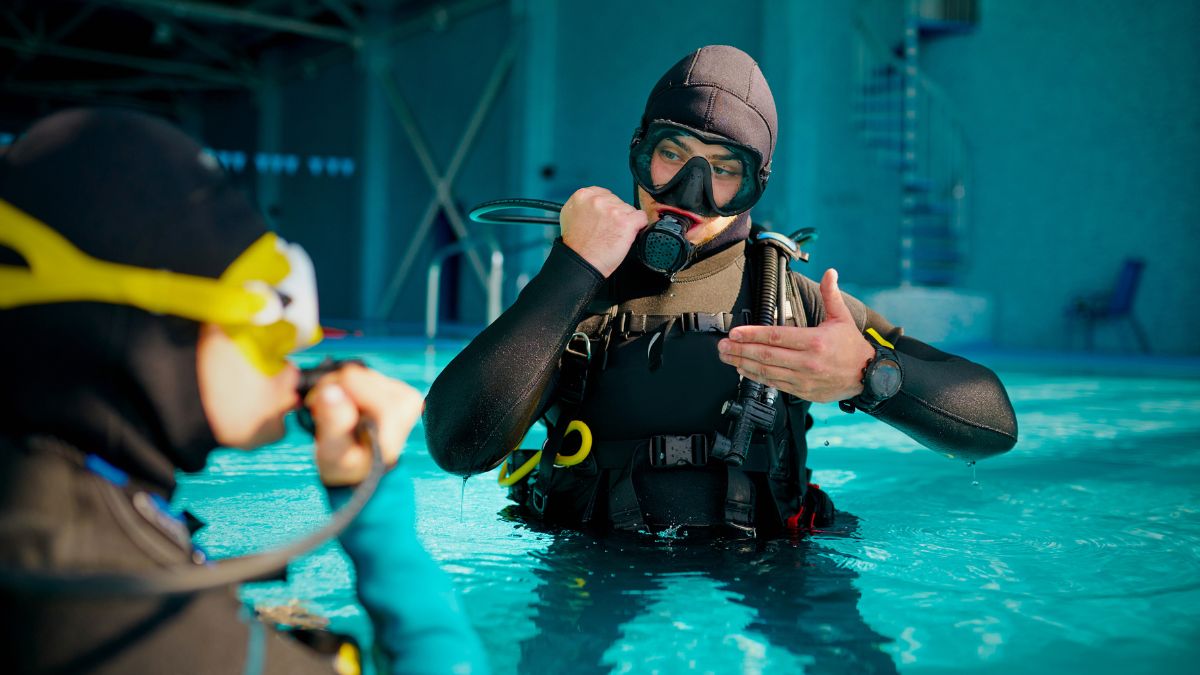
As a recreational diver, your only responsibility underwater is yourself and your buddy. As a Divemaster, you are responsible for other people’s safety, their experience, and in many cases their first real encounter with the ocean. That is a different kind of accountability.
Why PADI specifically? It’s a fair question and I’ll give you the honest answer. PADI operates in more than 180 countries and has issued over 28 million certifications. When you show up to apply for a job at a dive center in Thailand, the Maldives, or Mexico, they will know exactly what a PADI Divemaster certification means and how to verify it. Some organizations are growing fast and doing excellent training, but in terms of pure job market reach, PADI gives you the widest door. I’ll talk more about the SSI comparison later.
Did you know? PADI has over 6,600 dive centers and resorts worldwide, making it the largest recreational diver training organization on the planet. For a working Divemaster, that translates directly into job opportunities.
PADI Divemaster Requirements: What You Need Before You Start
The official entry requirements for the PADI Divemaster course are straightforward:
- Minimum age: 18 years old
- PADI Rescue Diver certification (or equivalent from another recognized organization)
- Emergency First Response Primary and Secondary Care training within the past 24 months
- Minimum 40 logged dives to begin the course
- Minimum 60 logged dives to complete and certify
- Current medical clearance to dive from a physician
Requirements are one thing, but are you ready?
Now here’s what the requirements don’t tell you. Having 40 dives logged doesn’t mean you’re ready to become a dive professional. I’ve seen candidates arrive with exactly 40 dives and a logbook full of shallow resort dives in calm conditions. Technically they qualify. Practically, they’re going to struggle.
The candidates who do best in divemaster training usually have 80 to 150 dives before they start, solid buoyancy, and genuine comfort managing themselves underwater without thinking about it. That comfort is what lets them shift their attention to other divers, which is the entire job. If you’re still managing your own buoyancy consciously, you’re not ready to manage a group.
That’s my honest opinion, not PADI policy. Take it or leave it.
What the PADI Divemaster Course Actually Involves
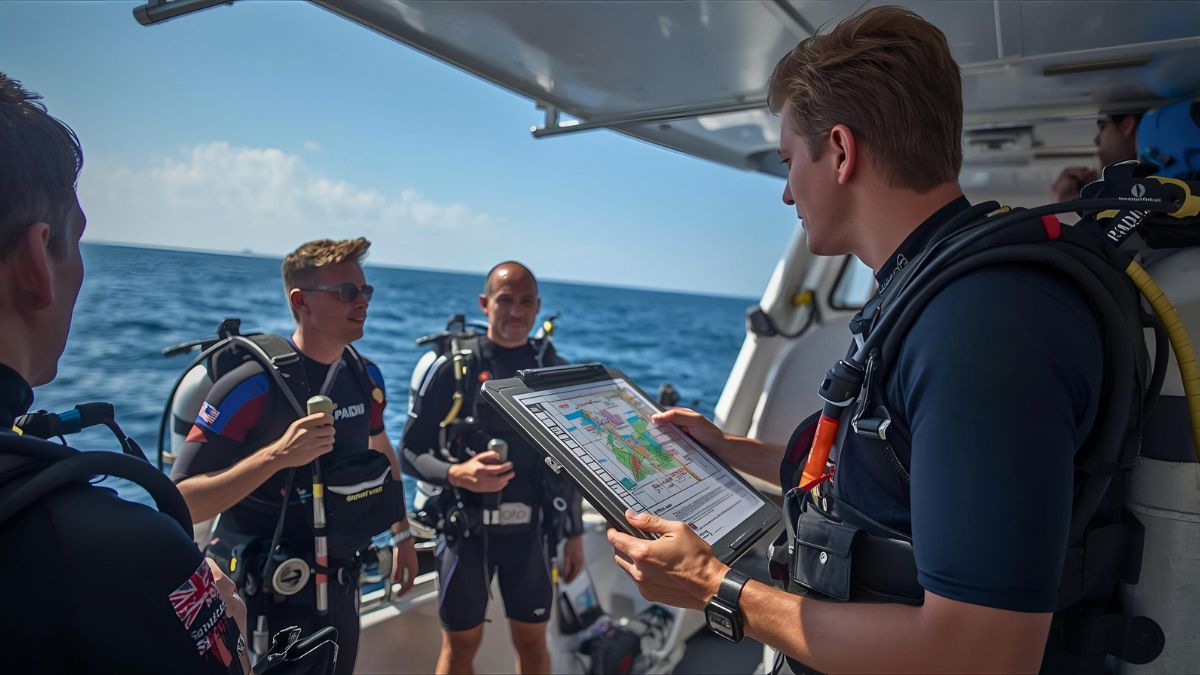
The course has several distinct components that run simultaneously rather than in a neat sequence. That’s intentional. Real dive work doesn’t happen in a neat sequence either.
You start with the eLearning package and the PADI Divemaster Crew Pack, a substantial set of manuals covering dive theory, divemaster skills, and professional standards. These aren’t light reading. You’ll work through knowledge development sessions, pass knowledge reviews, and prepare for the final exam while also doing practical training in the water.
The Stamina and Swim Tests
Before anything else in the water, you complete a set of physical assessments. These are not optional and they cannot be skimmed. The core tests include:
- 400-meter swim: any stroke, no time limit, but must demonstrate competent swimming ability
- 800-meter snorkel swim: mask, fins, and snorkel, without stopping
- 15-minute tread water: hands must stay out of the water for the full duration
- Timed underwater skills circuit: demonstrating scuba skills at a professional demonstration level
I’ve had candidates who were excellent divers but genuinely struggled with the 800-meter snorkel swim. If you haven’t been swimming regularly, start before the course begins. These tests establish a physical baseline that the job genuinely requires. A Divemaster who can’t tow a tired diver 200 meters on the surface is a liability, not an asset.
The Divemaster Final Exam
The written exam is split into two parts, 60 questions each. The sections cover dive physics, physiology, decompression theory, the recreational dive planner, equipment, and the underwater environment. You must pass each section separately. A strong score in one does not compensate for a weak score in the other.
The exam is challenging but not designed to trick you. Study the Divemaster manual thoroughly, review the dive theory materials from your earlier certifications, and work through the knowledge reviews honestly rather than just looking up answers. Candidates who treat the knowledge reviews as learning exercises rather than boxes to tick almost always pass the final exam without trouble.
Practical Workshops and Projects
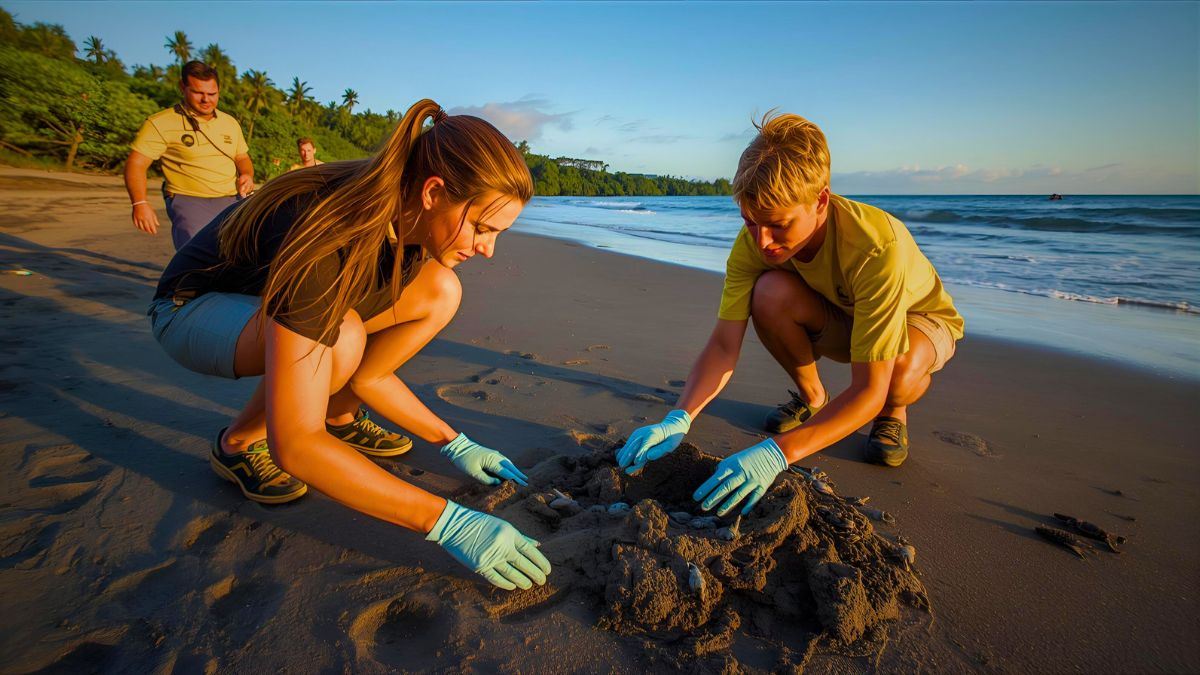
The practical component is where divemaster training separates itself from every course that came before. You don’t just learn skills, you learn to manage diving environments, teach skills, and handle problems calmly when they appear. Key practical elements include:
- Emergency Assistance Plan: creating a real, site-specific emergency response plan for an actual dive location
- Dive site mapping project: surveying an open water site and producing a detailed map showing underwater relief, entry and exit points, and depth profiles
- Dive briefings: conducting complete pre-dive briefings covering all required points for a familiar dive site
- Search and recovery scenario: executing methodical search patterns, tying specific knots underwater, and using a lift bag
- Assisting with Discover Scuba Diving: managing non-certified divers in controlled conditions
- Diver rescue assessment: responding to an unresponsive, non-breathing diver including water entry, surface tow, rescue breathing, and equipment removal
That last one is the one that makes candidates nervous. Good. It should be taken seriously. A diver rescue in real conditions is one of the most stressful things you’ll face in this job, and practicing it until it feels automatic is the point of divemaster training.
Did you know? The PADI Divemaster program has existed since 1967, making it one of the oldest formalized professional diving certifications in the world. The core philosophy has remained consistent: develop leaders, not just skilled divers.
What Can a PADI Divemaster Actually Do?
This is a question worth answering precisely, because there’s real confusion about what a DM can and cannot do.
As a certified PADI Divemaster, you can:
- Guide certified divers at dive sites anywhere in the world
- Assist PADI instructors during any PADI certification course
- Supervise training and non-training diving activities
- Independently conduct the PADI Discover Local Diving program
- Independently conduct the PADI Scuba Review program
- Independently conduct the PADI Skin Diver course
- Independently conduct the PADI Discover Snorkeling program
- Lead Discover Scuba Diving experiences under the supervision of an instructor
What you cannot do as a Divemaster is teach full PADI certification courses independently. You cannot sign off Open Water students, run Advanced courses on your own, or certify anyone. Those privileges require the Scuba Instructor certification, which is the next step up.
That distinction matters when you’re evaluating a job offer. Some dive centers try to use divemasters to run programs that actually require an instructor. Know your limits and your rights.
How Long Does the Divemaster Course Take?
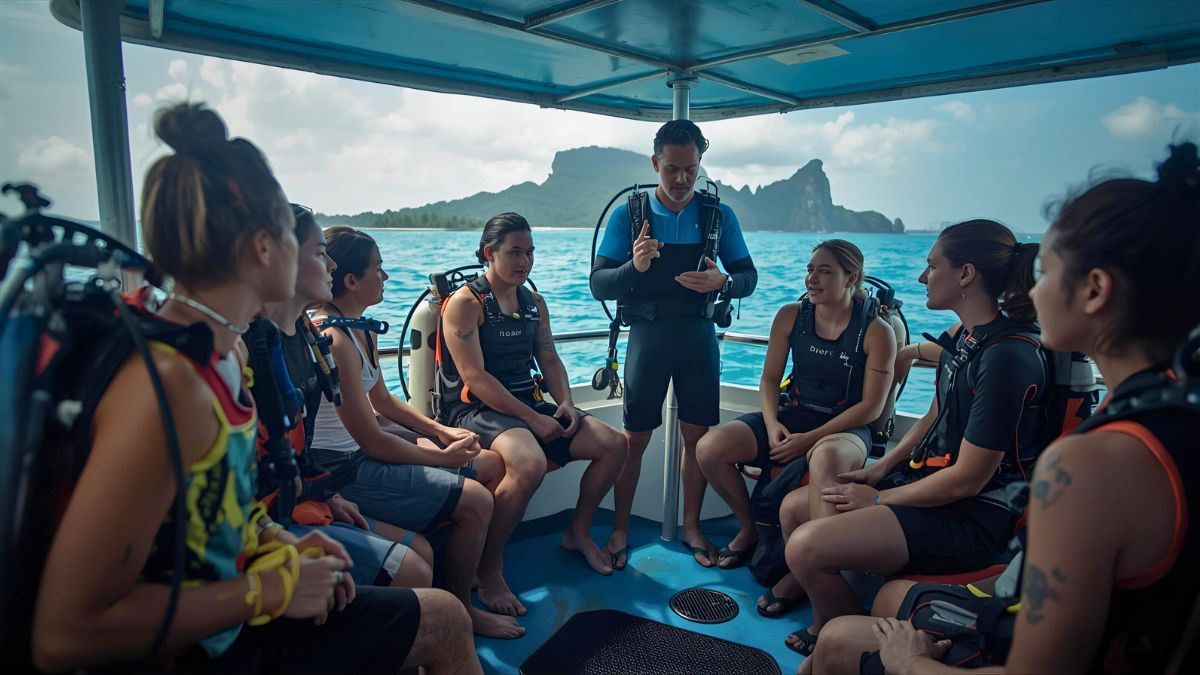
As an experienced instructor, I can confidently tell you that the honest answer is: it depends, and anyone who gives you a fixed number without knowing you is guessing.
That said, here are realistic timeframes based on how candidates approach the course:
- Intensive program (full-time commitment): 4 to 6 weeks minimum
- Standard program (dive center schedule): 2 to 3 months
- Internship track (part-time, learning on the job): 1 to 3 months depending on season and dive volume
My recommendation: plan for at least two months. The candidates who rush the course tend to arrive at their first job technically certified but practically unprepared. Your lead instructor’s name goes on your certification card, and a good instructor takes that seriously. I certainly do.
Unlike every previous course, nobody will chase you to complete elements. The DM course is structured to test self-management from day one. If you can’t organize your own training and track your own progress, you’re getting an early preview of exactly the kind of problem that will follow you into the workplace.
How Much Does the PADI Divemaster Course Cost?
Course fees vary significantly by location and what’s included. A rough range:
- Course fee only (materials, training, certification): $500 to $2,500 USD depending on location
- PADI application fee: $156 USD, paid directly to PADI upon completion
- Zero to hero (Open Water Diver through Divemaster): $4,000 to $8,000 USD depending on location and number of dives required
Before signing up anywhere, confirm exactly what the fee includes. Key questions: Are all required dives included? Is equipment rental covered? Does the price include the eLearning package and Crew Pack? What happens if you need more dives to complete the course?
Divemaster Salary and Job Reality: The Honest Numbers
I won’t dress this up. Divemaster work is rarely a path to financial security, especially in popular tropical destinations. Most people who choose this career do so for the lifestyle, the daily diving, and the community, not the paycheck. If your primary goal is financial stability, becoming a dive instructor is the better move, or you should treat the DM certification as a stepping stone rather than a destination.
Here are realistic monthly salary ranges by region:
| Region | Monthly Salary (USD) | Notes |
|---|---|---|
| Latin America | $400 – $900 | Often includes accommodation; seasonal |
| Southeast Asia | $300 – $700 | Low cost of living offsets low pay |
| Caribbean | $600 – $1,200 | Competitive market; tips vary significantly |
| Australia / New Zealand | $2,000 – $3,500 | Higher cost of living; strict visa requirements |
| Liveaboard (global) | $800 – $1,500 | Usually includes full room and board |
| Europe | $1,200 – $2,500 | Highly seasonal; Mediterranean and Canaries strongest |
Liveaboard positions deserve a special mention. The pay is modest but your living costs drop significantly since accommodation and meals are covered. For a newly certified DM who wants to accumulate dives fast and build a solid professional resume, a liveaboard season is an excellent investment.
The Real Pros and Cons of Working as a Divemaster
Every dive center’s website will tell you about the pros. Let me give you both sides honestly.
The genuine advantages
You get paid to dive, often in places people pay thousands to visit. You build the dive count and experience needed for instructor training faster than anyone doing recreational diving. You join a global community of professionals who share your values. The work is physically engaging and mentally stimulating. And if you’re good at it, it’s deeply meaningful work, introducing people to something that changes how they see the world.
The honest disadvantages
The pay is low, especially at the beginning. Work is highly seasonal at most destinations, meaning you may face months without income. Difficult clients exist in every industry but are particularly challenging underwater where stress management is a safety issue. You’re responsible for other people’s lives in an environment that does not forgive careless mistakes. Your own equipment takes wear. And in some destinations, housing and transport costs eat a significant portion of an already modest salary.
None of this should put you off if you’re genuinely drawn to this career. But you should go in knowing what the first year or two will look like financially.
What Actually Makes a Good DMT: The Section No One Else Writes
I’ve trained a lot of DMTs. I’ve watched candidates with average exam scores become outstanding divemasters, and I’ve watched candidates with excellent scores struggle to find and keep work. The difference is almost never the scores.
Here’s what I actually look for, and what future employers will look for after you:
- Showing up early without being told. A DM who arrives before the students and has the equipment ready before the instructor asks is worth their weight in dive weights. It’s a small thing that signals a lot about how someone approaches professional responsibility.
- Handling difficult clients without drama. Every group has one person who is scared, one who is overconfident, and one who doesn’t listen to briefings. A good DMT learns to manage all three simultaneously and make it look effortless to the rest of the group.
- Asking good questions. Not constant questions, and not questions designed to show off knowledge. Questions that reveal genuine curiosity about how to do the job better. I notice every candidate who comes to me after a dive and asks “what would you have done differently when that student panicked at five meters?” That’s the mindset that builds a real professional.
- Treating borrowed equipment with more care than their own. This one sounds trivial. It isn’t. How someone handles a dive center’s gear tells you exactly how they’ll handle a client’s gear when something goes wrong on a boat.
- Taking the reference letter seriously. Your future employer will call your lead instructor before they call you back. I cannot stress this enough: the relationship you build during your divemaster training, and the reputation you establish with your instructor, matters more than any score on any exam. The certificate proves you completed the course. The reference tells an employer whether to trust you with their clients.
What Is a Divemaster Internship?
A divemaster internship is an extended training format where you learn the job by doing it alongside the actual team at a working dive center. Rather than completing a structured course on a fixed schedule, you’re embedded in daily operations: helping with equipment prep, assisting courses, guiding dives, handling logistics, and learning from every situation that comes up.
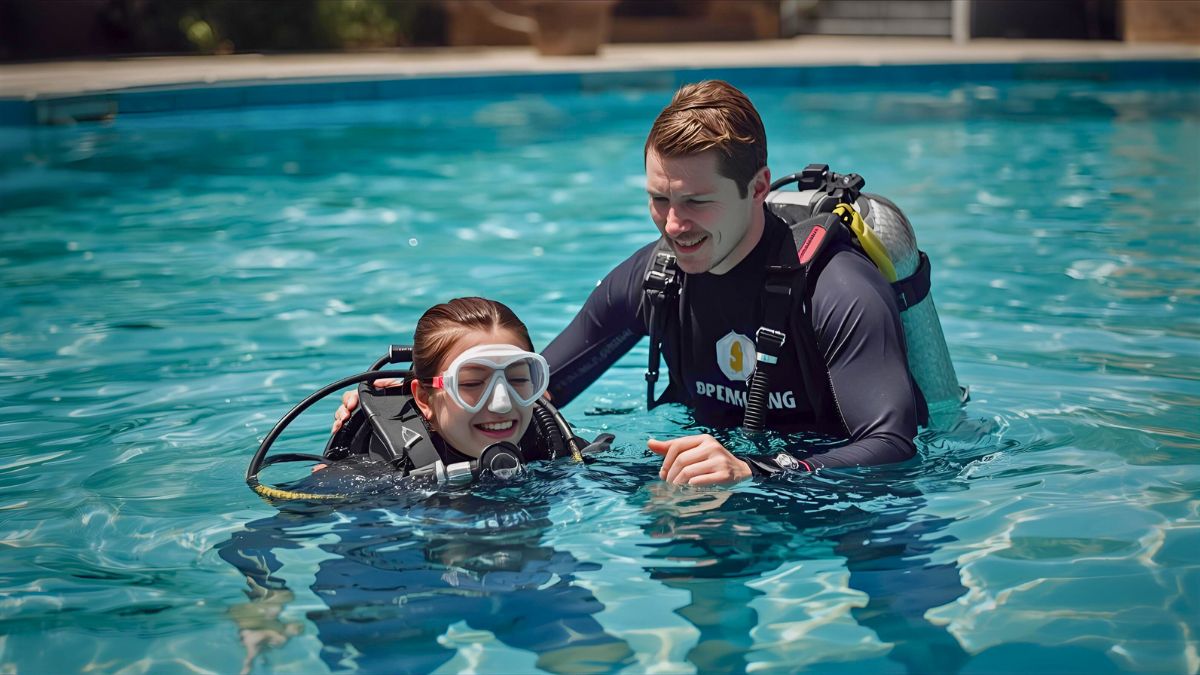
Internships typically run between one and three months, and they usually cost less than a standard DM course because your work genuinely contributes to the center’s operation. In exchange, you get far more real-world exposure than a standard course provides.
For anyone serious about a career in diving rather than just adding a certification, an internship is worth the extra time. The candidate who arrives at their first job having already managed a full season of real clients is at a completely different level from someone who completed the course in six weeks and never assisted on a course outside of training.
PADI Divemaster vs. SSI Divemaster: Which Should You Choose?
Both certifications are globally recognized and both reflect a serious level of training. This isn’t a question with one right answer, but here’s my honest perspective as a PADI dive center manager who has also seen SSI-certified candidates apply for positions.
PADI has a larger global network, more employer recognition in most regions, and a longer track record in professional diver training. If you want to maximize your job options across the widest range of locations and dive centers, PADI gives you the better starting position.
The most important thing is the instructor, not the logo
SSI has been growing steadily and is genuinely well-regarded in Europe and parts of Asia. If you’re already training at an SSI center and plan to work primarily in SSI-affiliated operations, there’s no compelling reason to switch organizations.
The honest answer: if you’re reading this without a strong affiliation to either system, choose PADI. If you’re already in a good SSI program with a qualified instructor you trust, stay there. The instructor and the training environment matter more than the logo on the card.
Red Flags: Signs a Divemaster Program Is Not Worth Your Money
Since we’re being honest about everything else, here’s something most guides skip: not all DM programs are equally good, and some are genuinely bad investments.
Watch out for programs that promise to certify you in three weeks or less. The PADI Divemaster course has a minimum required number of training hours and dives that cannot be compressed into three weeks without cutting corners. Centers that advertise unusually fast completion times are usually telling you something important about their standards.
Be cautious about programs where you’ll never work alongside a real student during training. Assisting actual scuba courses with real students is a core component of divemaster development. A center that keeps you isolated from real course delivery is training you on paper, not in practice.
Ask directly whether the lead instructor will personally supervise your training or whether you’ll be handed off to junior staff. Whose name goes on your certification card? That person is your mentor and your professional reference. You deserve to know who they are before you commit your money and your time.
Frequently Asked Questions
Can I do the PADI Divemaster course if I have only 40 dives?
Technically yes, 40 dives is the minimum required to begin. But my honest advice is to build more experience first. Candidates with fewer than 60 to 80 dives usually spend more mental energy managing their own diving than developing the awareness they need to manage others. The minimum is a legal threshold, not a readiness benchmark.
Is the PADI Divemaster course difficult?
It’s demanding, not impossible. The written exam requires genuine study. The stamina tests require real physical fitness. The practical workshops require self-organization and initiative. What makes it hard for most candidates isn’t the content, it’s adjusting to a course where nobody is managing your progress but you. If you’re self-motivated and prepared to work consistently, you will complete it.
Do I need my own equipment for the Divemaster course?
Most dive centers provide equipment during training, but owning your own gear is strongly recommended for anyone pursuing a professional diving career. Having your own BCD, regulator, and computer means you know your equipment intimately, which matters when you’re managing other divers. Check with your specific dive center what they provide and what they recommend you own.
Can a PADI Divemaster teach courses independently?
No. A Divemaster can assist instructors during PADI certification courses and independently conduct specific programs like Discover Local Diving, Scuba Review, and Skin Diver, but cannot teach or certify students in full certification courses. That requires the PADI Open Water Scuba Instructor (OWSI) rating, which is the next step after Divemaster.
How hard is it to find work as a Divemaster?
Harder than the brochures suggest, easier than cynics claim. Entry-level positions in popular tropical destinations are competitive. What separates candidates is practical experience, a strong reference from their training instructor, and professional reliability. The candidate who shows up prepared, handles stress calmly, and treats clients and equipment with respect gets hired. The one who treats the certification as the end goal usually struggles.
Is the PADI Divemaster certification valid for life?
Yes, the certification does not expire. However, to work professionally you’ll need current Emergency First Response certification (valid 24 months) and in most work contexts, active PADI membership which includes insurance coverage. Some employers also require an updated medical clearance annually. The card is permanent; keeping your professional standing current requires ongoing attention.
What comes after the PADI Divemaster?
The natural next step is the PADI Instructor Development Course (IDC), which consists of the Assistant Instructor (AI) course and the Open Water Scuba Instructor (OWSI) program, culminating in the Instructor Examination (IE) conducted by a PADI Examiner. Becoming a PADI Instructor is where teaching authority and earning potential both expand significantly. Most career-focused divemasters aim to reach Instructor level within one to two years of certification.
Sources and References
- PADI Divemaster Course: official course requirements, curriculum, and certification standards
- SSI Divemaster Program: SSI professional diver training for comparison context
- SDI Divemaster: SDI professional-level certification overview
- DAN: Dive Fitness and Medical Standards: professional diver fitness and medical considerations
- CMAS Professional Training: international professional diver training standards for comparison