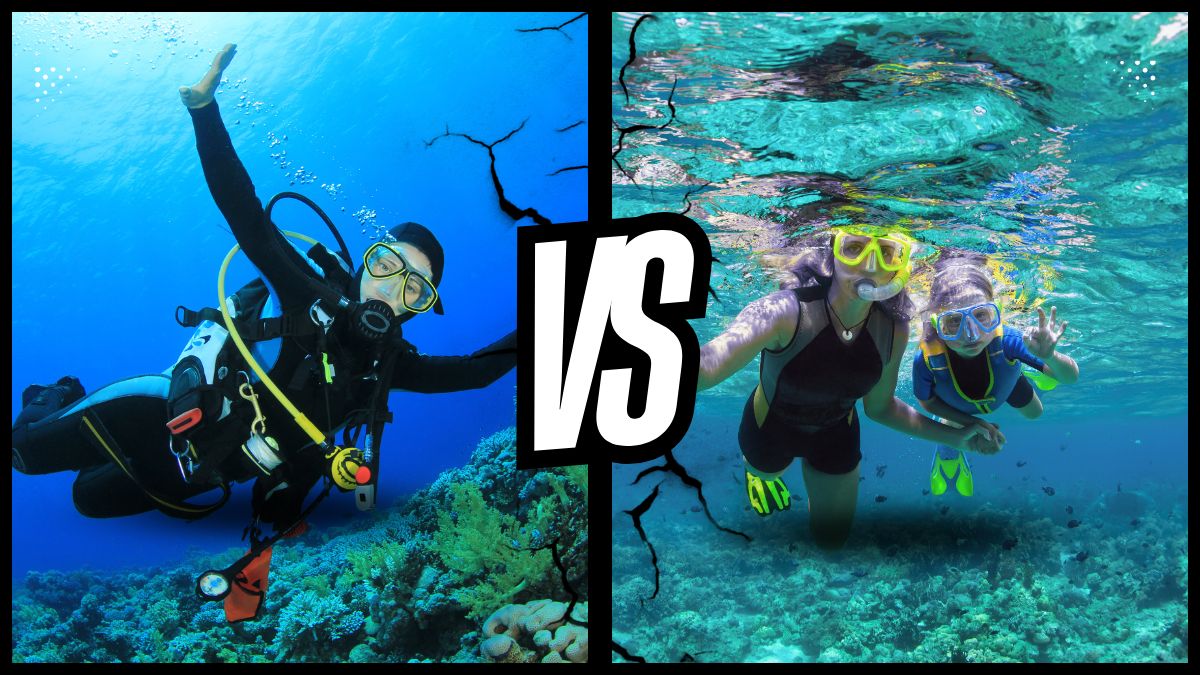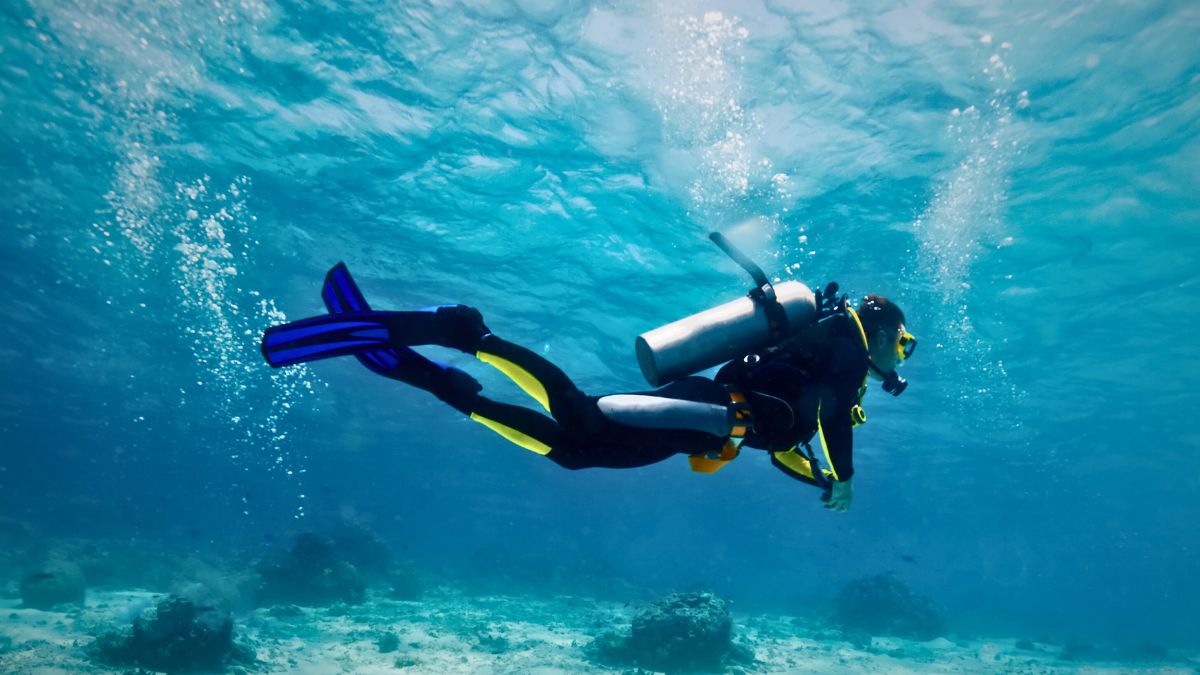
We live in an era of convenience. When we want pizza, we search for the “nearest Italian restaurant.” When we need gas, we look for the “nearest station.” It makes sense. We want to save time.
But scuba diving is not pizza. It is a life-support activity involving high pressure, complex equipment, and unpredictable ocean environments. Yet, every day, I see tourists in popular destinations pulling out their phones and choosing a dive center solely because it is 500 meters from their hotel.
I am writing this article to tell you: stop doing that. In the world of diving, “nearest” rarely means “best.” And in developing countries, the difference between a top-tier dive center and a dangerous operation can be massive, even if they are neighbors.
My Personal Failure: A Lesson Learned the Hard Way
Before I moved to Costa Rica permanently, before I founded Costa Rica Divers, I was a tourist just like you. I remember my very first trip to this country perfectly. I was excited. I wanted to see the Pacific.
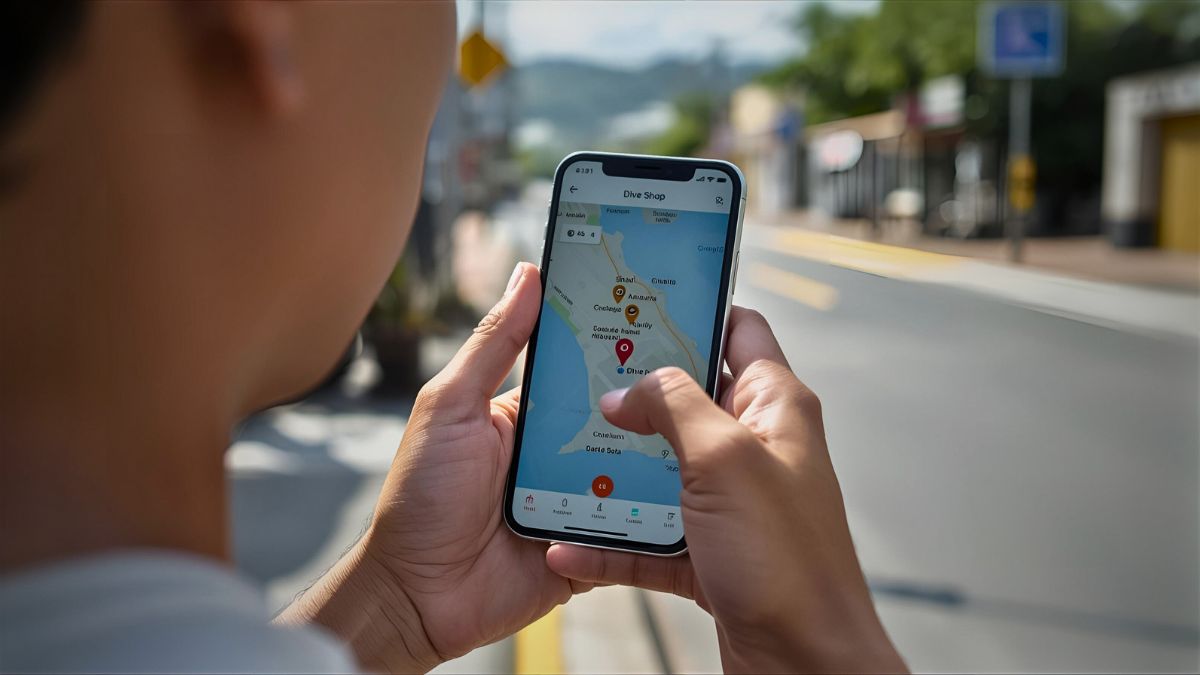
I was staying in a popular beach town. I wanted to dive, so I did what everyone does. I opened Google Maps and searched for the closest dive operator. I walked in, booked a trip, and thought I was set.
It was a disaster. The organization was chaotic. The scuba equipment looked like it belonged in a museum. We waited hours for a boat that was overcrowded. In the end, the day was a total loss. I didn’t feel safe, I didn’t enjoy the dive, and I felt like just a number on a spreadsheet. I wasted a day of my vacation and a chance to see the underwater world properly.
That experience stayed with me. When I opened my own center, I vowed that we would never be that “convenient but terrible” shop.
The “Tourist Trap” Phenomenon in Diving
Scuba diving has become incredibly popular. In famous destinations, whether it is Thailand, Mexico, or parts of Costa Rica, you might find ten dive centers on a single street.
Here is the brutal truth: The shops located in the “prime spots” (right next to the biggest hotels or on the main boardwalk) often don’t need to be good. They just need to be visible. They rely on foot traffic and one-time customers who will never return.
These “diving factories” focus on volume. They pack boats to the limit. They rush courses. They often pay their staff minimum wage, leading to burnout. Is that who you want checking your air supply?
Often, the best dive centers are located 10 or 15 minutes away. They rely on reputation, not location. They survive because serious divers seek them out.
The Middleman Problem: Are You Booking with a Ghost?
Another common trap when searching for “dive shop near me” is the fake storefront. In many tourist towns, you will see kiosks selling tours. They list everything: zip-lining, horse riding, and scuba diving.
These are not dive centers. They are booking agents. They take your money and sell you to the lowest bidder. You have no idea who will actually be taking you diving until you show up at the dock. You don’t know the condition of their compressor or their boat.
My Advice: Always book directly with the operator. If the person selling the dive cannot answer technical questions about the dive site depth or the boat’s safety equipment, walk away.
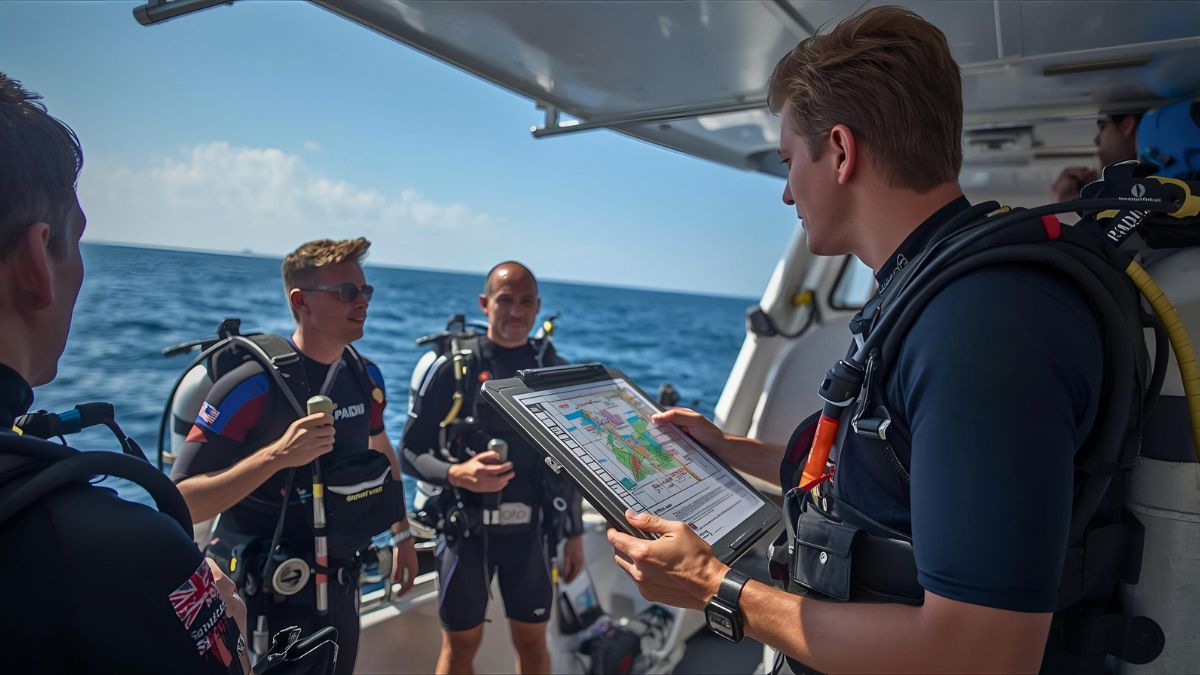
5 Things to Check Instead of Distance (The Smell Test)
If you are willing to drive an extra 15 or 20 minutes, how do you know if a shop is worth it? You need to inspect them with a critical eye. Here is what I look for.
1. The Smell of the Air
Ask to smell the air from a tank. It should smell like nothing. If it smells like oil or exhaust fumes, do not dive. It means their compressor filters are old or the intake is near an engine. This is dangerous.
2. The State of the Rental Gear
Look at the BCDs and regulators hanging in the shop. Are they faded? Is the brass on the hoses turning green? Is the mouthpiece chewed through? “Pura Vida” (relaxed life) is great for attitude, but it is terrible for equipment maintenance. Ragged gear suggests a lack of budget and care.
3. The Boat Safety
Ask to see the boat or photos of it. Does it have oxygen on board? Does it have a radio? Is there a roof to protect you from the tropical sun? Small “pangas” (fishing boats) are often used for diving to save money, but they are uncomfortable and can be unsafe in rough seas.
4. Small Groups vs. Cattle Boats
Ask specifically: “What is your maximum ratio of divers to guide?” If they say 8:1 or “it depends,” that is a red flag. A quality shop will guarantee small groups (usually 4:1) for safety and a better experience.
5. The Vibe of the Instructors
Talk to the staff. Do they look exhausted? Or are they passionate? A burnt-out instructor is a dangerous instructor. You want someone who still loves the ocean, not someone just watching the clock.
Why “Good” is Worth the Drive
Let’s say you find a 5-star reputable dive center, but it is a 20-minute drive from your hotel. Is it worth it?
Absolutely. Think about the logistics. A professional center will often offer a shuttle service. But even if you have to drive, the peace of mind is priceless. You are trading 20 minutes of driving for:
- Better rental gear that fits you properly.
- A boat that leaves on time.
- A guide who actually spots wildlife instead of just swimming in a straight line.
- High safety standards that ensure you come back home.
Nearest Dive Shop to Me? Vote with Your Feet
I understand the temptation to pick the easy option. But diving is an investment in memories. Do not let a Google Maps algorithm decide the quality of your adventure.
Do your research. Read the reviews (look for comments about safety and gear, not just “the fish were pretty”). And if the best shop is a little further away, drive there. It is better to have a slightly longer morning commute than a “lost day” like I had years ago.
If you are in the Osa Peninsula region, we might not be right next to your Airbnb, but at Costa Rica Divers, we promise that the extra mile is worth it.
Frequently Asked Questions
How can I verify if a dive shop is legitimate?
Check their affiliation. Are they a registered PADI or SSI center? You can look this up on the PADI website. Also, check if they have a physical location with a compressor and gear room, rather than just a desk in a hotel lobby.
What questions should I ask before booking a dive?
Ask about the dive sites (are they suitable for your level?), the group sizes, and the emergency protocols. A good shop will answer these confidently. If they dodge the question, be suspicious.
Does a 5-Star PADI rating mean the shop is expensive?
Not necessarily. It means they have met specific standards for education and facilities. Often, the price difference between a high-quality shop and a budget “cowboy” operation is only $10-$15. That is a small price to pay for safety.
Is it better to book online or walk in?
Booking online allows you to research properly. Walk-ins are often rushed. By booking in advance, you ensure the shop has your size equipment reserved and staff available, rather than squeezing you into an already full trip.
What if the nearest shop is the only shop?
In remote areas, you might not have a choice. In this case, be extra vigilant. Check your own gear, analyze the air, and if you feel unsafe at any point, do not get in the water. No dive is worth your life.
Sources and References
- PADI (Professional Association of Diving Instructors) – How to choose a reputable dive operator
- Divers Alert Network (DAN) – Safety resources and questions to ask dive operators
- TripAdvisor – Tip: Look at “Traveler Photos” to see the real condition of boats and gear