There are few places on Earth where you can literally walk into the ocean on a sandbar shaped like a whale’s tail. Marino Ballena National Park in Costa Rica offers exactly that experience. I have guided visitors to this spot for years, and the reaction is always the same.
People reach the tip, turn around, and just stand there in silence looking at the jungle-covered mountains rising behind the beach.
The whale tail at Marino Ballena is not a sculpture or man-made attraction. It is a completely natural formation created by converging ocean currents. The fact that it sits in waters where hundreds of humpback whales gather each year makes it even more remarkable.
This guide covers everything you need to know about walking on the whale tail. I will share the practical details that most guides skip over, including the exact timing you need to get right.
What Is the Whale Tail at Marino Ballena National Park?
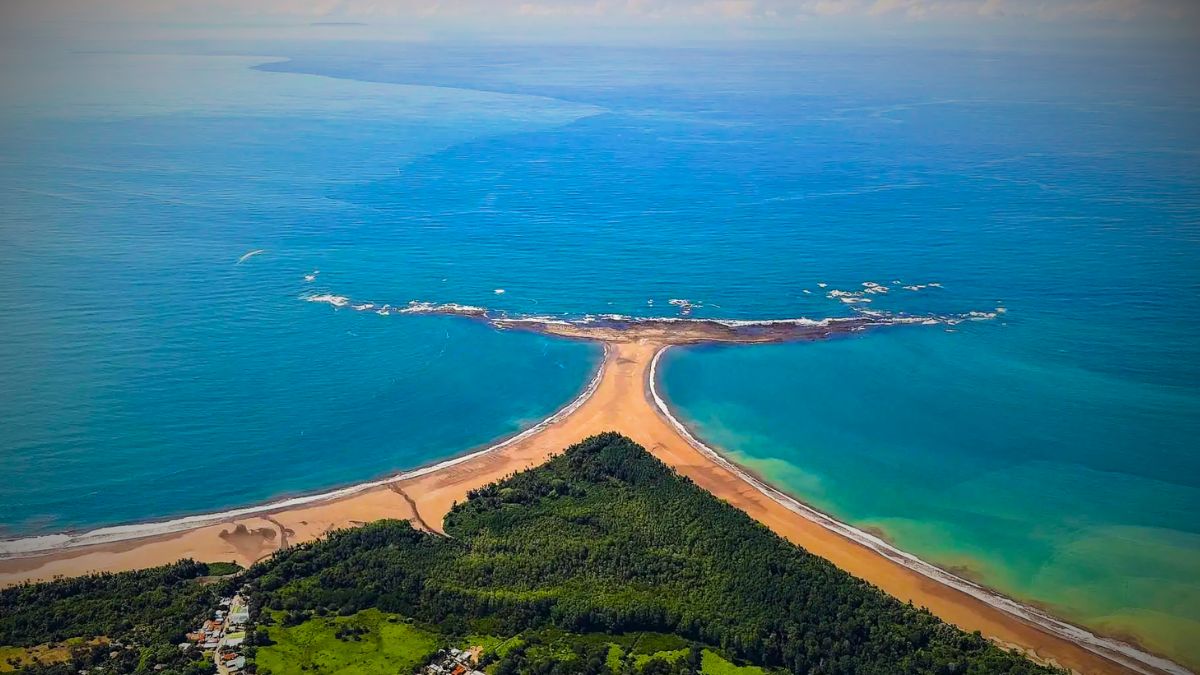
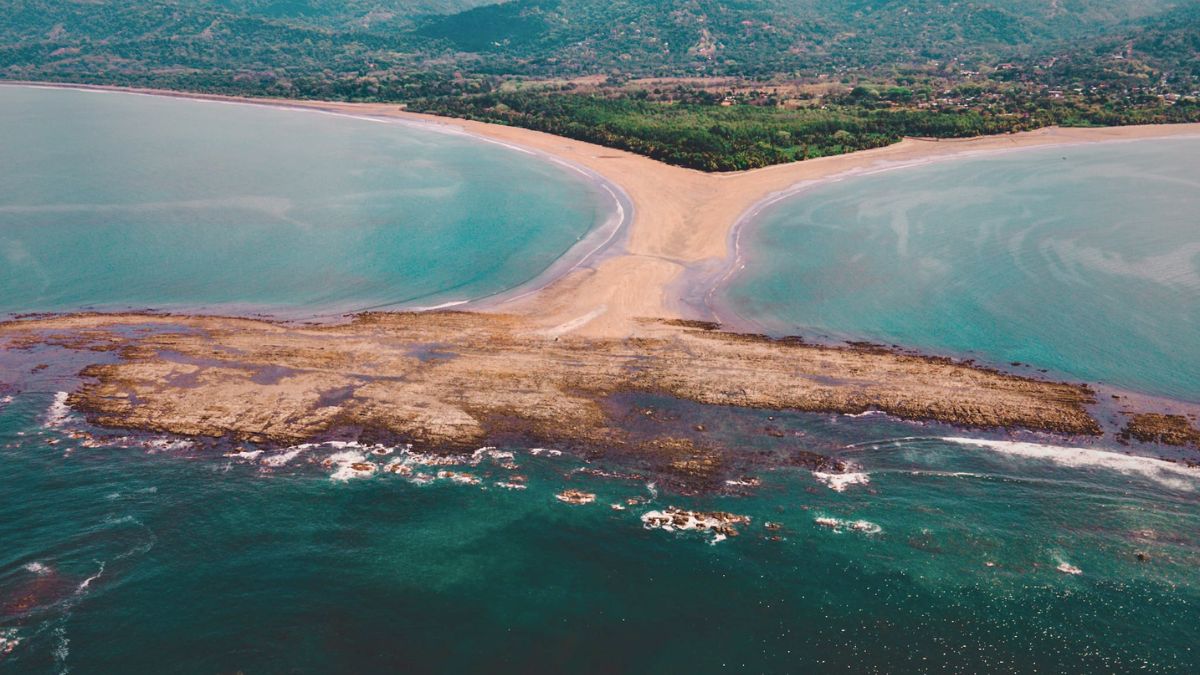
The whale tail is a sandbar and rock formation that extends from Playa Uvita into the Pacific Ocean. When you see it from above, the shape is unmistakable. Two curved sections of sand and rock spread outward exactly like the flukes of a whale’s tail.
At low tide, the entire formation emerges from the water. You can walk from the beach all the way to the rocky tip, roughly 500 meters into the ocean. Waves crash on both sides of you while you stand on dry land. It is one of the strangest and most beautiful experiences Costa Rica offers.
The whale tail sits within Marino Ballena National Park, which was established in 1989 as the first marine protected area in Costa Rica and all of Central America.
The park covers 171 hectares of land and over 5,300 hectares of ocean. It protects coral reefs, mangrove forests, and critical breeding grounds for humpback whales and sea turtles.
How Was the Whale Tail Formed?
The whale tail exists because of two ocean currents that meet at this exact point along the coast. These currents carry sand and sediment, depositing material on top of an underwater rock formation over thousands of years.
The result is a tombolo, which is the geological term for a sandbar connecting the mainland to an island or rock outcrop. What makes this tombolo special is its perfect whale tail shape. The currents naturally sculpted the sand into two symmetrical flukes.
Did you know? Marino Ballena National Park hosts humpback whales from both hemispheres. Whales from Alaska arrive between December and April, while whales from Antarctica visit between July and November. This gives the area one of the longest whale watching seasons in the world.
Some visitors assume the formation must be artificial. I understand why. The shape is too perfect, too fitting for a place called “Whale Park.” But nature created this entirely on its own.
Is the Whale Tail Visible All the Time?
No. This is the most important thing to understand before you visit.
The whale tail only appears at low tide. At high tide, the entire sandbar sits underwater. You would never know it existed. The difference between high and low tide determines whether you see a spectacular natural wonder or just an ordinary beach.
I have seen disappointed visitors arrive at the wrong time and find nothing but waves where the whale tail should be. Timing your visit correctly is essential.
Where Is Marino Ballena National Park Located?
Marino Ballena National Park sits on Costa Rica’s South Pacific coast in the Puntarenas province. The main access point is through the small town of Uvita, which serves as the gateway to the park and the broader Costa Ballena region.
From San José, the drive takes approximately three and a half hours via Route 27 through Orotina and then south along the coastal highway past Jacó and Manuel Antonio.
From Manuel Antonio, you can reach Uvita in about one hour heading south on the Costanera Sur highway.
The area feels remote compared to busier tourist zones, but the roads are paved and well-maintained. You do not need a 4×4 vehicle to reach the main park entrances.
How Do I Get to Marino Ballena National Park?
By car: Enter “Parque Nacional Marino Ballena Entrada Uvita” or “Parqueo Bahia Uvita” into Google Maps or Waze. This brings you directly to the main entrance closest to the whale tail. Parking lots outside the entrance charge between 2,000 and 4,000 colones (roughly $4-6 USD) for the day.
By bus: Tracopa operates daily buses from San José to Uvita. The journey takes about five hours. Buses also connect Uvita with Quepos and Dominical. From the Uvita bus stop, you will need a taxi or a 30-minute walk to reach the park entrance.
By shuttle: Private tourist shuttles run from major destinations including San José, Manuel Antonio, Monteverde, and La Fortuna. These cost more than buses but offer door-to-door convenience.
Read more here: How to Get to Uvita: All Transportation Options
When Can You Walk on the Whale Tail?
Tide timing determines everything about your whale tail experience. Get this wrong, and you miss the entire attraction.
You must visit during low tide. The sandbar begins emerging from the water roughly two to three hours before peak low tide. It remains walkable until about two hours after low tide. Outside this window, the formation is partially or completely submerged.
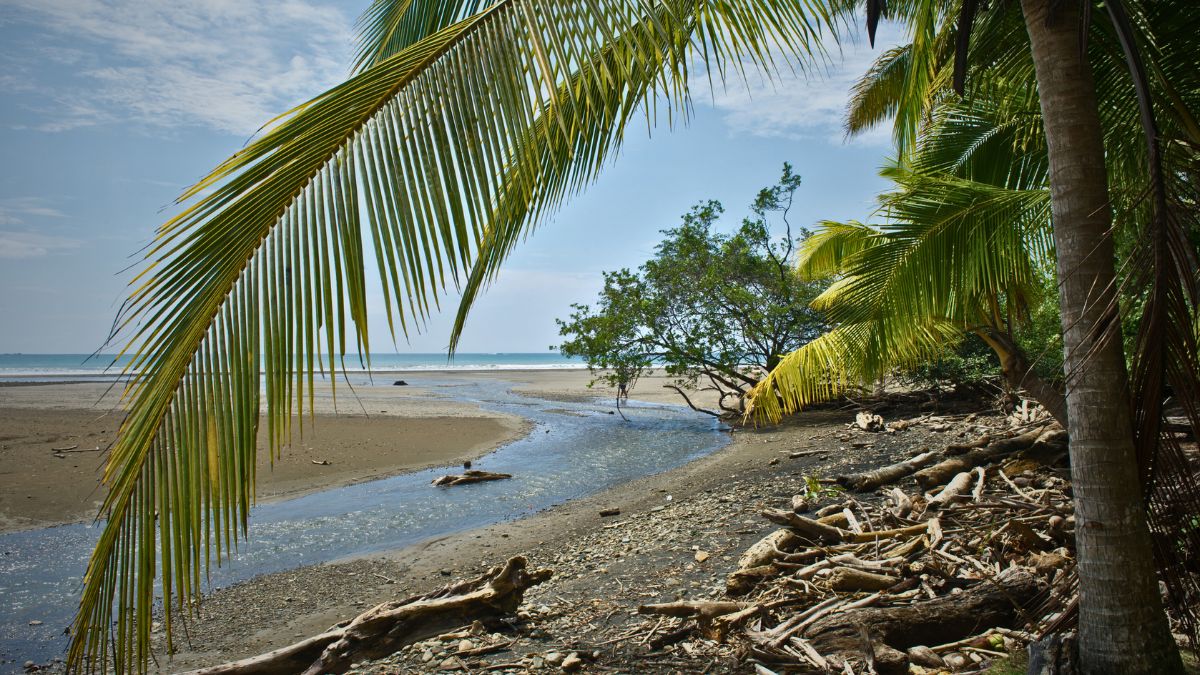
I recommend arriving approximately one hour before low tide. At this point, a thin layer of water still covers parts of the sandbar, creating mirror-like reflections that make for incredible photographs. You have time to walk to the tip and back before the tide turns.
Check the tide schedule before your visit. Websites like Surfline and Tide-Forecast provide accurate predictions for the Uvita area. You can also ask at your hotel reception or the park entrance for the day’s tide times.
Did you know? The tide at Uvita can vary by several meters between high and low points. During spring tides around the new and full moon, the difference is even more dramatic, revealing more of the whale tail than usual.
What Happens If I Misjudge the Tide?
The incoming tide moves faster than most people expect. If you linger too long at the tip of the whale tail, you may find yourself wading through knee-deep or waist-deep water on your return.
I have seen visitors get stranded temporarily, waiting on rocks as water surrounds them. This is not usually dangerous if you stay calm, but it is uncomfortable and can be frightening. The currents where the two sides of the bay meet can be strong.
Pay attention to the water level around your feet. When you notice it rising rather than falling, start heading back immediately.
What Is the Best Time of Year to Visit the Whale Tail?
The whale tail is accessible year-round, but seasonal factors affect your experience.
Dry season (December through April)
Expect sunny skies, minimal rain, and hot temperatures. The beaches are busier during these months, especially around Christmas, New Year, and Easter week. Mornings tend to be clearest for photography.
Green season (May through November)
Mornings are often dry with clouds building in the afternoon. Rain usually falls in short, intense bursts rather than all-day drizzle. Fewer tourists visit during these months, so the beach feels more peaceful.
For whale watching
The peak months are August and September when the largest concentration of humpback whales passes through. January and February also offer good sightings during the northern migration season. Check our best time to visit Costa Rica guide for more seasonal details.
What Are the Park Opening Hours?
Marino Ballena National Park opens daily from 7:00 AM to 4:00 PM. The ticket offices close at 4:00 PM, but if you are already inside the park, you can stay until 6:00 PM.
This matters for tide timing. If low tide falls outside park hours, you cannot access the whale tail that day. Always cross-reference tide times with park hours before planning your visit.
The Uvita sector, which provides the closest access to the whale tail, follows these standard hours. Other sectors like Colonia, Ballena, and Piñuela may have slightly different schedules.
How Do I Walk to the Whale Tail from the Park Entrance?
The walk from the Uvita entrance to the tip of the whale tail covers approximately 1.8 to 2 kilometers each way. Plan for 20 to 30 minutes in each direction, plus whatever time you spend exploring at the tip.
Here is what to expect step by step:
At the entrance
Purchase your ticket at the ranger station. The fee is $6 USD plus tax for foreign adults. Costa Rican residents pay 1,000 colones. Children under 12 and adults over 65 enter free. The park now operates cashless, so bring a credit or debit card.
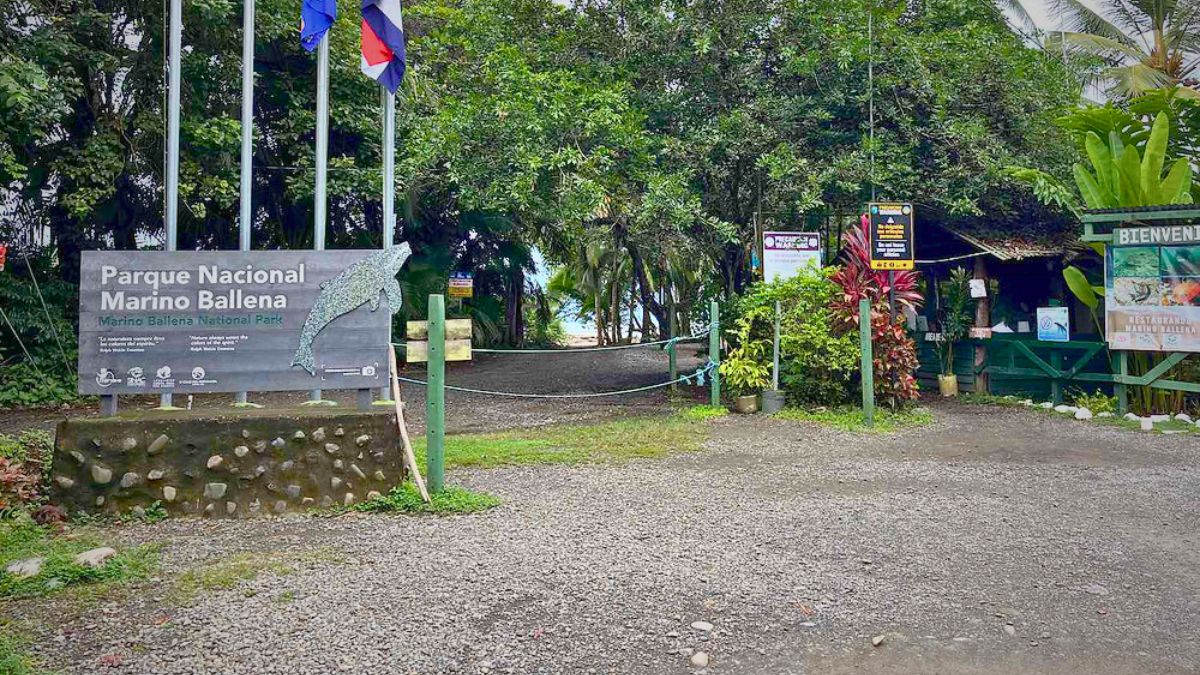
The jungle trail
From the ticket booth, a short shaded path leads through coastal vegetation. This section takes only a few minutes. Scarlet macaws and toucans frequently fly overhead here. Keep your eyes up.
Playa Uvita
The trail opens onto a wide, dark sand beach lined with palm trees. The jungle-covered mountains of the Costa Ballena rise behind you. On clear days, this view alone is worth the entrance fee.
The beach walk
Turn right and walk along the shoreline toward the whale tail. The sandbar becomes visible in the distance during low tide. Stay close to the waterline where the sand is firmer and cooler on your feet.
The sandbar
As you approach the whale tail, the beach narrows into the sandbar itself. Waves break on your left and right sides. The sensation of walking between two walls of surf is surreal. The sound of waves crashing on both sides while you walk on dry sand stays with you long after you leave.
The rocky tip
The final section consists of rocks and tide pools rather than sand. Watch your footing here. The rocks can be slippery, and sea urchins hide in some crevices.
What Will I See at the Tip of the Whale Tail?
The tip of the whale tail offers a 360-degree view of ocean and coastline. Looking back toward shore, you see Playa Uvita stretching in both directions with palm trees and green mountains creating a postcard backdrop.
Dozens of tide pools form among the rocks at low tide. These natural aquariums contain small fish, crabs, sea stars, anemones, and colorful snails. I have spent hours exploring these pools with visitors. Children especially love discovering the creatures hiding in each pocket of water.
The snorkeling around the tip can be excellent when conditions allow. The reef here is part of the largest coral formation on Central America’s Pacific coast. You may see parrotfish, angelfish, pufferfish, and moray eels. Bring your own mask and snorkel since rentals are not available inside the park. Note that fins are prohibited to protect the reef.
What Should I Bring for Walking the Whale Tail?
The walk seems simple, but proper preparation makes a significant difference in your comfort and safety.
Water
Bring at least one liter per person. There are no vendors or drinking fountains inside the park. The combination of sun exposure, physical activity, and humidity dehydrates you quickly.
Sunscreen
Apply generously before you start and bring extra for reapplication. The sandbar offers zero shade. I have seen tourists turn bright red after just one hour out there. Remember to only buy reef-safe sunscreen.
Did you know? The coral reef at Marino Ballena covers approximately 15 hectares and includes over 18 species of coral. It serves as a critical nursery for juvenile fish that later populate reefs throughout the region.
Hat and sunglasses
Additional sun protection for your face and eyes. The glare off the sand and water intensifies UV exposure.
Footwear
Bring sandals with sturdy soles or water shoes. The beach sand gets hot, and the rocks at the tip require something more protective than bare feet. Flip-flops work for the beach walk but can be tricky on the uneven rocks.
Waterproof bag
A small dry bag protects your phone, camera, and wallet from splashes and unexpected waves. This also helps if you decide to wade through shallow water.
Snacks
If you plan to spend several hours at the beach, pack some food. The nearest restaurants and stores are outside the park entrance.
Swimsuit and towel
You will almost certainly want to cool off in the water at some point. The beaches inside the park are beautiful for swimming when conditions are calm.
For a complete list of essentials, check our Ultimate Uvita Packing List: What to Bring
What Should I Wear to Walk on the Whale Tail?
Dress for heat, sun, and the possibility of getting wet.
Quick-dry shorts or a swimsuit work best for the lower half. Cotton pants become heavy and uncomfortable if splashed.
A lightweight, breathable shirt provides sun protection without overheating. Some visitors prefer UV-protective rash guards, especially for the walk back when the afternoon sun intensifies.
Leave heavy jewelry and expensive watches at your accommodation. Salt water and sand are hard on accessories, and theft does occur in the area.
How Much Does It Cost to Enter Marino Ballena National Park?
- Foreign adults: $6 USD plus 13% IVA tax (approximately $6.78 total)
- Costa Rican residents: 1,000 colones
- Children under 12: Free
- Adults 65 and older: Free
Your ticket is valid for the entire day and allows re-entry to all four park sectors. Keep your receipt to show at other entrances if you plan to explore multiple beaches.
Important: The park operates on a cashless payment system. Credit and debit cards are the only accepted payment methods. The ticket machines do not accept cash, colones, or US dollars.
Parking in the private lots outside the Uvita entrance costs between 2,000 and 4,000 colones ($4-6 USD) for the day. Some lots offer covered parking, which keeps your car cooler.
Which Park Entrance Should I Use?
Marino Ballena National Park has four official entrances, each providing access to different beaches.
- Uvita sector: This is the main entrance and the closest to the whale tail. Start here if walking the whale tail is your primary goal. Enter “Parque Nacional Marino Ballena Entrada Uvita” in your GPS.
- Colonia sector: Located south of the Uvita entrance, this sector accesses Playa Colonia and Playa Chaman. Locals and surfers prefer this area for its consistent waves and less crowded atmosphere. You can walk from here to the whale tail, but the distance is longer.
- Ballena sector: This entrance leads to Playa Ballena, a wide family-friendly beach. The whale tail is not easily accessible from here.
- Piñuela sector: The southernmost entrance accesses Playa Piñuela, a quieter and more secluded beach. Currently, this sector has limited hours and occasional closures.
Is It Safe to Walk on the Whale Tail?
The whale tail walk is generally safe for people of all ages and fitness levels, but several hazards require awareness.
- Tide danger: This is the primary safety concern. Respect the tide schedule. Do not attempt to reach the tip if the tide is rising. Do not linger beyond your planned time. The incoming water moves faster than you expect, and currents at the convergence point can be strong.
- Sun exposure: Heat exhaustion and severe sunburn happen frequently. The walk offers no shade for roughly 40 minutes round trip. Visitors underestimate how intense the tropical sun feels, especially between 10:00 AM and 2:00 PM.
- Slippery rocks: The rocky area at the tip becomes slippery when wet. Move carefully and wear appropriate footwear. Twisted ankles and scraped knees are common among visitors rushing over the rocks.
- Rip currents: If you swim near the whale tail, be aware of currents pulling toward open water. Swim parallel to shore if caught in a rip current rather than fighting directly against it.
- Theft: Unfortunately, theft from beachgoers has increased in recent years. Do not leave valuables unattended on your towel. Carry important items with you in a waterproof bag or leave them locked in your vehicle.
- Crocodiles: Small streams and estuaries near the beach contain crocodiles. Do not swim or wade in fresh water areas. Stick to the ocean.
What Other Activities Can I Do at Marino Ballena National Park?
The whale tail walk is the headline attraction, but the park offers much more for visitors willing to explore.
Can I Go Whale Watching from Marino Ballena?
Absolutely. Marino Ballena is one of the best whale watching destinations in Costa Rica.
Humpback whales visit these waters during two annual migration seasons. The southern population arrives between July and November, with peak activity in August and September. The northern population passes through from December through April, with January and February offering the best sightings.
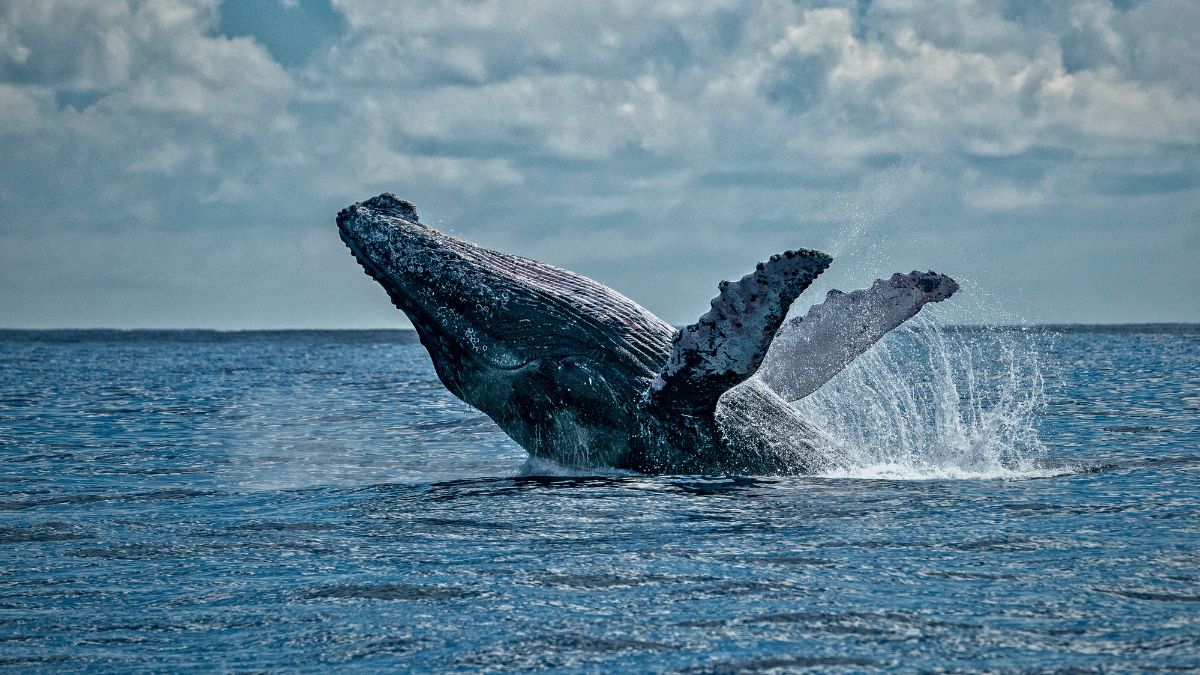
Boat tours depart from the Uvita area and spend two to four hours searching for whales. Most tours also visit nearby islands and include snorkeling stops. Sightings are never guaranteed, but experienced captains know where whales tend to congregate.
I recommend booking with established operators who follow responsible whale watching guidelines. Boats should maintain safe distances from the animals and limit observation time to avoid stressing them.
Is Snorkeling Possible at the Whale Tail in Uvita?
Yes, when conditions cooperate.
The reef surrounding the whale tail contains diverse marine life including tropical fish, sea stars, octopuses, and occasionally sea turtles. Visibility depends on recent weather. Heavy rains and big swells stir up sediment that clouds the water.
Calm, clear mornings during dry season offer the best snorkeling conditions. Bring your own equipment since rentals are not available inside the park. Remember that fins are prohibited to protect the fragile coral.
For more reliable snorkeling, consider a tour to Caño Island, located about 50 kilometers offshore. The visibility there reaches 20 meters or more on good days, and the marine life diversity is spectacular.
Did you know? Olive ridley and hawksbill sea turtles nest on the beaches of Marino Ballena between May and November. If you visit during these months, you might witness a turtle coming ashore at night to lay eggs or see tiny hatchlings making their way to the ocean.
Frequently Asked Questions
How long does it take to walk to the whale tail?
From the Uvita entrance to the tip of the whale tail takes 20 to 30 minutes. The total round trip, including time exploring the tide pools and taking photographs, usually runs 1.5 to 2 hours.
Can I see the whale tail from above without a drone?
Yes. Several viewpoints in the hills above Uvita offer aerial perspectives. The road to San Josecito near Rancho La Merced provides a good vantage point. Some hotels and restaurants in the mountains also have views of the formation.
Is the whale tail accessible for people with mobility challenges?
The beach walk is on soft sand, which can be difficult for wheelchairs or walkers. The rocky section at the tip is uneven and requires careful footing. People with limited mobility can still enjoy the beach and views without walking all the way to the tip.
Can I bring my dog to Marino Ballena National Park?
No. Pets are not permitted inside Costa Rican national parks. This rule protects wildlife and nesting areas.
Are there bathrooms inside the park?
Basic bathroom facilities exist near the ranger station at the Uvita entrance. There are no facilities on the beach or near the whale tail itself.
Can I fly a drone at the whale tail?
Drone regulations in Costa Rica are strict, and flying over national parks requires special permits. Most visitors cannot legally fly drones inside Marino Ballena. Enforcement has increased in recent years.
What is the best time of day to visit?
This depends entirely on the tide schedule. However, if low tide falls in the morning hours, you benefit from cooler temperatures and softer light for photography. Afternoon visits mean stronger sun and often more wind.
Planning Your Visit to Marino Ballena National Park
Walking on the whale tail at Marino Ballena National Park ranks among the most unique experiences Costa Rica offers. The combination of geological wonder, pristine beaches, and abundant wildlife creates memories that stay with visitors for years.
Plan your visit around low tide. Arrive about an hour early. Bring plenty of water and sun protection. Wear appropriate footwear for the rocky sections. Keep valuables secure.
The whale tail will be waiting for you, just as it has waited for the countless humpback whales that pass by each year on their ancient migration routes. There is something poetic about walking on a formation shaped like the tail of a whale in waters where real whales swim. Nature has a sense of humor and a gift for coincidence.
Ready to explore more of Costa Rica’s South Pacific coast? Check out our guides to Caño Island diving, Corcovado National Park, and Drake Bay.
Ready to Explore Uvita?
Getting here is just the beginning of your South Pacific adventure. Once you arrive, you’ll discover why this coastline remains one of Costa Rica’s most authentic and beautiful destinations.
Need help planning your Uvita trip beyond transportation? Check out these resources:
Essential Uvita Guides:
- Complete Uvita Travel Guide – Everything you need to know
- Where to Stay in Uvita – Accommodation by area and budget
- Things to Do in Uvita – Activities and attractions
- Getting Around Uvita – Local transportation once you’re here
- Car Rental in Uvita – Detailed rental guide
Planning Your Trip:
- Best Time to Visit Uvita – Weather and seasons
- Uvita Budget Guide – Daily costs
- Uvita to San José – Return journey options
Activities & Adventures:
- Scuba Diving in Uvita – Our specialty!
- Whale Watching in Uvita – Season and tours
- Marino Ballena National Park – Complete guide
Sources and References
- SINAC – Official Costa Rica National Parks information
- Costa Rica Tourism Board – Visitor guidelines and park regulations
- Surfline – Tide prediction data for Punta Uvita