Planning to visit Corcovado National Park? Uvita offers the smartest and most convenient access point to this legendary rainforest. Located on Costa Rica’s southern Pacific coast, this small beach town puts you just 90 minutes by boat from San Pedrillo Station, one of Corcovado’s main entrances.
This guide focuses specifically on accessing Corcovado from Uvita. You’ll learn why this route beats other options, what the boat journey entails, how to choose the right tour, and all the practical details you need to plan your day trip successfully.
Corcovado National Park sits on the remote Osa Peninsula in southwestern Costa Rica. If you’re staying in popular areas like Manuel Antonio, Uvita, or Dominical, you have several options for accessing the park: drive 4-5 hours south to Puerto Jiménez or Drake Bay, charter a small plane (expensive and weather-dependent), or take a boat tour from Uvita. The Uvita route offers the best balance of convenience, cost, and experience for most visitors.
This is perhaps the biggest advantage. From Uvita, you reach San Pedrillo Station in just 90 minutes by boat. Compare this to the alternative: driving from Uvita or nearby areas to Puerto Jiménez takes approximately 4 hours each way on increasingly rough roads.
From Puerto Jiménez, you still need to arrange boat or vehicle access to park entrances. The Drake Bay route is similarly time-consuming. By choosing the Uvita boat departure, you save an entire day of exhausting travel and arrive fresh for hiking.

The boat ride from Punta Uvita beach isn’t just transportation to endure. It’s an integral wildlife viewing experience. During the 1.5-hour coastal journey, you travel through prime marine habitat. Humpback whales migrate through these waters twice yearly (December-April and July-November), and sightings during the boat ride are common.
Dolphins frequently swim alongside boats. Sea turtles surface occasionally. The coastal scenery is spectacular, with jungle-covered mountains rising straight from the Pacific and waterfalls visible along the cliffs.
Uvita has evolved into a hub for Corcovado tours over the past decade. Multiple professional operators run daily departures with certified naturalist guides, modern boats equipped with safety gear, and comprehensive all-inclusive packages.
The boats used by established operators feature individual seats (not just benches), proper life jackets, first aid equipment, and experienced captains who know the waters intimately. This level of organization and safety simply doesn’t exist if you’re trying to arrange independent access from more remote southern locations.
Did you know? Uvita sits within Marino Ballena National Park, home to the famous whale tail shaped sandbar. This means your Corcovado adventure begins in one protected marine area and takes you to one of the world’s most important terrestrial reserves.
Full-day tours from Uvita typically cost $150-225 per person, including boat transport both ways, park entrance fees, certified bilingual naturalist guide, lunch and snacks, and all safety equipment.
When you calculate what you’d spend on gas for 8-9 hours of driving, and the value of your vacation time, the Uvita tours represent excellent value. Plus, you can’t put a price on the peace of mind that comes with professional logistics.
Tours departing Uvita at 7:00 AM arrive at San Pedrillo around 8:30-9:00 AM, which is prime time for wildlife activity. Animals are most active in early morning before the tropical heat peaks. If you’re driving from the south, you either need to stay overnight near the park (adding accommodation costs) or you arrive later when wildlife activity decreases.
Your Corcovado adventure begins the moment you board at Punta Uvita beach, located within Marino Ballena National Park. Most tours depart between 6:30 and 7:00 AM to catch calmer morning seas and ensure you reach the park during peak wildlife activity hours.
You’ll meet your tour operator’s office in Uvita town around 6:00-6:30 AM for check-in, a light breakfast (typically coffee, juice, fresh fruit, and pastries), and a final safety briefing. The operator then walk you to Uvita beach, where the boats are waiting. The famous whale tail sandbar formation is visible here during low tide, an iconic Costa Rica landmark.
The departure requires a wet landing. There’s no dock where the boats wait in calm water. Instead, you’ll wade through ankle to knee-deep water (sometimes deeper depending on tide and waves) to board. This is why water shoes or sport sandals are essential. Store these in your bag once aboard and keep your hiking boots dry for later.
Once you board, crew members provide properly fitted life jackets to all passengers. Better-equipped boats have individual chairs rather than just bench seating, which makes a significant comfort difference over 90 minutes. You’ll receive instructions about where to store bags (often in covered compartments or secured areas) and what to expect during the journey.
The ride takes you south along Costa Rica’s Pacific coast, paralleling the shoreline for most of the journey. Sea conditions vary daily and seasonally. During calm periods, especially early morning in dry season, the ride is smooth and pleasant. During windier conditions or rainy season, expect a choppier journey with waves causing the boat to bounce.
This isn’t dangerous with experienced captains and proper boats, but it can be uncomfortable if you’re prone to seasickness. If you know you’re sensitive to motion sickness, take preventive medication 30-60 minutes before departure. Sitting toward the middle of the boat rather than the bow (front) or stern (back) reduces motion. Looking at the horizon rather than down at your phone helps.
Did you know? Uvita sits within Marino Ballena National Park, Costa Rica’s first marine protected area created specifically for ocean conservation. The park was established primarily to protect humpback whale breeding and calving grounds. Your Corcovado tour begins in one protected marine area and takes you to one of the world’s most important terrestrial rainforest reserves.
The captains know these waters intimately and navigate safely, but remember this is open ocean, not a calm lake or river. Ocean spray is guaranteed. Waves break against the bow, sending mist over passengers. This is refreshing on a hot morning but murder on unprotected electronics.
Store phones, cameras, and anything that can’t get wet in waterproof dry bags. Most tour operators provide these, but bringing your own ensures adequate protection.
As you travel south, the coastal scenery becomes increasingly dramatic. Mountains covered in primary rainforest rise steeply from the shoreline. Small pristine beaches appear in coves, completely undeveloped and accessible only by boat. During rainy season, waterfalls cascade down jungle-covered cliffs directly into the ocean. Your guide points out landmarks and continuously scans for marine wildlife.
The waters between Uvita and Corcovado represent some of Costa Rica’s richest marine habitat. What you encounter depends on season, daily conditions, and luck, but the possibilities make every journey exciting.
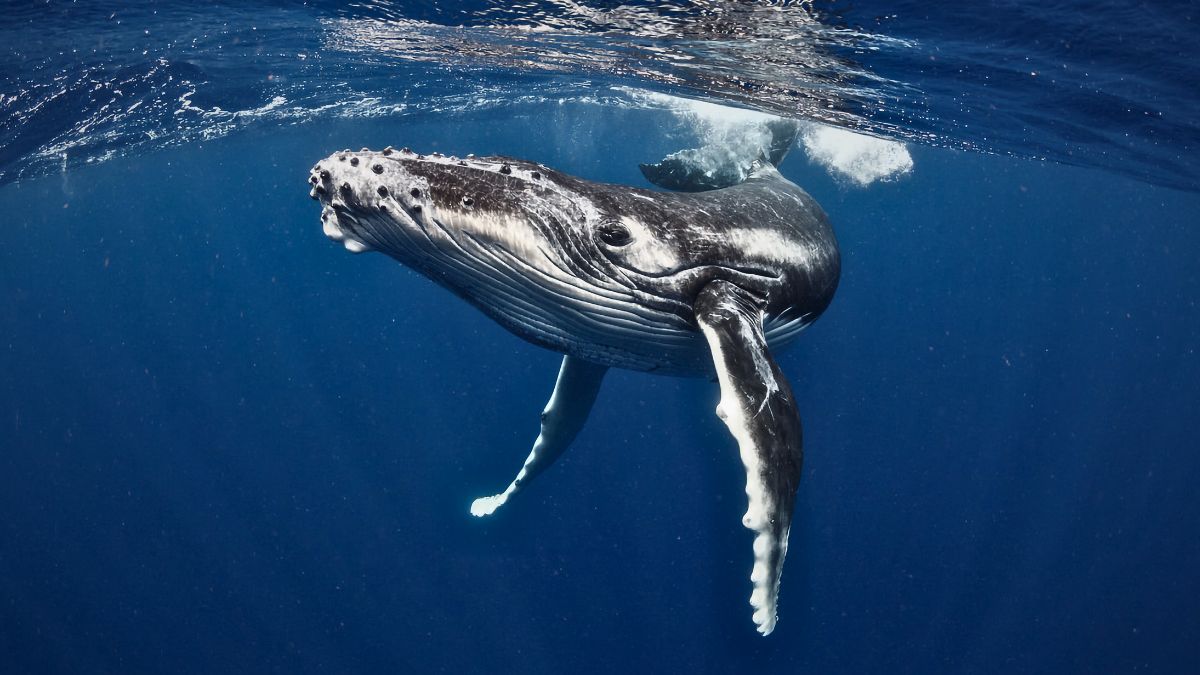
Costa Rica holds the distinction of having the world’s longest humpback whale season, thanks to two separate populations that migrate here at different times. Northern Hemisphere humpbacks visit December through April, while Southern Hemisphere humpbacks arrive July through November. This means roughly 8-9 months of the year offer whale watching potential during your boat ride.
During peak season months, sightings occur on 40-60% of departures. Watching a 40-ton humpback breach, tail slap, or simply surface to breathe just meters from your boat ranks among life’s most unforgettable wildlife experiences. Mothers with calves are sometimes spotted closer to shore in protected waters.
Spotted dolphins and bottlenose dolphins frequent these waters year-round. They’re playful, curious animals that often approach boats, swimming alongside and riding the bow wake. Some dolphins perform acrobatic leaps and spins, behavior marine biologists believe serves both communication and play purposes. Dolphin sightings occur on roughly 60-70% of trips, making them the most reliable marine wildlife encounter during your journey. Pods can range from just a few individuals to groups of 20 or more.
Both olive ridley and hawksbill sea turtles inhabit these waters. They surface periodically to breathe, and attentive boat crews sometimes spot them. Sightings are less common than dolphins but more frequent during nesting season, which runs July through December. Green sea turtles and occasional leatherbacks also transit through this area.
Brown pelicans are constant companions, often flying in formation alongside the boat. Magnificent frigatebirds soar overhead, their distinctive forked tails and crooked wings unmistakable. Brown boobies dive for fish. Your guide can identify different species and explain their behaviors and ecological roles. Serious birders should bring binoculars to spot rarer species.
It’s important to understand these are wild animals in their natural habitat, not zoo animals or trained performers. Some days you’ll encounter multiple species with extended viewing opportunities. Other days you’ll see very little. This unpredictability is part of what makes genuine wildlife experiences valuable. Your boat captain and guide maximize opportunities by slowing or stopping when sightings occur, always respecting required distance regulations to avoid disturbing the animals.
Fun Fact: Corcovado National Park was established in 1975 after intense conservation battles. Gold miners were extracting resources from what is now protected land. The government’s decision to create the park preserved the last significant tract of Pacific coastal primary rainforest in Central America.
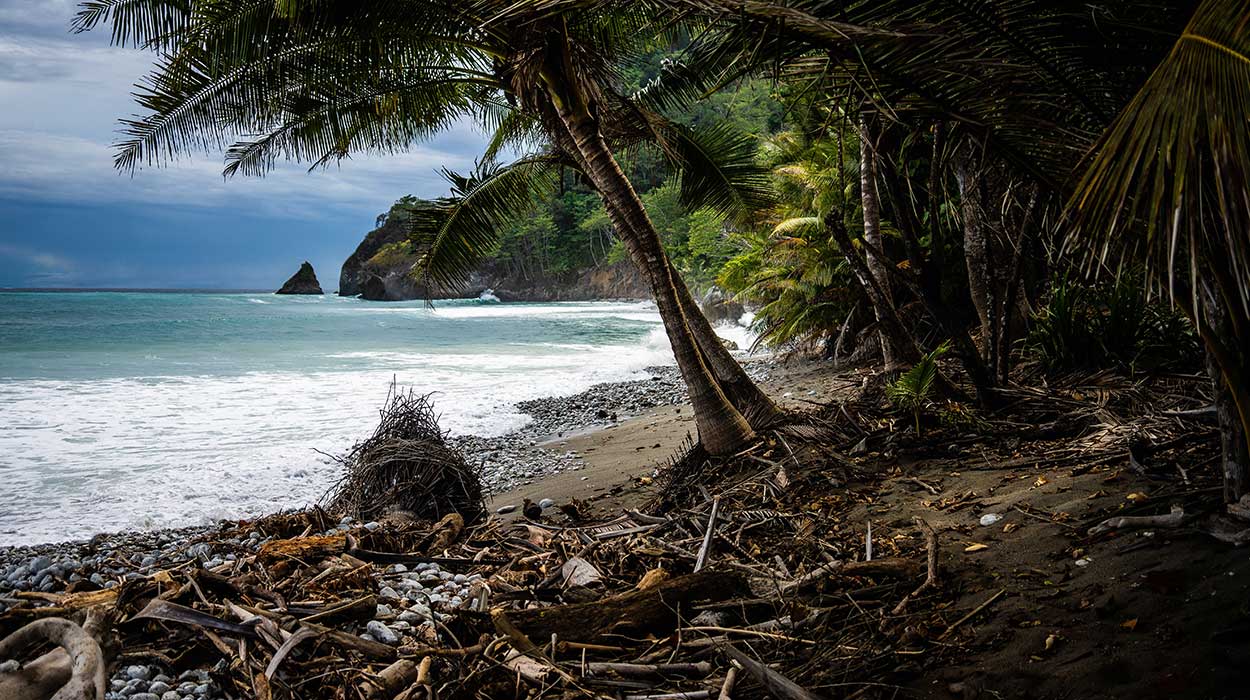
After 90 minutes on the water, your boat approaches a pristine beach backed by towering rainforest. This is San Pedrillo Station, Corcovado’s northern entrance and your gateway for the day.
San Pedrillo is the ideal access point for Uvita-based tours for several practical reasons. The trails are relatively flat and well-maintained, suitable for people with moderate fitness. You don’t need extreme hiking experience. The station has proper facilities including bathrooms and showers, unlike more primitive park areas. Most importantly, San Pedrillo provides excellent wildlife viewing and rainforest immersion without requiring overnight camping.
Upon arrival, you’ll wade to shore and walk to the ranger station. Your guide handles entrance formalities while you use facilities and prepare for hiking. Most operators provide a light snack here before starting the trails.
The hiking portion involves walking established trails through primary rainforest. This isn’t strenuous trekking, but requires moderate fitness and proper footwear.
El Pargo Trail is the main route for day visitors, running roughly 2 kilometers through dense rainforest to a beach. The trail is relatively flat with exposed roots and occasional mud. Your naturalist guide walks slowly, stopping frequently to spot wildlife and explain the ecosystem.
Weather and time permitting, many tours include a second shorter hike after lunch. La Catarata trail leads to a waterfall with swimming opportunities (dry season). These secondary hikes last 45 minutes to 1 hour.
Tours must depart San Pedrillo by 2:00-2:30 PM to safely return to Uvita before dark, so the second hike isn’t always possible.

You will see wildlife, but specific species depend on factors beyond anyone’s control. Your guide’s expertise dramatically improves sighting success.
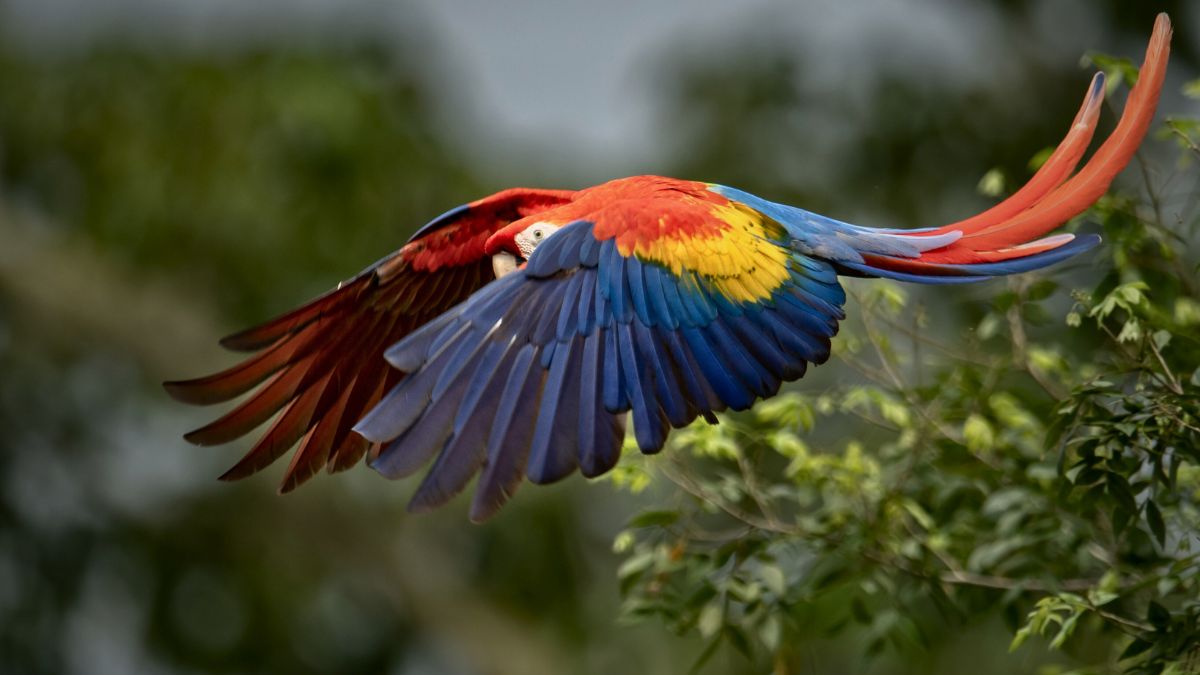
White-faced capuchin monkeys, howler monkeys, and numerous tropical bird species including toucans and trogons.
Three-toed sloths (60-70% of tours), coatis, agoutis, and Jesus Christ lizards.
Fun Fact: Corcovado protects the largest remaining tract of Pacific coastal primary rainforest in Central America. Primary forest means it has never been logged, giving it complex structure and biodiversity that takes centuries to develop.
Spider monkeys, tapir tracks, crocodiles, and anteaters.
Jaguars and pumas. These big cats are elusive, primarily nocturnal, and instinctively avoid humans. A sighting during a day tour would be extraordinarily rare.
Your guide doesn’t just point out animals. They reveal forest complexity, explaining ecological relationships from leaf-cutter ants to strangler figs. This context transforms the hike from simple sightseeing into genuine learning.
Dry Season (December-April): Most reliable weather with sunny days and minimal rain. Trails are drier. However, it’s peak tourist season so book several weeks ahead. Humpback whales from Northern Hemisphere visit during this period.
Green Season (May-November): Rain typically falls in afternoon storms, not all day. Morning tours often enjoy good weather. The forest is lush, temperatures slightly cooler, and fewer tourists. Southern Hemisphere humpback whales arrive July through November. Tours run year-round unless unsafe conditions occur.

Standard tours typically include: round-trip boat transport, park entrance fees ($15 per person), certified bilingual naturalist guide, lunch and snacks, safety equipment, first aid kit, and basic insurance. Prices range $150-225 per adult. Children usually pay 50-60% of adult rates.
Not included: hotel transportation (sometimes available for extra fee), tips for guide and boat captain, personal gear.
Most tours operate with 6-12 participants, which keeps costs reasonable while maintaining quality. Private tours cost 30-50% more but offer flexible scheduling and pace. Best for photographers, families with young children, or those wanting exclusive experiences.
Book 2-4 weeks ahead, especially December through March. When evaluating operators, look for certified naturalist guides, proper insurance, good safety equipment, and positive recent reviews. Ask about boat type (individual seats beat bench seating) and group size (6-12 is optimal).
Communicate dietary restrictions at booking time. Understand cancellation policies. Weather cancellations should offer refunds or rescheduling.
Did you know? Costa Rican law requires all Corcovado visitors to be accompanied by certified guides. You cannot enter independently, even if you’re an experienced hiker. This protects both the ecosystem and visitor safety.
This tour requires moderate fitness. You’ll hike 4-5 kilometers on uneven terrain, board boats through water, and spend 8-9 hours actively engaged. Participants should handle walking 2-3 miles in heat and humidity. Not wheelchair accessible.
Pregnant women should carefully consider the potentially bumpy boat ride. People with back problems should be aware of wave impacts during ocean transit. Most operators set minimum ages of 4-6 years for children.
Tours operate in various conditions, but operators cancel if seas are dangerous or severe weather threatens safety. Light rain doesn’t cancel tours (this is rainforest). Heavy rain with strong winds or lightning may result in cancellations or modified itineraries.
If weather cancels your tour, reputable operators offer full refunds or rescheduling. Build flexibility into your Uvita schedule if possible.
Maintain distance from animals. Stay quiet when wildlife is nearby. Never feed or touch wild animals. Follow your guide’s instructions immediately. Snakes exist, so watch where you step. Statistically you’re very safe following guide instructions.
Uvita saves 4-5 hours of driving each way compared to southern access points like Puerto Jiménez. The 90-minute boat journey is comfortable and offers marine wildlife viewing. Uvita has established tour infrastructure with multiple professional operators.
Moderate physical activity over 8-9 hours. You’ll hike 4-5 kilometers on mostly flat but uneven trails. Anyone with basic fitness who can walk 30-40 minutes continuously should manage fine.
Very low during a day tour, though not impossible. These big cats are elusive and primarily nocturnal. Set expectations on seeing monkeys, sloths, and birds. Big cat sightings would be extraordinarily fortunate.
No. Costa Rican law requires certified guides. You also need boat transportation, which only tour operators provide. Independent access to San Pedrillo from Uvita isn’t possible.
Two to four weeks ahead is ideal, especially December through March. Last-minute bookings are sometimes possible during slower periods.
Reputable operators offer full refunds or rescheduling if they cancel due to weather. You should never be financially responsible for operator-initiated cancellations.
This guide incorporates information from multiple authoritative sources on Corcovado National Park and Costa Rican conservation:
Author: Peter Sawicki
Peter Sawicki is a PADI instructor with many years of experience and hundreds of certified students to his name. He is a technical diver, cave explorer, and climbing instructor with a background that spans both big wall expeditions and demanding technical ice climbs. Recognized multiple times with the prestigious PADI Elite Instructor Award, Peter combines deep professional knowledge with a passion for sharing the world of adventure, both underwater and above it.