Uvita is a small coastal village on Costa Rica’s southern Pacific coast that has become one of the world’s premier whale watching destinations. Every year, thousands of humpback whales migrate through the warm waters of Marino Ballena National Park, creating one of nature’s most spectacular shows.
Whether you’re planning your first whale watching adventure or you’re a seasoned marine wildlife enthusiast, Uvita offers an intimate and responsible way to witness these gentle giants in their natural habitat. This guide covers everything you need to know about whale watching season, the best tours, and practical tips for making the most of your visit in 2026.
Uvita sits at the heart of Marino Ballena National Park, a protected marine area that spans over 13,000 acres of ocean and coastline. The park was established in 1990 specifically to protect the humpback whales, dolphins, sea turtles, and coral reefs that call these waters home.
The park’s most famous feature is the Whale Tail sandbar, a natural formation that extends into the ocean and creates a unique shape visible from above. This iconic landmark has become a symbol of Costa Rica’s commitment to marine conservation.
Did you know? Marino Ballena National Park is named after the Spanish word for whale. The park’s famous sandbar naturally forms the shape of a whale’s tail during low tide.
What makes Uvita truly special is its year-round whale watching opportunities. Unlike most destinations where you can only see whales during a single migration season, Uvita hosts two separate populations of humpback whales throughout the year. This gives visitors an extended window to witness these magnificent creatures.
The waters around Marino Ballena National Park are relatively calm and shallow, making them ideal nursing grounds for mother whales and their calves. You’ll often see whales breaching, tail slapping, and spy hopping close to shore. The warm tropical waters provide perfect conditions for newborn calves to gain strength before their long journey back to feeding grounds.
Local tour operators in Uvita have built a reputation for responsible whale watching practices. They follow strict guidelines to ensure minimal disturbance to marine life while providing visitors with unforgettable close encounters.
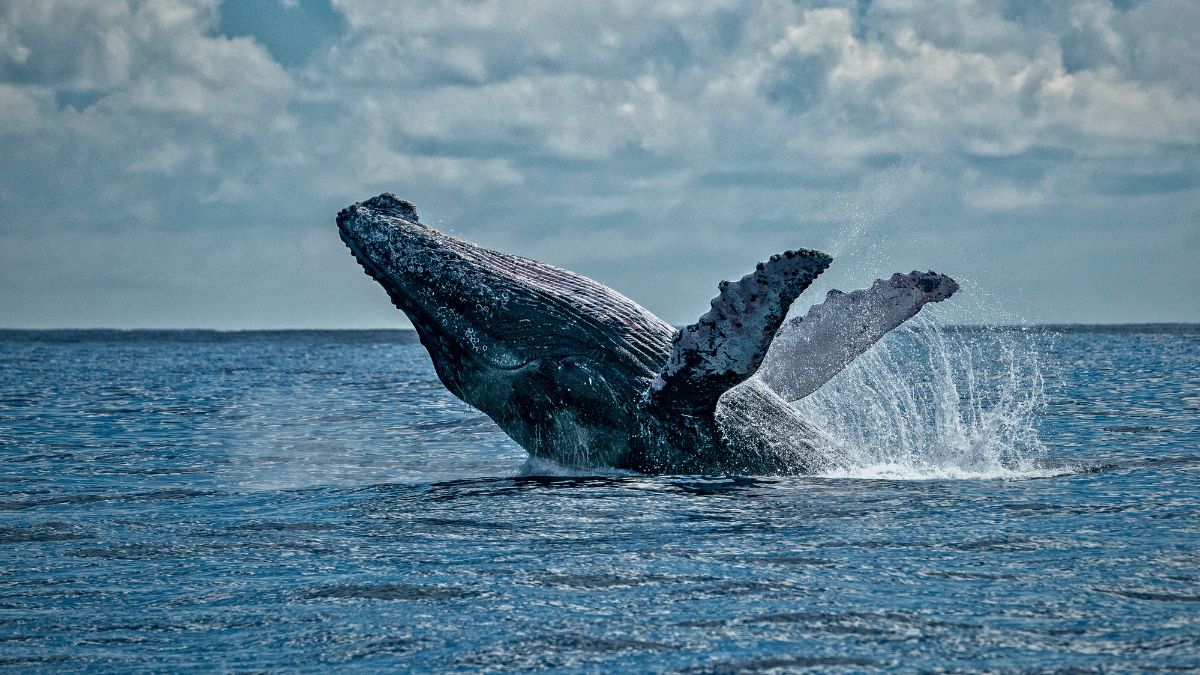
Uvita enjoys the longest whale watching season in the world thanks to two distinct humpback whale migrations that overlap for several months each year.
Humpback whales from California, Oregon, and Alaska travel south to the warm waters of Costa Rica to breed and give birth. This migration typically peaks in August and September when whale sightings are most frequent.
During these months, you’ll have the highest chances of seeing mothers with newborn calves. The whales stay in the area for several weeks, allowing multiple opportunities for observation.
Fun Fact: Humpback whales can hold their breath for up to 45 minutes, but they typically surface every 10 to 15 minutes to breathe. This makes them relatively easy to spot during tours.
A separate population of humpback whales migrates north from Antarctica and the southern tip of South America. This group arrives in Uvita around mid-December and stays through March, with peak activity in January and February.
The southern migration brings slightly larger numbers of whales, and the ocean conditions during these months are often calmer, which can make for more comfortable boat rides.
While whales are present from July through October and December through April, the absolute best times to visit are:
Peak northern migration with frequent sightings and active whale behavior
Peak southern migration with excellent weather and calm seas
During these peak months, tour operators report whale sighting success rates of over 90%. Outside peak times, sightings are still common but slightly less predictable.

Several reputable tour companies operate whale watching excursions from Uvita. Most tours depart directly from the beach at Marino Ballena National Park, which means no marina fees and easier access.
Standard whale watching tours in Uvita typically include:
3 to 4 hour boat excursions with experienced bilingual naturalist guides and small group sizes, usually 10 to 20 people. Tours provide safety equipment and life jackets, snorkeling opportunities at coral reefs, fresh fruit and beverages, and national park entrance fees.
Tour prices generally range from $75 to $120 per person depending on the company, boat type, and season. Private tours are also available at higher rates.
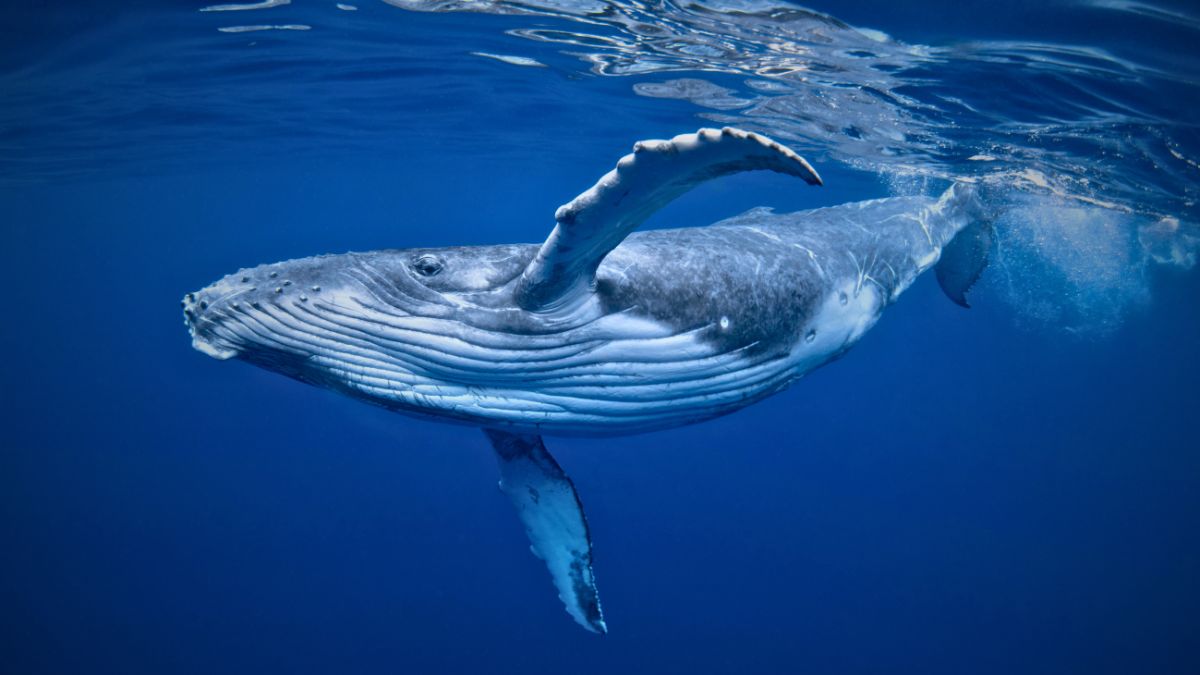
All legitimate tour operators in Uvita follow strict guidelines established by Costa Rican environmental authorities:
Boats must maintain a minimum distance of 100 meters from whales. Engines must be turned off or set to neutral when whales approach. No swimming with or touching whales is permitted. A maximum of three boats are allowed near a whale group at one time. Tours limit time spent with each whale group to 30 minutes.
These regulations protect the whales from stress and harassment while ensuring visitors can still enjoy meaningful wildlife encounters. Choosing a certified operator supports these conservation efforts and the local economy.
Your whale watching adventure begins early in the morning when tour operators pick you up from your hotel or meet you at Playa Uvita. Most tours depart between 7:00 and 8:00 AM to take advantage of calmer morning seas.
Did you know? Male humpback whales sing complex songs that can last up to 20 minutes and be heard up to 20 miles away. Scientists believe these songs are used to attract mates during breeding season.
Morning tours typically offer the best conditions. The ocean is usually calmest early in the day before afternoon winds pick up. Early light also creates better photography conditions.
Sea conditions vary throughout the year. The December to April season generally has calmer waters and better visibility. July to October can bring occasional afternoon rain showers, but these rarely interfere with morning tours.
Proper preparation ensures a comfortable and enjoyable experience:
What to Wear: Light, quick-drying clothes, swimsuit underneath, wide-brimmed hat, and sunglasses with a retaining strap.
What to Bring: Waterproof camera or phone case, reef-safe sunscreen (chemical sunscreens damage coral reefs), towel, and light rain jacket.

Motion Sickness: If you’re prone to seasickness, take medication 30 minutes before departure. Ginger candies and acupressure wristbands can also help. Stay hydrated and focus on the horizon if you feel queasy.
Photography Tips: Keep your camera ready at all times. Whales can surface unexpectedly anywhere around the boat. Use a fast shutter speed to freeze action during breaches. Waterproof camera housings protect equipment from spray.
Most tours include a snorkeling stop at nearby coral reefs or around the Whale Tail formation. The water here is typically 78 to 82 degrees Fahrenheit, warm enough that wetsuits are optional.
Uvita offers plenty of activities to complement your whale watching adventure and create a well-rounded Costa Rican experience.
At low tide, you can walk out onto the famous Whale Tail sandbar. Check tide charts before visiting as the formation is only accessible for a few hours each day. The walk offers stunning views and excellent photo opportunities.
Several beautiful waterfalls lie within 30 minutes of Uvita. Nauyaca Waterfalls features two impressive tiers and natural swimming pools. Uvita Waterfall is smaller but easily accessible and less crowded.
The coral reefs around Marino Ballena and nearby Caño Island offer world-class snorkeling and diving. You’ll see colorful tropical fish, sea turtles, rays, and occasionally reef sharks. Many dive shops offer trips to Caño Island, which is considered one of Costa Rica’s best dive sites.
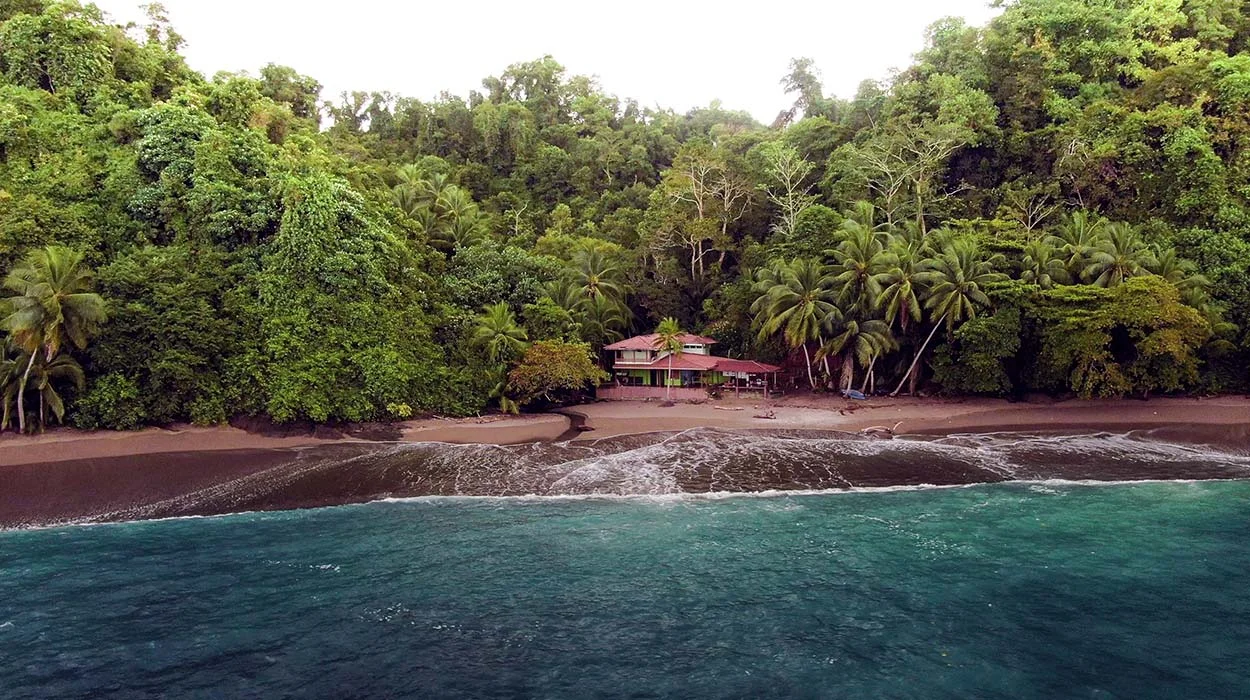
Beyond Playa Uvita, the area features several beautiful beaches. Playa Hermosa lives up to its name (Beautiful Beach) with soft sand and minimal crowds. Playa Ventanas features sea caves that you can explore at low tide.
The rainforests surrounding Uvita are home to sloths, monkeys, toucans, and scarlet macaws. Several nature reserves offer guided hikes where you can spot these animals in their natural habitat.
Uvita is located about 170 kilometers (105 miles) south of San José, Costa Rica’s capital. The drive takes approximately 4 to 5 hours depending on traffic and road conditions.
The most scenic route follows the Costanera Sur coastal highway from Dominical to Uvita. This road hugs the coastline and offers spectacular ocean views. Rental cars give you the most flexibility for exploring the area.
Public buses run daily between San José and Uvita through the Tracopa bus line. The journey takes about 6 hours and costs around $10. Buses also connect Uvita with nearby towns like Quepos, Dominical, and Ojochal.
Private shuttle services offer door-to-door transportation from San José, Jaco, Manuel Antonio, and other tourist areas. These cost more than buses but provide comfort and convenience.
Fun Fact: Costa Rica is one of only five Blue Zones in the world, regions where people live significantly longer than average. The local diet rich in fresh fruits, vegetables, and beans contributes to this longevity.
Uvita offers accommodation options for every budget:
Hostels and basic cabinas start around $20 to $40 per night. Many offer shared kitchens and social atmospheres perfect for solo travelers.
Read more: Budget Stays in Uvita: Hostels & Cheap Hotels
Comfortable hotels and boutique lodges with pools and ocean views range from $80 to $150 per night.
Read more: Where to Stay in Uvita: Best Hotels & Areas
High-end eco-lodges and oceanfront villas with private pools and full amenities start around $200 per night.
Read more: 7 Best Luxury Hotels & Resorts in Uvita
Many accommodations are located in the hills above Uvita, offering jungle settings with howler monkey wake-up calls and panoramic ocean views.
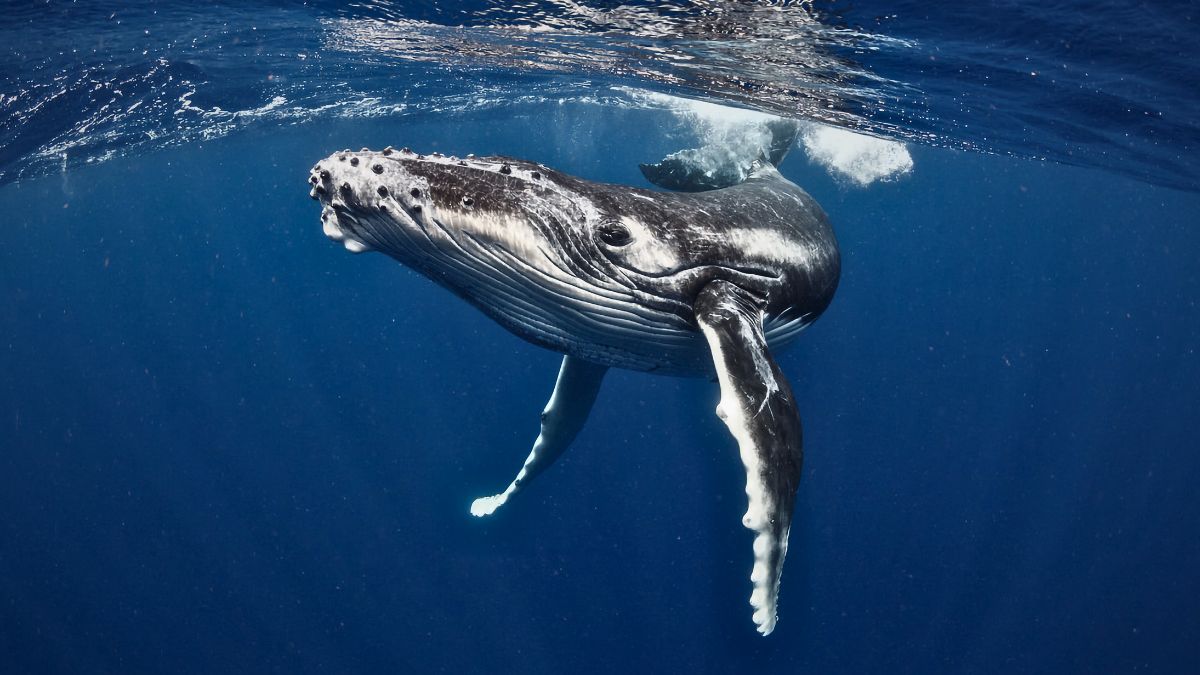
Beyond whale watching, several operators offer additional eco-tourism experiences:
Canopy tours and zip-lining through the rainforest canopy provide thrilling perspectives of the jungle ecosystem. Waterfall rappelling adventures combine adrenaline with natural beauty. Kayaking tours through mangrove estuaries offer peaceful wildlife watching opportunities.
Look for operators certified by the Costa Rican Tourism Board (ICT) and those who demonstrate commitment to sustainable tourism practices.
The best months are August and September during the northern migration, and January and February during the southern migration. These periods offer the highest whale sighting rates, often exceeding 90% success. However, whales are present from July through October and December through April, giving you extended opportunities throughout the year.
Yes, whale watching in Uvita is generally safe for children of all ages. Tour operators provide life jackets in all sizes and experienced guides prioritize safety. The tours last 3 to 4 hours, so consider your child’s attention span and ability to sit still. Most companies recommend whale watching for children ages 4 and up. If your child is prone to motion sickness, give them medication before the tour.
No, swimming with whales is not permitted in Costa Rica. Regulations require boats to maintain a minimum distance of 100 meters from whales to protect both the animals and visitors. These rules ensure whales can nurse, rest, and socialize without human interference. Reputable tour operators strictly follow these guidelines. You can still get incredible views and photographs from the boat.
While whale sightings are very common during peak season, they’re never guaranteed in wildlife watching. Most reputable companies offer alternative viewing opportunities for dolphins, sea turtles, and other marine life. Some operators provide discounted or free return trips if no whales are spotted, though policies vary by company. Check the refund policy before booking.
Costa Rican law requires boats to stay at least 100 meters (about 328 feet) away from whales. However, curious whales often approach boats on their own, sometimes coming within just a few meters. When this happens, boat engines must be turned off or put in neutral until the whales move away. This creates incredible viewing opportunities while respecting the animals’ space.
During peak season (August to September and January to February), it’s highly recommended to book at least a few days in advance, especially for weekend tours. Outside peak times, you can often book the day before or even the morning of your tour. Booking online in advance typically gives you better rates and guarantees your spot on popular tours.
Morning tours generally offer better conditions. The ocean is typically calmer before afternoon winds develop, reducing boat movement and seasickness risk. Morning light also creates better photography conditions. Whales can be active at any time of day, but guides report more consistent sightings during morning hours. Most operators only offer morning departures for these reasons.
Uvita offers an extraordinary opportunity to witness humpback whales in one of the world’s most beautiful and well-protected marine environments. With nearly year-round whale watching opportunities, responsible tour operators, and stunning natural surroundings, Marino Ballena National Park has earned its reputation as Costa Rica’s whale watching capital.
Whether you visit during the northern migration in August and September or the southern migration in January and February, you’re almost guaranteed to see these magnificent creatures breaching, tail slapping, and caring for their calves in the warm Pacific waters.
Book your Uvita whale tour now and experience Costa Rica’s ocean giants up close! Choose a certified eco-tourism operator, pack your camera, and prepare for one of the most memorable wildlife encounters of your life.

Author: Peter Sawicki
Peter Sawicki is a PADI instructor with many years of experience and hundreds of certified students to his name. He is a technical diver, cave explorer, and climbing instructor with a background that spans both big wall expeditions and demanding technical ice climbs. Recognized multiple times with the prestigious PADI Elite Instructor Award, Peter combines deep professional knowledge with a passion for sharing the world of adventure, both underwater and above it.