Winter is approaching, and the cold air is settling in. Many people start dreaming of escape routes to warmer climates. If you’re tired of the usual ski slopes and holiday lights, I have a better suggestion: Costa Rica.
This Central American gem offers lush rainforests, pristine beaches, and biodiversity that will blow your mind. But here’s what makes it special for winter travelers: when it’s freezing in the Northern Hemisphere, Costa Rica experiences its dry season. That means sunny days, clear skies, and comfortable temperatures.
I’ve spent years exploring Costa Rica during these months, and I can tell you it’s hard to beat. Whether you crave adrenaline, nature immersion, or peaceful beach time, Costa Rica delivers during winter months.
Why Does Winter in Costa Rica Feel Like Summer?
What Do the Seasons Mean in Costa Rica?
Costa Rica operates on a different seasonal schedule than North America or Europe. Forget spring, summer, fall, and winter. Here, there are two seasons: dry and green.
The dry season runs from December to April. Costa Ricans call this “verano” or summer. Rainfall drops to almost nothing, skies stay clear, and temperatures remain warm. The green season spans May to November, known as “invierno” or winter. This period brings frequent rain and lush vegetation.
So when you’re scraping ice off your windshield at home, Costa Rica is enjoying its finest weather. The timing works out beautifully.
Did you know? Costa Rica is home to over 500,000 species of animals, representing nearly 5% of the world’s total biodiversity, despite covering only 0.03% of the Earth’s surface!
What Is the Weather Like From December to April?
Costa Rica’s winter weather is what most people would call perfect. Temperatures range from 75°F to 90°F (24°C to 32°C), depending on where you are and the elevation. Expect clear blue skies, minimal rain, and abundant sunshine.
The dry season creates stable conditions. You won’t worry about sudden storms washing out your plans. Trails stay accessible, visibility improves for diving and snorkeling, and wildlife viewing gets easier.
Which Regions Have the Best Weather in Winter in Costa Rica?
Pacific Coast Weather
The Pacific Coast gets the driest conditions during winter. Guanacaste and the Central Pacific regions see very little rain from December through April. Temperatures hover around 85-90°F with constant sunshine. Beach days are virtually guaranteed.
Caribbean Coast Weather
The Caribbean side receives more rainfall year-round, though winter is still pleasant. The atmosphere here leans more laid-back with lush tropical surroundings. Rain showers tend to be brief and refreshing rather than day-ruining.
Mountain Region Weather
The Central Valley and mountainous areas stay cooler at 65-75°F. These higher elevations provide relief from coastal heat. Cloud forests thrive in these conditions, making winter ideal for mountain exploration.

What Are the Christmas Traditions in Costa Rica?
Festival de la Luz
Christmas season kicks off with the Festival de la Luz in early December. San José transforms into a spectacle of lights, elaborate floats, and marching bands. Thousands gather to watch the parade wind through the capital’s streets.
Nativity Scenes and Holiday Decorations
Walk through any Costa Rican town in December and you’ll see “portales” everywhere. These aren’t simple displays. Families create elaborate miniature worlds with tropical plants, tiny houses, waterfalls, and entire villages. It’s a competition of creativity and craftsmanship.
Christmas Eve Celebrations
December 24th, Nochebuena, is when families come together. Large dinners feature tamales (corn dough wrapped in banana leaves), rompope (think eggnog but better), and sweet breads. Midnight church services, called Misa de Gallo, draw communities together.
The Tope Horse Parade
December 26th brings the Tope, one of my favorite traditions. Thousands of horses and riders parade through San José in a colorful celebration of Costa Rican culture and horsemanship. The sound of hooves on pavement and the sight of decorated horses is unforgettable.

What Happens During New Year’s Eve in Costa Rica?
Año Viejo Traditions
New Year’s Eve gets wild in Costa Rica. Families create life-sized dolls called “año viejo” representing the old year. At midnight, they stuff these figures with fireworks and burn them. It symbolizes leaving the past year’s troubles behind. The explosions and fires light up neighborhoods everywhere.
Fireworks and Celebrations
Midnight brings fireworks across the entire country. And I mean everywhere, from tiny beach towns to the capital. Beach communities host massive parties with live music and dancing. The waves provide a soundtrack to the celebrations.
New Year Superstitions
Costa Ricans practice some quirky New Year customs. Many eat 12 grapes at midnight for good luck in each coming month. Others run around the block with suitcases if they want to travel more. Yellow underwear supposedly brings prosperity. I’ve seen all of these traditions in action.
Which January Festivals Should You Experience?
Fiestas de Palmares runs from late December through mid-January. This two-week party features concerts, carnival rides, and Costa Rican-style bullfights where the bull is never harmed. It’s part festival, part carnival, and completely fun.
Fiesta de los Diablitos happens in early January near San Isidro. This indigenous celebration reenacts the Spanish conquest through traditional dances. Performers wear devil masks and costumes in a fascinating cultural display.
What Are the Best Beach Activities During Winter in Costa Rica?
Which Pacific Coast Beaches Should You Visit?
Northern Pacific Beaches
Guanacaste offers the driest winter weather on any coast. Tamarindo brings excellent surfing and lively nightlife. Playa Flamingo has calm waters great for swimming. Playa Conchal features white sand that seems endless. These beaches get the most sun with the least rain.
Central Pacific Beaches
Manuel Antonio combines beaches with rainforest in its famous national park. Jacó attracts surfers and party-goers with consistent waves and active beach culture. Herradura caters to upscale travelers with marinas and luxury resorts.
Southern Pacific Beaches
Uvita features the whale’s tail sandbar that appears at low tide in Marino Ballena National Park. Dominical draws serious surfers with powerful waves and a bohemian atmosphere. Drake Bay offers remote beauty and access to pristine wilderness areas.

Should You Visit the Caribbean Coast in Winter?
The Caribbean Coast provides something completely different. Puerto Viejo and Cahuita showcase Afro-Caribbean culture, reggae rhythms, and a relaxed vibe you won’t find on the Pacific side. The beaches have darker sand, nearby coral reefs, and calmer waters.
Yes, the Caribbean gets more rain than the Pacific during winter. But the showers are usually brief, and the cultural experience alone makes it worthwhile. You’ll hear English spoken with a Caribbean accent, taste jerk chicken and coconut rice, and experience a unique cultural blend.
The crowds are smaller here too. You’ll have more authentic interactions with locals and a slower pace that truly feels like vacation.
What Water Activities Can You Enjoy during Winter in Costa Rica?
Swimming and Snorkeling in Costa Rica
Winter’s calm seas create ideal swimming conditions. Water temperatures stay around 80°F year-round, no wetsuit needed unless you’re diving deep. Visibility improves dramatically during the dry season, making snorkeling spectacular. Coral reefs and rocky areas team with colorful fish.
Surfing in Costa Rica
Surfing stays consistent throughout winter on both coasts. The Pacific offers waves for every level, from mellow beach breaks for beginners to powerful reef breaks for experts. Surf schools operate everywhere, and board rentals are easy to find.
Sport Fishing in Costa Rica
Winter marks peak season for sport fishing. The Pacific waters explode with marlin, sailfish, tuna, and dorado. Charter companies offer half-day and full-day trips. Even beginners land impressive catches during this season.
Diving and Other Water Sports
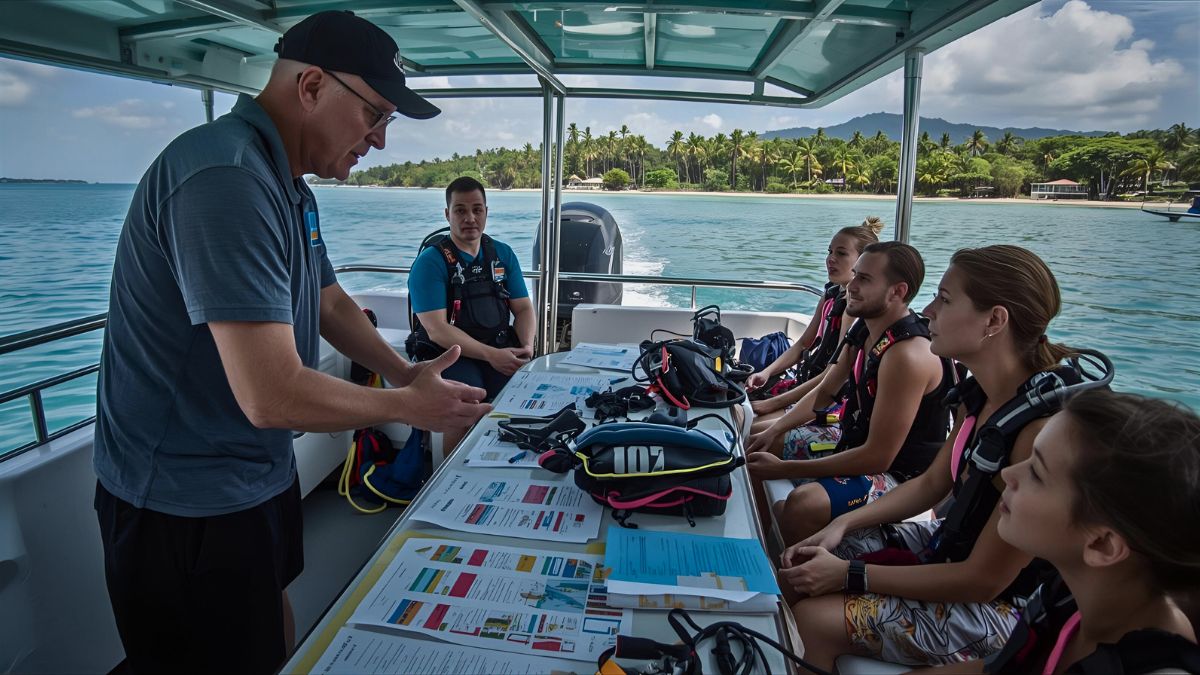
Scuba diving reaches its best conditions in winter. Reduced rainfall means clearer water and better visibility for spotting marine life. Kayaking and paddleboarding work beautifully in calm winter waters, whether you’re exploring coastlines or gliding through mangrove channels.

What Activities Can You Experience in Winter in Costa Rica?
Where Can You Explore Volcanoes and Hot Springs?
Arenal Volcano National Park
Arenal stands as one of Costa Rica’s most recognizable landmarks. The volcano has been dormant since 2010, but the area remains spectacular. Hiking trails wind through rainforest with the massive volcanic cone towering above you.
After hiking, soak in natural hot springs heated by geothermal activity. Resorts and public facilities offer thermal pools at different temperatures, all surrounded by tropical gardens. Few experiences beat soaking in hot springs under the stars.
Other Volcano Destinations
Poás Volcano features one of the world’s largest active craters. On clear winter mornings, you can look straight into the steaming crater and see its turquoise acidic lake. The landscape feels otherworldly.
Irazú Volcano sits at Costa Rica’s highest point. On exceptionally clear days, you can see both the Pacific Ocean and Caribbean Sea from the summit. Winter’s dry season offers your best shot at these views.
Why Is Winter Perfect for Cloud Forest Exploration?
Monteverde Cloud Forest Reserve
Monteverde maintains its misty, magical atmosphere year-round. But winter brings slightly clearer trails and improved wildlife viewing. The cloud forest during dry season offers the best of both worlds, mystical clouds with accessible paths.
Ziplining and Canopy Tours
Ziplining through Monteverde’s canopy is thrilling. You’ll fly above the treetops, sometimes above the clouds themselves. Multiple tour companies offer different experiences, from relaxed canopy tours to extreme high-speed lines.
Wildlife Watching in the Cloud Forest
The resplendent quetzal, one of the world’s most beautiful birds, breeds during winter months. Your chances of spotting one improve significantly. Howler monkeys, sloths, and hundreds of bird species become easier to observe when trails are drier and visibility better.

What Other Adventures Await?
White-water rafting thrives in winter. The Pacuare River offers Class III-IV rapids through pristine rainforest canyon. The Sarapiquí River provides gentler Class II-III rapids suitable for families. Both rivers run at ideal levels during the dry season.
Canyoning lets you rappel down waterfalls and explore hidden canyons. Winter ensures safer conditions while maintaining beautiful flowing water. ATV tours take you through jungle trails with far less mud than rainy season. Horseback riding through forests and along beaches provides a traditional way to explore the countryside.
How Can You Experience Wildlife During Winter?
Which National Parks Are Best for Winter Visits?
Manuel Antonio National Park
Manuel Antonio combines beaches with biodiversity. Dry season makes all trails easily accessible. Wildlife congregates around remaining water sources, making animals easier to spot. White-faced capuchin monkeys, three-toed sloths, iguanas, and colorful birds are almost guaranteed sightings.
Corcovado National Park
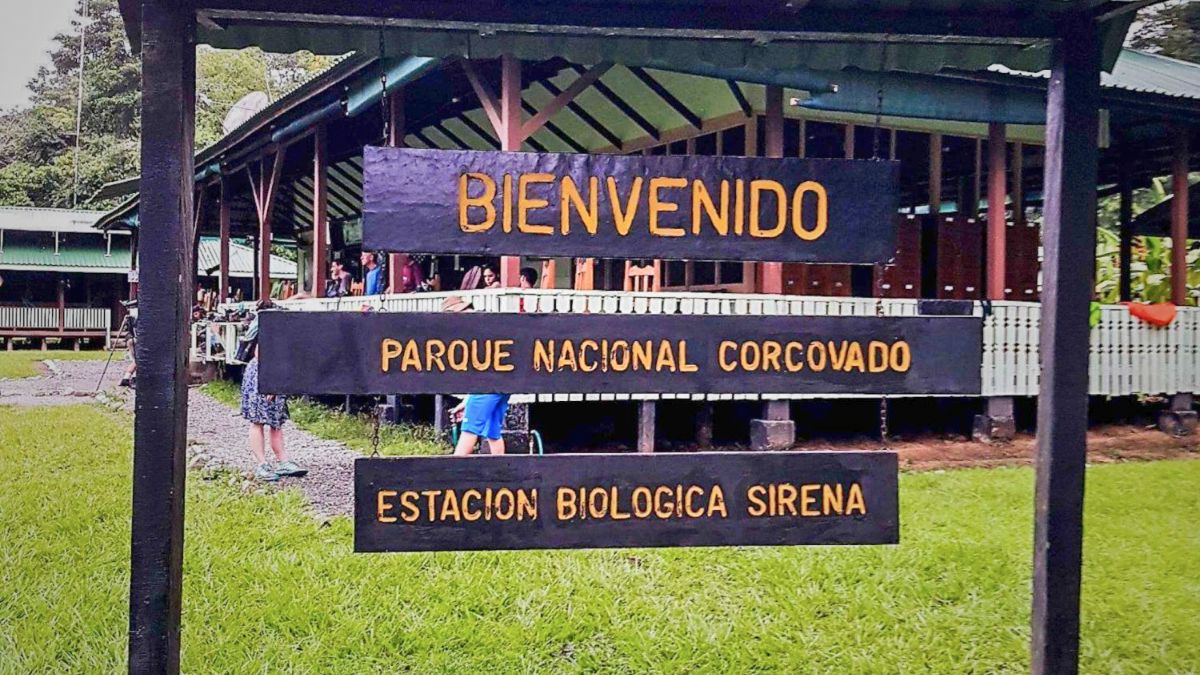
Corcovado on the Osa Peninsula ranks among the most biologically intense places on Earth. Dry season is the only time many areas open to visitors. Wet season flooding makes trails impassable.
This remote park offers your best chances of seeing tapirs, jaguars, scarlet macaws, and all four Costa Rican monkey species. It’s not easy to reach, but it’s worth every bit of effort.
Tortuguero and Cahuita
Tortuguero’s canal system winds through dense rainforest accessible only by boat. You’ll see incredible bird diversity, caimans lounging on banks, monkeys swinging through trees, and river otters playing. Cahuita combines rainforest trails with coral reef snorkeling opportunities.
What Animals Will You See in Winter?
Costa Rica hosts four monkey species. White-faced capuchins are playful and curious, often approaching humans. Howler monkeys create booming vocalizations that echo through forests. Spider monkeys swing gracefully through canopies. Squirrel monkeys, the tiniest, live mainly in Manuel Antonio and the Osa Peninsula.
Sloths hang motionless in trees throughout the country. Winter’s clearer skies make them easier to spot against the canopy. Both two-toed and three-toed species live here, moving at their famously slow pace.
Over 900 bird species have been recorded in Costa Rica. Toucans with enormous colorful beaks, scarlet macaws flying in bonded pairs, motmots with distinctive pendulum tails, and dozens of hummingbird species are common. The resplendent quetzal, with its long tail feathers and iridescent green plumage, can be spotted in cloud forests.
Marine life thrives in winter waters. Dolphins regularly swim alongside boats. Sea turtles glide through coastal areas. Manta rays and various other ray species inhabit sandy bottoms. Reef fish in every imaginable color dart around coral formations.
Is Winter Good for Whale Watching?
December through March marks peak humpback whale season. Costa Rica experiences something unique: two different whale populations visit. Northern Hemisphere humpbacks migrate from California and Alaska. Southern Hemisphere whales travel from Antarctica and Chile. This creates one of the longest whale seasons worldwide.
The best whale watching happens along the Pacific coast around Marino Ballena National Park (the name literally means Marine Whale National Park), Drake Bay, and the Osa Peninsula. Tour operators offer dedicated whale watching trips.
Watching a 40-ton whale launch itself completely out of the water is breathtaking. You might see breaching, tail slapping, and if you’re lucky, mothers with newborn calves. The calm winter seas make boat trips comfortable and sightings more likely.
Did you know? Costa Rica was the first Central American country to establish a coffee industry. By the 1820s, coffee had become the country’s primary export, funding much of the nation’s early infrastructure!
What Cultural Experiences Should You Not Miss?
How Can You Connect with Local Culture?
Local Markets and Shopping
Farmers markets called “ferias del agricultor” happen weekly in towns throughout Costa Rica. Locals shop here for fresh produce, traditional foods, and household goods. You’ll find tropical fruits you’ve never seen before, fresh vegetables, homemade cheeses, and friendly vendors happy to explain their products.
Understanding Pura Vida
Pura Vida” translates to “pure life,” but it means so much more. It’s hello, goodbye, how are you, I’m doing well, no worries, and everything’s good all rolled into one phrase. More importantly, it represents the Costa Rican philosophy: relaxed, optimistic, and appreciative of life’s simple pleasures.
You’ll hear it constantly. A taxi driver stuck in traffic? “Pura vida.” Someone asks how your day is going? “Pura vida.” It reflects how Costa Ricans approach life with contentment and positivity.
Meeting Locals
Costa Ricans, called ticos, are genuinely friendly and welcoming. Strike up conversations, ask for recommendations, and you’ll often receive invitations to local events or family gatherings. Learning basic Spanish phrases enhances your experience tremendously, though many ticos speak some English in tourist areas.
What Traditional Foods Should You Try?
Gallo Pinto
Gallo pinto forms the foundation of Costa Rican breakfast. This mixture of rice and black beans gets seasoned with onions, peppers, and Salsa Lizano (a local condiment everyone uses). It’s typically served with eggs, cheese, and tortillas. Simple, filling, and delicious. Each region claims their recipe is the authentic version.

Casado
The casado represents a typical Costa Rican lunch. This plate includes rice, beans, your choice of protein (chicken, fish, pork, or beef), plantains, and salad. The name means “married,” referring to how all the elements come together in harmony. You’ll find casados at sodas (small local restaurants) everywhere. They’re affordable, nutritious, and satisfying.
Holiday Specialties
Tamales become especially important during Christmas season. These packets of corn dough filled with pork or chicken get wrapped in banana leaves and steamed for hours. Making tamales is a labor of love that families do together. Sharing tamales during the holidays is a cherished tradition.
Ceviche showcases Costa Rica’s fresh seafood. Raw fish “cooked” in citrus juice gets mixed with onions, peppers, and cilantro. Coastal areas serve the freshest versions, often made that morning. It’s refreshing and perfect for hot beach days.
Fresh tropical fruits are abundant and incredibly cheap. Mangoes, papayas, pineapples, passionfruit, and dozens of other fruits are available at markets and roadside stands. The flavor of fruit picked ripe is incomparable to imported fruit back home.
Which Coffee Experiences Are Available?
Coffee harvest season runs from December through February, aligning perfectly with winter travel. This timing offers unique opportunities to experience Costa Rica’s coffee culture firsthand.
Coffee plantation tours operate throughout the Central Valley and mountainous regions. These tours explain the entire process from plant to cup: growing, picking, processing, roasting, and brewing. Most include tastings where you learn to identify flavor notes and quality differences.
During harvest season, you’ll see coffee pickers working hillside plantations with large baskets. Some farms let visitors try picking coffee themselves, it’s much harder than it looks. Workers must select only ripe red cherries while leaving unripe ones for later harvesting.
Costa Rican coffee is world-renowned for good reason. The combination of ideal elevation, volcanic soil, and climate creates distinctive flavors sought by coffee lovers worldwide.
When Is the Best Time Within Winter to Visit Costa Rica?
Costa Rica in December
December brings holiday magic with Christmas celebrations and New Year’s parties throughout the country. However, this is peak season. Expect higher prices and larger crowds, especially during the weeks surrounding Christmas and New Year. If you’re planning December travel, book accommodations and popular tours at least three months ahead.
Costa Rica in January
January offers excellent value for winter travel. The post-holiday period sees slightly fewer tourists, but weather remains stellar. January festivals like Fiestas de Palmares and Fiesta de los Diablitos add cultural richness. Prices drop slightly after New Year’s week, and availability improves.
Costa Rica in February
February represents what many consider peak perfection. Weather is ideal with virtually no rain. Temperatures are comfortable, and tourist numbers decrease slightly after holiday periods. It’s an excellent month for every outdoor activity. The only consideration is spring break timing toward month’s end.
Costa Rica in March and April
March continues the excellent weather while seeing fewer visitors mid-month. Temperatures warm slightly, but conditions remain beautiful for all activities. March offers some of the best value within dry season.
April marks the transition toward rainy season. Early April still enjoys dry season conditions, but by month’s end, you might experience afternoon showers. Prices drop, crowds thin out, and you can find excellent deals. The landscape begins turning greener, and it’s still a wonderful time to visit if you don’t mind occasional rain.
What Should You Pack for Winter in Costa Rica?
Pack light, breathable clothing: shorts, t-shirts, tank tops, and light pants for everyday wear. Bring a light long-sleeve shirt for sun protection and air-conditioned spaces. If visiting mountainous areas like Monteverde, pack a light jacket for cooler evenings.
Sunscreen is non-negotiable. The tropical sun is intense, and you’ll burn quickly without protection. Bring high SPF sunscreen and reapply frequently, especially after swimming. Sun hats, sunglasses, and SPF lip balm are also important.
A light rain jacket or poncho is worth packing even during dry season. Brief afternoon showers occasionally happen, and mountainous regions see more moisture. A packable rain jacket takes minimal space.
Comfortable walking shoes are necessary for trails and exploring. Sandals work for beaches and casual wear, but bring good athletic shoes or hiking boots for national parks and adventure activities. Water shoes help on rocky beaches and river crossings.
Bring at least two swimsuits so one can dry while wearing the other. A rash guard provides sun protection for extended water time. You’ll spend considerable time in water, so prioritize swim gear.
How Far in Advance Should You Book?
For December and holiday periods, book at least three months in advance. Popular places sell out quickly during Christmas and New Year. January through April generally requires 6-8 weeks advance booking for best selection and rates.
Popular tours and activities, especially those with limited capacity like certain national park visits or specialized adventures, should be reserved 2-4 weeks ahead during peak season. Some activities have flexible availability, but booking ahead ensures your preferred dates and times.
Flight booking follows typical patterns: booking 2-3 months in advance usually yields the best prices for winter travel. Watch for deals, but don’t wait too long during peak season as prices rise and options narrow.
Holiday period premium pricing applies roughly December 20-January 5. Expect significantly higher accommodation costs during this window. If your travel dates are flexible, arriving just after New Year or visiting in January-February offers much better value.
How Do You Get Around Costa Rica?
Airports and Arrival
Two international airports serve Costa Rica. Juan Santamaría International Airport (SJO) near San José handles most international flights. Liberia’s Daniel Oduber Quirós International Airport (LIR) serves the Guanacaste region and northern Pacific coast. Choosing your arrival airport based on your itinerary can save considerable travel time.
Transportation Options
Rental cars offer maximum flexibility for exploring. Roads are generally good during dry season, though some remote areas require 4WD vehicles. Driving is fairly straightforward, though mountain roads can be winding and slow. GPS or a good map app is essential. Insurance is mandatory and adds to rental costs.
Shuttle services connect major tourist destinations. Private and shared shuttles run scheduled routes between popular areas like San José, Arenal, Monteverde, Manuel Antonio, and beach towns. These are convenient, comfortable, and reasonably priced. Booking through your hotel or online platforms is easy.
Domestic flights save time when covering long distances. SANSA and Skyway offer short flights between San José and coastal destinations. While more expensive than ground transportation, flights can save 6-8 hours of driving on some routes.
Public buses reach virtually everywhere and cost very little. However, they’re slower and less comfortable than other options. For budget travelers, the public bus system works well, though you’ll need flexibility with timing and some Spanish helps.
Why Choose Costa Rica for Your Winter Vacation?
Costa Rica combines everything you want in a winter escape. The weather delivers reliable sunshine when you need it most. While much of the world shivers through cold months, Costa Rica guarantees beautiful conditions from December through April.
The biodiversity is staggering for such a small country. You can see more wildlife in one week here than many people see in a lifetime elsewhere. From monkeys swinging through trees to whales breaching offshore, from tiny poison dart frogs to massive sea turtles, Costa Rica brings you face-to-face with nature in extraordinary ways.
Costa Rica during Winter
Cultural richness adds depth beyond natural beauty. Christmas celebrations, New Year traditions, January festivals, and coffee harvest create authentic experiences you won’t find anywhere else. The “Pura Vida” philosophy welcomes you into a culture that values happiness, community, and living in the moment.
Adventure opportunities are limitless. Zipline through cloud forests, surf world-class waves, dive with manta rays, raft down jungle rivers, or simply relax on pristine beaches. You can make your trip as adventurous or as relaxing as you desire. Mix activities to suit your mood.
Compared to other winter destinations, Costa Rica offers solid value. While December holiday pricing runs high, the rest of winter season provides reasonable costs for accommodations, food, and activities. Your money stretches further than Caribbean islands or popular Mexican resorts while offering more diverse experiences.
Spend your Christmas in the tropics
The country is remarkably accessible. Direct flights from major North American and European cities make getting here easy. The compact size means you can experience multiple ecosystems and activities without spending your entire vacation in transit. You might start on the beach, move to cloud forests, explore volcanoes, and end at another beach, all within a week.
Costa Rica has protected 25% of its land while building excellent tourism infrastructure. You’ll find comfortable accommodations, professional tour operators, and well-maintained parks and trails. Yet nature remains pristine, ensuring these experiences will be available for generations.
Winter in Costa Rica isn’t really winter at all. It’s paradise. While friends back home scrape ice off windshields and layer on clothes, you could be swimming in warm ocean waters, hiking through rainforests in shorts and a t-shirt, or sipping fresh coconut water on a sun-drenched beach.
Start planning now, especially if you’re considering December or January travel. Your perfect winter vacation awaits in Costa Rica, where winter is just another word for paradise.