
Costa Rica is one of those rare destinations that welcomes travelers year-round. With its stunning beaches, lush rainforests, incredible wildlife, and friendly locals, this Central American gem has something special to offer in every season. But here’s the thing: the best time to visit Costa Rica really depends on what you’re looking for.
Are you dreaming of guaranteed sunshine and perfect beach days? Or would you prefer fewer crowds and better prices, even if it means a few afternoon rain showers? Maybe you’re hoping to see specific wildlife, or perhaps you’re trying to avoid the tourist rush altogether.
In this guide, I’ll walk you through everything you need to know about Costa Rica’s seasons, weather patterns, and the best times to visit based on your priorities. Whether you’re planning your first trip or your fifth, this overview will help you choose the perfect time for your Costa Rica adventure.
If you’re looking for a simple answer, here it is: December through April is considered the best time to visit Costa Rica for most travelers. This is the dry season, when you’ll find sunny skies, minimal rainfall, and ideal conditions for beaches and outdoor activities.
However, May through November (the green season) offers its own advantages: lower prices, fewer crowds, lush landscapes, and excellent wildlife watching. The mornings are typically sunny, with brief afternoon showers that rarely disrupt travel plans.
For first-time visitors who want guaranteed good weather, I recommend January or February. These months offer the best balance of excellent weather and manageable crowds (especially after the holiday rush ends around January 5th).

Budget travelers and those seeking authentic experiences should consider May, June, or November. These shoulder season months provide great value without the heaviest rainfall.
Bottom line? There’s no single “best” time to visit Costa Rica. It all depends on your priorities, which we’ll explore in detail below.
Costa Rica has two primary seasons that shape the travel experience throughout the year.
The dry season, locally called “verano” (summer), runs from December through April. This is Costa Rica’s peak tourist season, and for good reason.
During these months, you can expect sunny skies, warm temperatures, and minimal rainfall across most of the country. The Pacific coast experiences particularly beautiful weather, with clear blue skies and calm seas. Rainforests remain lush from the previous rainy season, and outdoor activities are at their most accessible.

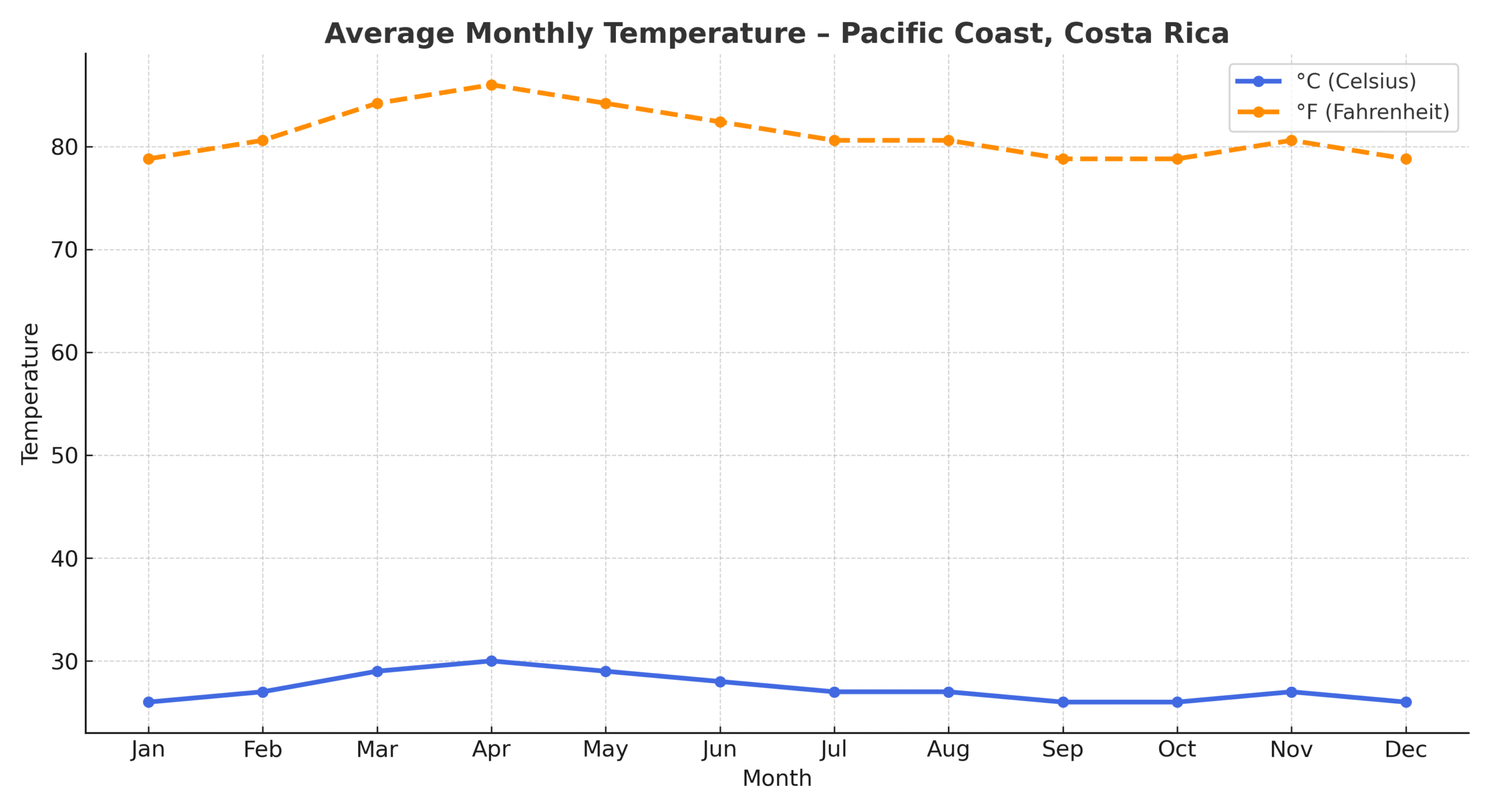
Average temperatures during the dry season range from 75°F to 90°F (24°C to 32°C) depending on the region and elevation. Coastal areas tend to be warmer, while higher elevations like Monteverde and San José remain pleasantly mild.
The dry season is ideal for beach holidays, hiking, wildlife watching, and pretty much any outdoor activity you can imagine. Roads are in their best condition, making it easier to explore remote areas. National parks are fully accessible, and you won’t need to worry about weather disrupting your plans.
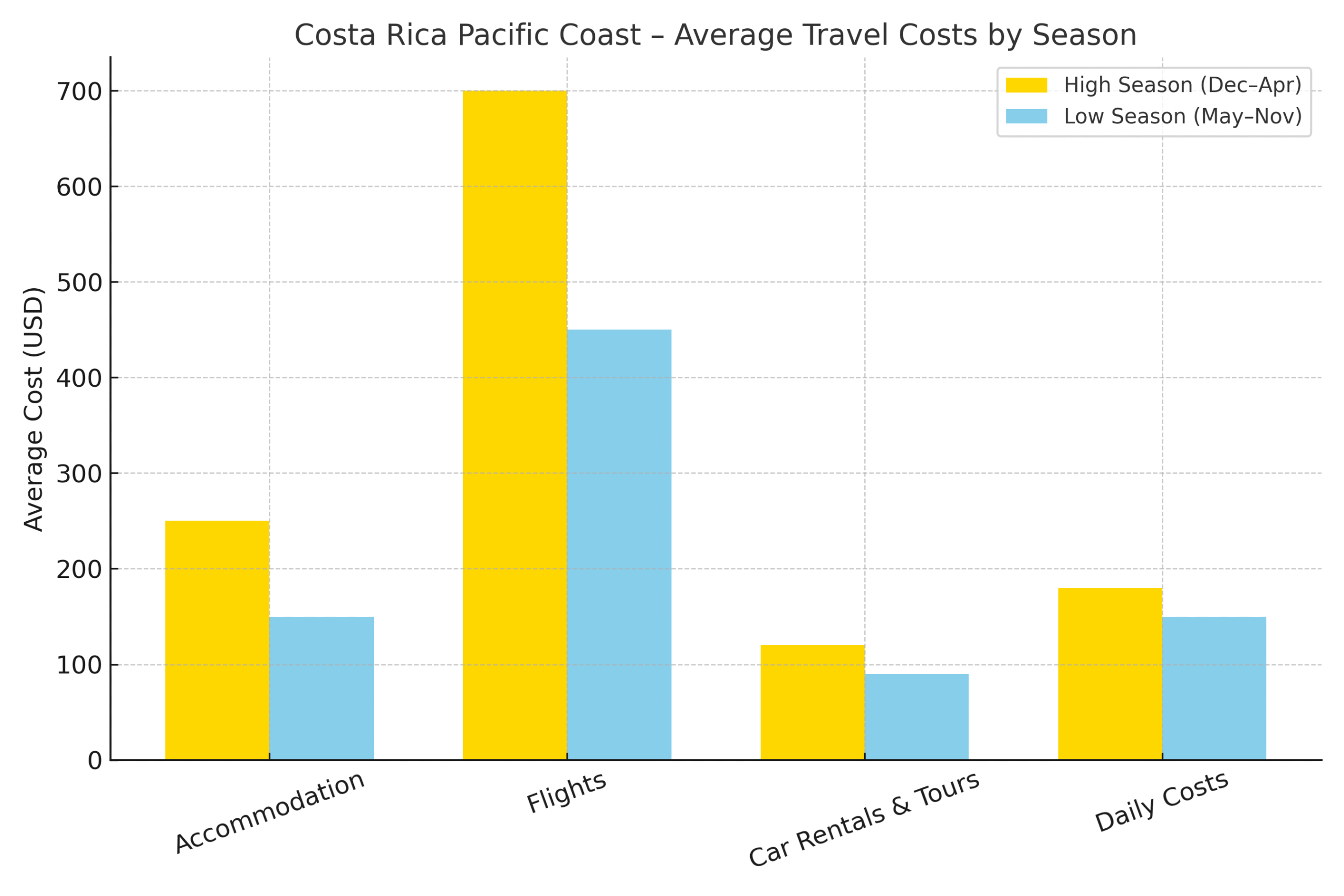
The trade-off? This is when Costa Rica sees the most visitors, particularly during Christmas, New Year, and Easter week. Accommodation prices rise significantly, and popular destinations can feel crowded. Booking well in advance (3-6 months) is essential for the best selection.
Best for: First-time visitors, families with children, beach lovers, anyone wanting guaranteed sunshine.
Check also: Complete Guide to Costa Rica’s Dry Season
The green season, also called the rainy season or “invierno” (winter), runs from May through November. Despite its reputation, this season offers incredible value and unique experiences that many travelers overlook.
Here’s what the green season actually looks like: mornings typically start sunny and clear, perfect for tours and activities. Around mid-afternoon (usually 2-4 PM), tropical rain showers roll in, lasting anywhere from 30 minutes to a few hours. By evening, the rain often clears, and you’ll see beautiful sunsets. This pattern is remarkably consistent, making it easy to plan your day.

The afternoon rains transform Costa Rica into a vibrant, lush paradise. Waterfalls flow with impressive volume, rainforests explode with greenery, and wildlife becomes incredibly active. The landscape takes on a magical quality that you simply don’t see during the dry season.
Temperatures during the green season are similar to the dry season, though slightly cooler thanks to cloud cover and rain. Humidity increases, but the regular showers provide refreshing breaks from the heat.
The biggest advantages of the green season are lower prices (often 20-40% less than peak season), fewer crowds at popular sites, and some of the best wildlife watching of the year. Sea turtle nesting, whale migrations, and abundant birdlife make this an exceptional time for nature enthusiasts.
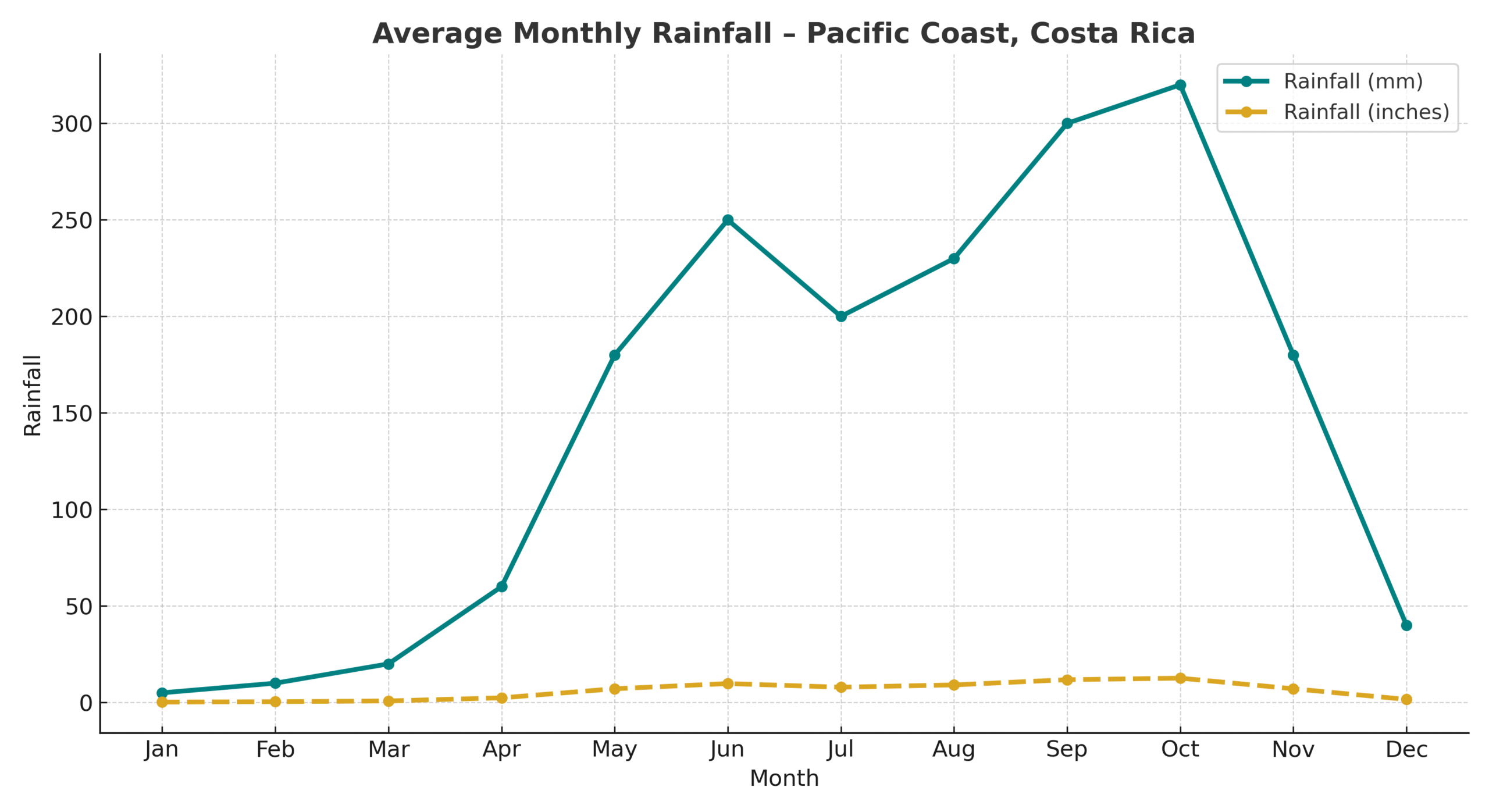
The wettest months are September and October, particularly on the Pacific coast. During these months, some remote areas may become difficult to access, and a few lodges in very remote locations temporarily close.
Best for: Budget travelers, nature enthusiasts, photographers, flexible travelers, anyone seeking authentic experiences without crowds.
Check also: Complete Guide to Costa Rica’s Green Season
This is one of the most common questions I hear, and the answer is simple: Costa Rica is located outside the Caribbean hurricane belt and rarely experiences hurricanes.
While the Atlantic hurricane season runs from June through November, Costa Rica’s position south of typical hurricane paths means the country is rarely affected by these storms. The mountains running through Central America also provide a natural barrier that disrupts storm systems.
September and October are Costa Rica’s rainiest months, but this is due to normal tropical weather patterns, not hurricanes. The rain comes from afternoon thunderstorms, not dangerous tropical systems.
Every month in Costa Rica offers something different. Here’s a concise month-by-month breakdown to help you choose the best time for your visit.
Weather: Peak dry season with excellent conditions
Crowds: High early, dropping after January 5th
Prices: Moderate to high
Best for: Post-holiday travel, guaranteed sunshine
January is one of the best months to visit, especially after the first week. Holiday crowds thin out dramatically after January 5th, but perfect weather continues.
Check details: Costa Rica in January: Weather, Events & Travel Tips
Weather: Continued dry season, warm and sunny
Crowds: Moderate to high
Prices: Higher
Best for: Beach vacations, consistently beautiful weather
February maintains excellent weather with slightly warmer temperatures. Prime time for beach activities and exploring national parks.
Check details: Costa Rica in February: Sunny Days and Perfect Beaches
Weather: Hot and dry, minimal rainfall
Crowds: Very high (spring break)
Prices: High
Best for: Beach time, guaranteed sun
March is one of the hottest and driest months. Peak spring break season means crowded destinations.
Check details: Costa Rica in March: Best Time for Beach and Wildlife
Weather: Hottest month, transition begins late
Crowds: Very high during Easter week
Prices: High
Best for: Hot weather lovers, end of dry season
April is Costa Rica’s hottest month. Easter week (Semana Santa) is one of the busiest times of the year.
Check details: Costa Rica in April: End of the Dry Season Adventures
Weather: Transition to green season, afternoon showers begin
Crowds: Low
Prices: Lower
Best for: Budget travel, avoiding crowds
May marks the start of the green season. Mornings remain sunny with afternoon rains bringing everything to life. Prices drop significantly.
Check details: Costa Rica in May: Start of the Green Season
Did you know? Costa Rica’s “rainy season” doesn’t mean constant rain. Most days still feature 4-6 hours of sunshine, usually in the morning when you’re most active. The afternoon showers are brief and rarely disrupt well-planned itineraries.
Weather: Rainy season established, mornings usually clear
Crowds: Low
Prices: Lower
Best for: Value seekers, lush landscapes
June continues the green season pattern with beautiful mornings and afternoon showers. The landscape is incredibly lush.
Check details: Costa Rica in June: Lush Landscapes and Fewer Crowds
Weather: Mini dry season (veranillo)
Crowds: Moderate
Prices: Moderate
Best for: Summer travelers, good weather + value
July often experiences a brief dry spell with excellent conditions. A sweet spot for good weather without peak season prices.
Check details: Costa Rica in July: Mid-Rainy Season Travel Tips
Weather: Similar to July, pleasant conditions
Crowds: Moderate
Prices: Moderate
Best for: Summer vacation, balanced conditions
August maintains pleasant conditions from July. Good balance of sunny mornings and brief afternoon showers.
Check details: Costa Rica in August: Rainforest Magic & Whale Watching
Weather: Peak rainy season (Pacific coast)
Crowds: Very low
Prices: Lowest of the year
Best for: Ultimate budget travel, Caribbean coast
September is the rainiest month on the Pacific side. The Caribbean coast experiences its driest weather. Incredible deals available.
Check details: Costa Rica in September: Quiet Escapes and Nature at Its Best
Weather: Wettest month
Crowds: Very low
Prices: Lowest of the year
Best for: Best deals, adventurous travelers
October is typically the wettest month. The Caribbean coast continues its dry season. Best prices of the year.
Check details: Costa Rica in October: Caribbean Coast at Its Best
Weather: Transition back to dry season
Crowds: Low
Prices: Lower
Best for: Shoulder season advantages
November marks the transition back toward dry season. Rainfall decreases, especially late in the month.
Check details: Costa Rica in November: Transition to the Dry Season
Weather: Dry season begins
Crowds: Very high (Christmas/New Year)
Prices: Highest of the year
Best for: Holiday travelers, family vacations
December brings the return of dry season. Christmas and New Year period is the busiest and most expensive time.
Check details: Costa Rica in December: Start of the High Season
Different travelers have different priorities. Here’s how to choose based on what matters most to you.
For consistently beautiful weather, visit during January, February, or March.
These months offer the best combination of sunshine, comfortable temperatures, and calm seas. Rainfall is minimal, and you can plan outdoor activities with confidence.
January edges out as the best month overall, particularly after January 5th when holiday crowds thin but perfect weather continues.
To experience Costa Rica without the tourist masses, plan your visit during May, June, September, October, or November.
May and June are particularly ideal because you’ll find fewer crowds while weather remains quite pleasant. National parks, beaches, and popular attractions feel remarkably uncrowded.
September and October offer the absolute quietest experience, though weather can be more challenging on the Pacific coast.
May, June, September, October, and November offer the best value.
During these months, you can expect to save 20-40% on accommodations compared to peak season. Tours and activities often offer discounts, and flights are typically cheaper.
The shoulder months of May and November provide the best balance of value and weather. You’ll get significant savings without experiencing the heaviest rainfall.
For families with children, December through April is generally the most practical time to visit.
The dry season offers predictable weather, roads in their best condition, and minimal weather-related cancellations. Beach days are reliably sunny, and outdoor adventures face few disruptions.
February and early March are particularly good for families because they avoid peak Christmas/New Year crowds while maintaining excellent weather.
Costa Rica offers exceptional wildlife watching year-round, but different species peak at different times.
For sea turtles: Multiple species nest at different times and locations throughout the year.
For whales: Humpback whales visit during two distinct seasons. Northern hemisphere whales arrive from December through April, while southern hemisphere whales visit from July through November.
For general wildlife: Many experienced naturalists prefer the green season (May-November) for wildlife watching. The increased vegetation and water sources concentrate animals, and many species are more active during breeding seasons.
Best overall months: July, August, and September offer overlapping seasons for whales, turtles, and breeding species.
For classic beach weather with guaranteed sunshine, December through April is your best bet.
However, the green season shouldn’t be overlooked for beach travel. May, June, July, and August still offer excellent beach weather, with sunny mornings perfect for beach time. The ocean remains warm year-round.
Costa Rica’s weather varies significantly by region.
Best months: December through April
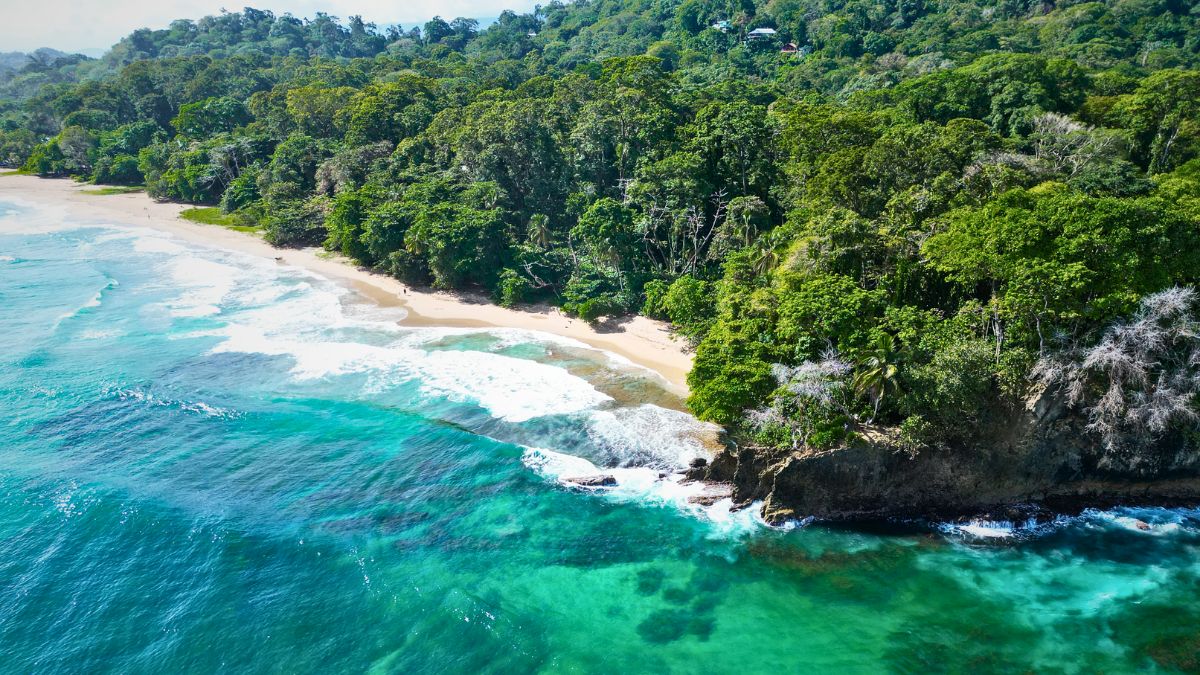
The Pacific coast experiences the most dramatic seasonal differences. During the dry season, the Pacific offers picture-perfect weather. Popular destinations include Manuel Antonio, Uvita, Marino Ballena National Park, and the Osa Peninsula.
Best months: September and October
The Caribbean coast follows a different weather pattern. It experiences its driest, sunniest weather during September and October, exactly when the Pacific coast sees heavy rainfall. Popular destinations include Puerto Viejo, Tortuguero, and Cahuita.
Best months: December through April
The Central Valley enjoys mild temperatures year-round thanks to its elevation. This includes San José, Arenal, and Monteverde. Cloud forests are naturally misty and cool year-round.
Peak season (Dec-Apr): Book 3-6 months ahead
Christmas/New Year: Book 6-12 months ahead
Easter week: Book 4-6 months ahead
Shoulder season (May-June, Nov): Book 1-2 months ahead
Low season (Sep-Oct): Last-minute deals possible

Year-round essentials:
Green season additions:
Complete Costa Rica Packing Guide
September and October are typically the cheapest months. These months see the lowest tourist numbers and the biggest discounts on accommodations, tours, and flights. May, June, and November also offer excellent value.
October is usually the wettest month, particularly on the Pacific coast and Central Valley. September is a close second. The Caribbean coast experiences its driest weather during these months.
February and March are typically the driest months across most of Costa Rica. These months see minimal rainfall and maximum sunshine, particularly on the Pacific coast.
No, it doesn’t rain every single day, and when it does rain, it’s typically only for a few hours in the afternoon. Most days during the green season start sunny and clear, with afternoon showers arriving around 2-4 PM.
Absolutely! Many travelers prefer the rainy season (May-November). Mornings are typically sunny and perfect for tours, while afternoon rains bring refreshing breaks. You’ll enjoy lower prices, fewer crowds, and excellent wildlife watching.
While the Atlantic hurricane season runs from June through November, Costa Rica is located outside the typical hurricane belt and is rarely affected by hurricanes. The rain during September-October comes from normal tropical weather patterns, not hurricanes.
January, particularly the second half of the month, offers the best combination of excellent weather, lush landscapes, manageable crowds, and more reasonable prices than the peak holiday period.
This guide is based on years of personal experience in Costa Rica and verified information from authoritative sources:

Author: Peter Sawicki
Peter Sawicki is a PADI instructor with many years of experience and hundreds of certified students to his name. He is a technical diver, cave explorer, and climbing instructor with a background that spans both big wall expeditions and demanding technical ice climbs. Recognized multiple times with the prestigious PADI Elite Instructor Award, Peter combines deep professional knowledge with a passion for sharing the world of adventure, both underwater and above it.