After more than a decade diving these waters, I’ve explored everything from calm coastal reefs to the legendary hammerhead highways of Cocos Island.
In this guide, I’ll share the six best places to scuba dive in Costa Rica based on marine life diversity, accessibility, and overall experience. Whether you’re a beginner or seasoned diver, you’ll find your perfect underwater adventure here.
Why Is Costa Rica One of the World’s Best Diving Destinations?
Costa Rica’s name means “rich coast,” and the underwater world lives up to that promise. This small Central American country offers remarkable marine biodiversity and diving opportunities year-round.
What Makes Costa Rica’s Marine Life So Diverse?
Costa Rica sits between two oceans, the Pacific stretches 1,016 kilometers along the west coast, while the Caribbean borders 212 kilometers to the east. The Pacific side benefits from nutrient-rich upwellings that attract everything from plankton to whale sharks.
The country protects over 25% of its territory as marine reserves, creating healthier ecosystems. Costa Rica hosts over 6,000 marine species, including 5 of the world’s 7 sea turtle species.
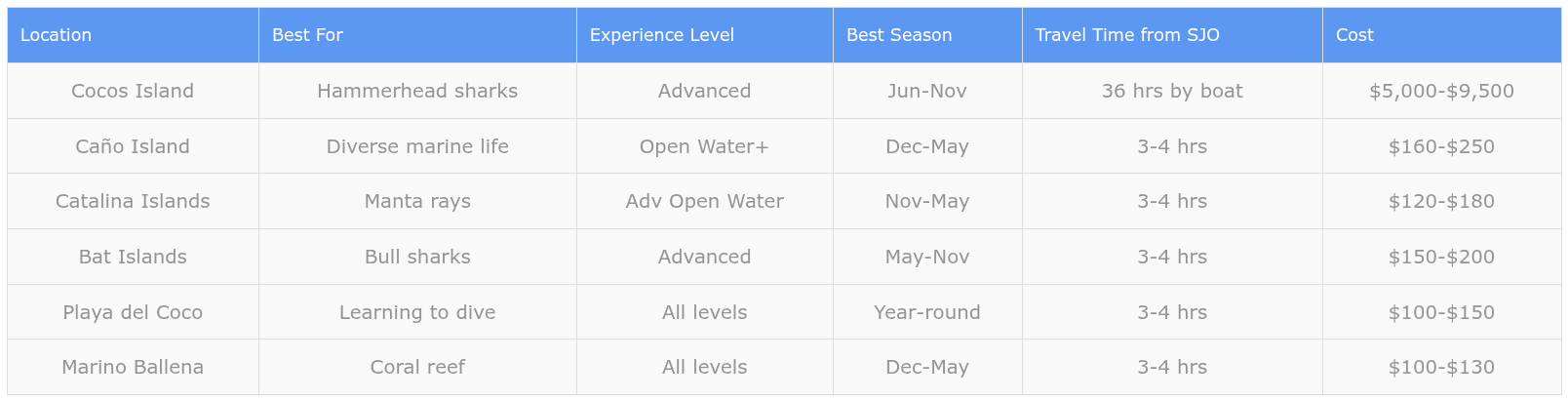
The 6 Best Places to Scuba Dive in Costa Rica
Can Beginners Dive in Costa Rica?
Absolutely! Costa Rica welcomes all experience levels. Non-certified divers can try “discovery dives” with instructor supervision. Over 50 certified dive centers offer full Open Water certification ($400-$550) in 3-4 days at beginner-friendly locations like Playa del Coco.
Cocos Island – The Ultimate Costa Rica Diving Experience
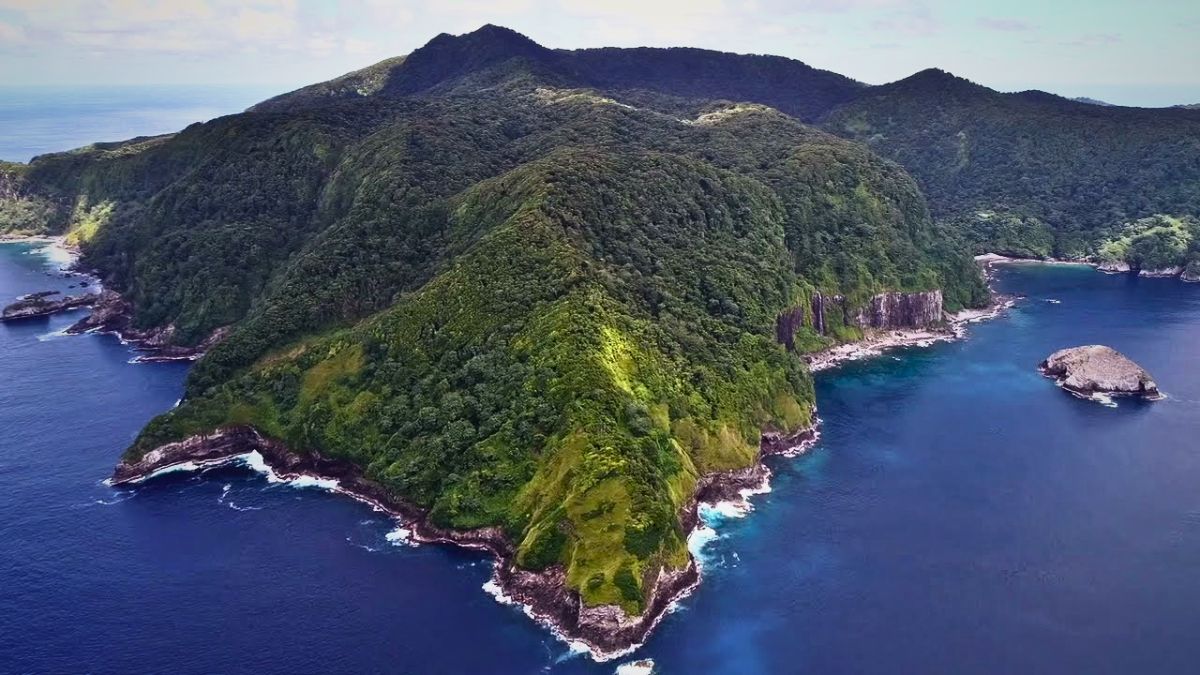
Cocos Island ranks among the world’s top ten dive destinations. This remote volcanic island sits 550 kilometers offshore, requiring a 36-hour liveaboard journey, but delivers unmatched encounters.
What Can You See Diving at Cocos Island?
Imagine hundreds of scalloped hammerhead sharks moving in synchronized formation. This isn’t rare at Cocos, it’s regular. I’ve dived Cocos three times, and each trip delivered multiple encounters with schools numbering in the hundreds.
Beyond hammerheads, expect white-tip reef sharks, Galapagos sharks, whale sharks, tiger sharks, giant manta rays, dolphins, and enormous schools of jacks and tuna. The underwater topography features dramatic pinnacles, caves, and walls.
When Is the Best Time to Dive Cocos Island?
Dry season (December-May) offers calmer seas and better visibility (80-100 feet). Rainy season (June-November) brings reduced visibility but peak hammerhead activity. July through September delivers the most reliable hammerhead schools.
How Do You Get to Cocos Island?
Only accessible via liveaboard from Puntarenas. Trips run 10-11 days including the 36-hour crossing each way. Expect 3-4 dives daily at the island. Cost: $2,500-$3,500 including all diving, meals, and accommodations.
What Certification Do You Need?
Advanced Open Water minimum. I recommend 50+ logged dives, comfort in current, and good buoyancy control. Depths regularly exceed 80 feet with strong, unpredictable currents.
Caño Island – The Crown Jewel of Accessible Costa Rica Diving
Caño Island delivers world-class diving without the Cocos Island journey. I’ve dived here over 200 times, and it remains my favorite accessible destination. The Biological Reserve protects 5,800 hectares of marine environment with only 10 divers allowed per site.
What Marine Life Will You See at Caño Island?
White-tip reef sharks are nearly guaranteed. Shark Cave features a large underwater cave where 20+ white-tips rest during the day. Bajo del Diablo (Devil’s Pinnacle) attracts giant Pacific manta rays, eagle rays, and schools of jacks.
During dry season (December-May), manta ray sightings happen on 60-70% of Bajo del Diablo dives. Humpback whales pass through August-October, and you’ll often hear their songs underwater.
How Do You Get to Caño Island?
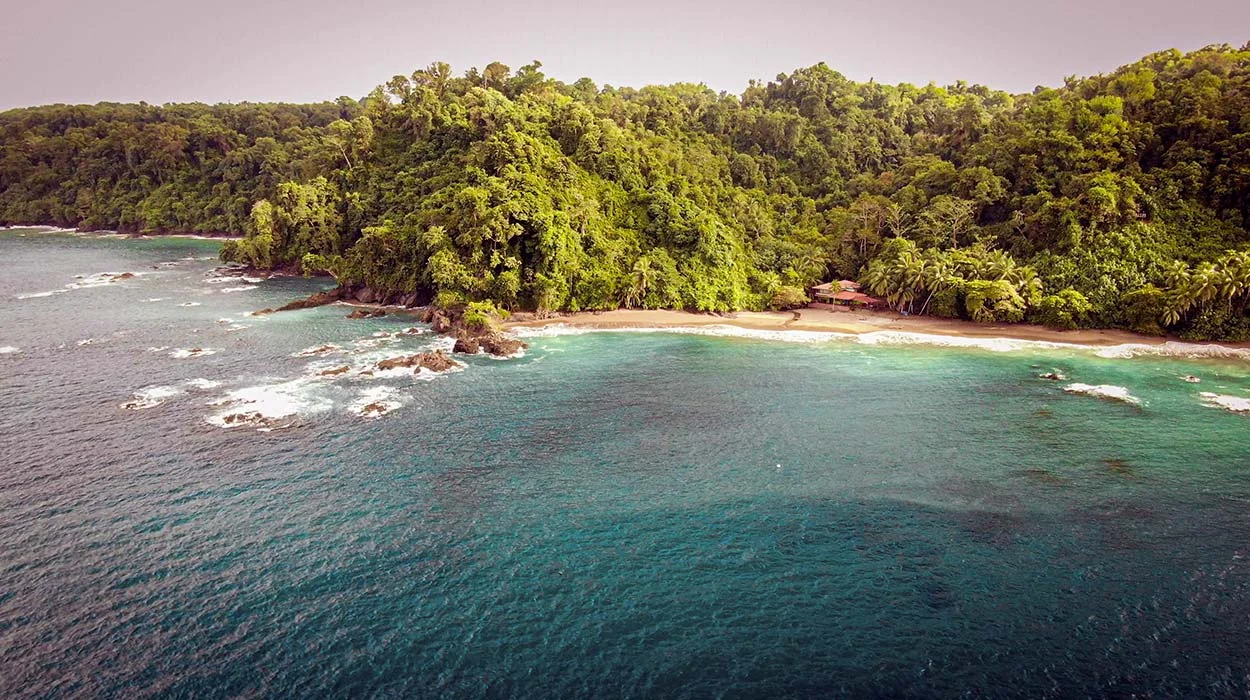
Tours depart from Uvita (60-75 minute boat ride) or Drake Bay (30 minutes). Uvita offers better infrastructure and easier access. Two-tank trips cost $170-$250 including equipment.
Can Beginners Dive at Caño Island?
Most sites suit Open Water divers with moderate depths (40-60 feet) and manageable currents. Bajo del Diablo requires Advanced certification due to strong currents and 80+ foot depths.
Did you know? Caño Island hosts over 70 native marine species and sits perfectly positioned to intercept nutrient-rich Pacific currents, creating consistently excellent diving conditions.
Catalina Islands – Manta Ray Paradise
The Catalina Islands offer some of Costa Rica’s most reliable manta ray encounters, along with dramatic underwater topography and diverse marine life.
When Can You See Manta Rays at Catalina Islands?
Giant Pacific manta rays visit primarily November through May, with peak sightings December-March. These magnificent animals reach wingspans up to 23 feet. During peak season, multiple mantas often circle dive sites repeatedly.
Beyond mantas, expect eagle rays, mobula rays (sometimes in schools of hundreds), southern stingrays, and various shark species.
What Are the Best Dive Sites?
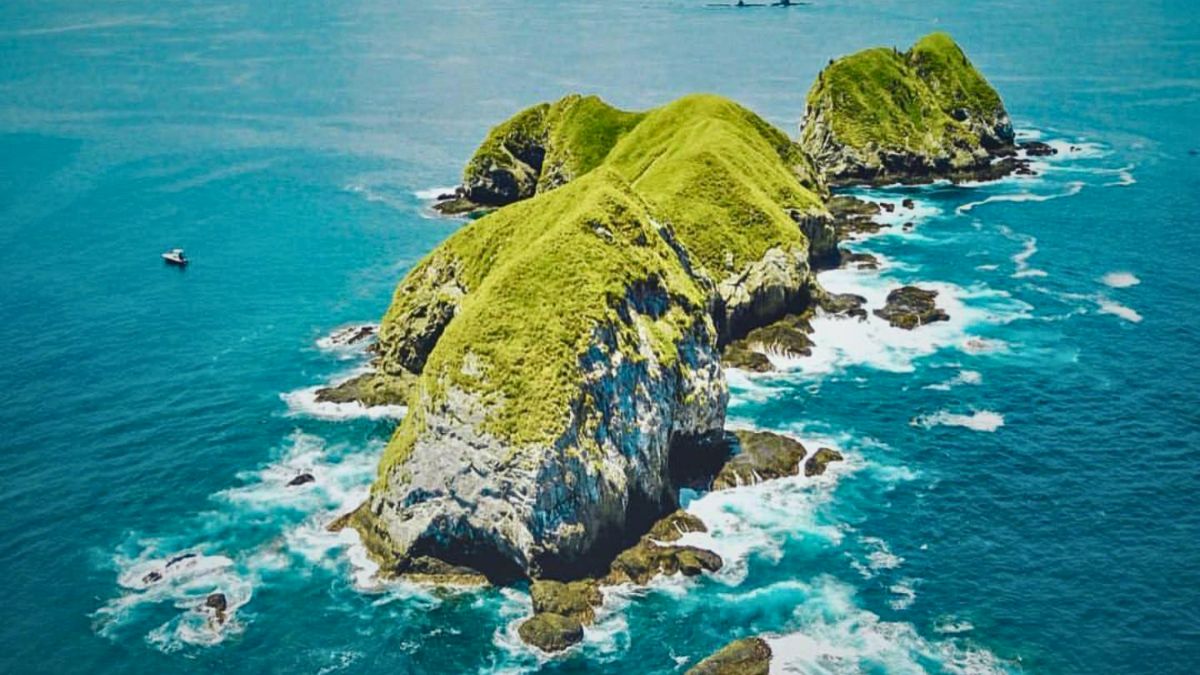
The Wall (La Pared) drops from 50 to 120+ feet with colorful invertebrate life. Dirty Rock (Roca Sucia) features huge schools of grunts, snappers, and jacks plus colorful reef fish.
How Do You Access Catalina Islands?
Tours depart from Playas del Coco (60-90 minute boat ride). Cost: $120-$180 for two-tank trips. Most operators recommend Advanced Open Water due to depths (80-110 feet) and strong currents.
Bat Islands – World-Class Bull Shark Diving
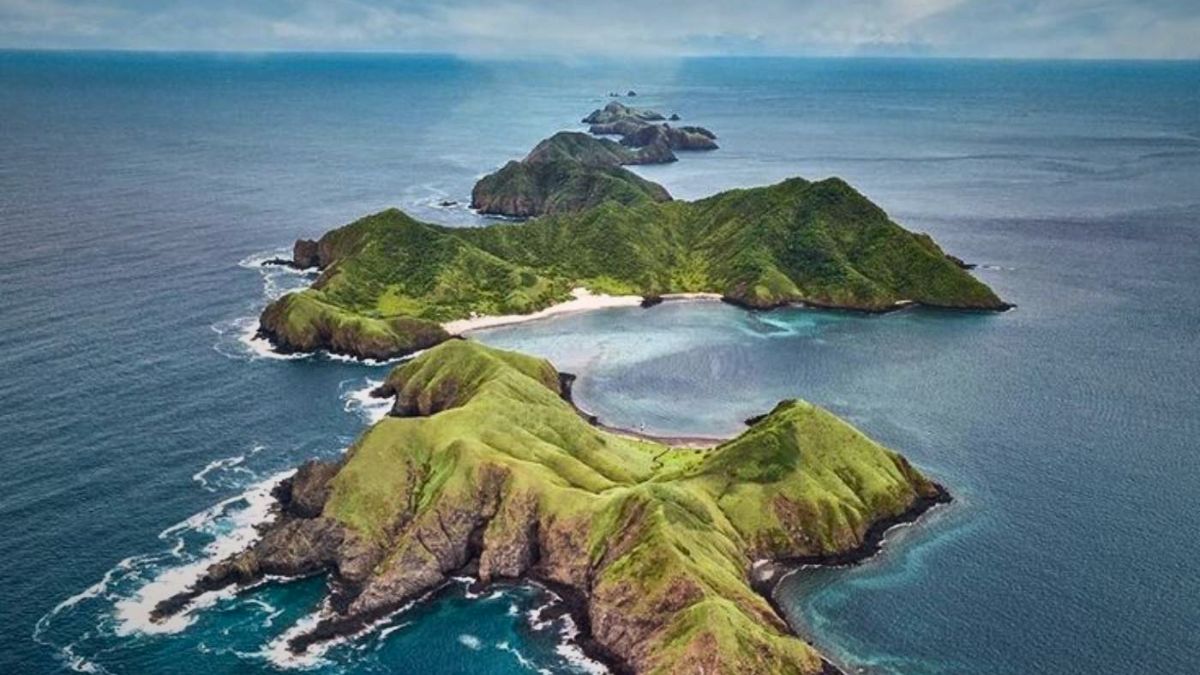
The Bat Islands offer affordable bull shark diving within Santa Rosa National Park. This is one of the world’s most accessible bull shark experiences.
When Can You See Bull Sharks?
Bull shark season runs May through November, with peak sightings August-October. Nutrient-rich upwellings attract these powerful predators during rainy season. Seeing 5-10 bull sharks on a single dive is common during peak months.
What Is the Big Scare Dive Site?
Big Scare (Gran Susto) features steep walls dropping from 60 to 100+ feet. Bull sharks here reach 7-13 feet in length. Despite their reputation, they’re simply curious and confident, not aggressive toward divers in clear water.
How Do You Get to Bat Islands?
All trips depart from Playas del Coco (90-120 minute boat ride). Cost: $150-$200. This is NOT suitable for beginners, Advanced Open Water minimum with 50+ logged dives recommended.
Fun fact: Bull sharks can tolerate both saltwater and freshwater, making them one of only a few shark species that can survive in rivers. They often hunt in river mouths during rainy season.
Playa del Coco – The Best Place to Learn Diving in Costa Rica
Playa del Coco might not deliver hammerhead thrills, but it’s arguably the best location for beginner divers and diving education. I’ve taught dozens of Open Water courses here.
Why Is Playa del Coco Perfect for Beginners?
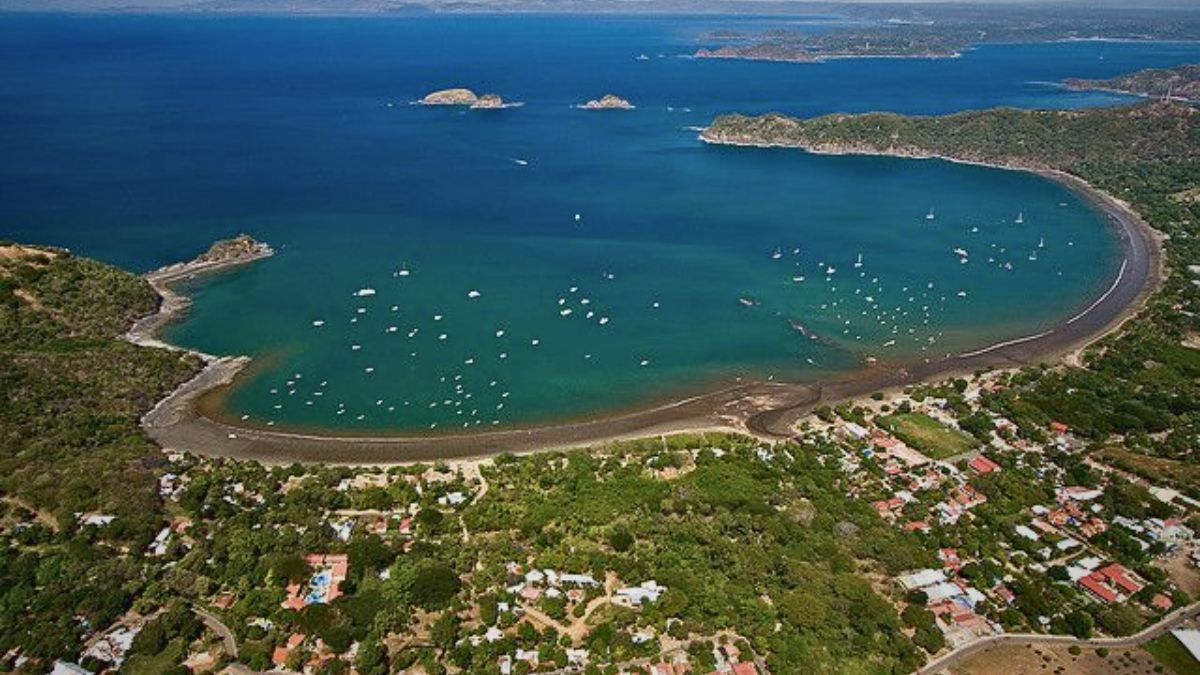
The Gulf of Papagayo provides natural shelter, creating consistently calm conditions. Most sites max out at 40-60 feet with gentle currents and gradual slopes. White-tip reef sharks are practically guaranteed, giving new divers perfect first shark encounters.
Can You Get PADI Certified Here?
Multiple PADI centers offer Open Water certification ($400-$550) in 3-4 days. The calm conditions make learning straightforward and enjoyable.
How Do You Get to Playa del Coco?
Liberia Airport sits just 30 minutes away. The town also serves as the departure point for Catalina and Bat Islands, letting you base yourself in one location while accessing three different diving experiences.
Marino Ballena National Park – Diving Costa Rica’s Largest Reef
Marino Ballena National Park protects a unique marine ecosystem near Uvita in the South Pacific. While not the largest reef system, this park offers family-friendly diving, the lowest costs on this list, and access to diverse shallow-water habitats.
What Makes Marino Ballena Special?
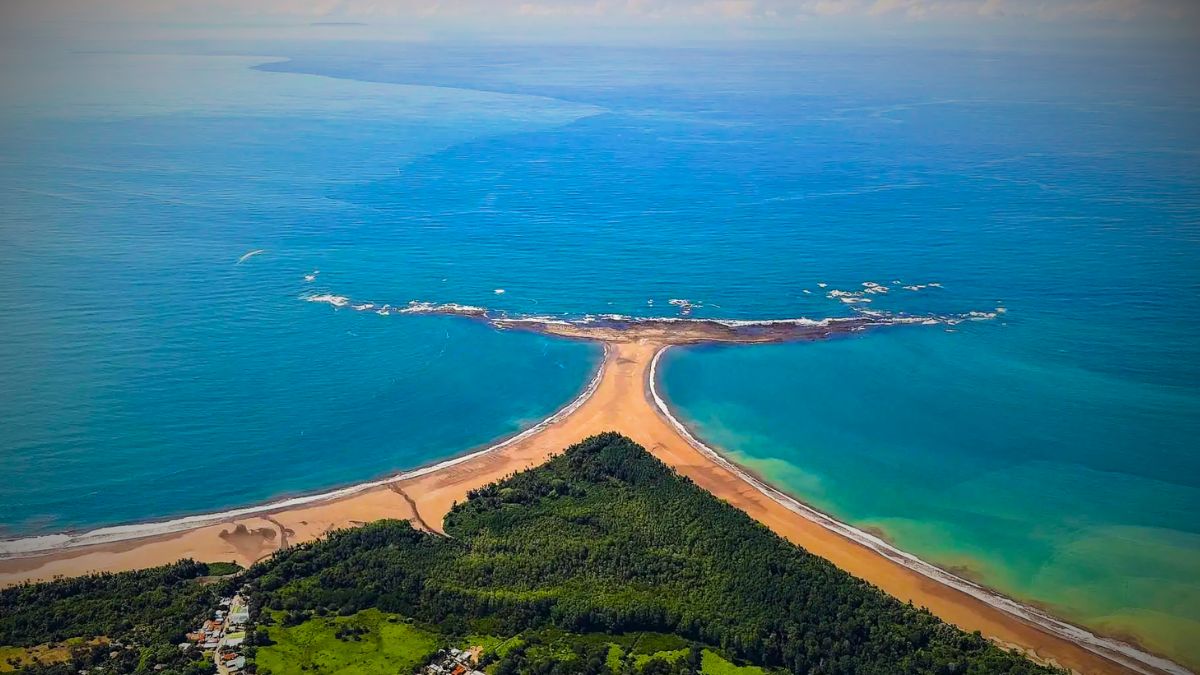
Marino Ballena National Park protects 5,375 hectares of marine environment including coral formations, rocky reefs, and sandy bottoms. The park is famous for its distinctive whale tail-shaped beach (sand formation) visible at low tide, which gives the park its name – Marino Ballena means “Marine Whale.”
What Marine Life Can You See?
Colorful reef fish, moray eels, sea turtles, white-tip reef sharks, and various ray species populate the reef. Humpback whales pass through August-October, and you’ll often hear their songs underwater.
When Is the Best Time to Dive?
December through May offers optimal visibility (50-70 feet). Rainy season reduces visibility to 20-40 feet due to river runoff.
How Do You Access Marino Ballena?
Tours depart from Uvita (15-20 minute boat ride). Cost: $80-$130 for two-tank trips, the most affordable diving on this list. Suitable for all levels including complete beginners.
When Is the Best Time to Scuba Dive in Costa Rica?
Dry Season (December-May)
Best visibility (60-100 feet), calm seas, and manta ray season. Water temperatures run slightly cooler (74-78°F). This is Costa Rica’s high tourist season, expect higher prices and more crowds.
Rainy Season (May-November)
Bull sharks, hammerheads, whale sharks, and humpback whales appear during these months. Visibility drops to 40-60 feet, but big pelagic action compensates. Fewer tourists and lower prices. Most rain falls late afternoon, after morning dive trips.
Can You Dive Year-Round?
Yes. Playa del Coco maintains diveable conditions throughout the year. Offshore islands deliver their best diving during dry season. Bat Islands and Cocos peak during rainy season.
How to Plan Your Costa Rica Diving Trip
What Certification Do You Need?
Non-certified people can try discovery dives. Open Water certification accesses most sites. Advanced Open Water opens Catalina Islands, Bat Islands, and deeper Caño sites. Get Advanced certification before your trip to maximize options.
How Much Does Diving Cost?
- Local sites: $80-$130
- Island tours: $100-$200
- Cocos liveaboard: $2,500-$3,500
- PADI certification: $400-$550
Prices include equipment rental except personal gear (mask, fins, computer).
Should You Book in Advance?
- Cocos Island: 6-12 months ahead
- High season islands: 2-4 weeks ahead
- Low season: 3-7 days ahead
- Local sites: Often last-minute (24-48 hours)
What Should You Pack?
Operators provide wetsuits (3mm standard, 5mm for cold-sensitive divers). Bring your own mask, dive computer, reef-safe sunscreen, seasickness medication, and quick-dry clothes. Water temperatures range 74-82°F.
So what are the best places to dive in Costa Rica?
After a decade diving Costa Rica’s waters, these six destinations represent the best diving this country offers. Beginners should start with Playa del Coco or Marino Ballena.
Intermediate divers will love Caño Island’s balance of world-class marine life and manageable conditions. Advanced divers chasing bucket-list experiences should prioritize Cocos Island and Bat Islands.
Match your destination to the season, dry season for visibility and mantas, rainy season for big pelagics and better value. Costa Rica’s underwater world is waiting, from your first breath at Marino Ballena to hammerhead schools at Cocos Island.
Frequently Asked Questions
Do I need to be certified to scuba dive in Costa Rica?
No, certification is not required to try scuba diving. Most operators offer “discovery dives” for non-certified participants with basic training, allowing dives to 30-40 feet under instructor supervision. However, certification (Open Water minimum) is needed to dive independently or access the best sites.
What is the best month to dive in Costa Rica?
December through May offers best visibility, calm seas, and manta rays. May through November delivers bull sharks, hammerheads, and fewer crowds. February-March and August-September often provide excellent conditions with good wildlife activity.
Can children scuba dive in Costa Rica?
Yes, children can learn to scuba dive starting at age 10 through PADI Junior Open Water. Kids 8-9 can try pool-only experiences through PADI Bubblemaker. Playa del Coco and Marino Ballena offer family-friendly conditions.
Is diving safe in Costa Rica?
Yes, diving is safe when conducted with professional operators. Costa Rica hosts 50+ PADI-certified dive centers. Choose reputable operators, dive within your certification limits, and follow safety protocols.
What marine animals can I see diving in Costa Rica?
White-tip reef sharks (nearly guaranteed), bull sharks (Bat Islands, May-Nov), hammerhead sharks (Cocos), manta rays (Catalina/Caño, Nov-May), eagle rays, sea turtles, humpback whales (Aug-Oct), dolphins, and hundreds of tropical fish species.
How much does a diving trip cost in Costa Rica?
Two-tank trips: $100-$250 depending on location. Marino Ballena and Playa del Coco are most affordable ($100-$130). Cocos Island liveaboards cost $5,000-$9,500 for 7-10 days.
Where is the clearest water for diving in Costa Rica?
Cocos Island offers best visibility (40-100 feet), followed by Caño Island (40-90 feet) and Catalina Islands (40-100 feet). Visibility is best during dry season (December-May) at all locations.