
The first time I drove into Manuel Antonio, a three-toed sloth was hanging from a power line right above the main road. A troop of white-faced capuchin monkeys scattered across the pavement in front of my car. Welcome to Costa Rica’s most famous beach destination, I thought. This place lives up to the hype.
Manuel Antonio sits on the Central Pacific coast of Costa Rica, where thick rainforest tumbles down hillsides to meet white sand beaches and warm turquoise waters. You get wildlife, beaches, jungle, and that relaxed pura vida feeling all in one place. No wonder it tops so many Costa Rica bucket lists.
This guide covers everything you need to plan your trip to Manuel Antonio. From the famous national park to hidden local restaurants, from budget hostels to luxury resorts, I will share what I have learned from living and working in this region. Let me help you avoid the tourist traps and discover what makes Manuel Antonio genuinely special.
Manuel Antonio refers to three connected areas on Costa Rica’s Pacific coast. First, there is Manuel Antonio National Park, the smallest but most visited national park in the country.
Second, the small tourist village of Manuel Antonio stretches along the hillside road leading to the park entrance. Third, the town of Quepos sits about 7 kilometers north and serves as the commercial hub for the region.
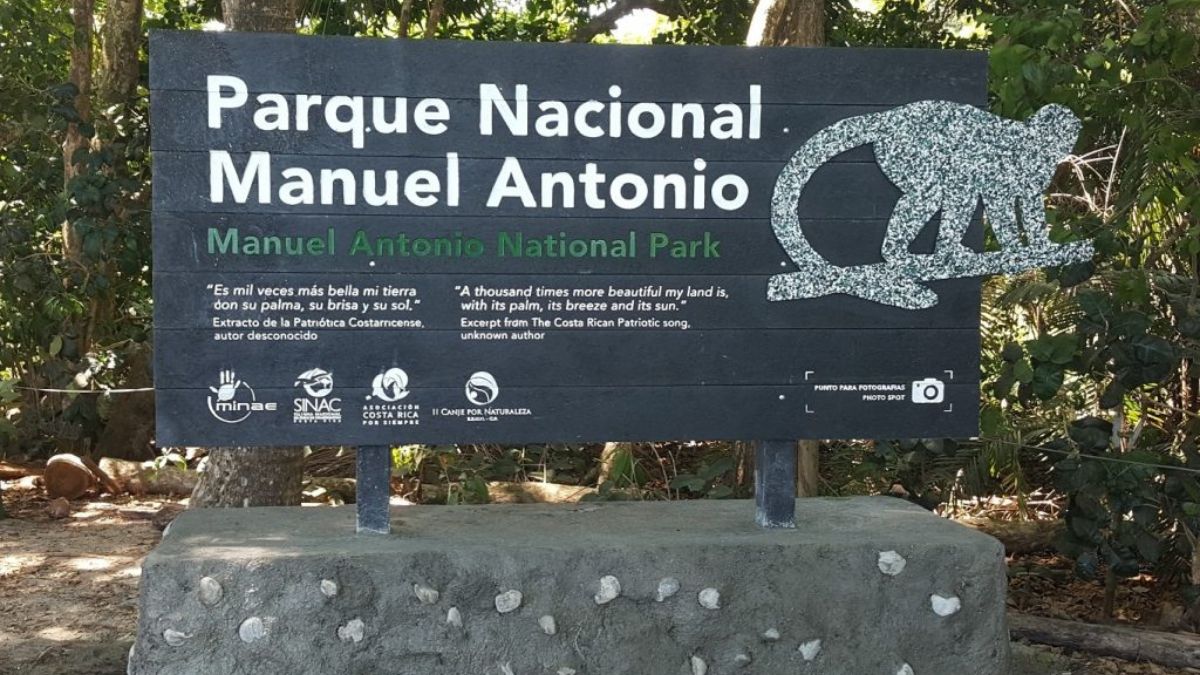
The combination of accessibility and natural beauty makes Manuel Antonio special. You can wake up in a jungle lodge, spot monkeys from your breakfast table, hike through rainforest trails, swim at pristine beaches, and watch the sunset over the Pacific, all in a single day. Few places in Costa Rica deliver this much variety in such a compact area.
Manuel Antonio works well for almost every type of traveler. Families love the wildlife encounters and calm swimming beaches. Couples appreciate the romantic hillside resorts with ocean views.
Adventure seekers find plenty of activities from surfing to white water rafting. Even budget backpackers can experience the magic without breaking the bank.
Did you know? Manuel Antonio National Park covers just 1,983 hectares of land, making it the smallest national park in Costa Rica. Despite its size, it attracts more visitors than any other park in the country, with over 400,000 people passing through each year.
Manuel Antonio sits on the Central Pacific coast of Costa Rica, in the Puntarenas province. The area lies approximately 157 kilometers southeast of San José, the capital city. By car, the drive takes around 2.5 to 3 hours on well-paved highways.
The geographic layout is simple to understand. Quepos is the main town with supermarkets, banks, bus stations, and the local airport. From Quepos, a winding 7-kilometer road climbs through the jungle to the national park entrance. Hotels, restaurants, and shops line this scenic route. The road ends at a small beach town area right next to the park gates.
If you are coming from other popular Costa Rica destinations, Manuel Antonio connects easily to the rest of the country. Jacó beach is about 1.5 hours north. Uvita and the Marino Ballena National Park area is roughly 1 to 1.5 hours south. This central location makes Manuel Antonio an excellent base for exploring the entire Pacific coast region.
Manuel Antonio National Park opened in 1972 after local residents pushed to protect the area from development. The park preserves a rare combination of tropical rainforest, mangrove wetlands, and pristine beaches. In 2011, Forbes magazine named it one of the 12 most beautiful national parks in the world.
Why is Manuel Antonio so popular? A few reasons. Wildlife sightings are almost guaranteed here. The beaches inside the park count among the prettiest in Costa Rica. Trails are flat and well maintained, so even kids and older travelers manage them easily. And the location helps too. Just three hours from San José by car.
The Costa Rican government now limits daily visitors to around 1,200 people to protect the ecosystem. This means you must purchase tickets online in advance through the official SINAC website. The park is closed every Tuesday for environmental recovery.
Manuel Antonio delivers some of the best wildlife encounters in Costa Rica. On my first visit, I saw more animals in two hours than during an entire week in other parts of the country. The park is home to 109 mammal species and 184 bird species. Animals here have grown accustomed to people, so sightings happen frequently and at close range.
Three of Costa Rica’s four monkey species live in the park. White-faced capuchins are the most commonly seen, often approaching visitors on the beach looking for food.

Howler monkeys announce their presence with deep roaring calls that echo through the forest. The endangered Central American squirrel monkey, found only in this region, represents a special sighting.
Both two-toed and three-toed sloths inhabit the park. Spotting them requires patience and a trained eye, as they blend perfectly into the canopy. Green iguanas sun themselves on branches. White-nosed coatis shuffle along trails. Agoutis, looking like large guinea pigs, forage in the underbrush.
The birdlife includes toucans, scarlet macaws, motmots, and dozens of other colorful species. Along the coast, you might spot dolphins playing in the waves or, during migration season, humpback whales passing by.
You can explore the park on your own, but honestly? Hire a guide. I thought I could spot wildlife just fine until a guide pointed out a sleeping owl three meters from where I was standing. I had walked right past it. Professional naturalist guides carry high-powered spotting scopes that reveal animals you would never notice otherwise. They know the hiding spots and can identify species just by their calls.
A good guide turns a pleasant walk into an educational wildlife safari. They explain animal behaviors, point out medicinal plants, and share fascinating facts about the ecosystem. Most guided tours last 2 to 3 hours and cost between 30 and 60 dollars per person.
If you choose to explore alone, download a wildlife identification app before your visit. Walk slowly and quietly. Look up into the trees, not just straight ahead. Early morning, right when the park opens at 7 AM, offers the best animal activity and smallest crowds.
Did you know? The Central American squirrel monkey found in Manuel Antonio is one of the most endangered primates in Central America. Only about 5,000 remain in the wild, and Manuel Antonio National Park protects one of their last remaining habitats.
Manuel Antonio offers several beautiful beaches, some inside the national park and others freely accessible. Each has its own character and appeal. Understanding the differences helps you choose the right beach for your mood.
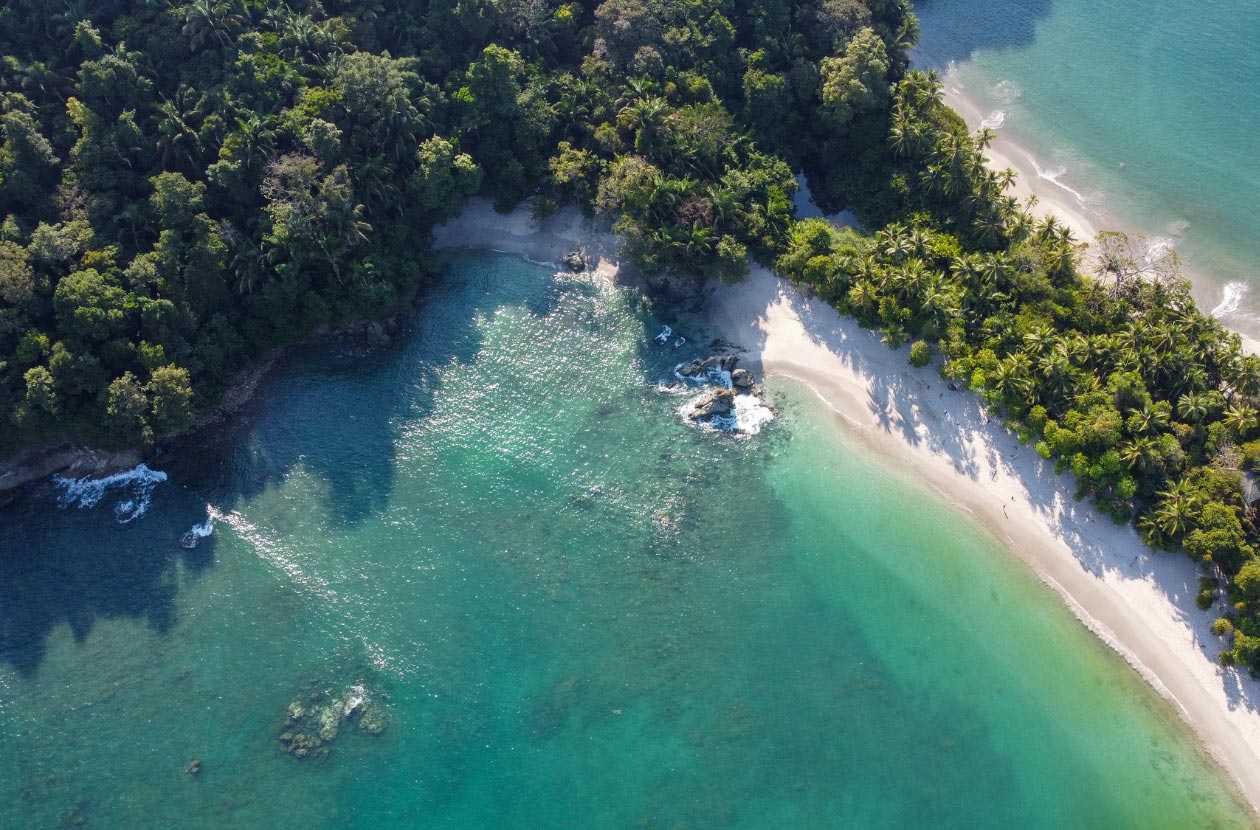
| Beach | Access | Best For | Crowds |
|---|---|---|---|
| Playa Manuel Antonio | Park ticket required | Swimming, wildlife | High |
| Playa Espadilla Sur | Park ticket required | Boogie boarding | Medium |
| Playa Espadilla Norte | Free | Surfing, beach activities | High |
| Playa Biesanz | Free | Kayaking, calm swimming | Low to Medium |
| Playitas | Free (via trail) | Relaxation | Low |
The national park and beaches could easily fill your entire visit. But if you have extra time, Manuel Antonio and the surrounding area offer plenty more to do.
The national park contains several well-marked trails suitable for all fitness levels. The main trail connects the entrance to Playa Manuel Antonio and runs about 1.3 kilometers along flat, sandy terrain. This accessible path works well for families with young children and travelers with mobility challenges.
Outside the park, the Rainmaker Conservation Project offers more challenging jungle hiking with suspension bridges high in the canopy. The experience feels more adventurous and sees fewer visitors than the national park trails.
Manuel Antonio works well for beginner surfers but may disappoint experienced wave riders. Playa Espadilla Norte offers consistent small waves perfect for learning. Several surf schools operate on the beach with patient instructors and quality rental boards.
The southern end of Espadilla tends to have gentler waves ideal for first-timers. The northern section picks up more swell and suits intermediate surfers looking for slightly bigger rides. Advanced surfers generally prefer Dominical, about 45 minutes south, where the waves break with more power and size.
I need to be honest here. Snorkeling directly off the Manuel Antonio beaches is inconsistent at best. Visibility depends heavily on recent rainfall, tides, and currents. Playa Biesanz offers the calmest conditions, and on good days you can see tropical fish around the rocky areas. But this is not the Caribbean with guaranteed crystal clear water.
For serious snorkeling and diving, Caño Island is the destination you want. Located about 45 minutes south of Manuel Antonio by car, then 45 minutes by boat, Caño Island Biological Reserve offers some of the best underwater experiences in Costa Rica. The clear turquoise waters, healthy coral formations, and abundant marine life make the extra effort worthwhile.
Diving near Manuel Antonio itself is possible at sites like Pixie Rock, Isla Largo, and Canyon Reef. These spots feature volcanic rock formations, caverns, and decent marine life including eagle rays, lobsters, and various reef fish. However, visibility and conditions are less reliable than at Caño Island. Advanced divers will feel more comfortable with the currents and surge typical of this coastline.
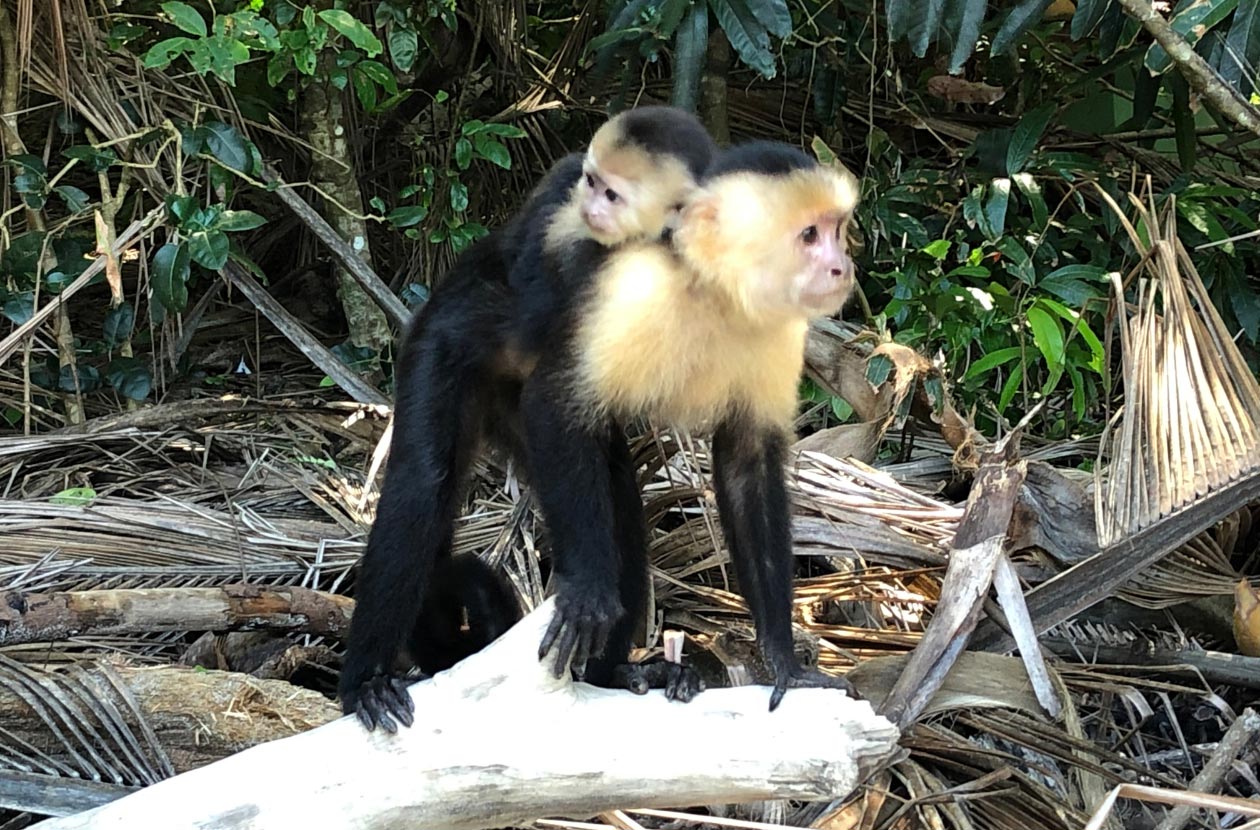
Accommodation options in Manuel Antonio range from backpacker hostels to world-class luxury resorts. Most hotels perch on the hillside between Quepos and the national park, offering jungle settings and ocean views. Very few properties sit directly on the beach due to environmental restrictions.
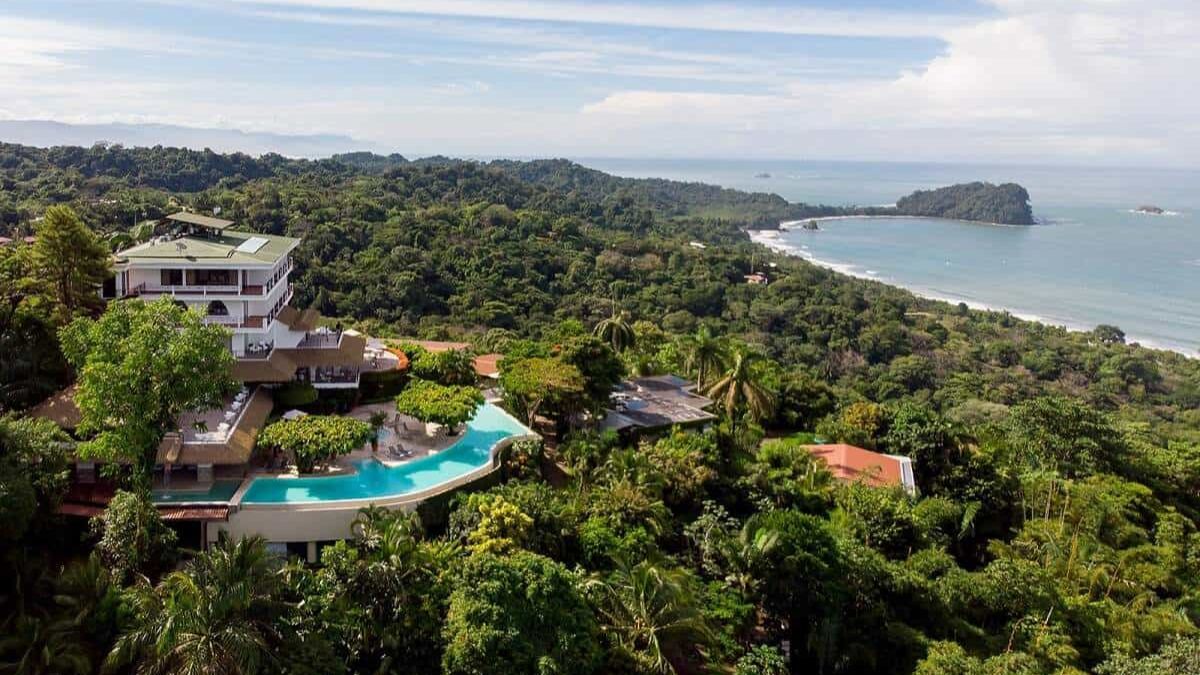
Manuel Antonio hotels put you closer to the national park and beaches. The hillside setting provides jungle atmosphere and often ocean views. Restaurants and activities cluster conveniently along the main road. This area suits travelers focused on the nature experience.
Quepos offers a more authentic Costa Rican town feel. You will find local sodas, markets, banks, and everyday services. Prices for food and accommodation tend to be lower. The marina area has good restaurants and nightlife. However, you will need transportation to reach the park and beaches.
My recommendation: stay in Manuel Antonio if this is your only Pacific coast stop. Stay in Quepos if you want to save money or experience local life beyond the tourist zone.
Fair warning: restaurants in Manuel Antonio charge tourist prices. A plate of fish that costs 4,000 colones in Quepos runs 12,000 colones near the park. That said, good meals exist if you know where to look. My approach? Mix fancy dinners with local spots.
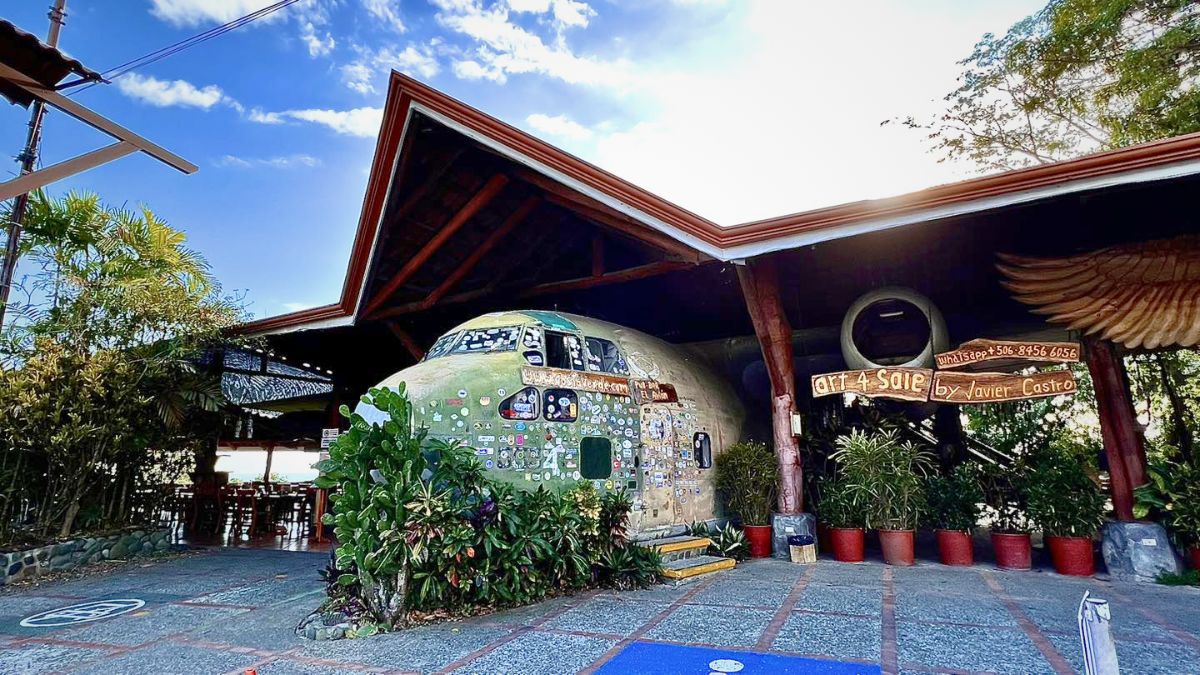
Getting to Manuel Antonio is straightforward from anywhere in Costa Rica. The well-maintained highway from San José makes driving easy. Public transportation, shuttles, and even flights provide alternatives for those without rental cars.
Manuel Antonio lies approximately 157 kilometers from San José, translating to a 2.5 to 3 hour drive. The route follows Highway 27 west through the mountains, then Highway 34 south along the coast. The entire journey is on paved roads in good condition.
The drive itself is scenic and pleasant. After climbing out of the Central Valley, the road descends through mountain passes with impressive views. The coastal section passes through small towns and offers glimpses of the Pacific. Consider stopping in Jacó for lunch to break up the journey.
Yes, Quepos has a small local airport called La Managua that receives domestic flights. Sansa Airlines operates daily flights from San José that take about 25 minutes. One-way fares typically range from 75 to 150 dollars depending on the season and booking timing.
Flying makes sense if you want to maximize your time and minimize driving. Some travelers fly one direction and drive the other to experience both the quick aerial journey and the scenic highway. Rental cars are available in Quepos for those who fly in.
Direct buses connect San José to Quepos multiple times daily. The journey takes about 4 hours and costs around 4,500 colones (roughly 8 dollars). Buses depart from the Terminal Tracopa in San José at 5:30 AM and 12:00 PM.
From the Quepos bus station, local buses run to Manuel Antonio village and the national park entrance every 30 minutes or so. The fare is minimal, around 380 colones. This service makes getting around without a car entirely feasible.
From Jacó, you can catch a bus to Quepos and then connect to Manuel Antonio. The journey involves a transfer but remains affordable and straightforward for budget travelers.
A rental car provides the most flexibility for exploring Manuel Antonio and the surrounding region. Having your own vehicle lets you visit beaches, restaurants, and attractions on your own schedule. Day trips to Uvita, Dominical, or the waterfalls become easy adventures.
That said, Manuel Antonio is one of the few Costa Rica destinations where you can manage comfortably without a car. Hotels arrange airport transfers. The local bus covers the route between Quepos and the park. Taxis and Ubers are available. Walking works for reaching many restaurants and shops.
Parking in Manuel Antonio requires attention. The road is narrow, and spaces are limited. Never leave valuables visible in your car. Use the designated parking lots near the national park entrance rather than street parking.
Shared and private shuttles connect Manuel Antonio to major destinations throughout Costa Rica. Shared shuttles to San José cost approximately 50 to 75 dollars per person. Private transfers offer more convenience at higher prices, typically 150 to 250 dollars for a vehicle.
Shuttle services like Interbus and Grayline provide comfortable, air-conditioned transportation with hotel pickup and drop-off. Book in advance during high season when vehicles fill up quickly.
| Option | Duration | Cost (approx.) | Best For |
|---|---|---|---|
| Rental car from SJO | 2.5-3 hours | $40-80/day + fuel | Flexibility, day trips |
| Domestic flight | 25 minutes | $75-150 one way | Time savings |
| Shared shuttle | 3-3.5 hours | $50-75 per person | Comfort without driving |
| Private shuttle | 2.5-3 hours | $150-250 per vehicle | Groups, convenience |
| Public bus | 4 hours | $8 | Budget travelers |
Manuel Antonio enjoys warm tropical weather year-round, but seasons affect your experience in important ways. Understanding the patterns helps you pick the right timing. For broader context, check our guide on the best time to visit Manuel Antonio.
The weather in Manuel Antonio stays warm all year. Expect daytime temperatures between 27 and 32 degrees Celsius (80 to 90 Fahrenheit). Nights cool down to around 22 to 24 degrees (72 to 75 Fahrenheit). Humidity? Always high. Pack accordingly.
The dry season runs from mid-December through April. During these months, expect sunny skies, minimal rainfall, and the classic tropical beach weather most visitors imagine. February and March are typically the driest months.
The rainy season, locally called the green season, lasts from May through November. Rain usually falls in the afternoon or evening, often as dramatic but brief thunderstorms. Mornings tend to stay dry and sunny. September, October, and November see the heaviest rainfall.
High season coincides with the dry season, running from mid-December through Easter week. This period brings the best weather but also the largest crowds and highest prices. Hotels book up quickly, especially around Christmas, New Year, and Easter. The national park reaches its daily visitor limit early on many days.
July and early August see another busy period when Costa Rican families take summer vacations. Expect crowded beaches and popular restaurants during these weeks.
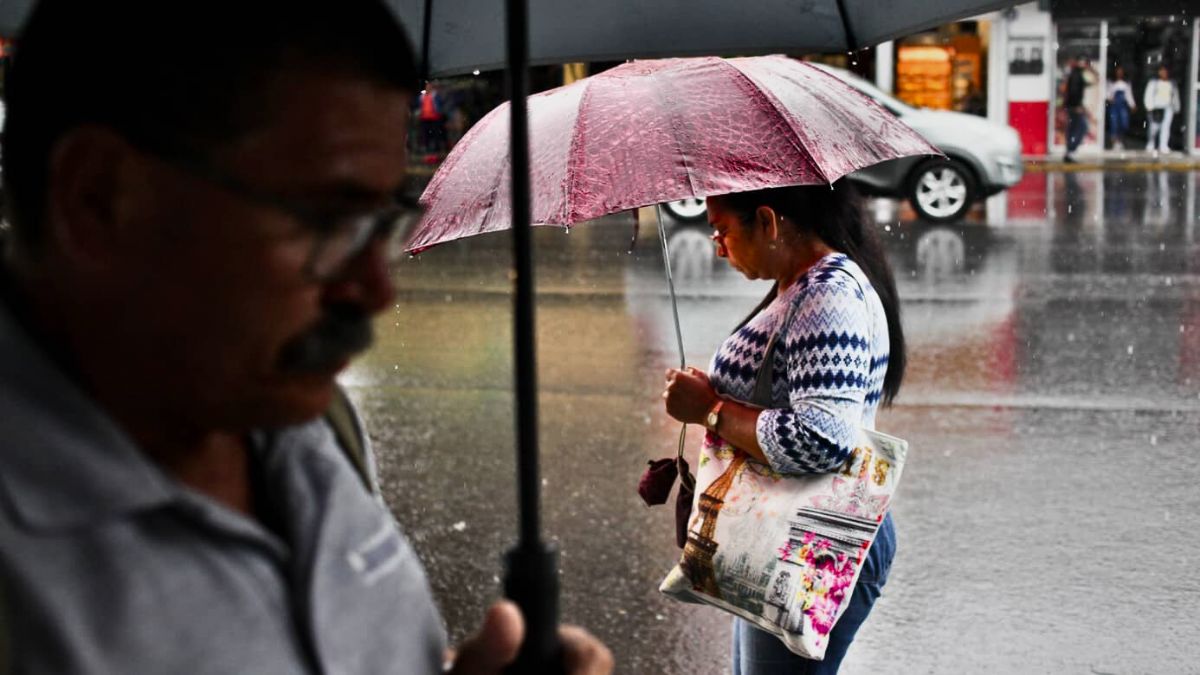
Absolutely. The green season offers significant advantages for the right traveler. Hotel rates drop by 20 to 40 percent. The national park never reaches capacity limits. Restaurant reservations become unnecessary. The jungle looks especially lush and vibrant after regular rainfall.
Wildlife activity often increases during the rainy months. Animals move around more when temperatures moderate. The rainforest comes alive with the sounds of frogs, insects, and birds responding to the moisture.
To enjoy the green season, adjust your daily schedule. Book activities and visit the national park in the morning before rain arrives. Save indoor activities, dining, and relaxation for afternoons. Always carry a light rain jacket. Embrace the occasional downpour as part of the authentic tropical experience.
Most travelers spend two to four nights in Manuel Antonio. This allows enough time to visit the national park, enjoy the beaches, and experience a few additional activities. Rushing through in a single day means missing much of what makes the area special.
A few practical considerations help ensure a smooth, enjoyable visit. Knowing what to expect and how to prepare makes a real difference in your experience.
Manuel Antonio is generally safe for tourists. The area depends economically on tourism, so locals have strong incentives to keep visitors happy and secure. Violent crime against tourists is rare.
Petty theft does occur, particularly targeting unattended belongings. Never leave valuables visible in your rental car. Watch your bags on the beach. Do not leave items unattended while swimming. These common-sense precautions prevent most problems.
Wildlife poses the main safety consideration unique to Manuel Antonio. Monkeys will steal food and anything that looks like it might contain food. Keep bags closed and never feed the animals. The park strictly prohibits feeding wildlife, and doing so earns substantial fines.
Pack light, breathable clothing suitable for hot, humid weather. Quick-dry fabrics work better than cotton. Bring comfortable walking shoes for jungle trails and sandals for the beach. A light rain jacket or poncho is essential, even in dry season.
Reef-safe sunscreen protects both your skin and the marine environment. Insect repellent with DEET helps during evening hours and on shaded trails. A refillable water bottle keeps you hydrated without creating plastic waste.
Binoculars enhance wildlife viewing tremendously. If you do not own a pair, consider buying an inexpensive set before your trip. A waterproof phone case protects your device at the beach and during water activities.
Yes, Manuel Antonio delivers one of Costa Rica’s most complete travel experiences. The combination of accessible wildlife viewing, beautiful beaches, good accommodation options, and convenient location makes it worth including on most Costa Rica itineraries. The area does get crowded during high season, but arriving early at the national park and choosing less popular beaches helps avoid the masses.
The entrance fee is $18 USD for international adult visitors. Children ages 2-12 pay $5.65 USD. Costa Rican residents pay significantly less. Tickets must be purchased in advance online through the official SINAC website. You cannot buy tickets at the park entrance.
Yes, both two-toed and three-toed sloths live in Manuel Antonio National Park and the surrounding area. Sightings are common but not guaranteed. Hiring a naturalist guide with a spotting scope dramatically increases your chances. Sloths move slowly and blend into the foliage, making them difficult for untrained eyes to spot.
During high season from December through April, Manuel Antonio gets quite busy. The national park limits daily visitors to about 1,200 people, but popular beaches and restaurants still feel crowded. Visiting during green season from May through November offers a much quieter experience with lower prices.
A car is helpful but not essential in Manuel Antonio. Local buses run frequently between Quepos and the national park. Hotels arrange airport transfers. Taxis and ride-sharing services are available. However, a rental car provides flexibility for exploring the broader region and visiting attractions like Nauyaca Waterfalls or Uvita.
Manuel Antonio is famous for its national park, which combines tropical rainforest with pristine beaches in a compact, accessible area. The abundant wildlife, including three monkey species and both sloth species, creates memorable encounters for visitors. Forbes named it one of the world’s 12 most beautiful national parks in 2011.
Manuel Antonio gives you a taste of everything Costa Rica does well. Jungle, wildlife, beaches, good food. All without complicated logistics or rough roads. It works for families, couples, solo travelers, and groups.
Start planning by booking your national park tickets and accommodation, especially if visiting during high season. Decide whether you want the flexibility of a rental car or the simplicity of shuttle transfers and local buses. Research a few activities beyond the park that match your interests.
Information in this guide draws from official Costa Rica tourism resources and conservation authorities:

Author: Peter Sawicki
Peter Sawicki is a PADI instructor with many years of experience and hundreds of certified students to his name. He is a technical diver, cave explorer, and climbing instructor with a background that spans both big wall expeditions and demanding technical ice climbs. Recognized multiple times with the prestigious PADI Elite Instructor Award, Peter combines deep professional knowledge with a passion for sharing the world of adventure, both underwater and above it.