
Last week, a couple from Germany asked me the best way to reach Manuel Antonio National Park after their morning dive at Caño Island. They had read conflicting advice online and weren’t sure whether to rent a car, take a bus, or book a shuttle.
After bringing hundreds of dive clients to Manuel Antonio over the years, I’ve tested every transportation method. Some options work great. Others waste time and money.
Here’s everything you need to know about getting to Manuel Antonio, based on real experience helping travelers navigate Costa Rica’s roads, buses, and flights.
Manuel Antonio sits on Costa Rica’s central Pacific coast, about 170 kilometers south of San Jose. The actual national park occupies a small peninsula, while most hotels spread along the hillside road connecting to Quepos.
Quepos is the main town and gateway to Manuel Antonio. You’ll pass through Quepos to reach the park. This is where you’ll find the bus station, airport, supermarkets, and services.
From Uvita, Manuel Antonio is only 60 kilometers north. Many clients combine a day at the park with their diving trips down south.
Most transportation drops you in Quepos. From there, you’ll take a local bus, taxi, or walk to your accommodation along the 7-kilometer stretch to the park entrance.
Understanding this distinction helps you plan the final leg of your journey.
Did you know? Manuel Antonio National Park is Costa Rica’s smallest national park at just 683 hectares, yet it’s one of the most biodiverse places on Earth. You might spot sloths, monkeys, iguanas, and over 180 bird species in a single morning.
Most international visitors start in San Jose, about three hours northeast of Manuel Antonio. You have five main options for covering that distance.
Yes, and it’s one of my favorite options for groups or families. The drive takes about three hours, following well-maintained highways most of the way.
Take Route 27 west from the capital. After the fourth toll booth at Pavón, merge onto Route 34, the Costanera Sur coastal highway. This scenic road hugs the Pacific and takes you straight to Quepos.
You don’t need a 4×4. A regular sedan works perfectly during dry season.
Toll booths: Three total, about 1,800 colones ($3.50 USD). They accept credit cards now.
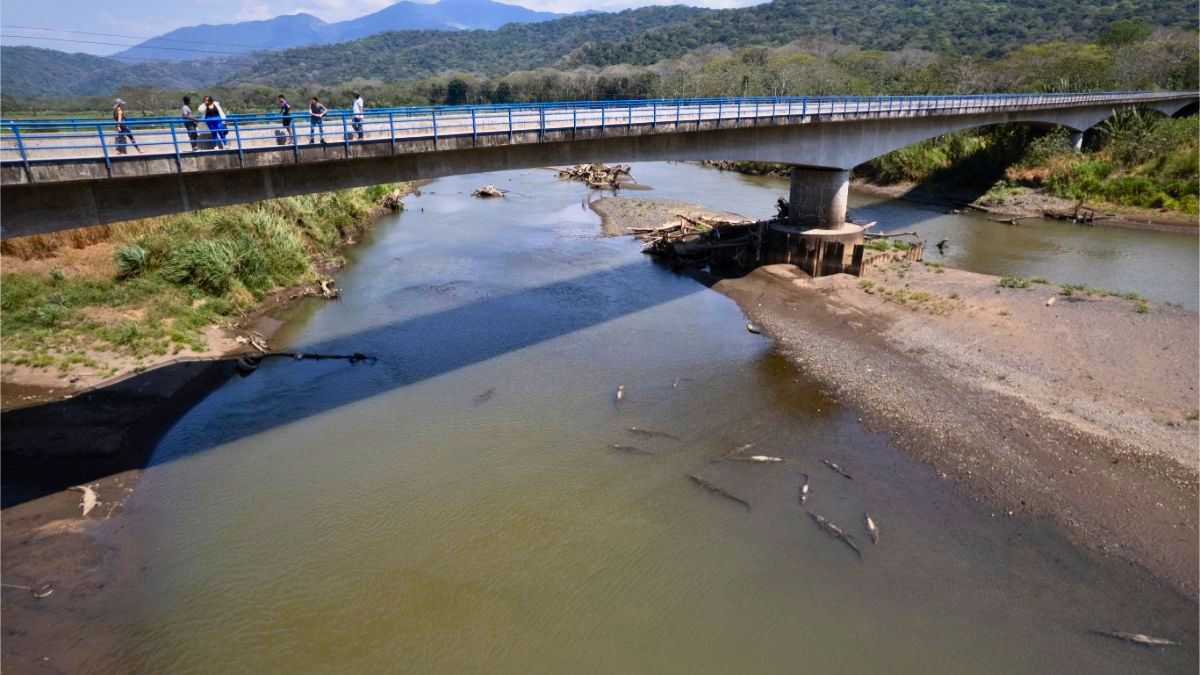
Crocodile Bridge over the Tarcoles River comes up 75 minutes into your drive. Pull over safely to spot massive crocodiles sunbathing below. Just watch your belongings.
Jaco Beach appears at 90 minutes. This surf town offers restaurants and bathrooms. The Jaco Viewpoint five minutes south gives panoramic coastal views.
Safety tips: Lock doors and roll up windows at every stop. Put luggage in the trunk before driving. Park where other tourists gather. Never leave valuables visible. Avoid driving after dark. Sunset hits around 6 PM year-round.
The Tracopa public bus wins by far. A direct ticket from San Jose to Quepos costs 5,510 colones ($11 USD).
I’ve put clients on this bus dozens of times. It’s reliable, comfortable, and efficient.
Head to the Tracopa terminal in downtown San Jose (Calle 5, Avenida 18-20). Take an Uber from the airport for about $15-20. Buses depart ten times daily between 6 AM and 7:30 PM.
Arrive 30-60 minutes early. You can’t buy tickets online. Cash only at the ticket window.
The bus makes one stop about two hours in for bathrooms and snacks. Total journey: 3.5-4.5 hours.
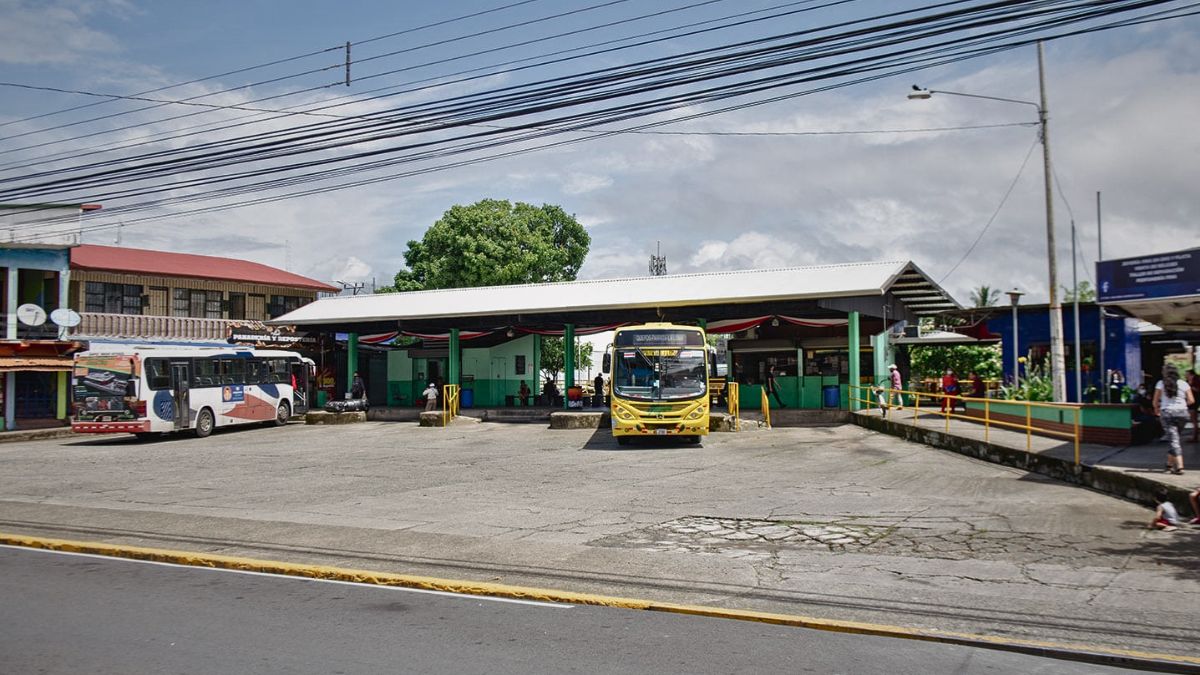
From Quepos to your hotel: Take a taxi (2,000-5,000 colones) or the local bus that runs every 20-30 minutes to the park entrance. The local bus costs just 335 colones. Pay the driver when you board and tell him your hotel name.
Shared shuttles cost $50-75 per person and provide door-to-door service. These vans carry 10-15 passengers with one scheduled stop.
For solo travelers or couples on a budget, the bus makes more sense. For families with young kids or seniors, shuttles work well.
I recommend shuttles when clients have awkward airport arrival times or need guaranteed seats during peak season when buses sell out.
Private transfers cost $220-280 for up to five passengers. Split among four or five people, it’s competitive with shuttles and way more convenient.
Book private transfers when:
You’re traveling with dive gear. Private drivers have room and won’t complain. Bus compartments get cramped, and shuttle drivers sometimes charge extra.
You want flexibility. Stop at Crocodile Bridge, grab lunch in Jaco, or detour anywhere you want.
You’re arriving late at SJO. A private driver navigates rush hour better than you would.
You have a group of four or more. The math works out at $55-70 per person.
Quepos Airport sits 10 minutes outside town. Sansa Air and Green Airways offer daily flights. The flight takes 20-25 minutes and costs around $150 one-way per person.
Here’s the reality: You arrive 60-90 minutes before departure. After landing, you pay for a taxi to your hotel ($15-25). You spend nearly as much time as driving but pay triple.
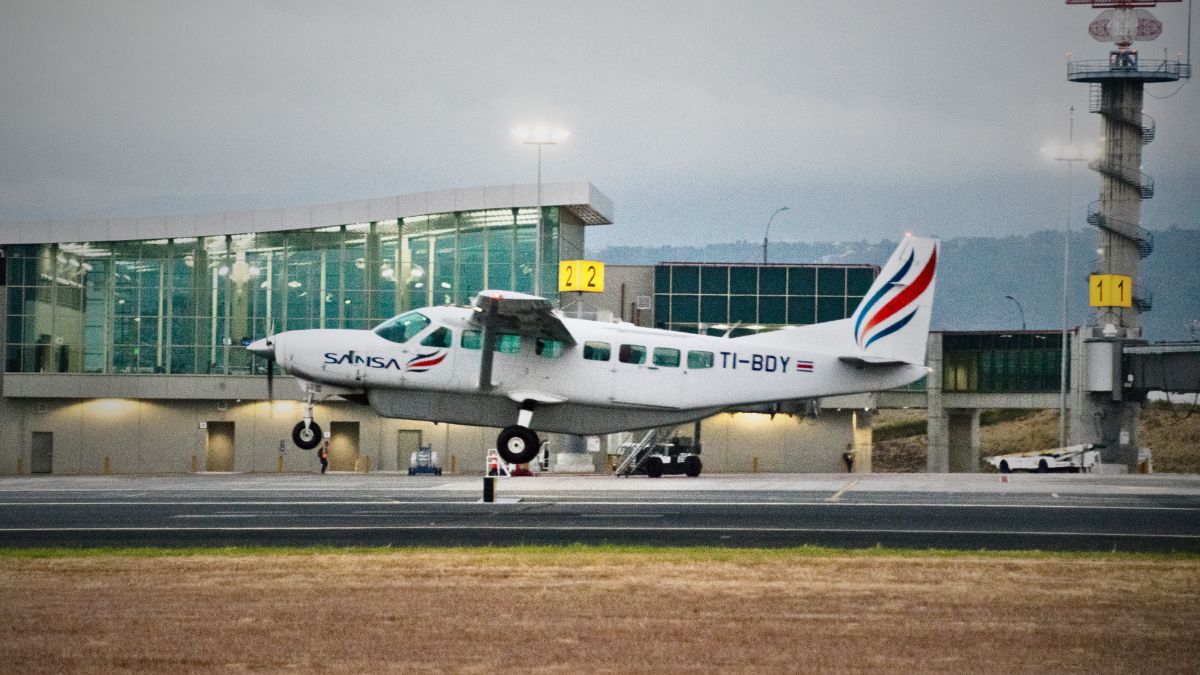
Baggage restrictions matter. Airlines limit checked bags to 14-15 kilograms. Traveling with dive gear? You’ll hit these limits and pay $100+ in overweight fees.
When flying makes sense: Tight schedule and money isn’t the main concern.
When it doesn’t: Budget travel, lots of luggage, dive equipment, or family groups where rental car costs split nicely.
Most of my clients drive or take the bus.
This one’s easy since I make this trip constantly. Just 60 kilometers via Route 34, taking 45-50 minutes.
Drive north from Uvita through Dominical along the coast. The road quality is excellent.
Public bus option: Buses run between Uvita and Quepos several times daily for about 2,000 colones ($4 USD), taking roughly an hour.
This route is perfect for combining activities. Many clients spend two days diving Caño Island, then head north to explore Manuel Antonio on day three.
Jaco sits 70 kilometers north of Quepos. The drive takes one hour on the coastal highway.
Direct buses connect Jaco to Quepos multiple times daily for roughly 2,500 colones ($5 USD), taking about two hours.
Driving yourself is straightforward on Route 34.
La Fortuna to Manuel Antonio covers 220 kilometers. Expect 5-6 hours of driving.
Shared shuttles run daily for $59-77 per person. Private transfers cost around $390 for up to six people.
This is a popular combination: volcano hot springs around Arenal, then beach time and wildlife in Manuel Antonio. Build in a full travel day between destinations.
The drive takes 4-5 hours with rough, unpaved sections leading out of Monteverde.
I strongly recommend shared shuttles ($65-85 per person) or private transfers over driving yourself. The shuttles know the roads and handle them daily.
If you drive, rent a high-clearance vehicle. Don’t attempt this after dark or during heavy rain.

Rental cars give maximum flexibility for combining Manuel Antonio with south pacific diving. You can leave early for 7-8 AM boat departures and adjust your schedule freely.
Suggested itinerary:
Day 1: Arrive San Jose, drive to Manuel Antonio (3 hours)
Day 2: Explore Manuel Antonio National Park
Day 3: Drive to Uvita (45 min) to explore Marino Ballena National Park
Day 4: Morning dive, drive back to San Jose or extend your stay
The rental car makes this smooth.
San Jose traffic: Rush hour (7-9 AM and 4-7 PM) adds hours to your drive. Leave before 3 PM or after 7 PM.
Not booking ahead during peak season: Christmas, New Year, and Easter fill buses quickly.
Leaving valuables in rental cars: Put everything in the trunk before parking.
Arriving too late for park entry: Manuel Antonio limits daily visitors. During high season, capacity hits by 10-11 AM.
Forgetting cash: Carry colones for local buses, tolls, and small vendors.
The math: For solo travelers or couples, the bus wins on price. For groups of four or more, rental cars or private transfers become cost-effective.
The flight saves maybe 30-60 minutes while costing significantly more.
No. The highways are fully paved and well-maintained. A standard sedan works perfectly.
I drive this route in a regular 2WD car constantly. Save money on the rental.
Local buses run between Quepos and the park every 20-30 minutes (5:30 AM-9:30 PM) for 335 colones.
Taxis cost 2,000-3,000 colones ($4-6) from Quepos to the park. Official taxis are red with a yellow triangle.
Hotel shuttles: Many hotels offer free shuttle service to the park entrance. Ask when booking.
Here’s my honest recommendation:
Budget travelers: Take the Tracopa bus. Reliable, cheap, comfortable.
Families or groups of 4+: Rent a car or book private transfer. The flexibility and cost-per-person math work in your favor.
Travelers with dive gear: Rent a car or use private transfer. Skip the luggage hassle.
My personal favorite: Driving myself in a rental car. I can stop when I want, grab lunch at roadside sodas, and explore both Manuel Antonio and the southern diving region freely.
Whether you arrive by bus, shuttle, car, or plane, Manuel Antonio’s combination of pristine beaches, accessible rainforest trails, and incredible wildlife makes any journey worthwhile.
Getting here is just the beginning of your South Pacific adventure. Once you arrive, you’ll discover why this coastline remains one of Costa Rica’s most authentic and beautiful destinations.
Need help planning your Manuel Antonio trip beyond transportation? Check out these resources:
Author: Peter Sawicki
Peter Sawicki is a PADI instructor with many years of experience and hundreds of certified students to his name. He is a technical diver, cave explorer, and climbing instructor with a background that spans both big wall expeditions and demanding technical ice climbs. Recognized multiple times with the prestigious PADI Elite Instructor Award, Peter combines deep professional knowledge with a passion for sharing the world of adventure, both underwater and above it.