I still remember that morning in Thailand. A student showed up for his Open Water certification after devouring a massive plate of spicy pad thai and fried spring rolls. Thirty minutes into the dive, he was clutching his stomach, struggling to focus on basic skills. We had to abort.
That experience taught me something every diver learns eventually: what you eat before scuba diving matters more than most people realize. After 15 years as a diving instructor and thousands of dives across Costa Rica, Thailand, and Europe, I’ve seen how the right food choices transform a dive from miserable to magical.
This guide covers everything you need to know about diver nutrition. You’ll learn what to eat, what to avoid, and how to time your meals for the safest, most enjoyable underwater experience.
Why Does Food Matter Before Scuba Diving?
Scuba diving places unique demands on your body. You’re breathing compressed air, regulating your temperature in cooler water, and burning energy just to stay warm and move through resistance.
Poor food choices can lead to nausea, cramps, fatigue, and discomfort that ruin your dive. In some cases, they create genuine safety risks.
The connection between nutrition and diving safety runs deeper than most divers realize. Proper hydration affects your risk of decompression sickness. The wrong foods can cause dangerous gas expansion at depth. And showing up hungry leads to poor judgment and fatigue.
Getting your pre-dive nutrition right isn’t complicated. But it does require some planning.
How Does Diving Affect Your Body’s Energy Needs?
Your body works harder underwater than you might expect. Even on a relaxed dive, you’re burning significant calories.
Research suggests scuba diving burns between 300 and 700 calories per hour, depending on conditions. A shore dive in temperate water can burn around 600 calories per hour. That’s similar to jogging at a moderate pace.
Did you know? The body’s thermoregulation process accounts for the majority of calories burned during a dive. Your metabolism increases significantly when immersed in water cooler than your core temperature.
Several factors drive this calorie burn. Your body uses tremendous energy maintaining its core temperature. Water conducts heat away from your body 25 times faster than air. Even in tropical waters around 28 degrees Celsius, your body works constantly to stay warm.
You’re also moving against water resistance. Every fin kick requires more effort than the same motion on land. Add carrying heavy gear before and after the dive, and the energy demands stack up quickly.
What Should You Eat Before Scuba Diving?
The best food before scuba diving provides steady energy without causing digestive problems. Focus on easily digestible options that combine complex carbohydrates, lean proteins, and healthy fats.
What Is the Best Breakfast Before a Morning Dive?
Most dive trips start early. A 7am departure means eating breakfast around 4:30 or 5am. Not ideal, but necessary.
Keep your morning meal light and familiar. Good options include:
- Eggs prepared any way you prefer. They provide protein and sustained energy without being heavy.
- Oatmeal or whole grain cereal with milk or yogurt. Complex carbohydrates release energy slowly throughout your dive.
- Bananas are practically perfect dive food. They provide quick energy, contain potassium that helps prevent cramps, and digest easily.
- Toast with peanut butter combines carbohydrates with healthy fats and protein. It keeps you satisfied without feeling stuffed.
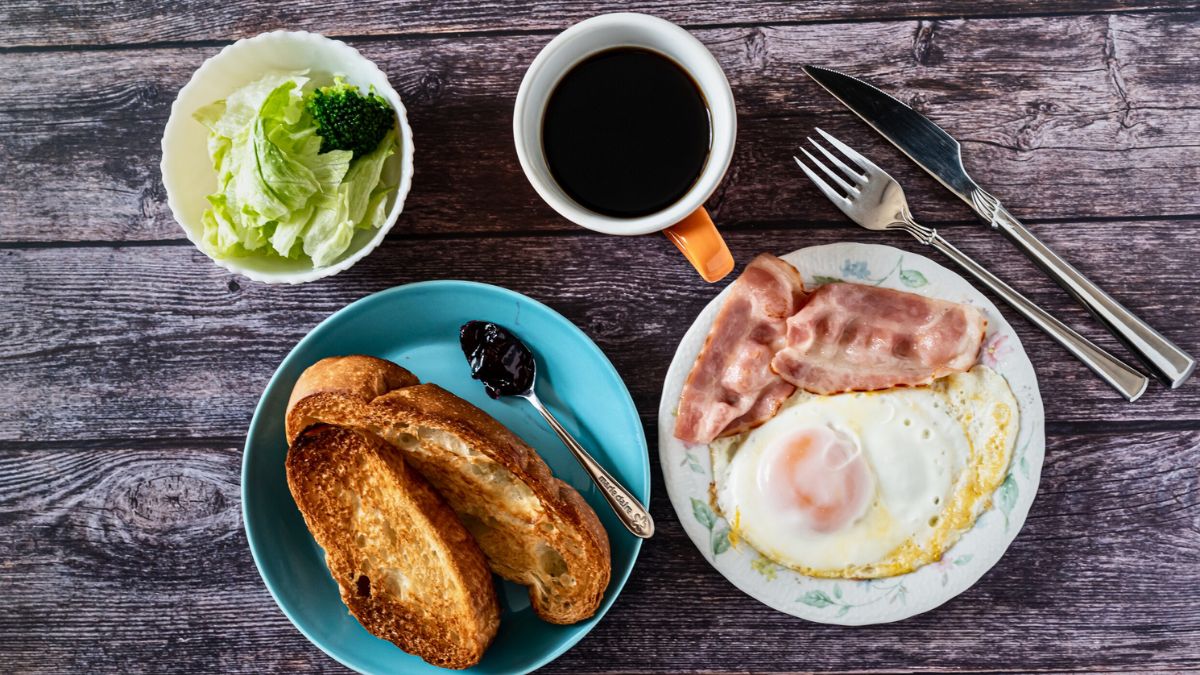
Avoid heavy, greasy breakfasts like bacon, sausages, or fried foods. These take longer to digest and can cause problems underwater.
Which Foods Give You Energy for Diving?
The best foods for diving energy fall into a few categories.
- Complex carbohydrates provide the foundation. Brown rice, whole grain bread, oatmeal, and sweet potatoes release energy gradually.
- Lean proteins like eggs, chicken, fish, or tofu support muscle function and help you feel satisfied longer.
- Healthy fats from nuts, avocados, and olive oil provide sustained energy for longer dives or multi-dive days.
- Magnesium-rich foods deserve special attention if you’re prone to leg or foot cramps. Spinach, dark chocolate, bananas, and nuts all contain magnesium that helps prevent those painful mid-dive cramps.
The timing matters as much as the food itself. Eat your main meal 2 to 3 hours before diving. This gives your body time to digest properly.
What Are the Best Snacks Between Dives?
Surface intervals are your opportunity to refuel. Your body has burned calories and needs replenishment before the next dive.
Keep snacks simple and portable. Great options include:
- Bananas remain the top choice. Easy to eat on a rocking boat, packed with energy and potassium.
- Nuts like almonds, walnuts, or cashews. High in protein and healthy fats. Choose unsalted versions to avoid excess sodium.
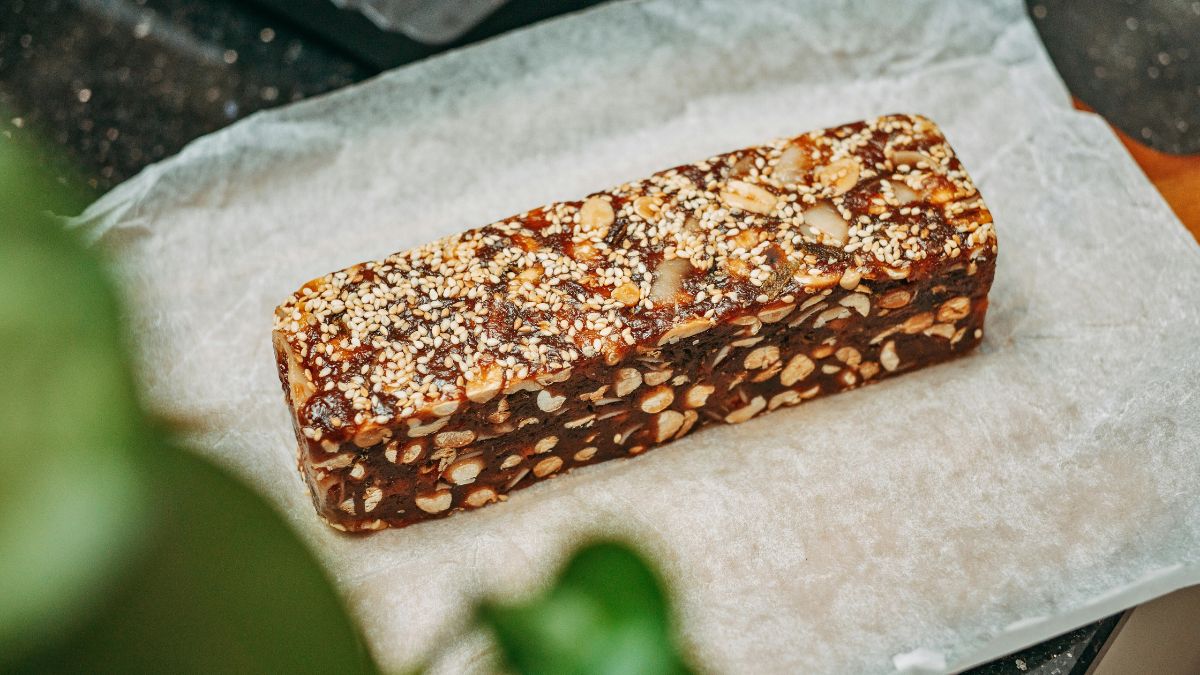
- Energy bars or granola bars provide quick carbohydrates. Look for options without too much added sugar.
- Sandwiches with simple fillings work well if you have a longer surface interval.
- Fresh fruit like apples or oranges give you hydration along with natural sugars.
Avoid eating too much between dives. A heavy meal during your surface interval can cause problems on the next dive. Stick to light snacks that restore energy without overloading your digestive system.
Fun fact: Many professional divers swear by dark chocolate between dives. It contains magnesium for cramp prevention and provides a quick energy boost. Research has even shown that dark chocolate may improve cardiovascular response to diving stress.
What Foods Should You Avoid Before Diving?
Some foods create problems ranging from annoying discomfort to genuine safety concerns. Knowing what to avoid is just as important as knowing what to eat.
Why Should You Skip Spicy and Oily Food Before a Dive?
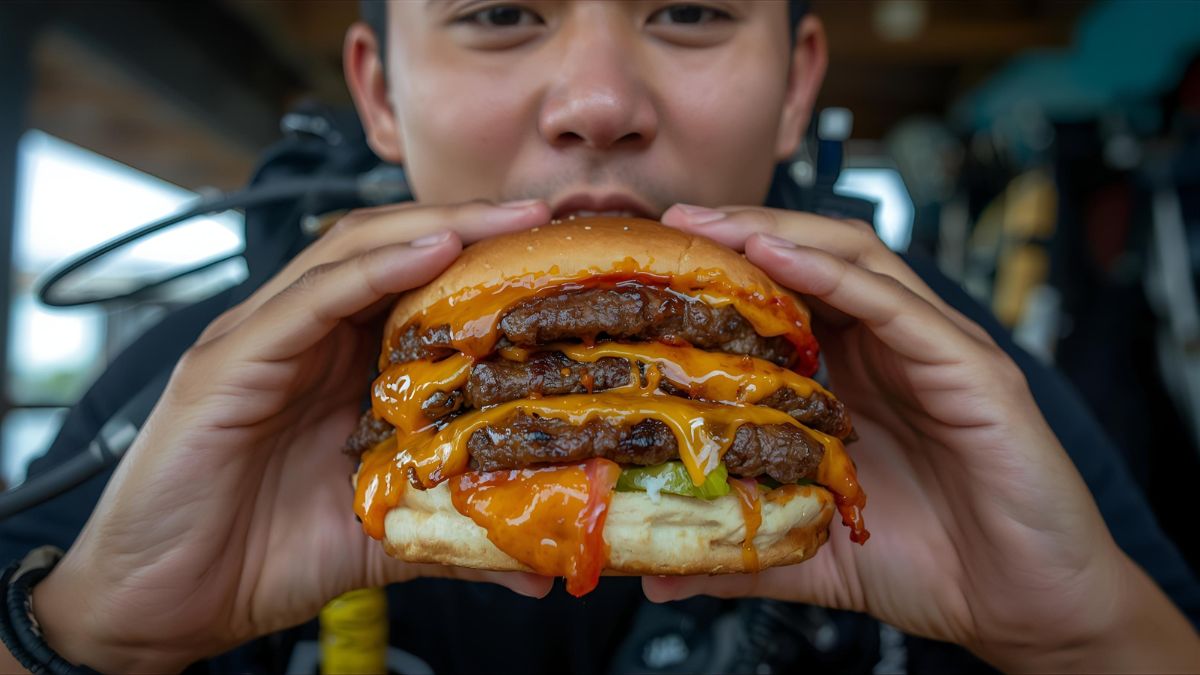
Spicy curries, fried foods, and heavily oiled dishes are among the worst choices before diving.
These foods are difficult to digest. When your body works to process a heavy meal, blood flow concentrates in your digestive system. This can leave you feeling sluggish and uncomfortable.
Oily and spicy foods increase the risk of acid reflux and heartburn. These conditions become much worse underwater, where pressure changes affect your digestive system.
Avoid spicy and greasy food
The worst case scenario involves vomiting during a dive. While regulators are designed to expel liquids, vomiting underwater can trigger panic in less experienced divers. This panic can lead to dangerous behaviors like irregular breathing or rapid ascent.
I once saw a diver attempt to surface too quickly after becoming nauseous from pre-dive food choices. Fortunately, their buddy intervened. But the situation could have ended badly.
Save the exotic local cuisine for dinner after your dives are complete.
Can You Drink Alcohol Before Scuba Diving?
The short answer is no. Never drink alcohol before diving.
Alcohol increases your risk of decompression sickness. It causes dehydration, which thickens your blood and reduces your body’s ability to eliminate dissolved nitrogen. The Divers Alert Network identifies dehydration as a contributing risk factor for DCS.
Alcohol also impairs judgment and slows reaction time. These effects become especially dangerous underwater, where quick thinking can mean the difference between a minor problem and a serious emergency.
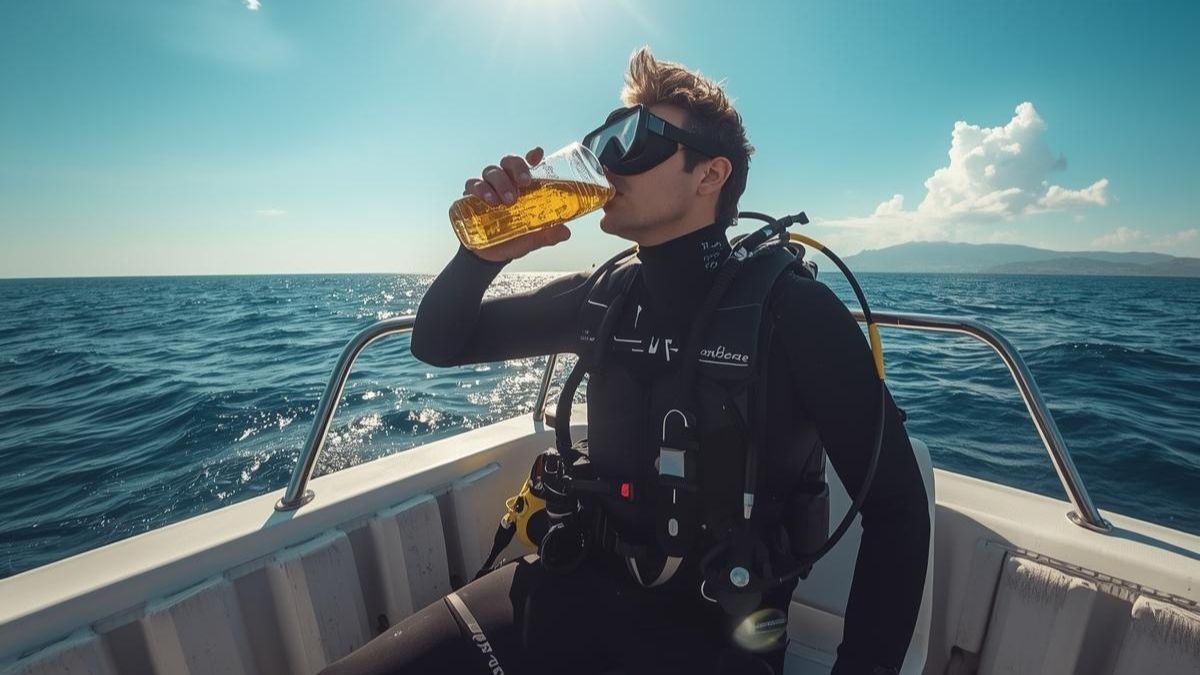
Alcohol and diving are a big NO-NO
Additionally, alcohol symptoms can mask early signs of decompression sickness. If you’ve been drinking after diving and experience tingling, dizziness, or confusion, you might not recognize these as potential DCS symptoms.
Most dive operations require at least 8 hours between drinking and diving. Many experienced divers extend this to 12 or 24 hours, especially before deeper or more demanding dives.
The simple rule: save the celebratory drinks for after your final dive of the day.
Which Vegetables Can Cause Problems Before Diving?
Certain vegetables are notorious for producing intestinal gas. This gas can expand at depth, causing significant discomfort.
Foods to avoid before diving include:
- Beans and legumes are the biggest offenders. Complex sugars ferment in your intestines, producing gas.
- Cruciferous vegetables like broccoli, cauliflower, cabbage also cause bloating for many people.
- Onions and garlic can trigger digestive issues in some divers.
This doesn’t mean you should avoid vegetables entirely. Many vegetables are excellent choices. But save the gas-producing varieties for post-dive meals.
Should You Avoid Caffeine Before Diving?
Caffeine is a mild diuretic, meaning it increases urine production and can contribute to dehydration.
However, the research on caffeine and diving isn’t conclusive. If you normally drink coffee or tea in the morning, stopping suddenly on dive days can cause withdrawal headaches. Those are equally problematic.
The sensible approach is moderation. One cup of coffee is unlikely to cause problems if you also drink plenty of water. But avoid excessive caffeine before diving, and compensate with extra hydration.
How Important Is Hydration for Scuba Divers?
Hydration is arguably the most important nutritional factor for divers. Dehydration increases your risk of decompression sickness and can cause a host of other problems.
Why Do Divers Get Dehydrated?
Several factors combine to dehydrate divers faster than people realize.
- Breathing compressed air is inherently dehydrating. The air in your tank is completely dry. Every breath you take underwater requires your body to add moisture, drawing water from your tissues.
- Immersion diuresis causes increased urine production during diving. When you enter the water, blood shifts from your extremities toward your core. Your body interprets this as excess fluid volume and signals your kidneys to produce more urine.
- Sun exposure and tropical heat compound the problem. Most diving happens in warm locations where you’re sweating before you even enter the water.
- Air travel before diving trips adds to dehydration. Airplane cabins have extremely low humidity. A long flight can leave you significantly dehydrated before your diving even begins.
The Divers Alert Network runs a campaign called “More Water, Less Bubbles.” Research has shown that pre-dive hydration significantly decreases circulating bubbles after diving, reducing DCS risk.
How Much Water Should You Drink Before Diving?
Start hydrating 24 hours before your first dive. Don’t try to make up for days of dehydration by drinking large amounts right before diving.
Aim to drink a glass of water every 15 to 20 minutes rather than gulping large amounts at once. Drinking too much too quickly triggers your kidneys to excrete the excess, defeating the purpose.
A practical approach:
- The day before diving: Drink 2 to 3 liters of water throughout the day. Avoid excessive alcohol or caffeine.
- Morning of the dive: Drink 2 to 3 glasses of water when you wake up. Continue sipping water until about an hour before your dive.
- Between dives: Keep drinking water during surface intervals. Don’t wait until you feel thirsty.
- After diving: Continue hydrating for the rest of the day. This helps your body eliminate dissolved nitrogen.
Check your urine color as a hydration indicator. Pale yellow indicates good hydration. Dark yellow suggests you need to drink more.
Did you know? Research published in diving medicine journals found that pre-dive hydration significantly decreases the formation of circulatory bubbles after diving. Staying hydrated is one of the simplest ways to reduce your DCS risk.
What Should You Eat After Scuba Diving?
Post-dive nutrition helps your body recover and prepares you for additional dives if you’re planning them.
Why Are Divers So Hungry After a Dive?
That ravenous hunger you feel after diving is completely normal. Your body has burned hundreds of calories, worked to maintain temperature, and processed nitrogen.
The combination of physical exertion, thermoregulation, and time without eating creates intense hunger. Some divers describe post-dive hunger as unlike anything they experience on land.
Don’t ignore this hunger. Your body needs fuel to recover properly.
What Is the Best Post-Dive Meal?
After your final dive of the day, you have more flexibility with food choices.
Prioritize hydration first. Drink water or electrolyte beverages to replace lost fluids.
Choose meals that include carbohydrates for energy recovery, protein for muscle repair, and vegetables for nutrients. This is the time to enjoy those local dishes you avoided before diving.
If you have more dives planned for the same day, keep post-dive meals moderate. Save the large feast for after all diving is complete.
Once diving is finished for the day and you’ve waited a few hours, moderate alcohol consumption is generally acceptable. But continue drinking water to stay hydrated and support nitrogen elimination.
Eating Tips for Multi-Day Dive Trips and Liveaboards
Extended dive trips require extra attention to nutrition. You’ll be making multiple dives daily for several consecutive days, which depletes your body more than occasional diving.
- Plan your nutrition before the trip. If you have specific dietary needs or restrictions, communicate with your liveaboard or dive operator in advance. Most operators accommodate dietary requirements but need advance notice.
- Maintain consistent hydration throughout the trip. The cumulative effects of slight daily dehydration can increase your DCS risk significantly by the end of a week.
- Balance energy intake with expenditure. You’re burning substantial calories daily. Make sure you’re eating enough to replace that energy while avoiding foods that cause digestive problems.
- Monitor your electrolytes. Multiple days of sweating, diving, and hydrating can deplete sodium, potassium, and other electrolytes. Fruits, vegetables, and sports drinks help restore balance.
- Be especially careful with alcohol. Liveaboard trips often include social drinking. Keep consumption moderate, especially before morning dives.
Most liveaboard operations understand diver nutrition and provide appropriate meals. The boat crew are usually divers themselves who know what foods work and which to avoid.
Frequently Asked Questions
How Long Before Diving Should You Eat?
Eat your main meal 2 to 3 hours before diving. This gives your body adequate time to digest.
For light snacks, 30 to 60 minutes before diving is acceptable. A banana or small handful of nuts close to dive time provides energy without overwhelming your digestive system.
Never eat a large meal immediately before diving. The combination of digestion and pressure changes creates significant discomfort and potential safety issues.
Can You Dive on an Empty Stomach?
Diving on an empty stomach is not recommended. Low blood sugar causes fatigue, dizziness, weakness, and impaired judgment. These effects are dangerous underwater.
Even if you’re not hungry in the early morning, eat something before diving. A banana and some water is better than nothing.
Some divers feel nauseous from nerves before diving. If this is you, choose bland, easily digestible foods. Crackers, plain toast, or bananas are gentle on a nervous stomach while providing necessary energy.
What If You Feel Sick During a Dive?
If you feel nauseous during a dive, don’t panic. It’s possible to vomit through a regulator if necessary. The regulator will expel the liquid while allowing you to continue breathing.
However, nausea can trigger panic responses, especially in newer divers. If you feel sick, signal your buddy, ascend at a safe rate, and end the dive if needed.
Prevention is always better than management. Proper food choices before diving significantly reduce the chance of underwater nausea.
Is It Safe to Eat Seafood Before Diving?
Cooked seafood from reputable sources is fine before diving. Fish provides excellent protein and omega-3 fatty acids.
Raw seafood like sushi, ceviche, or oysters carries more risk. If the preparation or storage isn’t perfect, you could experience food poisoning symptoms during your dive.
In tropical destinations where food safety standards vary, be cautious with raw seafood before diving. When in doubt, choose cooked options.
So what foods are good and bad to eat before diving?
What you eat before scuba diving directly affects your safety, comfort, and enjoyment underwater. The fundamentals are simple: eat light, easily digestible foods 2 to 3 hours before diving, stay well hydrated, and avoid alcohol, spicy foods, and gas-producing vegetables.
Proper nutrition is part of responsible diving practice. Just as you check your equipment and plan your dive profile, plan your meals for dive days.
The underwater world offers incredible experiences. Don’t let poor food choices keep you from enjoying them fully.
Sources and References
- Divers Alert Network – Decompression Illness
- DAN Europe – Hydration Guidelines
- DAN Southern Africa – Dehydration Factors
- PADI Blog – Power Foods for Diving