If you type “Is Costa Rica safe” into Google, you will get two types of answers. The first is from government websites showing scary statistics about rising homicide rates. The second is from travel agencies telling you it is a tropical paradise where nothing bad ever happens.
The truth lies somewhere in the middle. And as someone who has lived here for over 8 years, owns a business here, and guides people through the wildest corners of this country, I feel obligated to tell you that truth.
I am not here to sell you a tour (well, maybe later). I am here to make sure you go back home in one piece. Costa Rica is my home. I chose to live here, build a business, and dive these waters every day. But I also view this country with a critical European eye. I see the cracks in the system that a tourist on a 7-day all-inclusive trip might miss until it is too late.
This is not a sugarcoated brochure. This is a comprehensive reality check on safety in Costa Rica, covering everything from the drug trade to the biggest killer of tourists: the ocean.
The “Pura Vida” Trap: A Cultural Warning
You will hear “Pura Vida” (Pure Life) a hundred times a day. It is the national motto, representing a relaxed, happy lifestyle. But for a Westerner used to strict regulations and efficiency, “Pura Vida” can sometimes be a trap.
Coming from Europe, I am used to double-checking standards. If a sign says “danger,” it is dangerous. If a bus has a schedule, it follows it. In Costa Rica, the culture is different. “Pura Vida” often translates to a lack of urgency and a relaxed attitude toward maintenance and safety protocols.
The Cultural Gap in Costa Rica
I don’t say this to insult the local people – Ticos are incredibly warm and welcoming. But you must understand that their risk assessment is different from yours. Just because a tour operator sells a zipline tour or a rafting trip doesn’t mean it meets European or American safety standards. Just because a bridge is open doesn’t mean it has been inspected recently.
As a business owner here, I struggle with this daily. Trying to enforce strict safety protocols in a culture that prefers to “go with the flow” is a challenge. My advice? Do not assume someone else is looking out for your safety. In Costa Rica, you are your own safety inspector.
The Reality of Crime: It’s Not Just “Petty” Anymore
Let’s rip the bandage off. Costa Rica is currently facing a security crisis. In 2023 and 2024, the country saw record-breaking homicide rates. Why? Because Costa Rica has become a major warehouse and transit point for drug cartels moving product from South America to the US and Europe.
Does this affect you as a tourist?
Statistically? Probably not. The violence is largely gang-on-gang, concentrated in specific areas like the port of Limón, certain neighborhoods of Puntarenas, and the suburbs of San José (like Desamparados or Pavas). If you are not buying or selling drugs, the cartels generally have no interest in you.
However, the ripple effects are real. The police are overwhelmed. And while you likely won’t get caught in a shootout, the environment of impunity encourages other crimes.
The Real Threat: Crimes of Opportunity
The biggest risk to you is not a sicario (hitman); it is your own carelessness combined with an opportunistic thief. Here are the most common scenarios I see:
- The Car Rental Heist: You land, rent a 4×4, and stop at the famous Tárcoles Bridge to see the crocodiles. You leave your suitcases in the back seat. When you return 10 minutes later, the window is smashed, and your luggage is gone. This happens every single day.
- The “Flat Tire” Scam: You are driving, and a “friendly” local points out you have a flat tire. You pull over. While one person “helps” you change it, another empties your car. If you have a flat in a lonely area, keep driving to a gas station. Do not stop.
- Beach Bag Theft: You go for a swim and leave your phone and wallet under a towel. In Europe, it might be there when you get back. In Costa Rica, it won’t be.
My Rule: Never leave anything in your car. Ever. Not even if you lock it. Not even if there is a “guard” (wachiman) nearby. If you can see it, a thief can steal it.
Ocean Safety: Where Nature Doesn’t Care About You
I am a diving instructor. The ocean is my office. And I can tell you that the Pacific Ocean is the most dangerous thing in Costa Rica for tourists. It kills far more visitors than snakes, spiders, or criminals.
Most beaches in Costa Rica, even popular ones, do not have lifeguards. You are completely on your own.
Rip Currents (The Silent Killer)
Costa Rica’s coastline is famous for surfing because it has powerful waves. Those waves create powerful currents. A rip current acts like a river moving out to sea. It is strong enough to pull an Olympic swimmer away from the shore.
I have seen terrifying situations where tourists panic. They try to swim against the current back to the beach. They get exhausted, and they drown.
What to do if you get caught
- Don’t Panic: The current will not pull you underwater; it only pulls you out.
- Don’t Swim Back: Never swim directly against the current toward the shore. You will lose.
- Swim Parallel: Swim sideways, parallel to the beach, until you are out of the “river.” Then swim back in with the waves.
As a guide, I always tell my clients: “If you don’t see locals swimming there, don’t go in.” There is usually a reason the beach is empty.
Driving in Costa Rica: The Wild West
Driving here is an adventure, but not always a fun one. As a European, the driving culture here was the biggest shock for me. It is aggressive, unpredictable, and dangerous.
- Overtaking: Ticos will overtake you on blind curves, on bridges, and uphill. Expect a motorcycle to appear out of nowhere at any second.
- Road Conditions: On the main highways (like the Costanera Sur), the roads are decent. But the moment you go off the beaten path, which I highly recommend for the views, you are in 4×4 territory. River crossings, deep mud, and washouts are common.
- The Night Driving Rule: Do not drive at night. Just don’t. Street lighting is non-existent in many areas. Pedestrians walk on the road in dark clothes. Cyclists ride without lights. And wildlife (cows, horses, anteaters) often sleep on the warm asphalt. Hitting a cow at 80km/h will destroy your car and likely kill you.
The Root Problem: No One Actually Learns to Drive
The chaos on the roads isn’t just about bad habits; it is about a systemic failure. In Europe, we spend months in driving schools learning theory and safety. Here, driving schools are rare. Most Ticos learn from a cousin or an uncle in an empty parking lot, inheriting all their bad habits. The official driving exam is often a joke compared to Western standards.
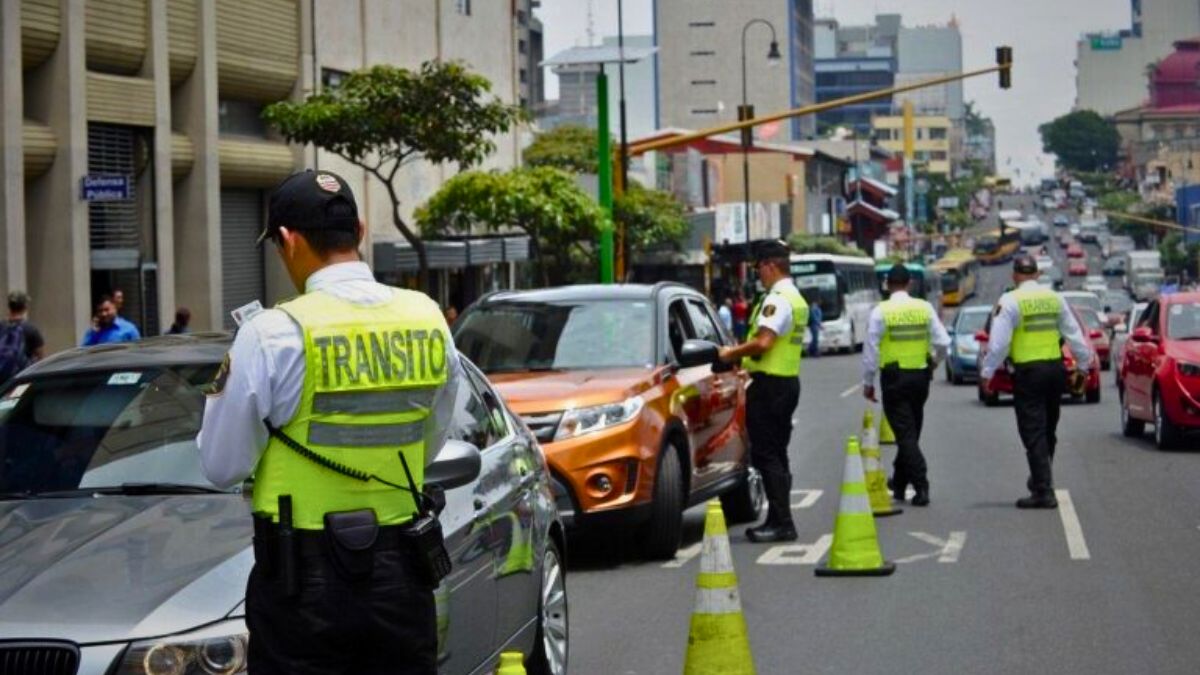
I speak from experience. Back in Europe, I failed my driving test twice. I was failed for minor infractions, touching a curb or hesitating at a junction. That level of scrutiny simply doesn’t exist here. The bar is set incredibly low.
There is a reason why most European countries do not allow you to simply exchange a Costa Rican driver’s license for a local one. They know the training here is practically non-existent. So when you see a car overtaking on a blind hill, understand that the driver likely never learned why that is a death wish.
Nature and Wildlife: Myths vs. Reality
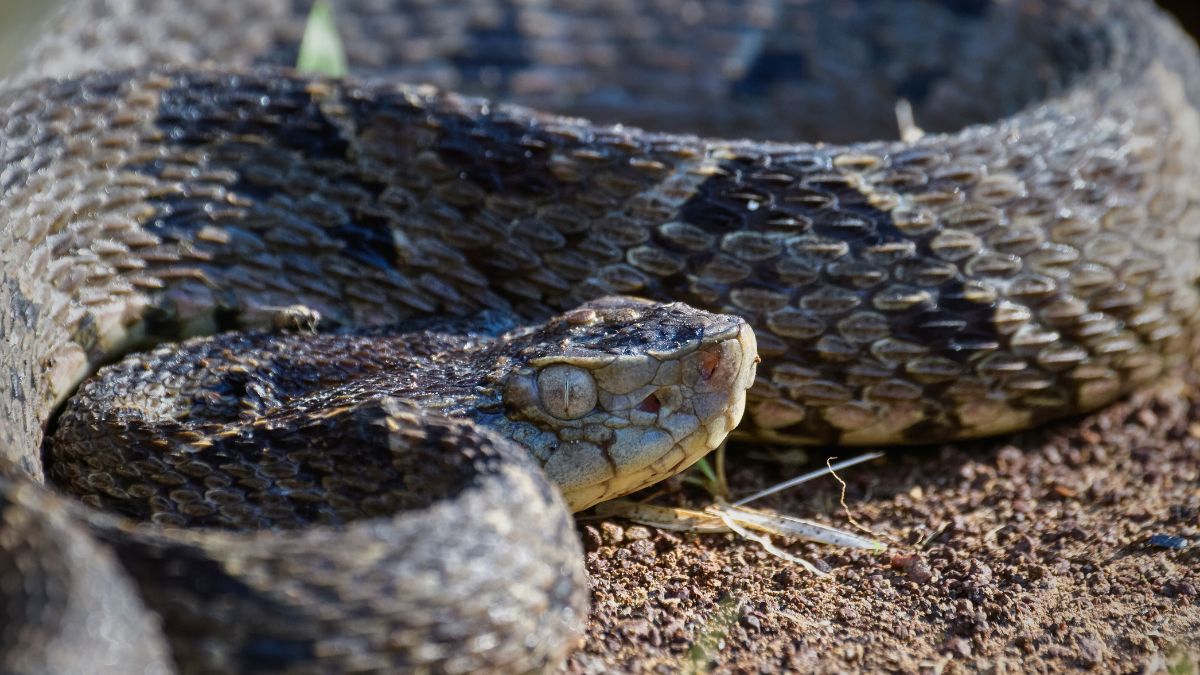
People are terrified of jaguars and snakes. In my 8 years exploring the jungle, I have seen many snakes, but they don’t hunt humans. Most bites happen when people stick their hands where they shouldn’t or walk through tall grass without boots.
The animals you should actually worry about are:
- Mosquitoes: Dengue fever is rampant. It won’t kill you (usually), but it will ruin your vacation with a week of brutal fever and bone pain. Use repellent.
- Crocodiles: They are present in many rivers and estuaries. If a river flows into the ocean, assume there is a croc in it. Do not swim in river mouths (bocas).
But the biggest enemy is the sun and dehydration. We are close to the equator. The sun here burns you in 15 minutes. Heatstroke happens fast if you are hiking without enough water.
Is Costa Rica Safe for Travelers? Off The Beaten Path
As a guide, I love taking people to places that aren’t on TripAdvisor. Hidden waterfalls, secret beaches, mountain trails. This is the real Costa Rica.
But you need to understand the logistics. In Europe, if you twist your ankle on a trail, a helicopter or ambulance is usually an hour away. Here, in remote areas like the Osa Peninsula or the mountains of Talamanca, you might be hours away from the nearest clinic, which might not even have an X-ray machine.
If you plan to go off-grid, go with a guide. Not just so you don’t get lost, but so you have someone with a radio or satellite phone who knows the extraction protocol. Solo hiking in deep jungle is a risk I do not recommend for anyone who doesn’t know the terrain.
Drugs and Gangs: The Elephant in the Room
I promised no sugarcoating. Costa Rica has a drug problem. You might be offered drugs on the beach, in bars, or by taxi drivers. “Weed, coke, ladies?” is a phrase you might hear in places like Jacó or Tamarindo.
My advice is simple: Stay away from it.
Buying drugs here is supporting the very violence that is tearing parts of this country apart. Plus, dealing with street pushers puts you in direct contact with gang associates. You make yourself a target.
If the police catch you, the “dumb tourist” excuse won’t work as well as it used to. The laws are strict, and Costa Rican jails are not places you want to visit.
Summary: Is Costa Rica Safe for Travelers?
Is Costa Rica safe? Yes, mostly. I live here with my family. I run a business here. I drive these roads and swim in this ocean every day.
But it is not a theme park. It is a developing nation dealing with growing pains, inequality, and the global drug trade. The “Pura Vida” vibe is beautiful, but it shouldn’t lull you into a false sense of security.
Use common sense. Respect the ocean. Don’t drive at night. Don’t buy drugs. And listen to locals who actually know the area.
If you want to explore this country safely, especially underwater, come visit us in Uvita. We might not be able to fix the potholes, but we can guarantee that when you dive with Costa Rica Divers, your safety is the one thing we never joke about.
Sources and References
- U.S. Department of State – Costa Rica Travel Advisory
- Organismo de Investigación Judicial (OIJ) – Official Costa Rican crime statistics and reports
- Costa Rica Star News – Local news coverage on safety, road conditions, and current events.
- MOPT (Ministry of Public Works and Transport) – Updates on road conditions and closures.