There is something magical about descending into the blue and watching a shipwreck slowly emerge from the depths. The first time I saw a massive hull materialize before my eyes, I understood why wreck diving becomes an obsession for so many of us.
Europe holds some of the most spectacular underwater time capsules on the planet. From sunken WWI battleships to passenger ferries frozen in their final moments, these wrecks tell stories that history books simply cannot capture. I have spent years exploring these sites, and I want to share my five absolute favorites with you.
Whether you are an advanced technical diver or someone working toward your first wreck specialty, Europe has something waiting for you beneath its waters.
What Makes European Wreck Diving Special?
Europe’s underwater landscape is unlike anywhere else. Two world wars, centuries of maritime trade, and treacherous coastlines have created an underwater museum stretching from the Mediterranean to the North Atlantic.
What sets European wrecks apart is accessibility. Many legendary sites sit in recreational depths, meaning you do not need technical certifications to explore them. The infrastructure is excellent too. Dive centers operate year-round, equipment rental is straightforward, and most locations are just a short flight away.
Did you know? There are an estimated three million shipwrecks scattered across the world’s ocean floors. Europe alone contains hundreds of thousands, though only a fraction are accessible to recreational divers.
MS Zenobia, Cyprus – The Mediterranean’s Crown Jewel
If you dive only one wreck in your lifetime, make it the Zenobia. Consistently ranked among the top ten wreck dives in the world, this massive ferry delivers an experience that stays with you forever.
I remember my first descent onto the Zenobia vividly. The sheer scale of the wreck took my breath away. At 172 meters long, you cannot see the entire ship from any single vantage point. It just disappears into the blue at both ends.
What Is the Story Behind the Zenobia Wreck?
The MS Zenobia was a Swedish-built roll-on-roll-off ferry launched in 1979. She was brand new, state of the art, carrying over 100 trucks loaded with cargo worth an estimated 200 million pounds.
On her maiden voyage in June 1980, something went wrong with the computerized ballast system. The ship began listing badly outside Larnaca harbor. Engineers attempted repairs, but the vessel continued taking on water. On June 7th, she capsized and sank. Miraculously, all crew members were evacuated safely.
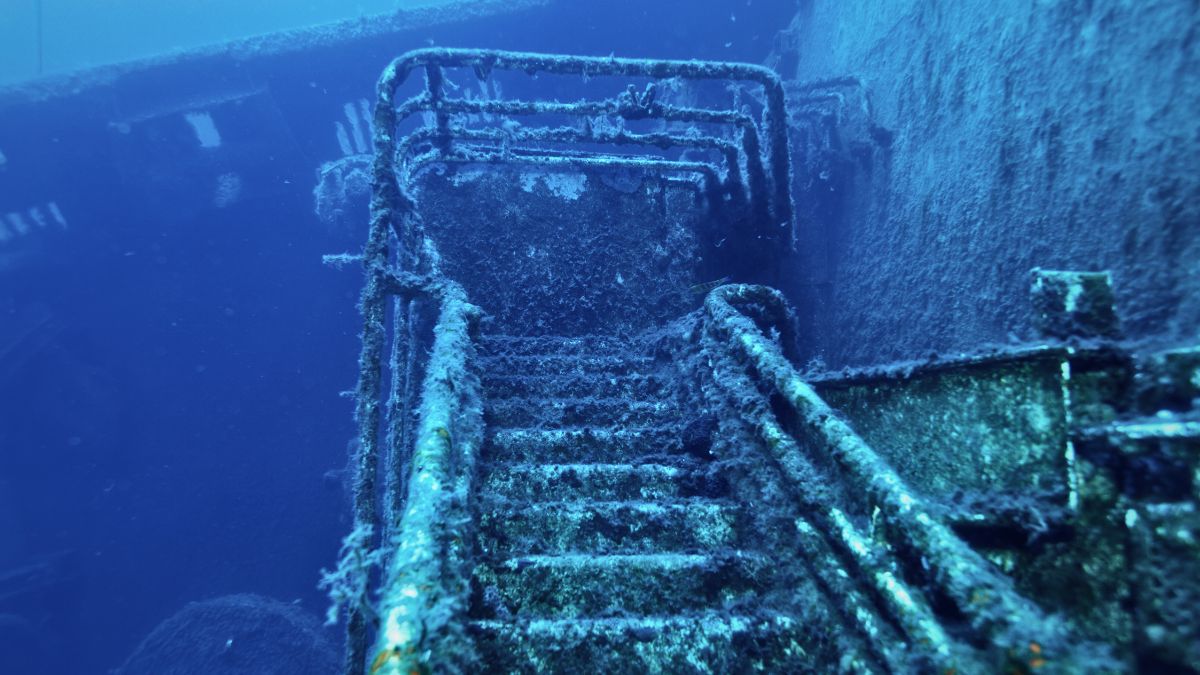
Today, she lies on her port side in waters just 1.5 kilometers from shore. The shallowest points reach 16 meters, while the seabed sits at 42 meters. This depth range makes her accessible to divers of various experience levels.
What Can You Expect to See When Diving the Zenobia?
The Zenobia is essentially an underwater parking lot filled with trucks. Over 100 vehicles remain chained to the decks, many still containing their original cargo. Seeing these lorries suspended in mid-water, some hanging from chains, others scattered on the seabed, creates surreal imagery.
The truck deck is the highlight for most divers. You swim between vehicles frozen in time for over four decades. Some still have intact tires. Others have cargo spilling from open doors. The atmosphere feels almost post-apocalyptic.
Fun fact: Among the Zenobia’s cargo were intact eggs destined for Syria. Incredibly, some of these eggs survived the sinking and can still be found in the cargo holds today, preserved by the cold Mediterranean waters.
Marine life around the Zenobia is exceptional. Large groupers patrol the decks, apparently unafraid of divers. Barracuda schools hang in the water column. Moray eels peek from every crevice. Sea turtles visit regularly, and the lucky diver might spot eagle rays gliding past.
The cafeteria section offers fascinating penetration opportunities. You can still see the coffee machine attached to the breakfast bar. Red tartan carpet remains visible in some areas. It feels like swimming through a time capsule.
What Certification Do You Need for Zenobia?
The good news is that Open Water divers can enjoy external sections of the Zenobia at around 16-18 meters. You will see the lifeboats, massive propellers, and exterior of the cargo decks without going deep.
For the full experience including the truck decks and cafeteria penetration, Advanced Open Water certification is the minimum requirement. Most dive centers also require recent diving experience within the past six months.
Technical divers with appropriate training can explore deeper sections including the engine room and accommodation areas. These dives require careful planning and proper gas management.
| Specification | Details |
|---|---|
| Depth Range | 16-42 meters |
| Visibility | 20-40 meters |
| Water Temperature | 17-28°C |
| Best Season | March to November |
| Minimum Certification | Open Water (external), Advanced (penetration) |
| Location | Larnaca Bay, Cyprus |
Scapa Flow, Scotland – The Sunken WWI Fleet
Nothing prepares you for Scapa Flow. When I first descended onto the SMS Markgraf, a 25,000-ton battleship that once formed part of the German High Seas Fleet, I genuinely could not process what I was seeing. The scale is incomprehensible.
Scapa Flow is not just one wreck. It is an entire fleet resting on the seabed, the result of one of the most dramatic events in naval history.
Why Is Scapa Flow Famous Among Wreck Divers?
On June 21st, 1919, German Rear Admiral Ludwig von Reuter gave an order that would create one of the world’s greatest diving destinations. Believing that peace negotiations had failed, he commanded the scuttling of 74 warships interned at Scapa Flow following Germany’s WWI defeat.
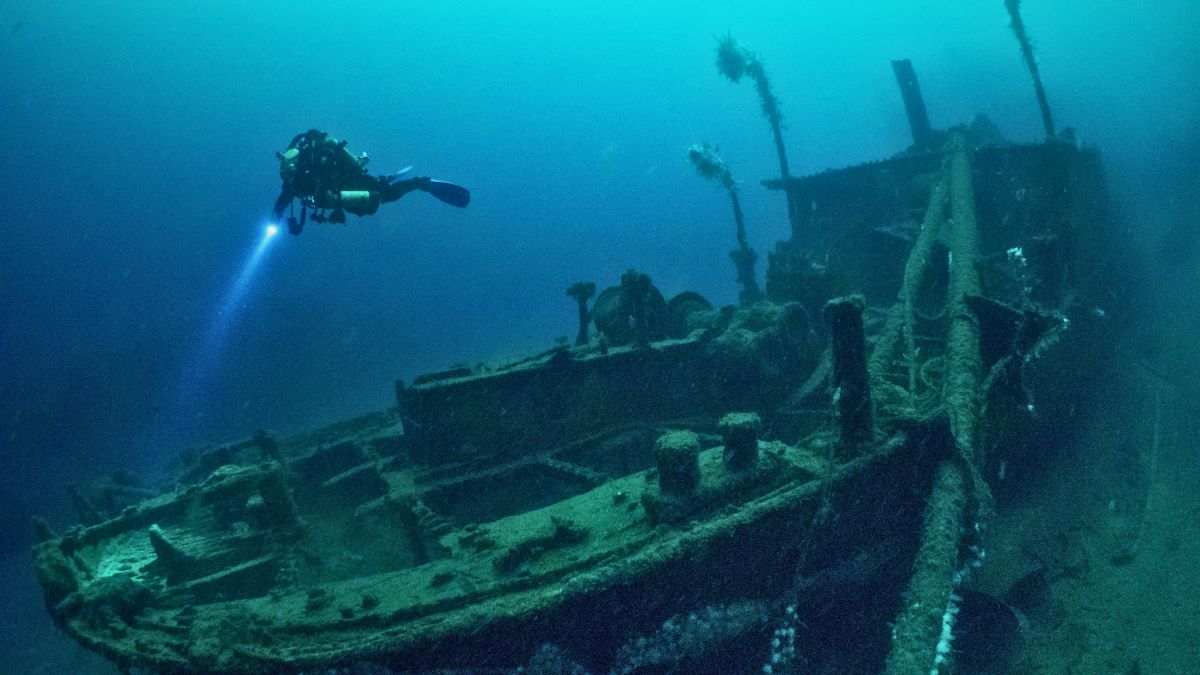
British forces desperately tried to beach the sinking vessels, but 52 ships went down that day. Over subsequent decades, salvage companies raised many wrecks for scrap metal. Today, seven major warships remain on the seabed: three König-class battleships and four light cruisers.
These are not small vessels. The battleships measure over 170 meters long and displaced nearly 30,000 tons. Imagine diving on something that big, and you start understanding why Scapa Flow attracts divers from around the world.
Which Wrecks Should You Dive at Scapa Flow?
The three battleships are the main attractions. SMS König, SMS Kronprinz Wilhelm, and SMS Markgraf all lie upside down on the seabed. The weight of their armament and superstructure caused them to capsize as they sank.
SMS Kronprinz Wilhelm offers the most accessible battleship dive. Her hull sits just 12 meters below the surface, though the seabed reaches 37 meters. The massive 12-inch gun turrets are clearly visible, creating iconic images that define Scapa Flow diving.
SMS Markgraf is the deepest and most intact battleship. At 45 meters to the seabed, she requires more advanced planning but rewards divers with spectacular views of weaponry and engineering.
Did you know? The German High Seas Fleet scuttled at Scapa Flow was the largest loss of shipping in a single day in maritime history. The wrecks are now protected as scheduled monuments, making artifact removal illegal.
The light cruisers SMS Dresden, SMS Karlsruhe, SMS Cöln, and SMS Brummer lie on their sides at around 36 meters. These smaller ships are easier to comprehend visually and offer excellent penetration opportunities for qualified divers.
For something completely different, the blockships provide fantastic shallow diving. Vessels like the Tabarka were deliberately sunk during WWII to prevent submarine access. She lies upside down in just 12-16 meters, covered in colorful anemones and soft corals.
What Are Diving Conditions Like in Scapa Flow?
Let me be honest. Scapa Flow is cold water diving. Water temperatures range from 4°C in winter to 14°C in summer. A drysuit is not optional. It is essential.
Visibility varies considerably, from 5 meters on bad days to over 20 meters when conditions align. Green water and limited natural light create an atmosphere quite different from Mediterranean diving. But there is something hauntingly beautiful about watching a battleship emerge from the Scottish gloom.
Currents can be challenging. Many sites are only diveable at slack water, requiring careful tide planning. Most diving happens from liveaboard boats operating out of Stromness, which provide heated facilities for surface intervals.
The diving season runs from April to October, with June through September offering the best conditions.
| Specification | Details |
|---|---|
| Depth Range | 12-47 meters (varies by wreck) |
| Visibility | 5-20 meters |
| Water Temperature | 4-14°C |
| Best Season | June to September |
| Minimum Certification | Advanced Open Water (varies by wreck) |
| Location | Orkney Islands, Scotland |
Malta’s Wreck Paradise – Multiple Sites in One Destination
Malta punches far above its weight for wreck diving. This tiny Mediterranean island nation offers more diveable wrecks per square kilometer than almost anywhere else in Europe. Better yet, the wrecks span all difficulty levels.
I have returned to Malta multiple times, and each visit reveals something new. The combination of warm water, excellent visibility, and diverse wreck portfolio makes it my top recommendation for divers wanting to build wreck experience.
What Makes Malta a Wreck Diving Hotspot?
Geography and history conspired to make Malta a wreck diving paradise. Sitting in the central Mediterranean, the island has witnessed naval battles spanning centuries. WWII left particularly rich pickings, as both Axis and Allied forces fought fiercely for control.
In recent decades, the Maltese government has deliberately scuttled vessels to create artificial reefs and diving attractions. These purpose-sunk wrecks complement the historical sites, offering something for everyone.
Water conditions are outstanding. Visibility regularly exceeds 30 meters. Summer temperatures reach 26°C. Even winter diving remains comfortable at around 15°C. Dive centers are professional, well-equipped, and English-speaking.
Which Wrecks Should You Prioritize in Malta?
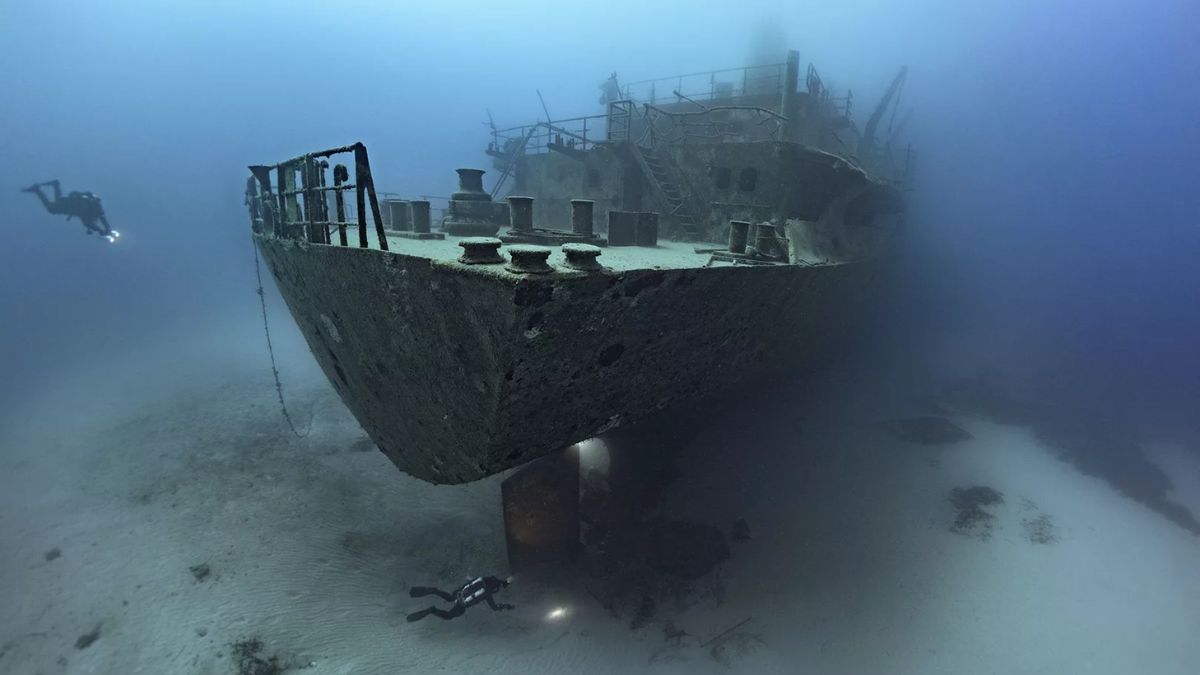
Um El Faroud is Malta’s flagship wreck dive. This 115-meter Libyan oil tanker was scuttled in 1998 after a tragic explosion killed nine dockyard workers during repairs. She sits upright at 34 meters, allowing divers to explore multiple deck levels. A memorial plaque commemorating the victims adds poignancy to every dive.
The wreck broke in two during a winter storm in 2005, creating even more interesting features. Her imposing bow rising from the sandy bottom is one of Mediterranean diving’s most photographed scenes. Barracuda schools patrol the structure, and large conger eels inhabit the interior.
Fun fact: Malta has been voted among the top three diving destinations in the world by multiple dive publications. The island offers over 30 diveable wrecks within easy reach of shore, ranging from submarines to aircraft to passenger ships.
P29 Patrol Boat offers excellent recreational wreck diving. This former East German minesweeper was scuttled in 2007 and sits upright at 37 meters off Cirkewwa. The engine room provides good penetration opportunities, and marine life colonization improves yearly.
Just nearby, MV Rozi tugboat rests at 34 meters. Originally sunk as a tourist submarine attraction, she has become a popular training wreck covered in marine growth.
For something more challenging, HMS Stubborn is a British S-class submarine lying at 56 meters. Technical divers can explore this WWII vessel with its conning tower and torpedo tubes still clearly visible. Penetration is not recommended due to the small hatchways.
The Bristol Blenheim bomber at 42 meters offers aircraft wreck diving, though it requires Dive Leader qualification or higher.
Is Malta Good for Beginner Wreck Divers?
Absolutely. Malta excels at introducing divers to wrecks gradually. Several sites work perfectly for Open Water certified divers.
HMS Maori, a WWII destroyer, lies in just 14 meters in Valletta harbor. Despite the shallow depth, she attracts abundant fish life and offers an authentic wreck experience without technical demands.
P31 Patrol Boat near Gozo sits upright at 20 meters maximum. This sister ship to the P29 provides ideal conditions for divers taking their first steps into wreck exploration.
The Tug 2 rests at only 21 meters, making it perfect for second dives when nitrogen loading prevents deeper exploration.
| Specification | Details |
|---|---|
| Depth Range | 14-56 meters (varies by wreck) |
| Visibility | 20-40 meters |
| Water Temperature | 15-26°C |
| Best Season | April to November |
| Minimum Certification | Open Water (some wrecks), Advanced (deeper sites) |
| Location | Malta and Gozo |
B-17 Flying Fortress, Corsica – Dive a WWII Bomber
Imagine swimming onto a WWII bomber with its wings intact, four engines still attached, and cockpit instruments visible. The B-17 wreck off Calvi in Corsica delivers exactly that experience.
This is not a shipwreck in the traditional sense, but it offers one of the most emotionally impactful dives I have ever made. Knowing that young airmen faced death in this aircraft, and that only six of ten crew members survived, adds weight to every moment spent exploring.
How Did a WWII Bomber End Up in the Mediterranean?
On February 14th, 1944, a B-17G nicknamed “The Baron” took off on a bombing mission targeting the railway system in Verona, Italy. The aircraft carried a crew of ten under Lieutenant Frank Charplik’s command.
Did you know? The Boeing B-17 earned its “Flying Fortress” nickname from its 13 machine gun positions. Despite heavy losses (over 4,750 B-17s were destroyed during WWII), the aircraft became a symbol of American air power and crew resilience.
En route to the target, a squadron of German Messerschmitt fighters attacked. The B-17 took heavy damage, losing three machine guns and two engines. Unable to complete the mission and with no working radio, Charplik made a desperate decision.
He turned toward Calvi, Corsica, hoping to find a runway. The available landing strip proved too short. With no other option, Charplik attempted a water landing in the bay below the citadel. The impact broke off the tail section, and the aircraft sank within minutes.
Four crew members perished. Six survived. Today, the bomber rests where it fell, a memorial to the brutal air war that raged over Europe eight decades ago.
What Is It Like to Dive the B-17 Wreck?
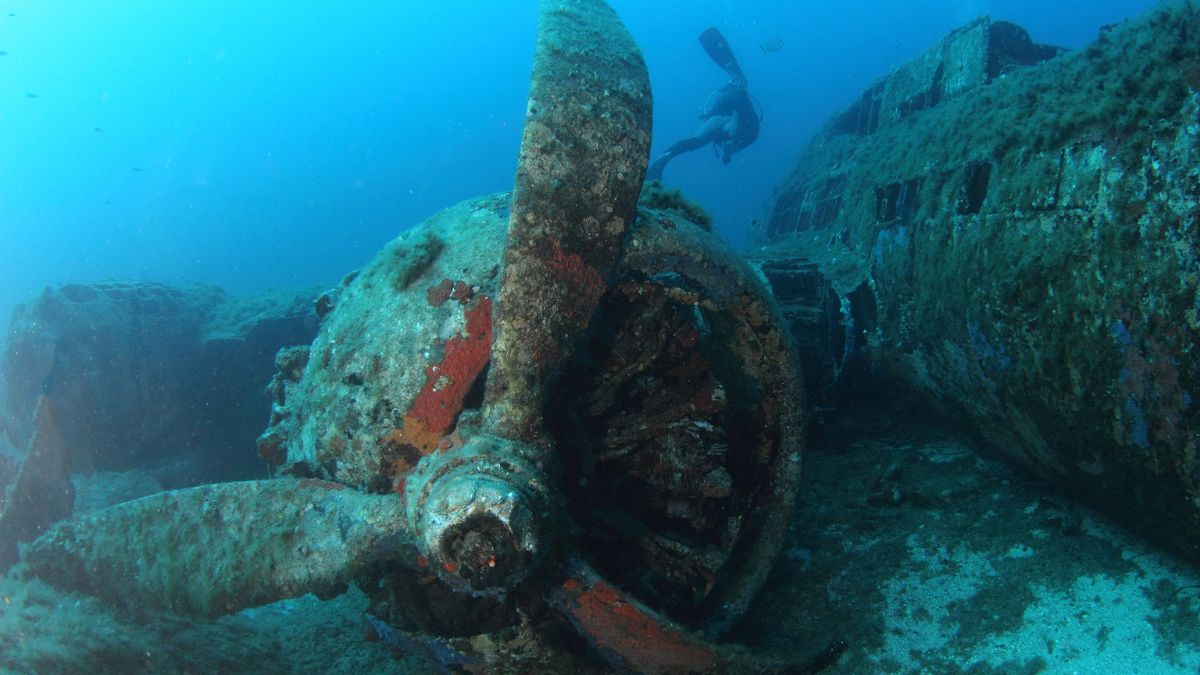
Descending onto the B-17 takes your breath away. The aircraft lies upright on sand at around 27 meters, with the 32-meter wingspan fully visible in good conditions. Both wings remain attached, as do all four engines.
The nose section suffered significant damage from impact, but the cockpit is remarkably intact. You can clearly see the two pilot seats, instrument panel, and control yokes. Swimming into the cockpit area feels like entering a museum exhibit, except you are weightless and surrounded by fish.
Moving aft, the fuselage remains surprisingly complete. The tail section broke off during the crash landing and lies nearby. Machine gun positions are visible along the aircraft body, reminders that this was a heavily armed weapon of war.
Marine life has colonized the bomber thoroughly. Conger eels and moray eels have taken up residence in the fuselage. Brain coral grows on metal surfaces. Schools of fish use the structure for shelter. Nature has transformed a war machine into an artificial reef.
The dive is accessible at around 25-28 meters, well within recreational limits. However, the historic significance and emotional weight make it feel more profound than depth alone suggests. I always recommend allowing extra bottom time to simply observe and reflect.
| Specification | Details |
|---|---|
| Depth Range | 25-28 meters |
| Visibility | 15-30 meters |
| Water Temperature | 16-24°C |
| Best Season | May to October |
| Minimum Certification | Advanced Open Water |
| Location | Calvi Bay, Corsica, France |
Baron Gautsch, Croatia – The Adriatic’s Titanic
Croatia is not the first destination most divers think of for wreck diving. But the Baron Gautsch has earned comparisons to the Titanic for good reason. This Austro-Hungarian passenger ship sank with significant loss of life and remains one of the most atmospheric wrecks in European waters.
The dive moved me more than I expected. Knowing that approximately 150 passengers and crew died here, many of them families fleeing the outbreak of WWI, creates a somber mood that persists throughout.
What Happened to the Baron Gautsch?
The Baron Gautsch was a passenger steamship built in 1908, operating routes along the Adriatic coast. She measured 84 meters long and could carry over 300 passengers in comfortable accommodation.
When WWI erupted in late July 1914, the Austro-Hungarian Navy requisitioned civilian vessels. The Baron Gautsch received orders to transport families of military officers from the Dalmatian coast to safety in Trieste.
Fun fact: The Baron Gautsch sank so quickly that the ship’s bell was never recovered. Legend says you can still hear it ringing on calm nights near the wreck site. Divers sometimes report unusual sounds during their explorations.
On August 13th, 1914, the ship was sailing toward Pola (modern-day Pula) when navigation error brought her into an unmarked minefield. The Austro-Hungarian Navy had laid these mines to protect their own harbor but failed to properly communicate safe passage routes.
The ship struck a mine and sank within minutes. The rapid sinking left no time for organized evacuation. Approximately 150 of the 350 people aboard perished, including many women and children.
Why Is Baron Gautsch Protected by Croatian Law?
The Baron Gautsch holds special status in Croatian maritime heritage. The Croatian Ministry of Culture has declared her a protected cultural monument, meaning diving is only permitted through authorized dive centers.
This protection ensures the wreck remains preserved for future generations. Divers cannot remove artifacts or disturb the site. Entry inside the vessel is restricted to the upper two decks for safety reasons.
The regulations might seem restrictive, but they have preserved the Baron Gautsch in remarkable condition. Unlike many wrecks that have been stripped by souvenir hunters, she retains architectural details, fittings, and atmosphere that make the dive genuinely special.
Every August 13th, memorial dives take place to honor the victims. Wreaths are laid on the wreck, and the diving community pays respect to those who lost their lives over a century ago.
What Will You See Diving the Baron Gautsch?
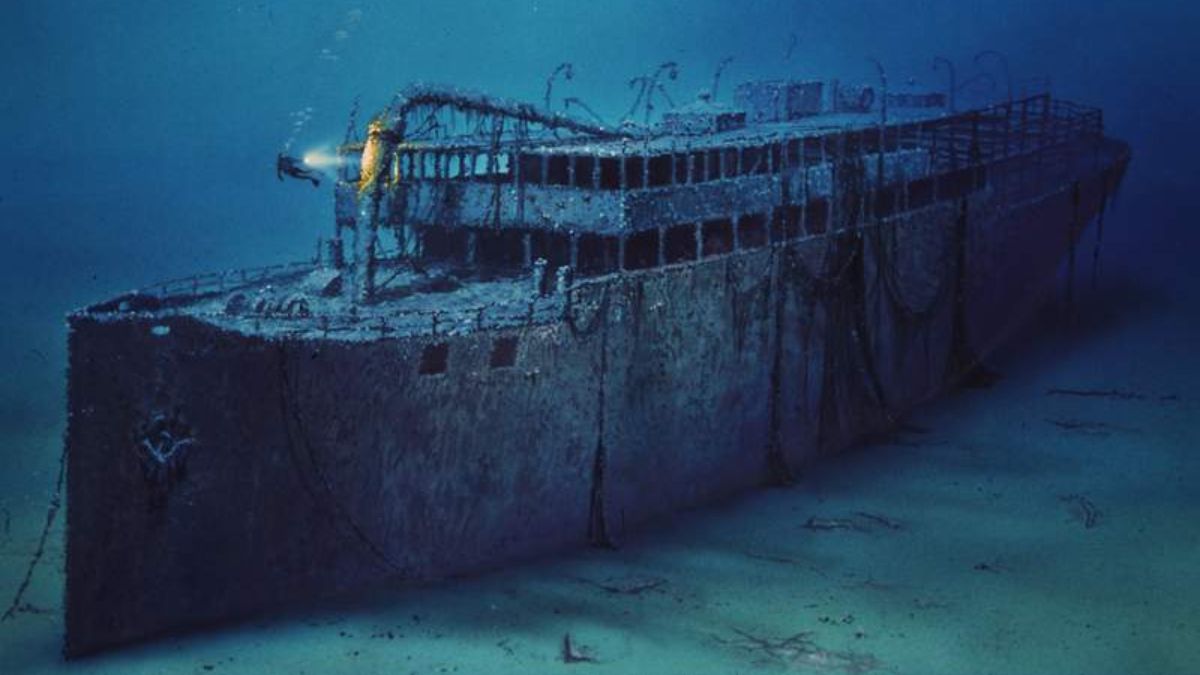
The Baron Gautsch sits upright on a sandy bottom at 40 meters. Her upper deck begins at around 28 meters, making the dive accessible to experienced recreational divers using proper planning.
The wreck is completely covered in colorful sponges, shells, and marine growth. Orange, yellow, and purple encrustation gives the ship an otherworldly appearance, almost as if she is slowly returning to nature.
Swimming along the deck, you pass through doorways and peer into windows. The ship’s structure remains clearly recognizable as a passenger vessel. Handrails, deck fittings, and port holes are visible throughout.
Inside, large conger eels have made the wreck their home. Scorpionfish hide among the growth. Nudibranchs of various species add splashes of vibrant color against the rusty steel.
The dive typically begins at the stern, allowing you to appreciate the full length of the vessel during your exploration. The bow section tends to have the best visibility and marine life concentration.
| Specification | Details |
|---|---|
| Depth Range | 28-40 meters |
| Visibility | 10-25 meters |
| Water Temperature | 14-22°C |
| Best Season | May to September |
| Minimum Certification | Advanced Open Water (40+ logged dives recommended) |
| Location | 9 nautical miles from Rovinj, Croatia |
How to Choose the Right Wreck Dive for Your Skill Level
Not all wrecks suit all divers. Choosing appropriately ensures safety and enjoyment. Here is how these five destinations compare:
| Wreck | Max Depth | Difficulty | Best For |
|---|---|---|---|
| Zenobia (Cyprus) | 42m | Moderate | Advanced recreational divers |
| Scapa Flow (Scotland) | 47m | Challenging | Experienced cold water divers |
| Malta wrecks | 14-56m | Varies | All levels (site dependent) |
| B-17 Corsica | 28m | Moderate | Advanced recreational divers |
| Baron Gautsch (Croatia) | 40m | Moderate-Hard | Experienced divers (40+ dives) |
For newer divers, Malta offers the best progression path. Start with HMS Maori at 14 meters, build confidence on P31 at 20 meters, then work toward Um El Faroud as skills develop.
For experienced recreational divers, the Zenobia and B-17 provide spectacular diving without extreme depth demands. Both sites offer incredible experiences within normal recreational limits.
For advanced and technical divers, Scapa Flow and the deeper Malta wrecks present serious challenges. Cold water, depth, and penetration complexity require appropriate training and equipment.
Frequently Asked Questions
What certification do I need for wreck diving in Europe?
Basic external wreck exploration requires Advanced Open Water certification at most sites. For penetration diving, the PADI Wreck Diver specialty or equivalent is strongly recommended. Technical certifications become necessary for deep wrecks exceeding 40 meters.
Is wreck diving dangerous?
Wreck diving carries additional risks compared to reef diving, including entanglement hazards, silt-out conditions, and overhead environments. However, with proper training, appropriate equipment, and conservative dive planning, thousands of divers explore wrecks safely every year.
What is the best time of year for European wreck diving?
Mediterranean destinations like Cyprus, Malta, and Croatia are best from May through October. Scapa Flow’s optimal window is June through September. Water temperatures and visibility peak during summer months across all locations.
How much does a European wreck diving trip cost?
Budget approximately 40-80 euros per dive at Mediterranean sites, including equipment rental. Scapa Flow liveaboard packages typically cost 1,500-2,500 euros for a week. Flights, accommodation, and meals add variable costs depending on your starting location.
Can beginners try wreck diving?
Yes, but start with appropriate sites. Malta’s shallow wrecks like HMS Maori (14 meters) and P31 (20 meters) provide excellent introductions. External exploration of larger wrecks like the Zenobia is also possible for Open Water certified divers at shallower sections.
Do I need special equipment for wreck diving?
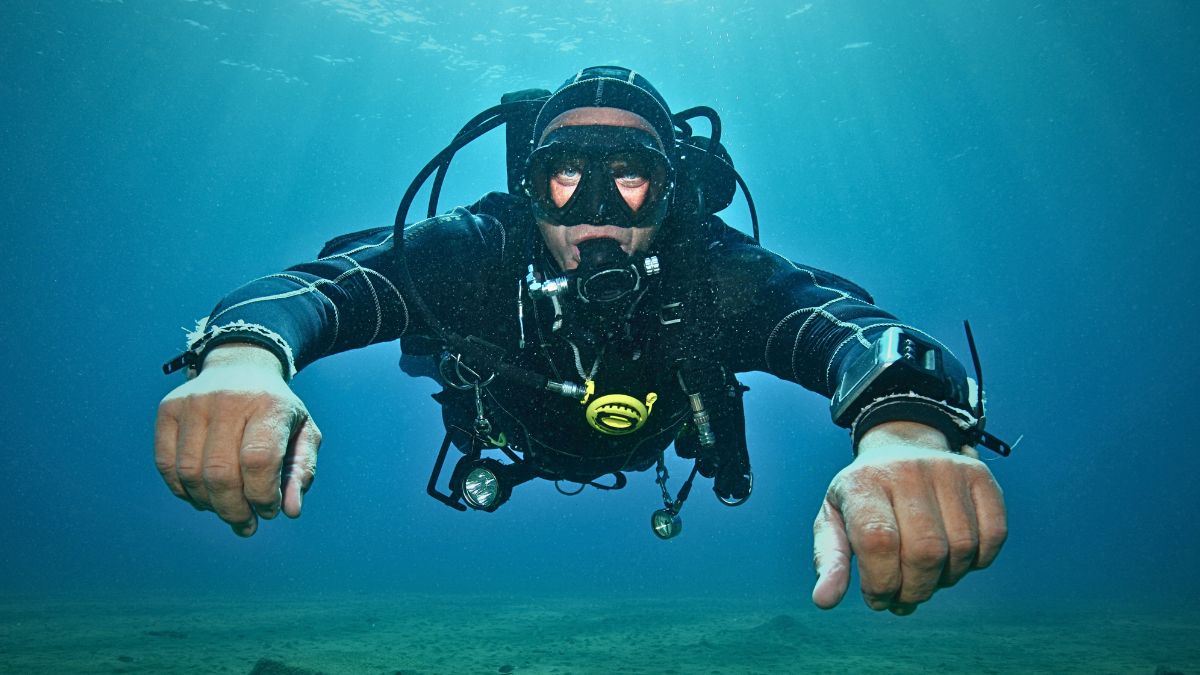
Beyond standard scuba gear, you should carry at least one dive torch (two recommended), a cutting device, and a surface marker buoy with reel. Cold water destinations like Scapa Flow require drysuits. Wrist-mounted compasses aid navigation.
Wreck Diving in Europe – Final Thoughts
Europe offers wreck diving experiences that rival anywhere on the planet. From the Mediterranean warmth surrounding the Zenobia to the cold Scottish waters of Scapa Flow, these underwater time capsules deliver history, adventure, and marine life encounters in equal measure.
Each site on this list has left lasting impressions on me. The Zenobia’s suspended trucks haunting the blue. Scapa Flow’s battleship guns pointing into the gloom. The B-17’s cockpit frozen at the moment of impact. These images stay with you long after you surface.
If wreck diving calls to you, Europe is ready. Start with sites matching your current experience level. Build skills gradually. Respect these underwater monuments and the stories they hold.
The wrecks are waiting. When will you dive them?
Sources and References
- Visit Cyprus Tourism Board – MS Zenobia information
- Scapa Flow Visitor Centre – German High Seas Fleet history
- Malta Tourism Authority – Wreck diving sites overview
- PADI – Wreck Diver certification requirements
- Croatian Ministry of Culture – Baron Gautsch protection status