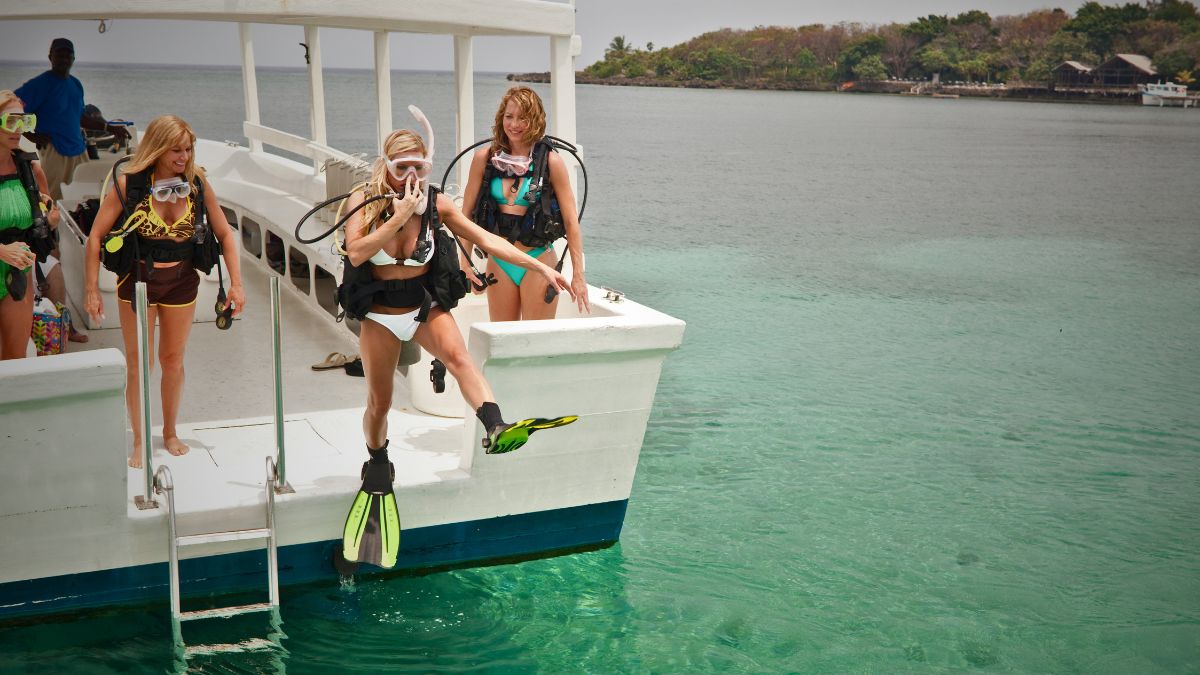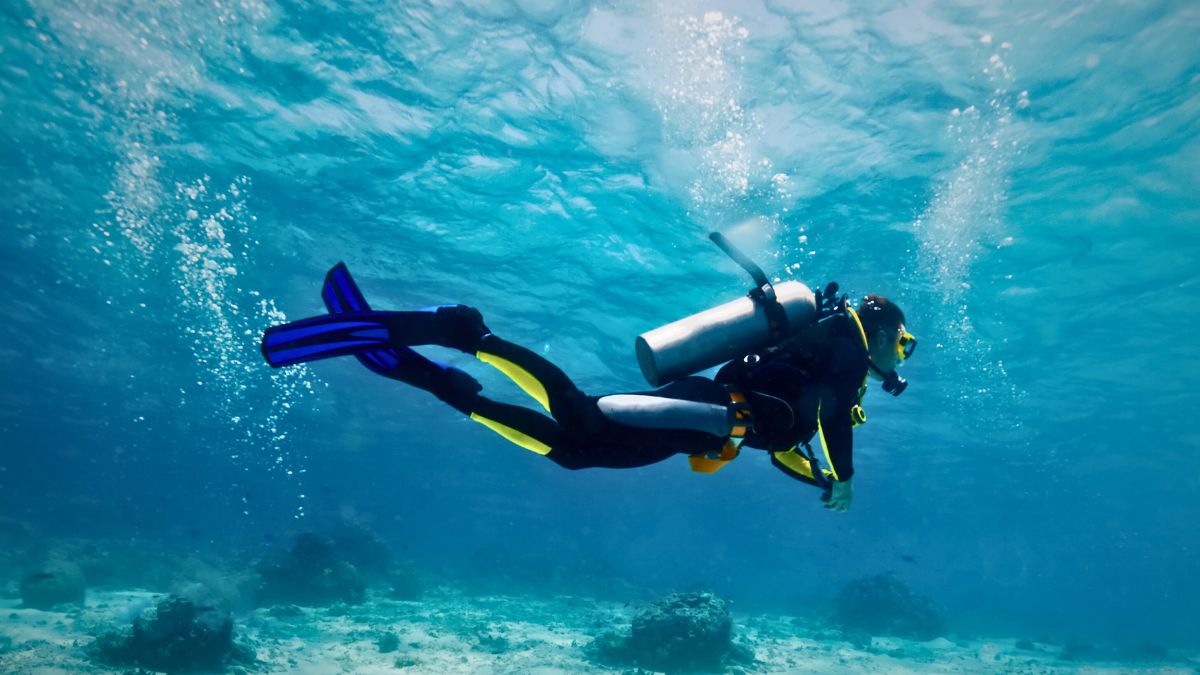
Every week, someone asks me the same question. They’ve booked their flights, they’re excited, and they want to know: “Which scuba diving center in Costa Rica should I use?” It sounds like a simple question.
It isn’t.
Costa Rica has a surprisingly fragmented scuba diving center landscape. There are excellent operations here. There are also one-person businesses running a single boat, open only five months a year, with a website that hasn’t been updated since 2021. Both types exist, sometimes in the same town. Knowing the difference before you arrive can save you a wasted day and a lot of frustration.
This guide is not a ranking. It won’t tell you that one scuba diving center in Costa Rica is objectively “the best.” What it will do is walk you through each major diving region, tell you what to expect, name the established operators I know of, and give you my honest take on what matters most when choosing where to book.
The Reality of Dive Centers in Costa Rica
Before we get into regions, there is something important to understand about how diving operations work here. Costa Rica is not the Maldives or Thailand, where you’ll find polished dive resorts on every corner. Most operations are small, locally run businesses, often with just one or two boats. Many are passion projects built by divers who fell in love with the country and decided to stay.
That’s a good thing in many ways. You get personal attention, local knowledge, and instructors who genuinely care about the experience. But it also means you need to be a more informed consumer.
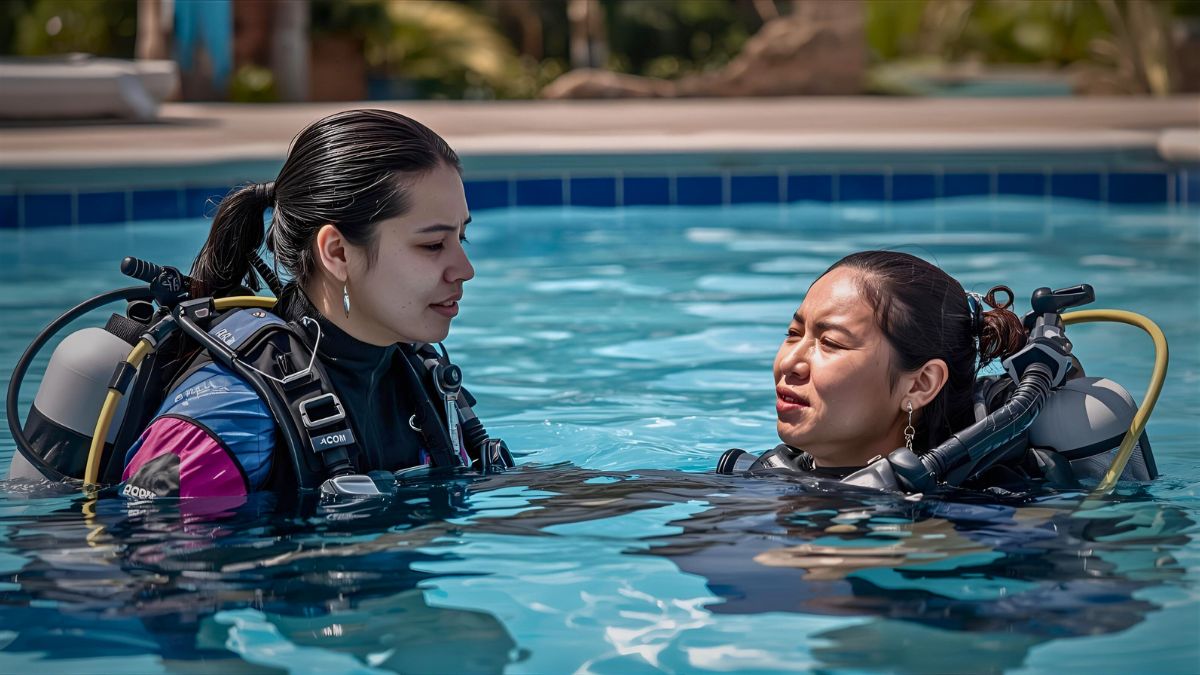
A few things to keep in mind before you book:
- Seasonality is real. Some centers operate year-round. Others effectively close during the rainy season (May to November) or scale back significantly. A website being live does not mean the business is active right now.
- Boat capacity is limited. During peak season (December to April), popular trips to places like Caño Island sell out even weeks in advance. If you’re planning around a specific dive, book before you land.
- Contact them before booking anything else. I genuinely recommend emailing or calling a dive center before you even book your accommodation. Confirm they are open during your travel dates, confirm the trips you want are running, and confirm minimum group sizes apply to your plans.
- Most centers are PADI affiliated. PADI is by far the most common certification agency in Costa Rica. You’ll also find some SSI (Scuba Schools International) centers, particularly in Guanacaste. Both certifications are globally recognized and valid anywhere in the world. The agency matters less than the quality of the instruction.
Did you know? PADI and SSI are the two largest recreational scuba diving training agencies in the world. Together, they issue millions of certifications every year. If you trained with one and your local dive center uses the other, your certification is still fully accepted. The underwater world doesn’t check which logo is on your card.
Region Overview: At a Glance
Here is a quick summary of the five main diving regions in Costa Rica. I will go deeper into each one below.
| Region | Key Dive Sites | Active Centers | Agencies | Best Season | Best For |
|---|---|---|---|---|---|
| Guanacaste | Catalina Islands, Bat Islands, local reefs | 4–6 | PADI + SSI | Year-round | All levels |
| Manuel Antonio / Quepos | Local volcanic reefs, Caño Island day trips | 1–2 | PADI | Dec–May (best) | Beginners, casual divers |
| Uvita / Marino Ballena | Caño Island, Marino Ballena reefs | 2–3 | PADI | Year-round | Intermediate, certification courses |
| Drake Bay / Osa Peninsula | Caño Island | 3–4 | PADI | Dec–May | Intermediate+, remote adventure |
| Caribbean / Puerto Viejo | Local coral reefs, small wrecks | 1–2 | PADI | Sep–Nov only | Beginners, experienced reef divers |
Guanacaste: The Most Developed Diving Region
If you want infrastructure, choice, and year-round accessibility, Guanacaste is the most developed diving hub in the country. The region is centered around Playas del Coco, a small beach town about 30 minutes from Liberia International Airport. Most dive centers are based here, which makes logistics easy, especially if you’re flying in from North America.
The dive sites range from beginner-friendly local reefs in the Gulf of Papagayo to the legendary Catalina Islands (famous for manta ray encounters from November to May) and the Bat Islands in the far north, where advanced divers come specifically to dive with bull sharks.
Guanacaste is the one region where you’ll find true competition between multiple established operators. That’s a good thing for you as a diver, because standards tend to be higher and prices more transparent.
Centers Worth Knowing
- Rocket Frog Divers is one of the largest operations in the region, operating a fleet of seven purpose-built dive boats. They cover local sites, the Catalinas, and the Bat Islands, and they’re a PADI 5 Star IDC Dive Center, meaning they run full professional training up to instructor level. If you want reliability, capacity, and fast boats, this is a solid choice.
- Rich Coast Diving has been running for over 30 years and is one of the few SSI Career Centers in Costa Rica. They cover the same dive sites as most Guanacaste operators, but they teach under SSI’s system. If you trained with SSI elsewhere and want consistency in your education, this is worth knowing. They also offer accommodation packages, which simplifies logistics.
- Deep Blue Diving holds PADI 5 Star Resort status and was one of the first dive operations established in Playas del Coco. They focus on small groups and offer the full range of courses from beginner through to professional training.
- Summer-Salt Dive Center and Life and Dive are two more established operations in the area, both PADI affiliated and well-reviewed by visiting divers. The Guanacaste market is competitive enough that all serious operators maintain consistent equipment and safety standards.
Seasonal note: Guanacaste operates year-round, but the dry season (December to April) offers calmer seas and better visibility. Bat Islands trips can be difficult during the high winds of December to March.
Manuel Antonio / Quepos: Great Vibes, Limited Options
Manuel Antonio is one of Costa Rica’s most visited destinations, and for good reason: it’s beautiful, the national park is exceptional, and the combination of rainforest and Pacific beach is hard to beat. For diving, though, the options are limited.
There is essentially one well-established, full-service dive operation in the area: Oceans Unlimited, based at Marina Pez Vela in Quepos. They are a PADI 5 Star IDC Center and run a thoughtful operation that includes a partnership with a marine conservation nonprofit. They offer local dives on volcanic reef formations and run day trips to Caño Island for those who want to experience one of Costa Rica’s best dive sites.
Environmental protection
I respect what Oceans Unlimited does. Their marine conservation focus is genuine, and their instructors are qualified. The local reefs at Manuel Antonio are not the most spectacular in the country, visibility can be variable, but the marine life is diverse and the dives are enjoyable for casual divers and for those getting certified.
What you should know: if Oceans Unlimited is closed or fully booked during your visit, your options in this specific area are very limited. Always confirm availability before arriving.
Seasonal note: The best diving in this region runs December through May. During the rainy season, visibility drops and conditions can be inconsistent.
Uvita and Marino Ballena: The Southern Pacific Sweet Spot
I’m based in Uvita, so I know this region better than anywhere else in the country. Uvita sits in the Southern Pacific, roughly a 3.5-hour drive south of San José, and it’s where I run Costa Rica Divers. I’ll tell you upfront that I have an obvious conflict of interest here. But I’ll also tell you that I’d recommend this region even if I had nothing to do with it, because the access to Caño Island from here is genuinely the best in the country.
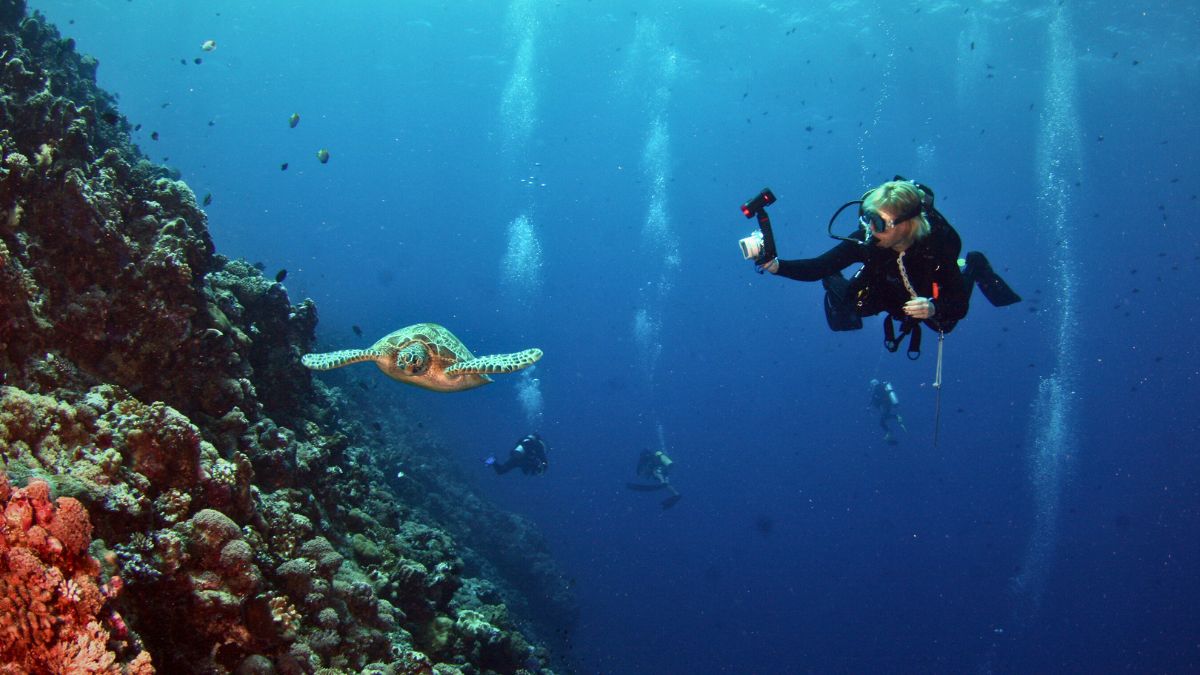
The main draw is Caño Island Biological Reserve, a protected marine reserve roughly 20 kilometers offshore. It holds the only significant coral reef on Costa Rica’s entire Pacific coast. Visibility regularly reaches 15 to 30 meters. The marine life is exceptional: white-tip reef sharks, manta rays in season, sea turtles, large schools of jacks and snappers, dolphins, and occasional humpback whale sightings on the surface.
Did you know? Caño Island has been a protected Biological Reserve since 1978, one of Costa Rica’s first. Nearly five decades of protection means the reef here has been able to recover and thrive in ways that most Pacific coast reefs cannot. That age of protection is a big reason why the diving is so good.
There isn’t much choice in Uvita.
- Blacktip Divers is a new, small operation just starting out in the Uvita area. They are building their presence in the Southern Pacific and offer a more personal, intimate experience than the larger established centers. If you like the idea of diving with a young, passionate team that knows these waters and is still in the early stages of building their reputation, they are worth contacting directly to see what they currently offer. As with any smaller operation, I’d recommend reaching out in advance to confirm availability and what trips are running during your visit.
- Costa Rica Dive and Surf is the other established operation in the area, also based in Uvita. They run similar Caño Island and Marino Ballena trips and offer a range of PADI courses. Having two established operators in Uvita is a relatively new development. It gives visiting divers a choice and keeps both operations motivated to maintain high standards.
Important: Caño Island has a strict government limit on the number of divers permitted daily. In high season, those slots sell out weeks in advance. Book early. Seriously.
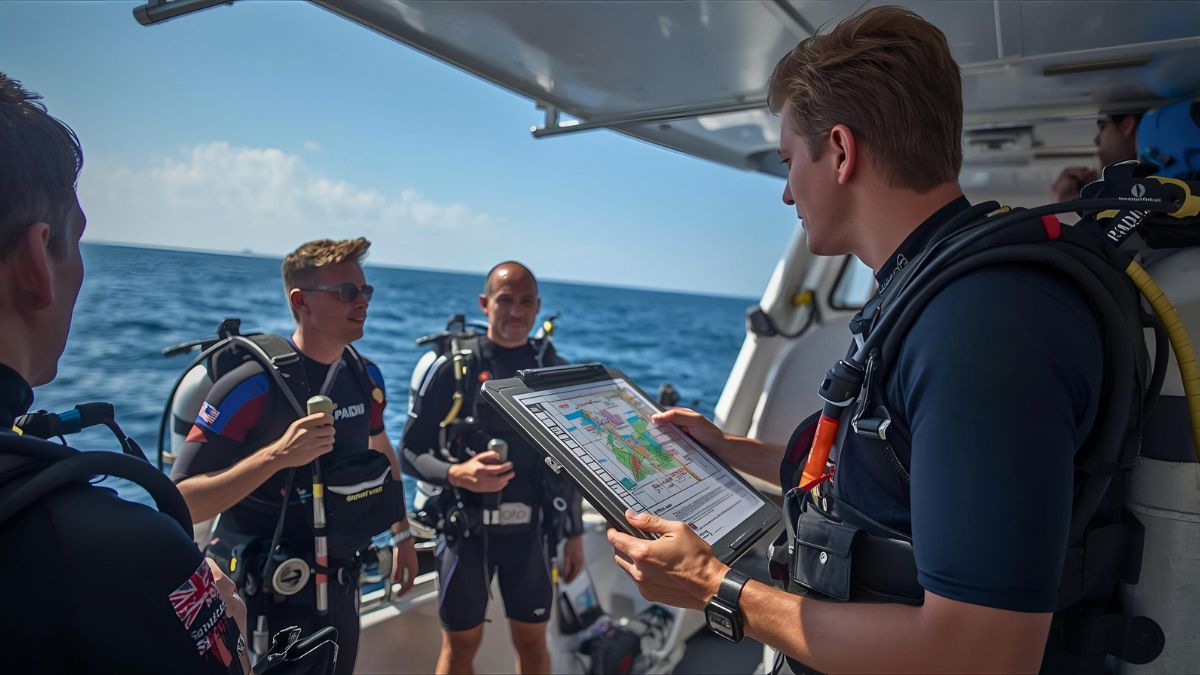
Drake Bay and the Osa Peninsula: Remote but Worth It
Drake Bay is a different animal. It’s not a quick Airbnb-and-dive type of destination. Getting there requires either a small charter flight or a combination of bus and boat. The infrastructure is limited. There are no ATMs in town. Roads in the dry season are rough; in the rainy season, some become impassable. I know people who planned a dive trip there without checking any of this first, and their stories are not happy ones.
What makes it worth the effort is the context. Drake Bay borders Corcovado National Park, widely considered one of the most biodiverse places on Earth, and it’s the closest access point to Caño Island from the north. If you want to combine world-class diving with serious jungle exploration, and you don’t mind some logistical friction, this region delivers something the other areas simply don’t.
The dive centers here are small. They run tight operations, often with one boat, and they depend heavily on the dry season. Advance contact and booking are not just recommended. They are essential.
Centers Worth Knowing
- Costa Rica Adventure Divers is one of the most established operations in Drake Bay, a PADI 5 Star Center with a long history in the South Pacific. They focus on Caño Island diving and daily snorkel tours and are well-regarded for their knowledge of local conditions.
- Drake Bay Diving is another PADI-affiliated center in the area, notably also a DAN (Divers Alert Network) World Member center, which adds a layer of safety assurance. They stock ScubaPro equipment and run Caño Island trips regularly during the season.
- Caño Divers (operating under the Pirate Cove hotel) is a smaller PADI operation that integrates diving with accommodation. If you’re planning to stay in Drake Bay for several days and want convenience, this kind of hotel-dive package can make sense logistically.
Seasonal note: Drake Bay operations are most reliable from December through May. Some scale back significantly or close entirely during the rainy season. Call before you plan around them.
Caribbean Coast / Puerto Viejo: The Wildcard
I want to be completely honest about this region, because most articles gloss over the reality.
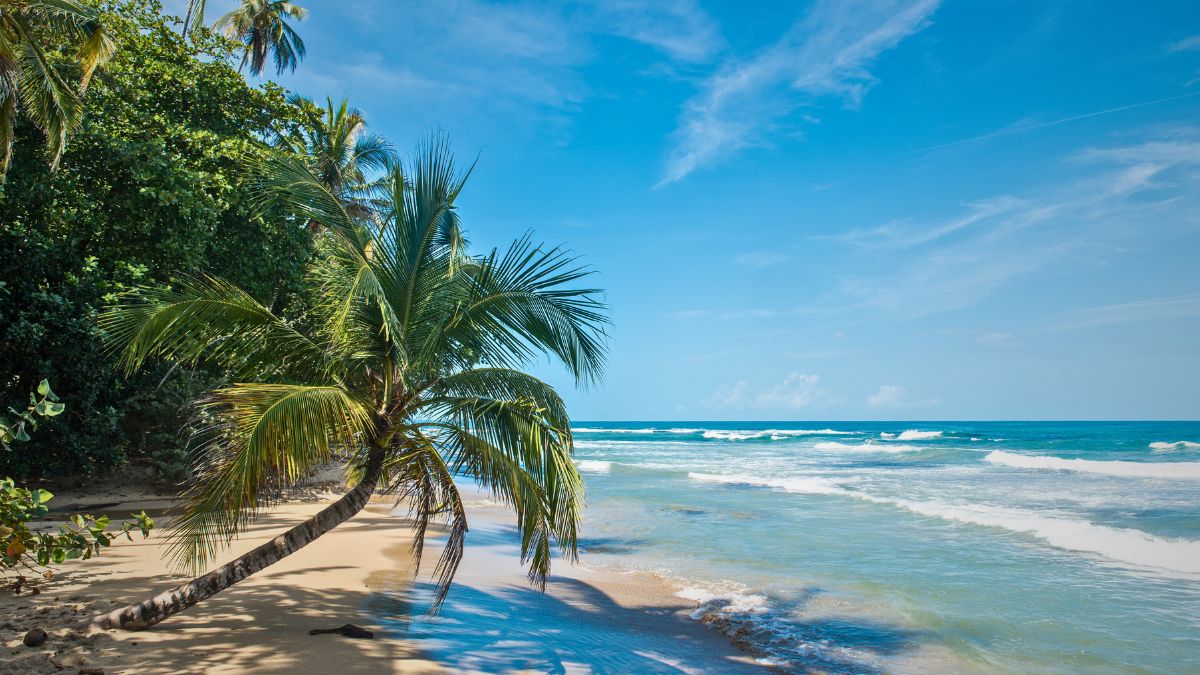
Diving on Costa Rica’s Caribbean coast is possible. The coral reefs near Puerto Viejo are genuinely beautiful. The marine life is different from the Pacific side: calmer conditions, a true living coral ecosystem, a different mix of species. For divers who have done the Pacific circuit, the Caribbean offers a meaningful contrast.
But the diving window here is narrow. The Caribbean coast is typically only diveable from late September through November. Outside those months, visibility deteriorates due to rain, river runoff, and swell. Even within that window, conditions can shift quickly.
Sorry, but the Caribbean side is very poorly organized
There is essentially one dedicated dive operation in Puerto Viejo: Punta Uva Dive Center, located right on the beach at Punta Uva, a short distance from town. They run PADI courses and fun dives and know the local reef well. Reef Runner Divers is another name you’ll find associated with Puerto Viejo, though they have gone through ownership changes and it’s worth confirming their current operating status before planning around them.
My honest advice: if Caribbean diving is a priority for your trip, contact Punta Uva Dive Center at least two weeks in advance. Ask about current conditions and whether the weather window looks favorable. Do not assume that because it’s on the calendar, the diving will happen.
PADI vs. SSI: Does the Agency Actually Matter?
I get this question from students and visiting divers all the time, and I always give the same answer: the agency matters far less than the quality of your instructor and the center’s safety standards.
Both PADI and SSI teach to internationally recognized standards. A PADI Open Water certification is accepted at dive shops worldwide. So is an SSI Open Water certification. When you show up to dive in the Philippines, Bali, or the Red Sea with either card, no one is going to turn you away.
There are philosophical differences in how the two agencies approach training. PADI has a more standardized, step-by-step methodology. SSI gives instructors slightly more flexibility and integrates digital learning tools differently. But for a first-time diver or a recreational diver taking a course, these differences are minor compared to the quality of the person teaching you.
My recommendation: Choose your dive center first based on reputation, safety record, group size, and how they communicate with you. Then check which agency they’re affiliated with. Not the other way around.
What I Tell Every Diver Before They Book
I’ve guided and certified hundreds of divers in Costa Rica. I’ve also seen people show up at a dive center only to find the boat is broken, the instructor is sick, or the operation quietly closed three months ago without updating their website.
Here is the short version of everything I’ve learned:
- Contact the dive center before booking flights or accommodation. Confirm they are open, confirm the trips you want are running, and confirm availability on your specific dates. This one step prevents most disappointments.
- Book Caño Island trips far in advance. The government cap on daily visitor numbers is real, and those slots go fast in high season. Two to three weeks minimum, longer if you’re traveling in December or January.
- Ask about group size. A dive with four people is a fundamentally different experience than a dive with twelve. Small groups mean more personalized instruction, better safety oversight, and usually better interaction with marine life because there’s less noise and disturbance.
- Check safety standards. Does the center carry oxygen on the boat? Do they use dive computers? Is there a boat briefing before every dive? These are basic questions with answers that tell you a lot about how a center operates.
- Don’t base your choice on price alone. Costa Rica diving is not cheap, and centers that price significantly below the market average are usually making compromises somewhere. Equipment quality, instructor ratios, and safety equipment all have costs. A two-tank trip to Caño Island from Uvita typically runs around $200 to $230 including equipment, park fees, and lunch. If someone is offering it for $100, ask why.
- Get travel insurance that covers diving. This one is easy to overlook and genuinely important. Standard travel insurance policies often exclude scuba diving activities, so check the fine print before you assume you’re covered. The most widely used option among divers is DAN (Divers Alert Network) insurance, which costs around $35 per year and covers diving accidents, hyperbaric chamber treatment, and emergency medical evacuation.
If you’re planning a diving trip to the Southern Pacific and want to talk through your options, even if you’re considering diving with someone other than us, feel free to get in touch. I’d rather you have a great dive somewhere else than a disappointing one because of poor planning.
Frequently Asked Questions
How many dive centers are there in Costa Rica?
There are over 50 PADI-certified dive centers registered in Costa Rica, plus a smaller number of SSI centers. Most are concentrated along the Pacific coast, particularly in Guanacaste and the Southern Pacific. The Caribbean coast has very few active operations.
Do I need to be PADI certified to dive in Costa Rica?
You need an Open Water certification (from PADI, SSI, or another recognized agency) to dive independently. If you have no certification, most centers offer Discover Scuba Diving programs that let you try diving under close instructor supervision, typically in shallow, calm conditions. These don’t count as a full certification.
Can I get my PADI Open Water certification in Costa Rica?
Yes, and it’s a great place to do it. The warm water, manageable conditions, and diverse marine life make the experience memorable. Expect to invest 3 to 4 days and roughly $600 to $800 USD including equipment rental, boat trips, and course materials.
What is the best region for beginner divers?
Guanacaste and Uvita are both excellent for beginners. Guanacaste has the most centers and the most choice. Uvita offers easier access to Caño Island, which is one of the better certification sites in the country due to its clear water and rich marine life. Manuel Antonio works well for casual divers who are already visiting that part of the country.
Is Caribbean coast diving worth the trip?
It depends on timing and expectations. The coral reefs near Puerto Viejo are genuinely interesting and different from anything on the Pacific side. But the diving window is narrow (roughly September to November) and weather-dependent. If your trip is planned specifically around diving, the Pacific side offers more reliability.
What should I ask a dive center before booking?
Ask whether they are open on your specific dates, how many divers are on the boat, what safety equipment they carry, whether guides use dive computers, and what is included in the price. How quickly and clearly they answer these questions tells you a lot about how they run their operation.
Sources and References
- PADI Dive Center Directory — Costa Rica
- DAN (Divers Alert Network) — dive safety and insurance
- SINAC — Costa Rica’s National System of Conservation Areas