Let’s be honest. Some divers are happy looking at clownfish in 10 meters of warm, calm water. They want a relaxing holiday where the hardest part of the day is choosing a cocktail. That is fine. Diving can be meditative. But that is not you.
You are looking for the feeling where your heart beats a little faster. Where the current is ripping your mask off. Where the animals are bigger than your car. I get it. As an instructor who has spent years diving in the Pacific, I know that “adrenaline diving” is a specific drug. It is addictive. Once you have been in a bait ball or surrounded by a hundred hammerheads, a normal coral reef feels like watching paint dry.
But there is a difference between “exciting” and “stupid.” The destinations on this list are world-class, but they demand respect. If you panic here, things go wrong very quickly. These are not places to “try” diving. These are places you go when you have mastered your buoyancy, your air consumption, and your fear.
Here are my top 6 picks for divers who find “normal” reefs boring. I have ranked them by raw intensity, logistics, and the “pucker factor.”
Cocos Island, Costa Rica (The Jurassic Park)
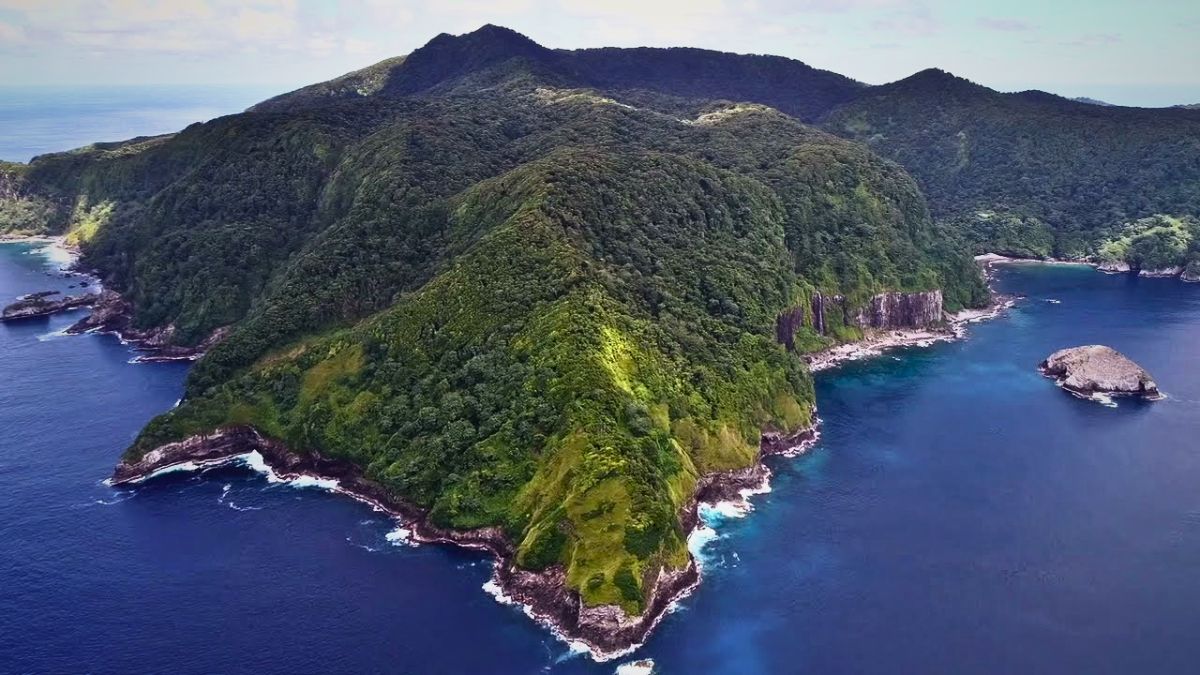
I live in Costa Rica, so maybe I am biased. But Cocos Island is widely considered the best shark diving on Earth for a reason. Located 550 kilometers (340 miles) off the coast, it is an isolated seamount that acts as a magnet for pelagic life. It takes 36 hours by boat just to get there. You are in the middle of nowhere, and that isolation is part of the thrill.
The Adrenaline Factor
Scalloped Hammerheads. Not one or two. Hundreds. They block out the sun. Combined with Tiger Sharks, Galapagos Sharks, Silky Sharks, and unpredictable currents, every dive here feels primal. At night, the reef comes alive with thousands of White-tip Reef Sharks hunting in a frenzy. Being in the middle of that hunt is an experience you will never forget.
Top Dive Site: Alcyone
This is the legend. Alcyone is a submerged seamount where the hammerheads congregate. But getting there is half the battle. You have to descend quickly into the blue (negative entry) to avoid being swept away by the surface current. Once you grab the rock at 30 meters, you just hold on and watch the show.
The Reality Check
The currents here are not just strong; they are multidirectional. We call it the “washing machine.” You need to be comfortable drifting in the blue without a visual reference. If you lose the group here, the next stop is Panama.
- Difficulty: Very High
- Best Season: June to November (Rainy season means more sharks).
Malpelo Island, Colombia (The Lonely Rock)
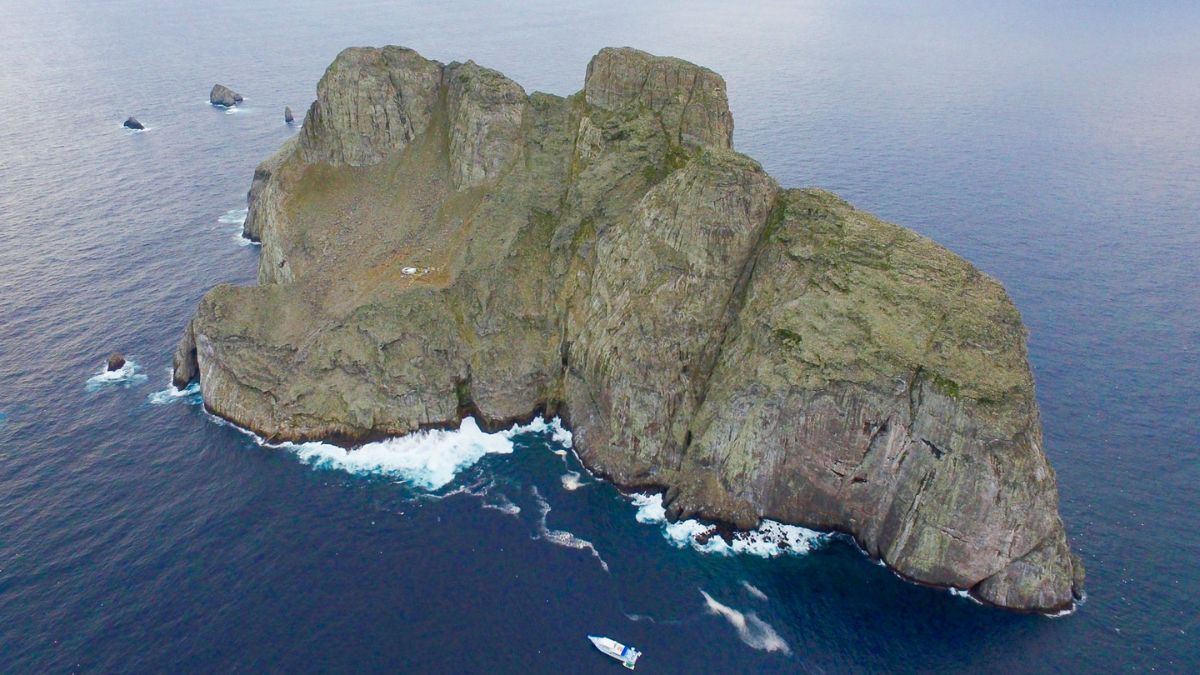
If Cocos is Jurassic Park, Malpelo is the darker, grittier sequel. It is a barren rock sticking out of the Eastern Pacific, belonging to Colombia. It is part of the same “Hammerhead Triangle” as Cocos and Galapagos, but it sees far fewer visitors. Only one boat is usually allowed there at a time.
The Adrenaline Factor
Isolation. You feel completely small here. The walls are steep, the water is deep, and the Hammerhead schools are even denser than in Cocos. You also get the “Monster Face” moray eels which are free-swimming and aggressive. But the real adrenaline comes from the thermoclines. The water temperature can drop from 28°C to 16°C in a matter of seconds. It is a shock to the system.
Top Dive Site: The Freezer
The name says it all. It is cold, deep, and dark. But this is where you see the huge schools of Silky Sharks mixing with Hammerheads. It is a wall dive where you look out into the abyss, and the abyss looks back at you.
The Reality Check
There is no decompression chamber nearby. Safety standards in Colombia can be flexible, but nature is not. You are responsible for your own safety. If you get bent here, evacuation is a logistical nightmare that could take days.
- Difficulty: Extreme
- Best Season: January to March (for Hammerheads and Smalltooth Sand Tiger Sharks).
The Galapagos Islands, Ecuador (Wolf & Darwin)
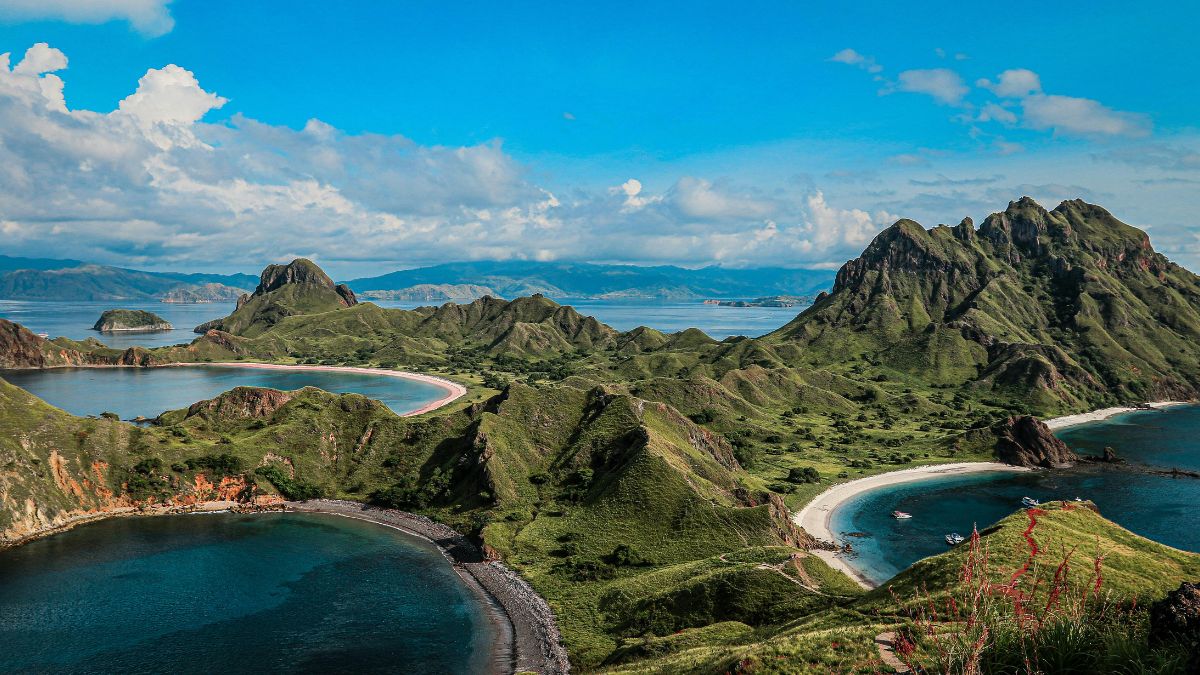
This is the holy grail for many. But do not be fooled by the photos of playful sea lions in the central islands. The real action happens at Wolf and Darwin islands, located far north of the main archipelago.
The Adrenaline Factor
The sheer size of the animals. Whale Sharks here are enormous, often pregnant females up to 14 meters long. Seeing a Whale Shark is usually a gentle experience, but in Galapagos, you are seeing them in 3-knot currents while holding onto barnacle-covered rocks. It is physically exhausting diving. You are not swimming with them; you are watching them cruise past you like submarines while you fight the current.
Top Dive Site: Darwin’s Arch
The arch itself collapsed recently, but the reef below (The Theatre) remains. This is where you sit and watch the parade. Hammerheads, Galapagos Sharks, Turtles, Dolphins, and Whale Sharks all in one tank.
The Reality Check
The water is cold. Much colder than Costa Rica. You are diving in 7mm wetsuits or drysuits, battling heavy surge. The entries are often from Zodiacs (pangas) in rough seas. Getting back on the boat can be a sport in itself.
- Difficulty: High
- Best Season: June to November (Whale Shark season).
Tiger Beach, Bahamas (Face to Face)
Most shark diving involves looking at sharks from a distance. At Tiger Beach, you are the bait (just kidding, mostly). This is not a deep dive or a drift dive. It is a shallow, sandy bottom dive where psychology plays the biggest role.
The Adrenaline Factor
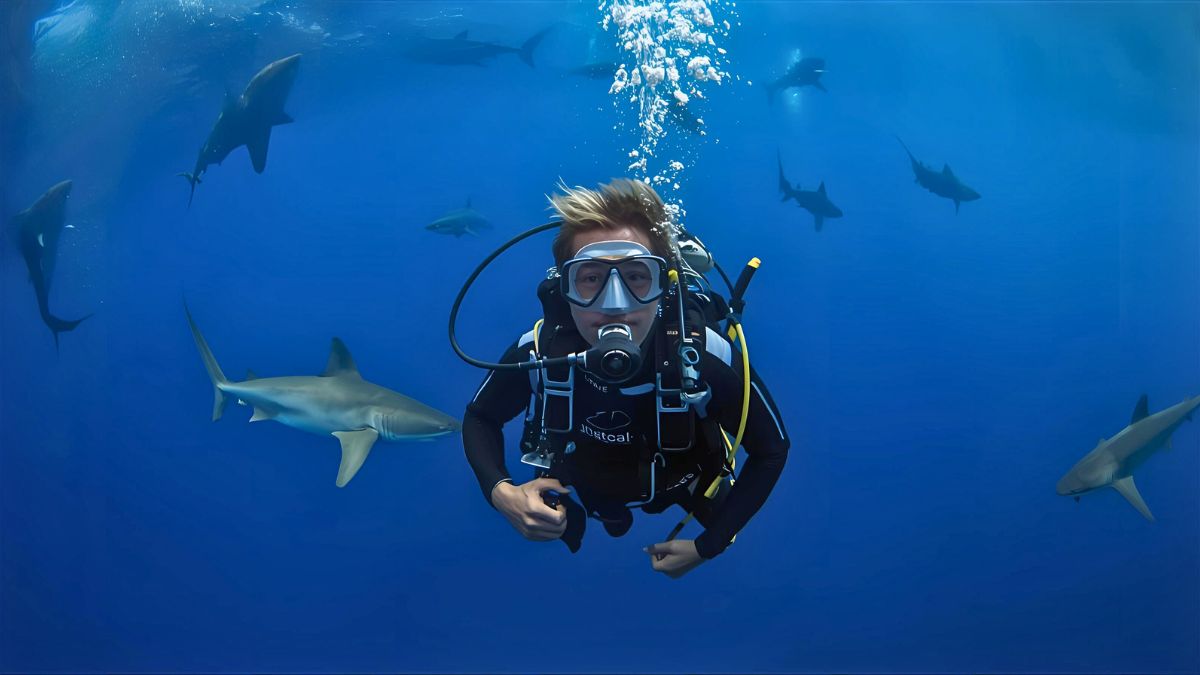
Tiger Sharks. They are massive, curious, and they have no concept of personal space. You kneel on the sand in 6 to 10 meters of water while 4-meter predators bump into your camera dome. There is no cage. There is no wall to put your back against. They come from everywhere.
Top Dive Site: Tiger Beach
It is not really a “beach,” but a shallow sandbar. The visibility is crystal clear, which almost makes it scarier because you can see them coming from far away. The Lemon Sharks are like puppies, constantly nipping at your fins, while the Tigers move slowly and deliberately.
The Reality Check
It is a psychological game. You have to trust the feeder and the animal. If you panic and flail your arms, you look like distress prey. You must maintain eye contact and use a PVC stick to gently redirect them if they get too curious. It requires nerves of steel.
- Difficulty: Medium (Physical) / High (Mental)
- Best Season: October to January.
The Sardine Run, South Africa (Controlled Chaos)
This is nature at its most violent. Millions of sardines move up the Wild Coast of South Africa, hunted by dolphins, sharks, whales, and birds (Cape Gannets). It is the biggest migration on the planet.
The Adrenaline Factor
Speed and unpredictability. You are not following a dive guide on a reef. You are on a zodiac, chasing birds. When the skipper yells “Go!”, you drop into the middle of a feeding frenzy. Sharks are darting everywhere to eat the fish. Dolphins are dive-bombing like torpedoes. Whales are coming up from the deep with their mouths open. You are just a spectator trying not to get hit.
The Reality Check
It is cold (15-19°C), the surface conditions are rough, and you might spend 4 days on a boat seeing nothing. It requires patience and grit. Also, the visibility can be poor, meaning a shark can appear out of the gloom just inches from your face. It is not a structured dive; it is chaos.
- Difficulty: High
- Best Season: June and July.
Cenote Angelita, Mexico (The Spooky One)
Adrenaline isn’t always about speed or sharks. Sometimes it is about the fear of the dark and the unknown. Cenote diving in Mexico is usually beautiful, but Angelita is different. It is haunting.
The Adrenaline Factor
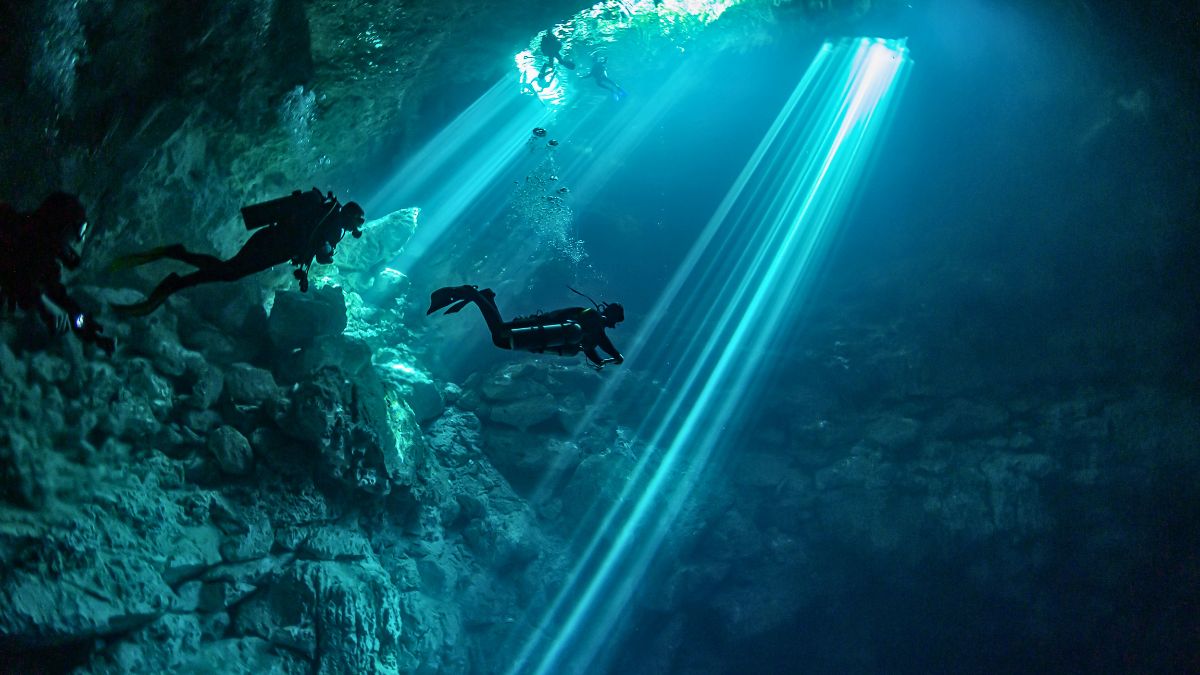
At 30 meters deep, you encounter a thick cloud of hydrogen sulfide. It looks like an underwater river. Below it, it is pitch black. You descend through the cloud, smelling the rotten eggs (yes, the gas penetrates your skin and you can taste it). Beneath the cloud, there is no light. There are trees rotting in the darkness. It feels like diving on another planet or in a graveyard.
The Reality Check
Nitrogen Narcosis is real here. The spooky environment, combined with the depth and the darkness, can trigger anxiety even in experienced divers. It plays tricks on your mind. You need perfect buoyancy to avoid disturbing the hydrogen sulfide layer.
- Difficulty: Advanced
- Best Season: Year-round (best light in summer).
The Mental Game: Panic vs. Focus
Why do we do this? Why put ourselves in these situations? It is about the “flow state.” When you are at 30 meters in Cocos Island, holding onto a rock in a ripping current with a wall of Hammerheads in front of you, your mind cannot wander. You cannot think about your emails or your mortgage.
You are 100% present. That focus is the true adrenaline. But the line between focus and panic is thin.
In these environments, a small problem becomes a crisis fast. If your mask floods in a pool, you stand up. If your mask floods in the Galapagos current, you have seconds to fix it before you are swept into the blue or separated from your buddy. Training your mind is just as important as training your body.
Essential Gear for High-Voltage Diving
You cannot show up to these destinations with just a swimsuit and a rental BCD. You need gear that saves your life. Here is what I carry on every expedition:
- Nautilus Lifeline (GPS): If you drift away in Malpelo, a whistle won’t help. This radio/GPS beacon sends your coordinates to the boat. It is expensive, but what is your life worth?
- Surface Marker Buoy (SMB): Not a tiny sausage. You need a massive, 2-meter bright orange or yellow buoy that can be seen over big waves.
- Reef Hook: Essential for Cocos and Galapagos. It allows you to hook into a rock and “fly” in the current without exhausting yourself or damaging the reef with your fins.
- Audible Signaling Device: A Dive Alert air horn that connects to your inflator hose. It is incredibly loud and can be heard over the sound of boat engines.
Prerequisites: Are You Ready?
I often have to tell clients that they are not ready for these trips. It is not personal; it is safety. Before you book a $6,000 trip to Cocos or Galapagos, you should have:
- Advanced Open Water Certification: Mandatory.
- Nitrox Certification: Essential. You will be doing multiple deep dives a day. Without Nitrox, your bottom time will be pitiful.
- 50+ Logged Dives: This is the bare minimum. Ideally, you should have experience in currents and deep water.
- Drift Diving Experience: Go to Cozumel or similar places first to learn how to handle currents.
Comparison Table: The Adrenaline Matrix
Here is a quick breakdown to help you choose your next adventure.
| Destination | Main Attraction | Difficulty (1-10) | Est. Cost (Trip) |
|---|---|---|---|
| Cocos Island | Hammerhead Schools | 8/10 | $6,000+ |
| Malpelo | Isolation & Sharks | 9/10 | $5,000+ |
| Galapagos | Whale Sharks & Darwin | 9/10 | $7,000+ |
| Tiger Beach | Tiger Sharks (Close up) | 6/10 | $4,000+ |
| Sardine Run | Feeding Frenzy | 8/10 | $4,500+ |
| Cenote Angelita | Atmosphere & Depth | 7/10 | $200 (Day trip) |
Frequently Asked Questions
Do I need an Advanced certification for these destinations?
Yes, absolutely. Most of these sites (especially Cocos, Malpelo, and Galapagos) require deep dives (below 18 meters), negative entries, and handling strong currents. We strongly recommend having your PADI Advanced Open Water certification and a Nitrox certification. Ideally, you should have at least 30-50 logged dives before attempting these trips to ensure you are safe and can actually enjoy the experience.
Is shark diving actually safe?
Statistically, yes. Sharks are not the mindless man-eaters portrayed in movies. They are cautious predators. However, these are wild animals. Accidents usually happen when divers do not follow protocol (e.g., getting too close, waving hands, or panicking). At destinations like Tiger Beach, you must follow the feeder’s instructions exactly. In places like Cocos, the main danger is usually the ocean conditions (currents), not the sharks themselves.
When is the best time to dive Cocos Island?
If you want the most action (huge schools of Hammerheads), go during the rainy season (June to November). The sea is rougher, and the visibility is lower due to plankton, but this nutrient-rich water attracts the most sharks. The dry season (December to May) is calmer and offers better visibility, but the shark numbers are slightly lower.
What happens if I get decompression sickness in Malpelo?
This is the biggest risk of diving in remote locations. Malpelo is extremely isolated, and there is no chamber on the island. Evacuation to the mainland can take 24 hours or more. This is why you must dive conservatively, stay hydrated, and never push your limits. DAN Insurance (Divers Alert Network) is mandatory for these trips; without it, the cost of evacuation could bankrupt you.
Can I bring a non-diving partner?
For destinations like Galapagos or South Africa (Sardine Run), yes—they can do land tours or snorkeling. However, for liveaboard-only destinations like Cocos or Malpelo, there is typically nothing for non-divers to do. You are on a boat in the open ocean for 10 days. It is strictly for divers who are comfortable being at sea.
Summary: Choose Your Poison
The ocean is powerful. These destinations remind us that we are just guests in a world that is not built for us. If you are ready to step up from “holiday diving” and see something life-changing, these places are waiting.
My advice? Start with something like Caño Island or the Bat Islands here in Costa Rica to get a taste of sharks and currents. Once you are comfortable there, you will be ready for the big leagues.
Sources and References
- DAN (Divers Alert Network) – Safety guidelines for remote diving expeditions and evacuation protocols.
- Undersea Hunter Group – Logistics, safety protocols, and seasonal charts for Cocos Island liveaboards.
- Galapagos National Park Directorate – Rules and regulations for diving in the Galapagos Marine Reserve.
- PADI Travel – Global dive destination guides and certification requirements.