A few years ago, I watched a diver surface from a routine dive with numbness spreading through his left arm. Within hours, he was in a hyperbaric chamber. The treatment bill exceeded $15,000.
He had travel insurance. It covered nothing.
That experience changed how I talk to divers who visit our center. Scuba diving insurance is essential protection that costs less than a single tank of air per month but can save you from financial disaster.
This guide covers what dive insurance includes, compares the best providers, and helps you choose the right plan for your diving style. Whether you are planning your first dive in Costa Rica or your hundredth dive anywhere in the world, this information matters.
What Is Scuba Diving Insurance and Why Do You Need It?
Scuba diving insurance is specialized coverage designed specifically for underwater activities. Unlike standard health or travel insurance, it covers the unique risks divers face. These include decompression sickness treatment, emergency evacuations from remote locations, and hyperbaric chamber sessions.
Think of it as a safety net created by divers for divers.
Regular insurance companies view scuba diving as a hazardous activity. They either exclude it entirely or impose severe limitations. Dive insurance fills those gaps with coverage that actually works when you need it most. Understanding diving safety fundamentals helps you appreciate why proper insurance matters.
What Does Scuba Diving Insurance Actually Cover?
Most dive insurance policies include several key protections. Understanding these helps you evaluate which plan fits your needs.
- Medical expenses from dive accidents form the core coverage. This includes physician consultations, hospital stays, diagnostic tests, and all treatment related to diving injuries. Coverage limits typically range from $50,000 to $500,000 depending on your plan.
- Hyperbaric chamber treatment deserves special attention. Decompression sickness requires recompression therapy, and these chambers are expensive to operate. Quality dive insurance covers unlimited chamber sessions until you recover, not just a limited number of treatments.
- Emergency evacuation and transportation covers getting you from the dive site to appropriate medical care. This might mean a boat ride to shore, an ambulance to the hospital, or a medical flight to a facility with a hyperbaric chamber. In remote diving destinations, evacuation alone can cost $10,000.
- Trip cancellation and interruption reimburses non-refundable expenses if you cannot dive due to illness, injury, or other covered reasons. This protects your investment in dive trips, liveaboard bookings, and course fees.
- Dive equipment coverage protects your gear against loss, theft, or damage during travel. Considering a basic setup costs $1,000 to $3,000, this coverage provides real value for divers who own their equipment.
- Liability protection covers you if you accidentally injure another diver or damage property during a dive. While more critical for professionals, some recreational plans include basic liability coverage.
How Much Does Hyperbaric Chamber Treatment Cost Without Insurance?
This is where the math becomes frightening.
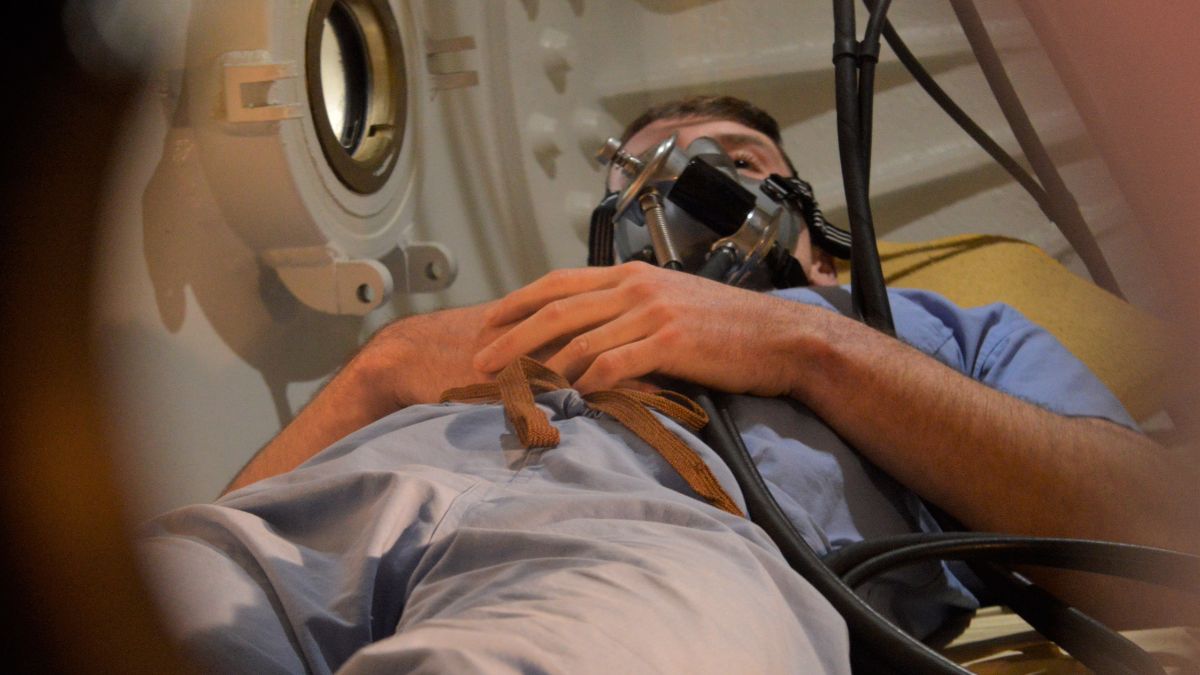
Hyperbaric chamber treatment typically costs between $800 and $2,000 per hour. A standard treatment session runs two to five hours. Severe cases of decompression sickness may require multiple sessions over several days.
Let me break down a realistic scenario. A diver develops DCS symptoms after a deep dive. Initial evaluation and transport to the chamber facility costs $3,000. The first chamber session lasts four hours at $1,200 per hour. That adds $4,800. The diver needs three more sessions over the next two days. Total chamber costs reach $19,200.
Did you know? DAN (Divers Alert Network) handles over 3,000 emergency calls from divers every year. Most involve situations where standard travel insurance would not help.
Add hospital accommodation, physician fees, follow-up care, and potentially a medical evacuation flight. Total bill: $25,000 to $40,000.
I have seen this happen. The diver I mentioned earlier was lucky. His family could cover the costs. Not everyone has that option.
Now consider that DAN’s Master plan costs about $70 per year and covers up to $500,000 in dive accident expenses. The math is simple. One year of premium coverage costs less than 15 minutes of chamber treatment.
Does Travel Insurance Cover Scuba Diving?
This question comes up constantly. Almost every diver assumes their travel insurance has them covered.
Most divers are mistaken.
Why Standard Travel Insurance Falls Short
Travel insurance companies operate as businesses focused on collecting premiums and minimizing payouts. Scuba diving represents a calculated risk they prefer to avoid.
Most travel policies include scuba diving in their list of excluded hazardous activities. Even policies that claim to cover diving impose strict limitations.
- Depth restrictions typically cap coverage at 18 to 30 meters. Recreational diving certification allows depths up to 40 meters. If you exceed the policy limit and need treatment, your claim gets denied.
- Certification requirements mean you must hold a valid certification appropriate for the dive. Discover Scuba Diving participants may not be covered at all under standard travel policies.
- Equipment requirements specify that you must use properly maintained gear meeting certain standards. This creates opportunities for insurers to dispute claims.
- Activity exclusions often eliminate coverage for night diving, wreck penetration, drift diving, or diving in currents. Many of the most exciting dives fall outside standard coverage.
The real problem hides in the fine print. Insurance policies include a document called General Conditions of Insurance. This explains exactly what is and is not covered. If something is not explicitly listed, insurance will not pay. The principle of assuming coverage does not apply.
What Happens If You Have an Accident Without Proper Coverage?
Here is what I have seen firsthand.
A diver from California developed symptoms of DCS after her third dive of the day. Nothing extreme, just tingling in her fingers and fatigue. She thought it would pass.
By evening, the symptoms worsened. She needed chamber treatment. The nearest facility required a two-hour boat ride followed by an ambulance transfer.
Her travel insurance denied the claim. The policy covered diving to 18 meters. Her deepest dive that day reached 24 meters. Claim denied.
She paid $22,000 out of pocket. Her vacation budget for the next three years disappeared in one afternoon.
This is not a scare tactic. This is reality. I have seen it happen multiple times in my years as an instructor. The divers who carry proper insurance sleep well. The divers who gamble sometimes lose badly.
Fun fact: The first hyperbaric chamber was built in 1662 by a British physician named Nathaniel Henshaw. He believed compressed air could treat various ailments. Today, these chambers save divers’ lives worldwide.
Best Scuba Diving Insurance Providers Compared
Three providers dominate the dive insurance market. Each offers distinct advantages depending on your diving habits and preferences.

DAN (Divers Alert Network) Insurance: Is It Worth It?
DAN has protected divers since 1980. They pioneered dive accident insurance and remain the most recognized name in diving safety. PADI officially recognizes DAN as the leading dive safety organization.
DAN operates differently than typical insurers. You first become a DAN member ($40 per year), then purchase dive accident insurance as a separate product. Membership alone provides valuable benefits including a 24/7 emergency hotline and medical information services. Learn more about DAN dive accident and travel assistance options.
DAN insurance plans:
- Guardian Plan ($35/year) covers $50,000 in dive accident expenses and $10,000 in emergency transportation. This entry-level plan suits occasional divers who want basic protection.
- Preferred Plan ($60/year) increases coverage to $125,000 in dive accident expenses with $150,000 emergency transportation. Most recreational divers find this plan offers the best value.
- Master Plan ($100/year) provides $500,000 in dive accident expenses and $150,000 emergency transportation. Serious divers and those traveling to remote destinations should consider this comprehensive coverage.
- Strengths: Established reputation, extensive global network, no depth or gas limitations, 24/7 emergency support with dive medicine specialists, covers divers over 70 years old.
- Limitations: Requires membership purchase before insurance, does not cover lost diving days due to weather, US-focused (though coverage works worldwide).
- Best for: US-based divers, recreational divers of all levels, divers who value established reputation and medical expertise.

DiveAssure: Comprehensive Coverage for Serious Divers
DiveAssure offers what many consider the most comprehensive dive insurance available. Their plans consistently rank among the highest coverage limits in the industry.
What sets DiveAssure apart is their direct payment system. When you need treatment, they pay the provider directly. You do not need to front thousands of dollars and wait for reimbursement.
Key coverage highlights:
Medical expenses up to $750,000 per occurrence. Emergency evacuation up to $500,000. Trip cancellation coverage up to $25,000. Equipment coverage up to $5,000. Liability coverage up to $5,000,000.
DiveAssure offers both single-trip and annual multi-trip options. Annual plans start around $150, which is higher than DAN but includes more comprehensive benefits.
- Strengths: Highest coverage limits, direct payment to providers, no depth restrictions, covers scuba and freediving, excellent liveaboard coverage options, 24/7 multilingual support.
- Limitations: Higher annual cost than DAN, less brand recognition among casual divers.
- Best for: Frequent divers, liveaboard travelers, technical divers, international divers seeking maximum coverage.

World Nomads: Best for Occasional Divers
World Nomads approaches dive insurance differently. They offer travel insurance that includes scuba diving coverage rather than diving-specific policies.
This makes them ideal for travelers who plan to dive occasionally during broader adventures. You get trip protection, medical coverage, baggage insurance, and diving coverage in one package.
Coverage details
Standard and Explorer plans both cover recreational scuba diving to 50 meters depth. The Explorer plan adds coverage for cave diving, shark cage diving, and serving as a dive guide or instructor.
Pricing varies based on trip length, destination, and your home country. A two-week trip might cost $80 to $150 depending on options selected.
- Strengths: Combines travel and dive insurance, flexible trip-length options, covers many adventure activities beyond diving, easy online purchase.
- Limitations: Depth restrictions apply, may exclude certain dive types, not ideal for diving-only trips, terms vary significantly by plan.
- Best for: Vacation divers, adventure travelers, those wanting combined travel and dive coverage, budget-conscious occasional divers.
Provider Comparison Table
| Feature | DAN (Master) | DiveAssure (Elite) | World Nomads (Explorer) |
|---|---|---|---|
| Annual Cost | ~$140 (membership + insurance) | ~$200 | Varies by trip |
| Dive Accident Medical | $500,000 | $750,000 | Varies |
| Emergency Evacuation | $150,000 | $500,000 | Included |
| Hyperbaric Coverage | Unlimited sessions | Unlimited sessions | Limited |
| Depth Limit | None | None | 50 meters |
| Equipment Coverage | $3,000 (add-on) | $5,000 | Limited |
| Trip Cancellation | $15,000 (add-on) | $25,000 | Included |
| Best For | Recreational divers | Serious/frequent divers | Vacation divers |
How to Choose the Right Dive Insurance for Your Needs
Selecting dive insurance does not need to be complicated. Answer a few questions about your diving habits, and the right choice becomes clear.
What Type of Diver Are You?
Your diving frequency and style determine which coverage makes sense.
- Occasional vacation diver (1-2 trips per year, fewer than 20 dives annually): World Nomads or DAN Guardian provides sufficient coverage without overpaying. Trip-based insurance from World Nomads may cost less if you only dive during one vacation.
- Regular recreational diver (3+ trips per year, 20-50 dives annually): DAN Preferred or Master plans offer the best value. Annual coverage makes more financial sense than purchasing trip insurance repeatedly.
- Frequent or serious diver (50+ dives annually, multiple destinations): DiveAssure Elite or DAN Master provides the comprehensive protection you need. The higher premium pays for itself through superior coverage limits and benefits.
- Technical or deep diver (depths beyond 40 meters, mixed gases, decompression diving): DiveAssure or DAN without depth restrictions is essential. Standard travel insurance will not cover technical diving activities.
- Dive professional (divemaster, instructor, guide): You need professional liability insurance beyond recreational coverage. Both DAN and DiveAssure offer professional plans designed for working divers.
What Questions Should You Ask Before Buying Dive Insurance?
Before purchasing any policy, get clear answers to these questions.
Does it cover my maximum diving depth?
Confirm the policy covers depths you actually dive. If you hold Advanced Open Water certification and dive to 30 meters, make sure coverage extends to at least that depth.
Is hyperbaric treatment fully covered?
Some policies limit chamber sessions or impose per-treatment caps. Quality dive insurance covers treatment until you recover, not just a fixed number of sessions.
What exclusions apply?
Read the policy exclusions carefully. Common exclusions include solo diving, diving while intoxicated, exceeding certification limits, and pre-existing conditions. Know what voids your coverage.
Does coverage work in my destination?
Verify the policy provides coverage where you plan to dive. Some regional policies do not cover international travel or specific countries.
Is this primary or secondary coverage?
Primary insurance pays first regardless of other coverage you hold. Secondary insurance only pays after your primary health insurance. DAN and DiveAssure typically function as primary coverage for dive accidents.
How do I file a claim?
Understand the claims process before you need it. Does the provider pay facilities directly or require reimbursement? What documentation do you need? Knowing this in advance prevents problems during emergencies.
Do You Need Dive Insurance for Diving in Costa Rica?
Absolutely yes. I say this as someone who dives Costa Rican waters almost daily.
Costa Rica offers incredible diving. Isla del Caño, Catalina Islands, Bat Islands, and the legendary Cocos Island attract divers worldwide. But these remote locations mean evacuation costs run high if something goes wrong.
The nearest hyperbaric chamber to dive sites in Uvita is located in San José. That requires a boat ride to shore, ground transportation or air evacuation, and then treatment. The logistics alone can exceed $5,000 before chamber treatment even begins.
What about public healthcare?
Costa Rican public healthcare does not automatically cover foreign tourists for diving accidents. Private hospitals require payment guarantees before treatment. Having valid dive insurance with direct payment capabilities eliminates delays when time matters most.
Every diver who visits Costa Rica should carry proper dive insurance. The $35 to $150 annual cost is trivial compared to the risks of diving unprotected in remote Pacific waters.
Did you know? Costa Rica protects over 25% of its territory in national parks and reserves. This conservation commitment extends underwater, creating the pristine conditions that make diving here so spectacular.
Common Exclusions and Limitations to Watch For
Understanding what dive insurance does not cover is just as important as knowing what it covers. Claim denials often result from situations divers could have avoided.
What Will Dive Insurance NOT Cover?
Every policy includes exclusions. These are the most common across all providers.
- Pre-existing medical conditions represent the trickiest exclusion. If you have a heart condition, respiratory issues, or ear problems, coverage may be limited or denied for related incidents. Some policies require medical clearance documentation before coverage applies.
- Diving beyond certification limits voids coverage almost universally. If your certification allows 18 meters and you dive to 25 meters, any resulting incident falls outside coverage. This applies to depth, decompression requirements, and specialized diving activities.
- Diving under the influence of alcohol or drugs eliminates coverage completely. Even legal medications that impair judgment may void claims. Insurers take this exclusion seriously.
- Solo diving without a buddy present often excludes coverage. The buddy system exists for safety reasons. Insurers recognize this and exclude incidents where basic safety protocols were ignored.
- Technical diving without certification leaves you unprotected. Mixed gas diving, rebreather use, penetration diving, and deep decompression diving require specific training. Attempting these activities without proper certification means no coverage.
- Gross negligence or reckless behavior gives insurers grounds for denial. Ignoring obvious hazards, disregarding dive guide instructions, or knowingly violating safety standards can void your policy.
How to Avoid Claim Denials
Protecting your coverage requires attention before, during, and after every dive.
- Document everything from the start. Keep your certification card current and accessible. Photograph your dive computer profile after every dive. Save receipts for any medical consultations. In an emergency, this documentation supports your claim.
- Dive within your limits consistently. Your certification defines your maximum depth and approved activities. Stay within these boundaries. The few extra meters are never worth risking your coverage and your health.
- Keep certifications current and carry proof. Some insurers verify certification status before processing claims. Expired certifications or inability to prove qualification creates problems.
- Understand your policy terms before diving, not after an incident. Read the General Conditions document. Know your coverage limits, exclusions, and claim procedures. Ignorance does not excuse violations.
- Maintain a dive log with details. Record dive sites, depths, times, and conditions. This documentation proves you followed proper procedures if questions arise later.
- Get medical clearance if you have any health concerns. A doctor’s approval to dive provides protection against pre-existing condition exclusions. Some conditions require annual clearance for coverage to apply.
How to Get Scuba Diving Insurance (Step-by-Step)
Purchasing dive insurance takes less time than filling a tank. Here is exactly how to get covered with the major providers.
How Do I Sign Up for DAN Insurance?
DAN requires membership before purchasing insurance. The process takes about 15 minutes online.
- Step 1: Visit dan.org and click on Membership.
- Step 2: Choose your membership level. Individual membership costs $40 per year. Family membership costs $55 and covers your household.
- Step 3: Create your account with personal information, emergency contacts, and diving certification details.
- Step 4: Complete membership payment. You immediately receive member benefits including the emergency hotline number.
- Step 5: Navigate to the Insurance section. Select your coverage level: Guardian, Preferred, or Master.
- Step 6: Review coverage details and complete insurance purchase. Your policy becomes active according to the effective date you select.
- Step 7: Download your membership card and insurance documents. Store these on your phone and keep physical copies with your dive gear.
Total cost for membership plus Master plan insurance: approximately $140 per year. That breaks down to less than $12 per month for comprehensive worldwide coverage.
Can I Buy Dive Insurance Last Minute?
Yes, but planning ahead works better.
DAN insurance can become effective the day after purchase. If you buy on Monday, coverage begins Tuesday. This allows last-minute protection before dive trips.
DiveAssure offers immediate coverage for some plans. Single-trip policies can start the same day in many cases.
World Nomads allows purchase even after your trip begins, though buying before departure provides fuller protection.
However, waiting until the last minute creates risks. Website issues, payment processing delays, or documentation requirements could leave you unprotected. Purchase coverage at least one week before your dive trip whenever possible.
For divers who dive regularly, annual policies eliminate this concern entirely. Pay once, stay covered all year, and never worry about last-minute logistics.
If you are new to diving and planning your first underwater adventure, getting insurance should be part of your preparation checklist alongside booking your certification course.
Frequently Asked Questions
These questions come up regularly when divers research insurance options. Here are straightforward answers based on current policies and real-world experience. For more common diving questions, check our complete guide.
Is scuba diving insurance mandatory?
No law requires recreational divers to carry insurance. However, some dive operators, liveaboards, and destinations strongly recommend or require proof of coverage. Beyond requirements, the financial protection makes insurance essential for any diver.
Does DAN insurance cover snorkeling and freediving?
Yes. DAN covers all breath-hold diving activities including snorkeling and freediving. Surface activities and underwater photography are included. Coverage extends to any recreational underwater activity.
What if I get injured while diving and do not have insurance?
You become personally responsible for all costs. Hospitals and hyperbaric facilities require payment regardless of insurance status. Medical bills for serious dive accidents routinely exceed $20,000. Some facilities require credit card authorization or cash payment before treatment begins.
Can I get dive insurance if I have a medical condition?
Possibly, with limitations. Many providers cover divers with managed medical conditions but may exclude incidents related to those conditions. Disclose all health information accurately when applying. Some conditions require annual medical clearance for coverage to remain valid.
How long does it take to process a dive insurance claim?
DAN and DiveAssure typically process straightforward claims within 30 days. Claims requiring investigation may take longer. Direct payment to providers happens quickly when available. Reimbursement claims require submission of receipts and documentation, which adds processing time.
Does dive insurance cover dive trips that get canceled?
Trip cancellation coverage is included in some plans or available as an add-on. DiveAssure includes trip cancellation in premium plans. DAN offers it as an optional upgrade. Coverage typically reimburses non-refundable costs when trips are canceled due to illness, injury, or other covered reasons.
Is dive insurance worth it if I only dive once a year?
Yes. A single dive accident costs far more than years of insurance premiums. Even occasional divers face the same risks as frequent divers. Trip-based coverage from World Nomads or DAN Guardian provides affordable protection for vacation divers.
Protect Yourself Before Your Next Dive
Scuba diving opens a world of wonder that surface dwellers never experience. The colors, the creatures, the weightless sensation of moving through water. Nothing compares to it.
But this privilege comes with responsibility. Responsibility to train properly, dive safely, and protect yourself against the unexpected.
Dive insurance costs less than a nice dinner. It provides peace of mind worth far more. When you descend knowing that an accident will not destroy your finances, you dive more relaxed. Relaxed divers are safer divers.
The ocean awaits. Dive prepared.