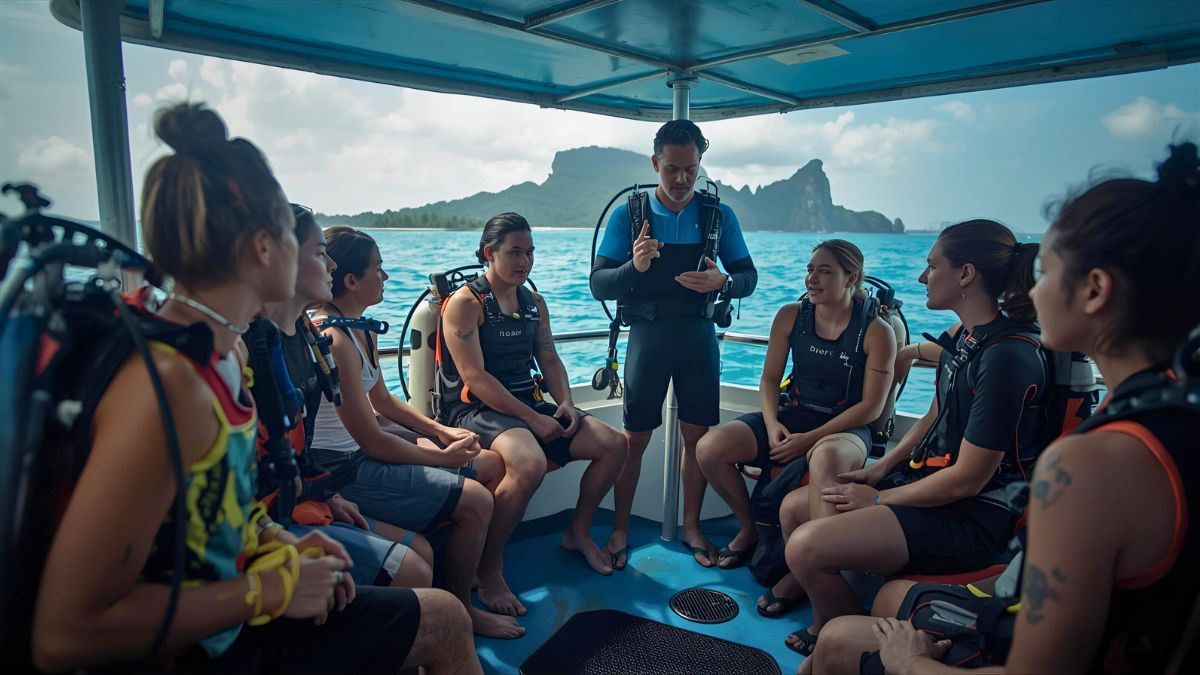
You are standing on the dive boat, wetsuit on, tank ready. But something feels off. Your hands hesitate over the BCD inflator. Which button was it again? The regulator feels foreign in your mouth. Everyone else gears up effortlessly while you fumble with clips and straps you once knew by heart.
If this sounds familiar, you are not alone. As a diving instructor in Costa Rica, I see this every week. Certified divers arrive after months or years away from the water with that unmistakable mix of excitement and anxiety on their faces.
Here is the good news. Your certification never expires, your skills are still in there somewhere, and with proper preparation, you can get back underwater safely. This guide covers everything you need to know about scuba diving after a long break, from refresher courses to gear checks to choosing the perfect comeback dive.
Does Your Scuba Certification Expire?
No, your scuba certification does not expire. Whether you earned your Open Water card five months ago or twenty years ago, that certification remains valid for life. PADI, SSI, NAUI, and all major training agencies issue lifetime certifications.
The knowledge and skills from your course created a foundation that stays with you. Basic safety principles, physics of diving, understanding of pressure effects on your body. These concepts do not disappear completely.
However, there is a big difference between having a valid certification and being ready to dive safely. Your card proves you completed training. It does not prove you remember how to clear a flooded mask or assemble your equipment correctly.
Think of it like a driver’s license. The license remains valid, but if you have not driven in three years, your first time back feels awkward. Diving works the same way.
Did you know? According to PADI, most certified divers worldwide are “holiday divers” who only get underwater once or twice a year. If you have taken a long break from diving, you are part of a very large club.
What Happens to Your Diving Skills After a Long Break?
Your brain stores diving skills as motor memory, the same type that helps you ride a bicycle. These skills get encoded in neural pathways connecting your brain to your muscles. When you practiced mask clearing during your course, you were building neuron connections.
The problem is that neural pathways weaken without regular use. They do not disappear entirely, but they become harder to access. This explains why returning divers often “know” they can do something but struggle to execute it smoothly.
The good news? These pathways reactivate much faster than they originally took to build. Your first refresher dive might feel clumsy. By your third or fourth dive, muscle memory typically kicks back in.
Which Skills Fade First?
Based on teaching hundreds of refresher courses, here is what deteriorates quickest:
- Buoyancy control suffers the most. Fine-tuned buoyancy requires constant practice, and even experienced divers struggle to hold depth after time away.
- Equipment assembly becomes confusing fast. Which way does the tank band go? Where does the alternate air source clip? These steps feel automatic when you dive regularly but become puzzles after a break.
- Emergency procedures are most concerning. Skills like controlled emergency ascents and alternate air source use may be completely inaccessible after a long break.
- Air consumption increases. Relaxed breathing patterns take time to re-establish, and nervous divers drain tanks quickly.
How Long Is Too Long Without Diving?
The industry recommends a refresher after six months or more without diving. But this guideline does not account for individual differences.
A diver with 200 logged dives who takes a year off is in a very different position than someone with 10 lifetime dives taking the same break. Experience level matters enormously.
Here is a practical framework:
| Experience Level | Break Duration | Recommendation |
|---|---|---|
| Fewer than 20 dives | 6+ months | Refresher strongly recommended |
| 20-50 dives | 6-12 months | Refresher recommended |
| 20-50 dives | 12+ months | Refresher strongly recommended |
| 50-100 dives | 12-18 months | Refresher recommended |
| 100+ dives | Under 12 months | Checkout dive usually sufficient |
Be honest with yourself. Overestimating your readiness creates risk. Most divers benefit tremendously from even a brief refresher session.
10 Steps to Return to Scuba Diving After a Long Break
1. Get Your Dive Gear Serviced
If you own equipment, start here. Gear that sits unused deteriorates in ways that are not always visible.
Regulators require servicing every one to two years or after extended storage. Rubber components dry out, internal parts corrode, and seals may fail. Do not discover problems underwater.
BCDs need inspection for bladder integrity and inflator function. Dive computers often need battery replacement. Wetsuits should be checked for tears and zipper function.
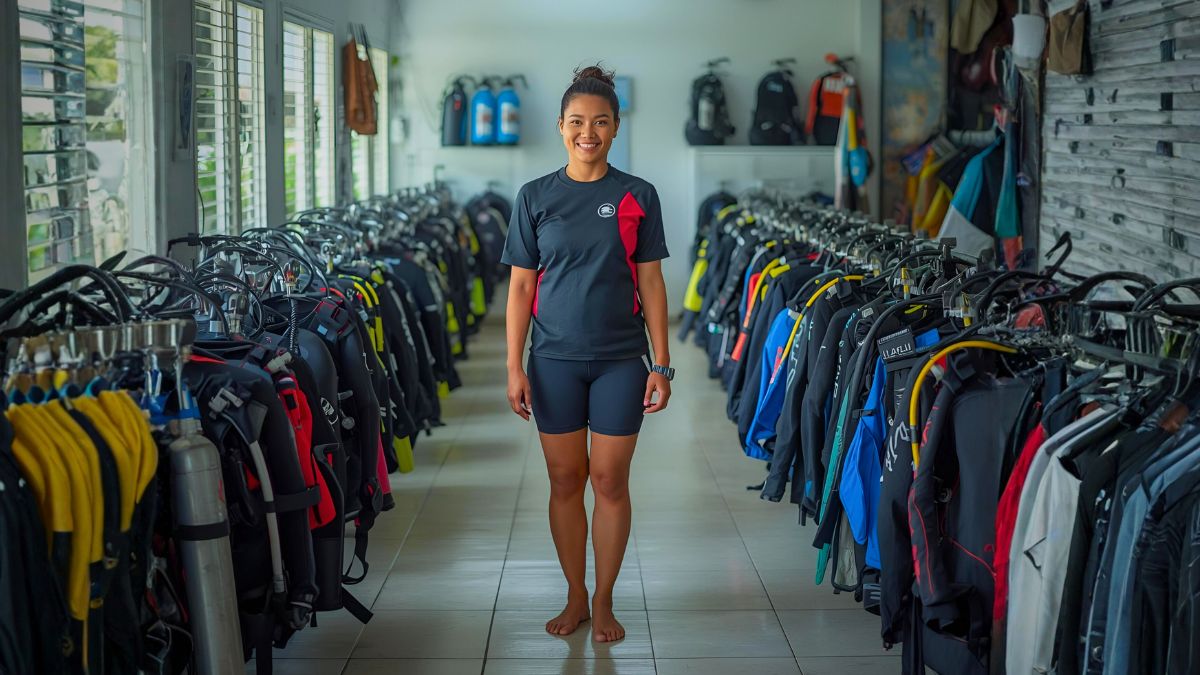
If you plan to rent, choose a reputable dive center and mention you are returning after a break. They will ensure proper equipment fitting.
2. Review Your Diving Knowledge
While your gear gets serviced, refresh the knowledge side. You do not need to memorize dive tables, but reviewing core concepts builds confidence.
Focus on basic physics of diving, emergency procedures, and hand signals. Print a reference card or watch instructional videos. The PADI eLearning platform offers review materials for all certified divers.
Spending two or three hours on knowledge review makes a noticeable difference in underwater confidence.
3. Renew Your Dive Insurance
Dive insurance protects against potentially enormous accident costs. Hyperbaric chamber treatment can cost tens of thousands of dollars. Standard travel insurance typically excludes diving injuries.
If your DAN membership or similar coverage lapsed, renew before your trip. Basic coverage runs $40 to $75 per year. This investment provides peace of mind and access to emergency medical advice worldwide.
4. Complete a Medical Self-Assessment
Your health may have changed since your last dive. Download the RSTC medical questionnaire and complete it honestly.
Pay attention to cardiovascular health, respiratory conditions, ear and sinus issues, and any new medications. If you answer yes to any questions, consult a physician trained in dive medicine before diving.
Did you know? If you recovered from COVID-19 with respiratory symptoms, diving medical organizations recommend physician clearance before returning to diving. The virus can cause lung changes that create serious underwater risks.
5. Take a PADI ReActivate or Refresher Course
For most divers returning after a significant break, a structured refresher offers the most efficient path to confident diving.
PADI ReActivate combines online knowledge review with in-water skills practice. The eLearning component takes two to four hours. The in-water portion typically takes half a day.
A PADI professional guides you through equipment setup, pre-dive checks, mask clearing, regulator recovery, buoyancy control, and emergency procedures. Upon completion, you receive a certification card update showing your “ReActivated through” date.
The cost typically runs $150 to $250 for the complete program. This investment provides structured review, professional guidance, and documented proof of readiness.
6. Start in Confined Water First
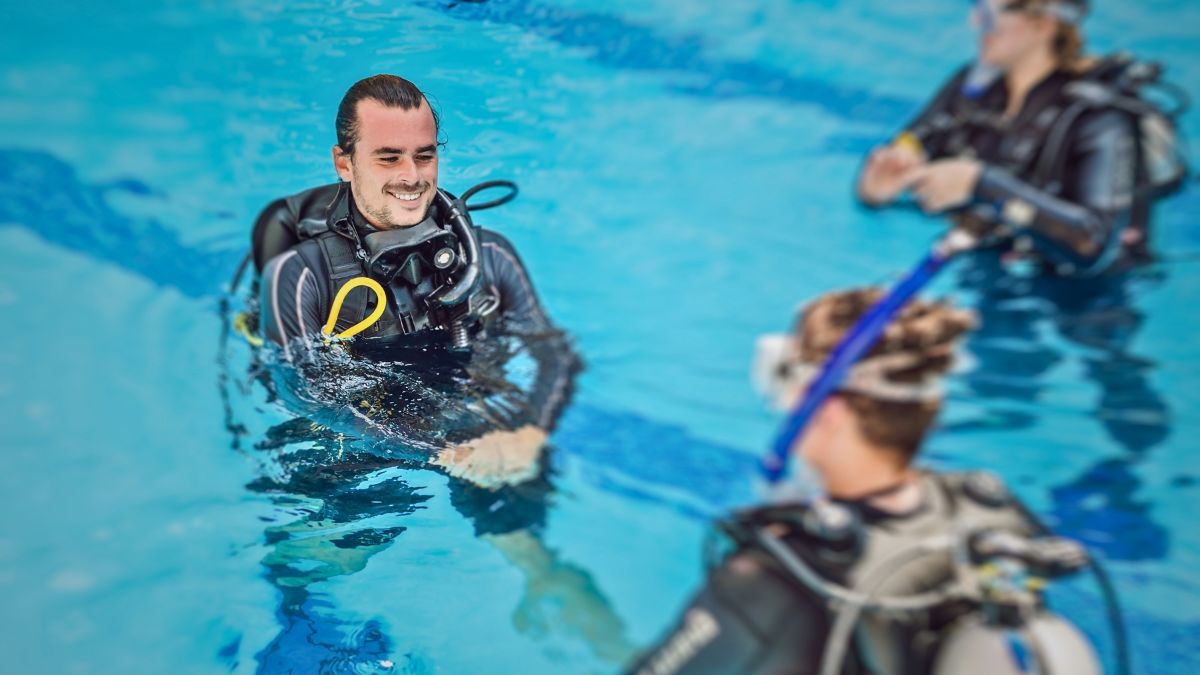
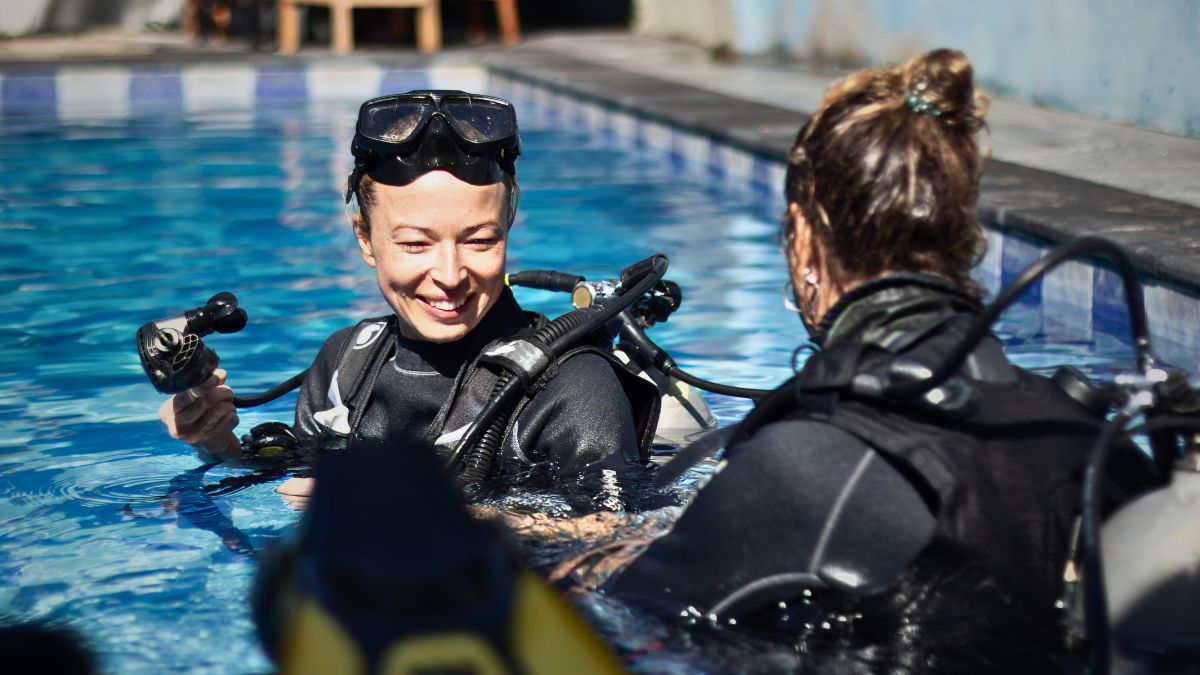
Even without a formal course, consider booking a pool session before your first ocean dive. Confined water lets you rebuild skills without currents, waves, and other variables.
Practice mask removal and clearing until comfortable. Work on regulator recovery. Focus on buoyancy control, trying to hover motionless at a fixed depth. Equipment familiarity returns quickly in controlled conditions.
7. Choose an Easy Dive Site
Your first dive back should not be challenging. Save drift dives, deep wrecks, and strong currents for later.
Look for calm water, good visibility, shallow depth (12 to 15 meters maximum), and easy entry. Avoid sites requiring negative entries, overhead environments, or challenging conditions.
Communicate with your dive operator about your situation. Professional guides appreciate knowing you are returning after a break and will select appropriate sites.
8. Set Up Your Own Equipment
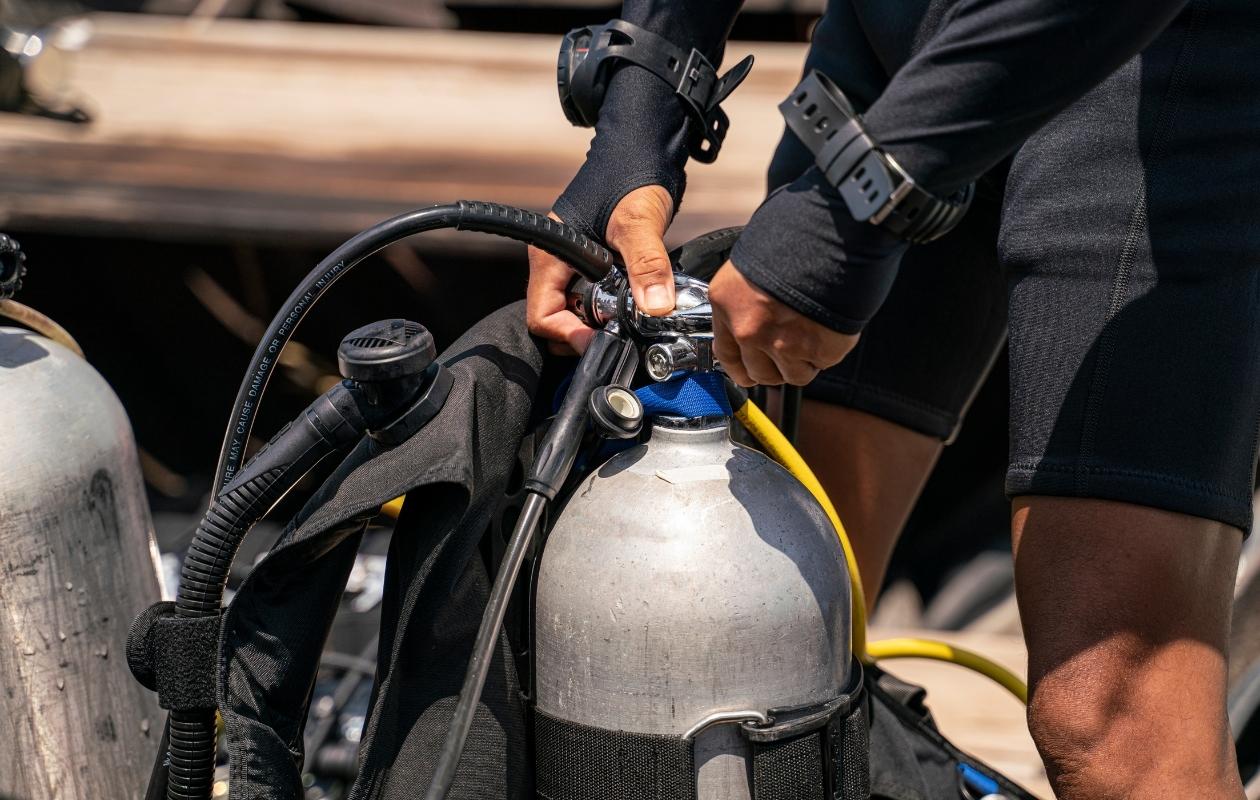
Resist letting dive staff assemble your gear completely. You need hands-on practice to rebuild procedural memory.
Ask to set up your own equipment while staff supervises. Walk through each step deliberately. Complete a full buddy check using BWRAF (Buoyancy, Weights, Releases, Air, Final check) before every dive.
9. Communicate With Your Guide and Buddy
Tell your dive guide and buddy about your break. This is responsible practice, not embarrassing.
Experienced guides appreciate this information. They can tailor the dive to your needs, provide closer supervision, and offer extra assistance. Your buddy can watch for stress signs and stay closer than usual.
Do not pretend confidence you do not possess. Faking competence creates danger.
10. Take It Slow
Your first few dives are about rebuilding comfort, not setting records. Keep dives short and shallow. End with plenty of air remaining.
Notice your progress from dive to dive. The anxiety of dive one typically diminishes significantly by dive three or four. Build depth and complexity gradually over multiple dive days.
Why Costa Rica Is Perfect for Your Diving Comeback
Warm Water Advantage
Water temperature ranges from 26 to 29 degrees Celsius year-round. You can dive in a thin wetsuit or rashguard, eliminating complications from thick neoprene and heavy weights.
The Pacific coast offers numerous protected sites with calm conditions. Shallow bays, sheltered reefs, and gentle sloping bottoms provide ideal environments for rebuilding skills.
Did you know? Costa Rica protects over 25% of its territory in parks and reserves, including extensive marine protected areas. This commitment means healthier reefs and more abundant marine life.
Patient Instructors, Small Groups
Costa Rica attracts diving professionals who love teaching. Scuba instructors tend to be patient, encouraging, and experienced with divers at all levels. Group sizes stay small at quality operators.
Marine Life That Reignites Passion
Sometimes the best motivation is remembering why you fell in love with diving. Sea turtles cruise past on nearly every dive. Eagle rays glide over sandy patches. White-tip reef sharks rest under ledges.
Sites like Caño Island offer encounters with manta rays and, during season, whale sharks and humpback whales. These experiences transform nervous divers into enthusiastic advocates.
Refresher vs. Full Recertification: What Do You Need?
| Factor | Refresher Course | Full Recertification |
|---|---|---|
| Duration | Half day to one day | Three to four days |
| Cost | $150-$250 | $400-$600 |
| Knowledge | Review of key concepts | Complete theory course |
| Water training | Core skill verification | All course requirements |
Full recertification makes sense only in unusual circumstances. If you barely passed originally and never dived afterward, starting fresh might help. For the vast majority, a refresher efficiently addresses skill deterioration.
Common Fears About Returning to Diving
What If I Forgot Everything?
You did not forget everything. Neural pathways weaken but do not erase. After thirty minutes of pool practice, most returning divers clear masks and control buoyancy like they never stopped.
Use visualization before your first dive. Mentally walk through gear setup, water entry, descent, and basic skills. This mental rehearsal activates the same pathways as physical practice.
What If I Panic Underwater?
Panic typically develops when small problems cascade. Prevention involves building skills and maintaining awareness.
Start in controlled conditions. Learn to recognize early anxiety signs: rapid breathing, tunnel vision, racing thoughts. When you notice these, stop activity, signal your buddy, and breathe slowly.
Remember you can end any dive at any time. Diving should be enjoyable.
What If I Embarrass Myself?
Every experienced diver was once a beginner. Every instructor has made mistakes. Nobody judging your refresher is looking down on you. We are rooting for you.
The divers who embarrass themselves are those who pretend confidence and create dangerous situations. Humility is a safety asset underwater.
Frequently Asked Questions
Can I dive without a refresher after a long break?
Technically yes, your certification remains valid. However, most operators recommend recent activity evidence, and diving without adequate skills puts everyone at risk. A refresher is brief and inexpensive compared to the safety it provides.
How much does a refresher course cost?
Expect $100 to $300 depending on location and provider. Online knowledge review alone costs around $50. Some resorts include refresher training with dive packages.
How long does PADI ReActivate take?
The eLearning portion takes two to four hours at your own pace. In-water skills take two to four hours. Most complete everything in one day with time for fun dives afterward.
Do I need my own equipment?
No. Dive centers provide complete rental equipment. If you own serviced gear, using it during the refresher helps verify fit and function.
Can I do PADI ReActivate if I was certified by SSI or NAUI?
Yes. PADI ReActivate accepts divers from any recognized agency. You receive a recognition card documenting your skills refresh.
Diving After a Long Break? Get ready!
Scuba diving after a long break feels daunting until you actually do it. The anxiety transforms into excitement the moment you descend into clear water and remember why you became a diver.
Take preparation seriously. Get gear serviced, review knowledge, complete a refresher, and choose easy conditions for your first dives. These steps set you up for success.
Then let go of worry and trust the process. Your skills will return. Your confidence will rebuild. The underwater world is waiting.
Sources and References
- PADI ReActivate Program – Official course information
- Divers Alert Network (DAN) – Dive safety and insurance information
- Recreational Scuba Training Council – Medical screening guidelines