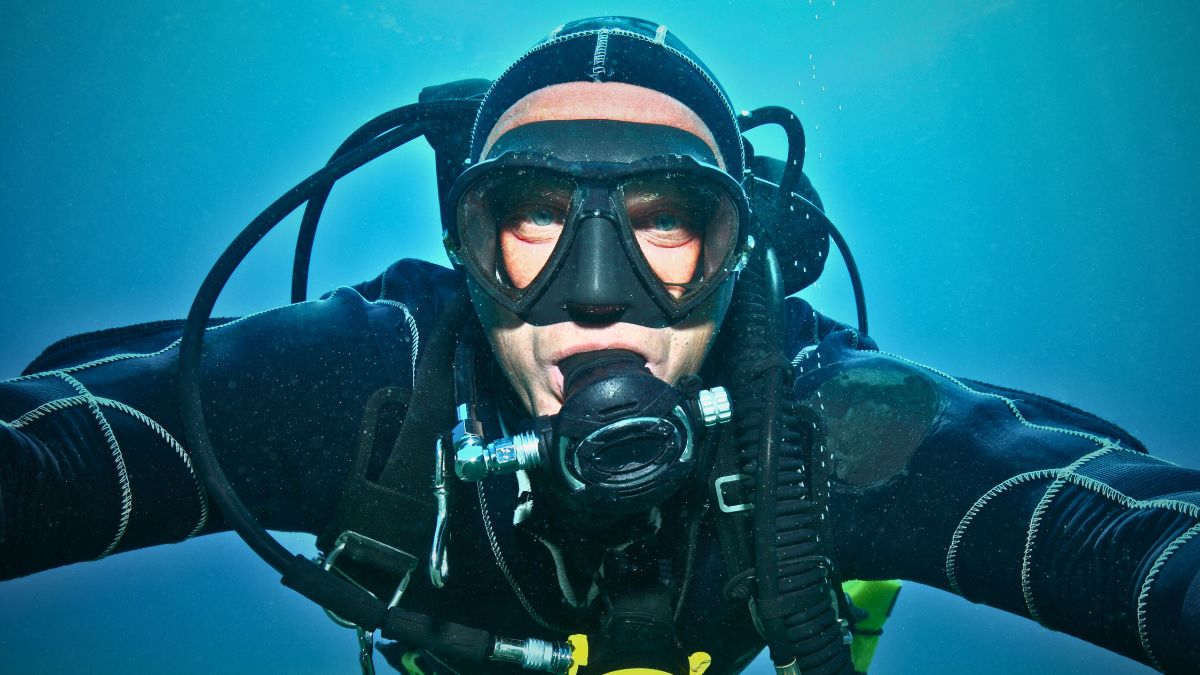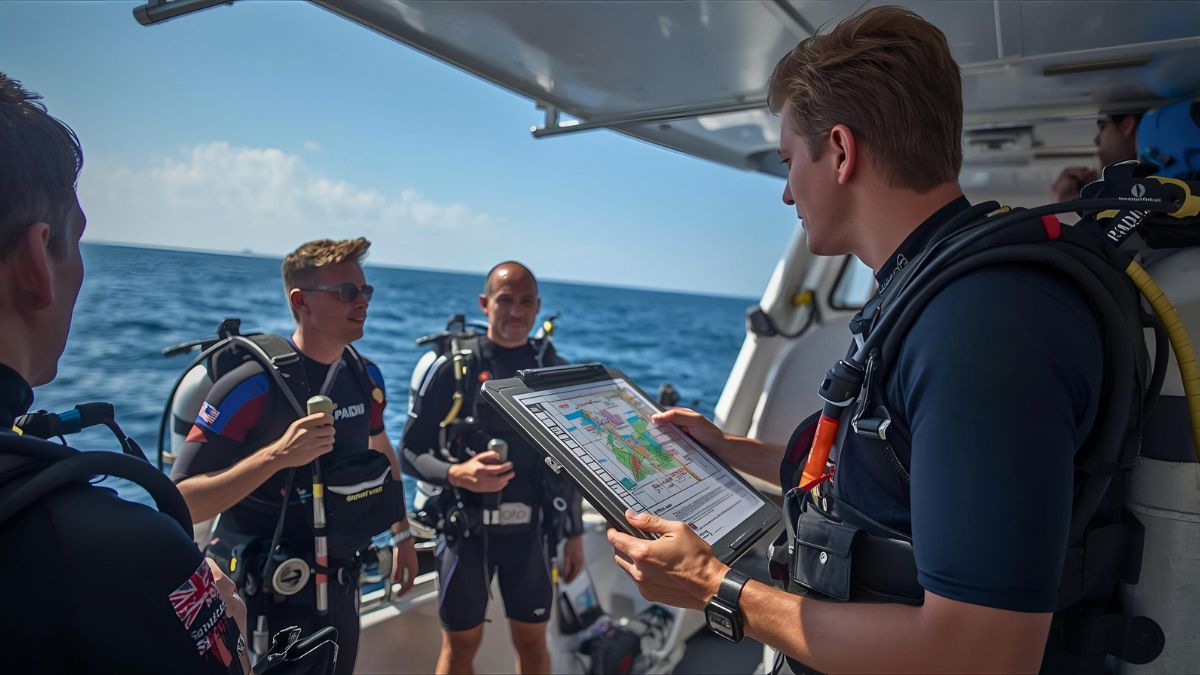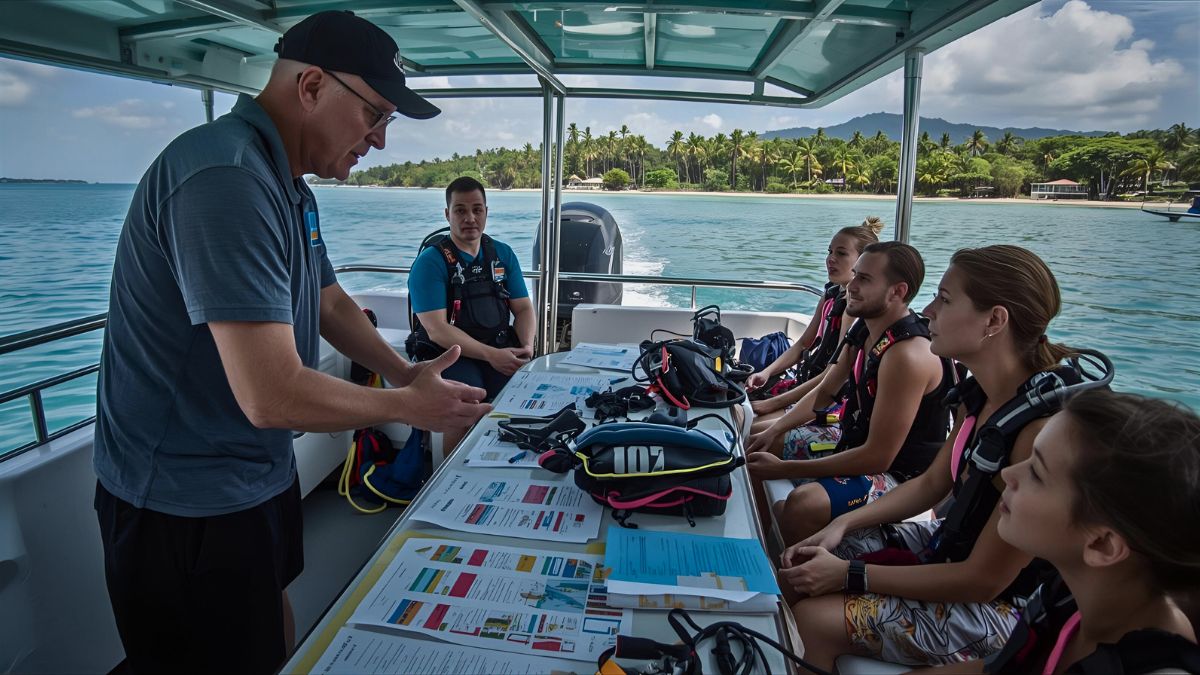
A wetsuit for scuba diving is one of those pieces of gear that people tend to underestimate until they get it wrong. I’ve seen students show up to their first open water dive in a borrowed suit two sizes too big, spend the entire time fighting a constant flush of cold water, and swear they’ll never dive again. I’ve also seen experienced divers pack a 3mm shorty for a trip to the Pacific coast of Costa Rica in January, hit a thermocline at 18 meters, and cut the dive short at 25 minutes. A good wetsuit doesn’t just keep you warm. It determines how long you can stay underwater, how well you concentrate, and honestly, how much you enjoy the whole experience.
Choosing the right wetsuit for scuba diving is one of the best investments you can make in your comfort and safety underwater. So let’s get this right from the start.
Why Do You Need a Wetsuit for Scuba Diving?
Water conducts heat away from your body approximately 25 times faster than air at the same temperature. That number sounds abstract until you’ve spent 45 minutes in 24°C water without a suit and climbed back on the boat shivering. Even in tropical conditions, the human body loses heat faster than it can produce it during extended immersion. Without thermal protection, you’re not just uncomfortable. You’re increasing your risk of hypothermia, impairing your judgment, and shortening every dive you do.
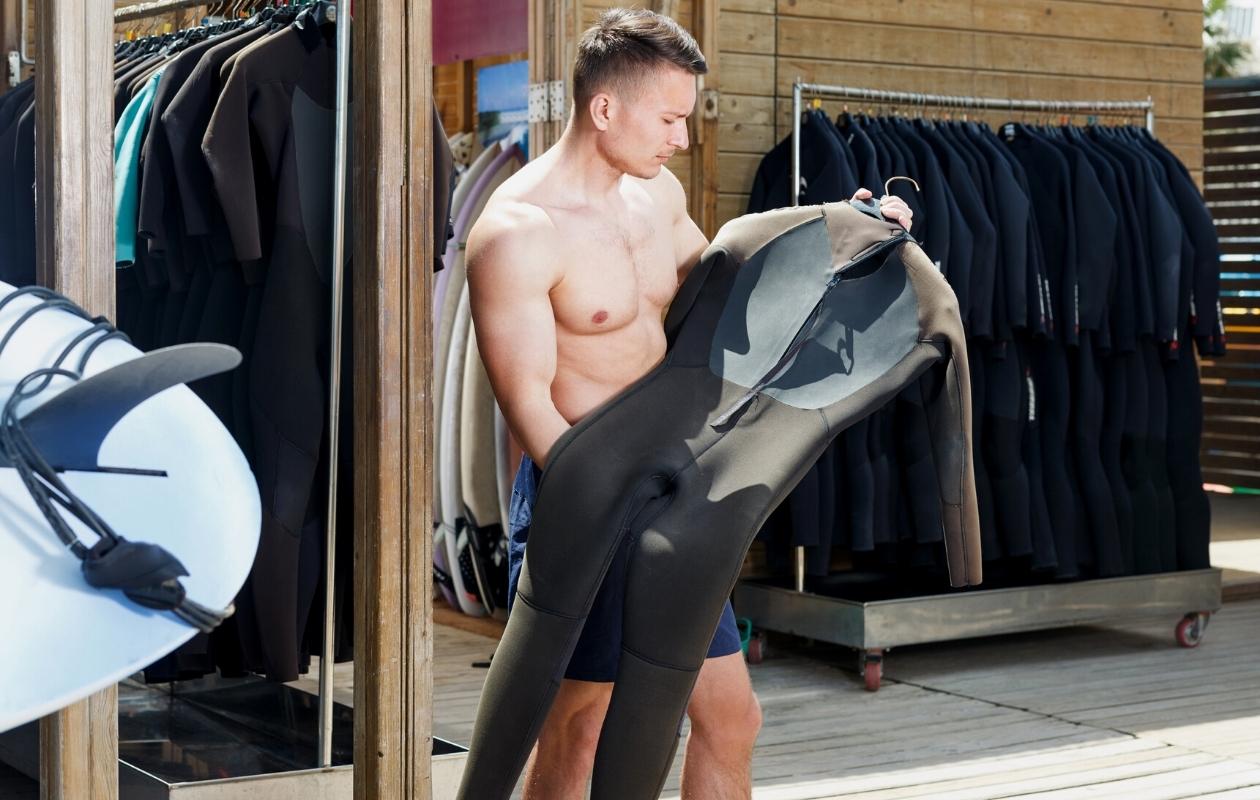
But warmth is only half the story. A diving wetsuit also protects your skin from things you’d rather not think about too much: fire coral, jellyfish tentacles, sea urchin spines, and the general abrasion of climbing over a boat ladder in full gear. In Costa Rica, where we dive around volcanic rock formations covered in sharp barnacles, a full wetsuit has saved more than a few sets of knees and elbows.
And there’s a third reason that doesn’t get mentioned enough: sun protection. Surface intervals between dives can run 45 minutes to an hour. Floating on the Pacific without sun protection is not a relaxing experience.
Did you know? The modern neoprene wetsuit was developed in the early 1950s by physicist Hugh Bradner, working with the US Navy. Before that, divers relied on rubber dry suits or simply endured the cold. Recreational diving wetsuits as we know them today became widely available in the 1960s.
How Does a Wetsuit Actually Work?
Despite the name, a wetsuit does not keep you dry. When you enter the water, a thin layer of water seeps in through the seams and around the edges of the suit. Your body then warms that trapped water, and it acts as an insulating barrier between your skin and the colder water outside. The thicker the neoprene, the more effective that insulation.
Neoprene is a closed-cell synthetic rubber filled with millions of tiny nitrogen bubbles. Those bubbles are what provides the insulation. They also add buoyancy, which is why divers in thicker wetsuits need more lead weight to achieve neutral buoyancy.
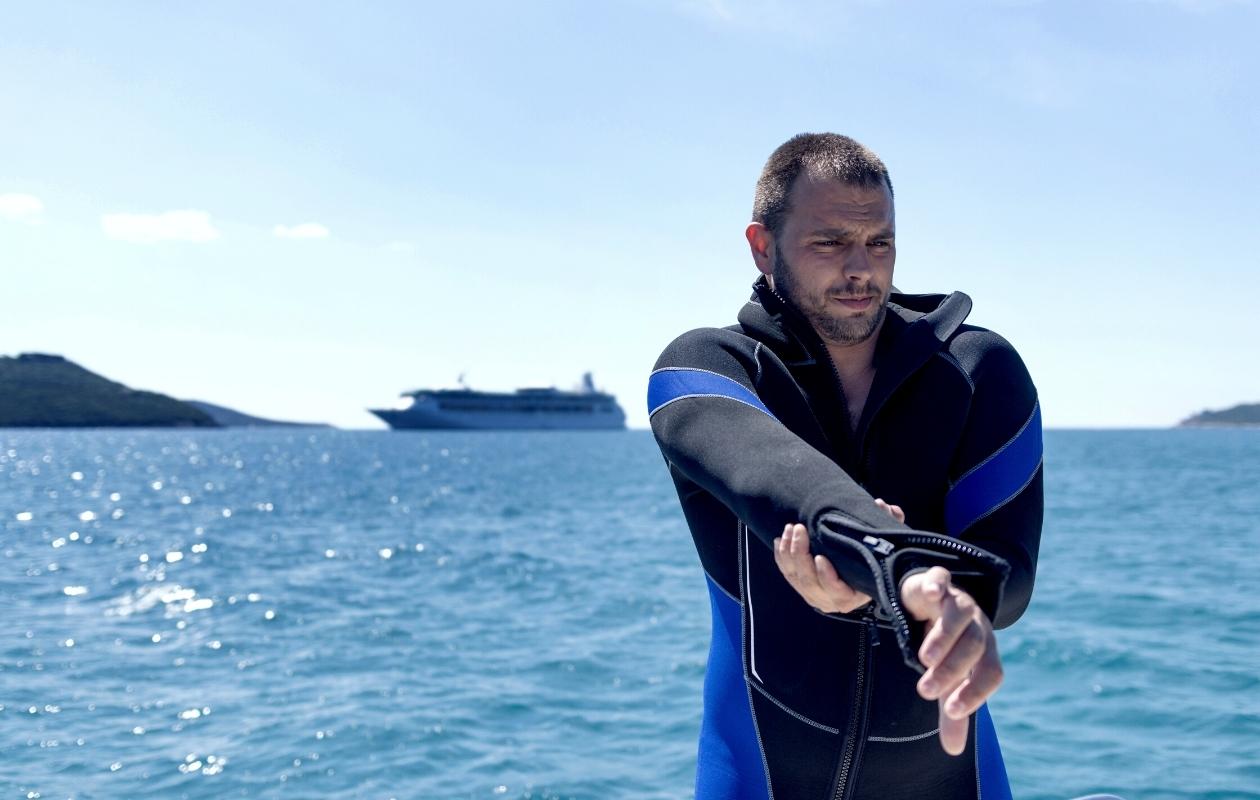
One important detail that most guides skip: neoprene compresses under pressure. At 30 meters, your 5mm wetsuit behaves more like a 3mm wetsuit because the bubbles in the neoprene compress with depth. This is why experienced divers sometimes choose one size thicker than the surface temperature alone would suggest, especially for deeper dives.
The whole system only works if the suit fits properly. A loose wetsuit allows water to flush continuously in and out instead of trapping and warming it. No matter how thick the neoprene, a poorly fitting suit will leave you cold.
Types of Wetsuits for Scuba Diving
There are four main types of exposure protection you’ll encounter as a recreational diver. Each has its place depending on water temperature, dive duration, and personal cold tolerance.
Full Wetsuit
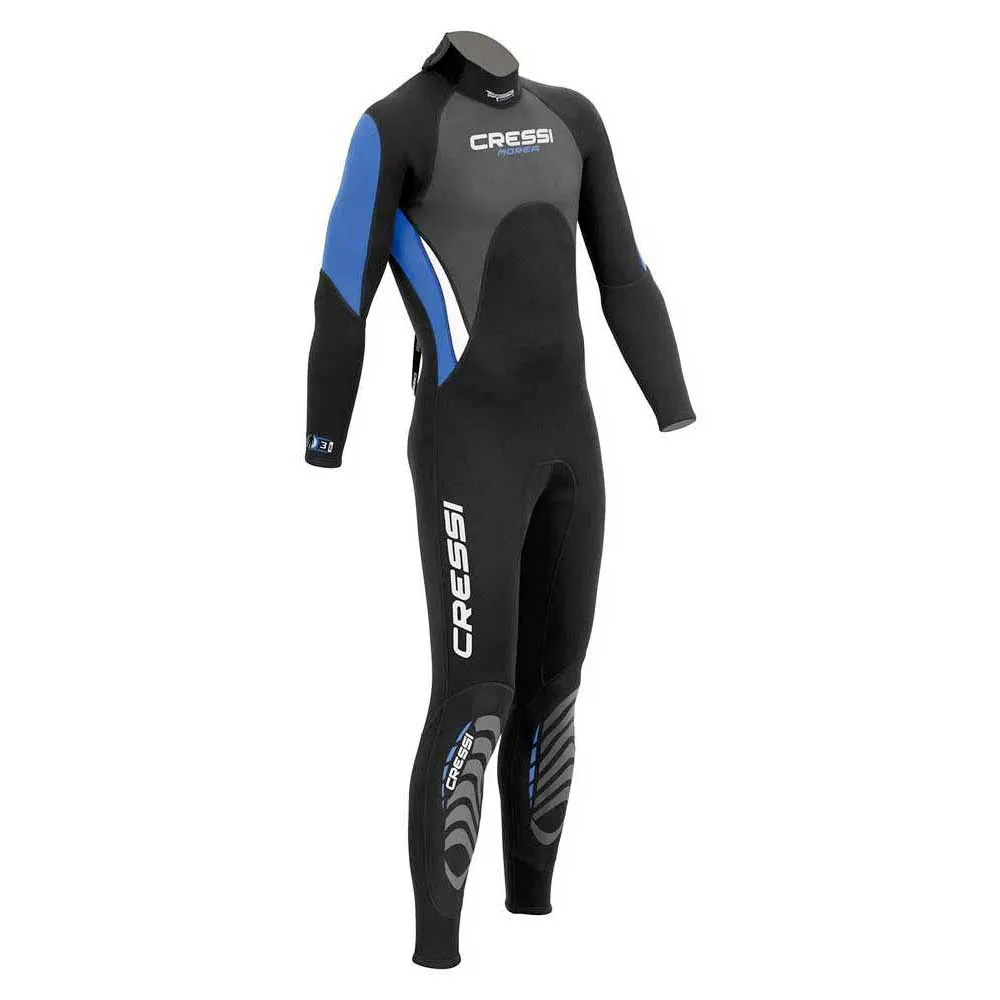
The full wetsuit covers you from ankles to wrists and is the standard choice for most recreational scuba diving worldwide. Long sleeves and legs provide the best thermal protection and the most coverage against marine life and UV. If you’re buying one wetsuit to cover most situations, this is the one.
Full suits come in thicknesses from 1mm (essentially a dive skin) all the way to 7mm for cold water. The most common recreational options are 3mm for warm water and 5mm for temperate conditions.
Shorty Wetsuit
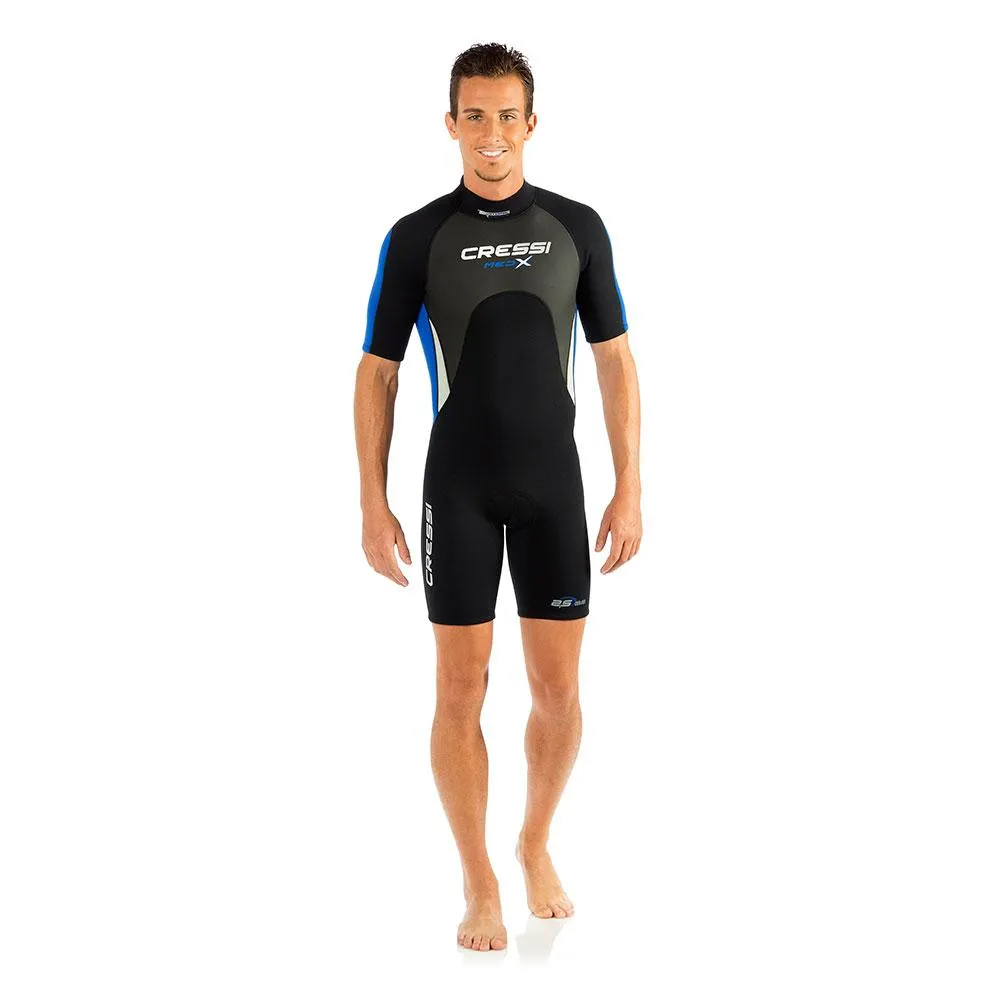
A shorty has short sleeves ending above the elbow and short legs ending above the knee. It’s designed for warm water diving where full thermal protection isn’t needed but you still want some coverage. Many divers in the tropics prefer a shorty for its freedom of movement and the ease of putting it on and taking it off.
The trade-off is obvious: less coverage means less protection from cold, marine stingers, and abrasion. A shorty is not a good choice for deeper dives or if you tend to run cold.
Two-Piece Wetsuit
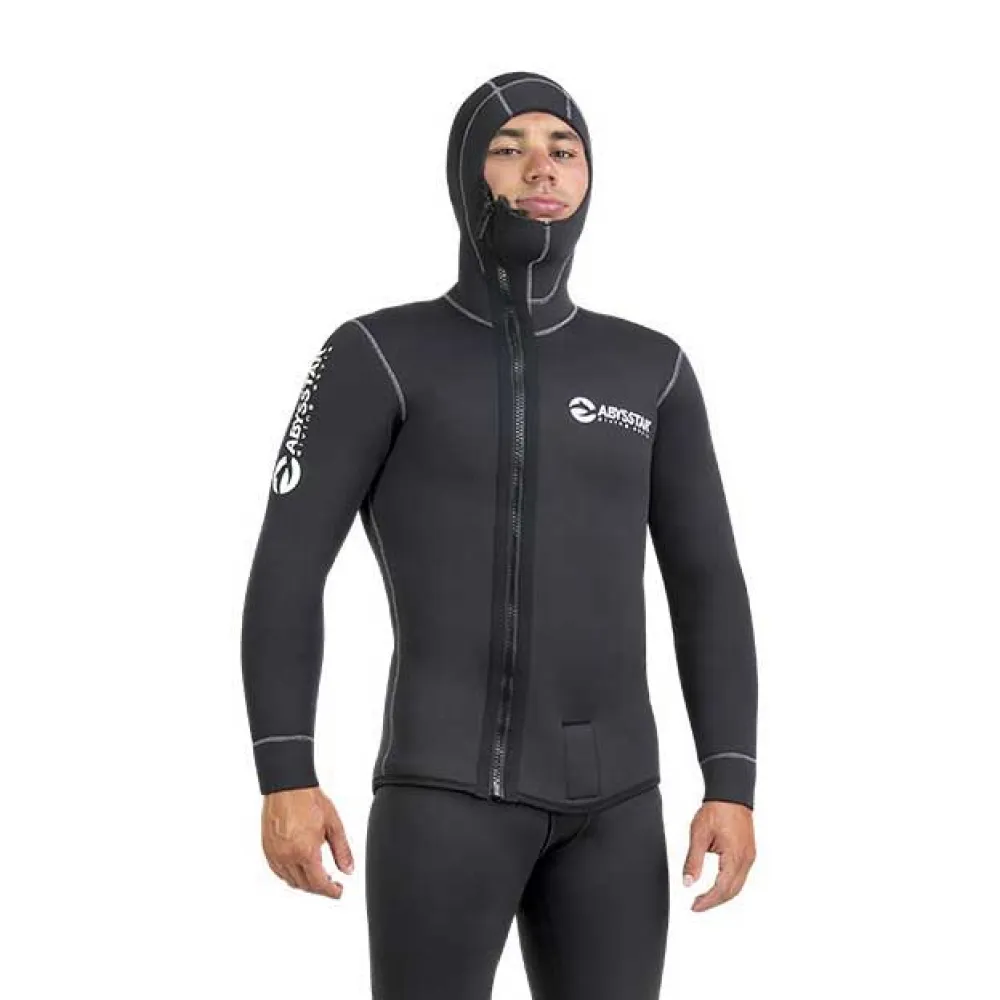
A two-piece wetsuit consists of separate pants (usually full length) and a jacket. The jacket overlaps with the pants at the torso, creating a double layer of neoprene around your core where heat loss is most critical. Two-piece suits are excellent for cold water diving and for divers who feel the cold more intensely than average.
They’re also useful for fine-tuning warmth on different dives. You can wear just the pants in warm conditions and add the jacket when you need it. The downside is that donning a two-piece takes longer and the fit has to be right on both pieces independently.
Semi-Dry Suit
A semi-dry suit is the step between a wetsuit and a full drysuit. It looks like a thick wetsuit but has tight seals at the wrists, ankles, and neck designed to dramatically reduce the amount of water that enters the suit. Less water exchange means less heat loss. A well-fitting semi-dry in 7mm neoprene can keep you significantly warmer than a standard wetsuit of the same thickness.
Semi-dry suits are ideal for water temperatures between roughly 10°C and 18°C (50°F to 65°F). They don’t require the additional training that a drysuit does, but they do cost more than a standard wetsuit. If you’re planning to dive in colder European or North American waters, a semi-dry is worth serious consideration before committing to a drysuit.
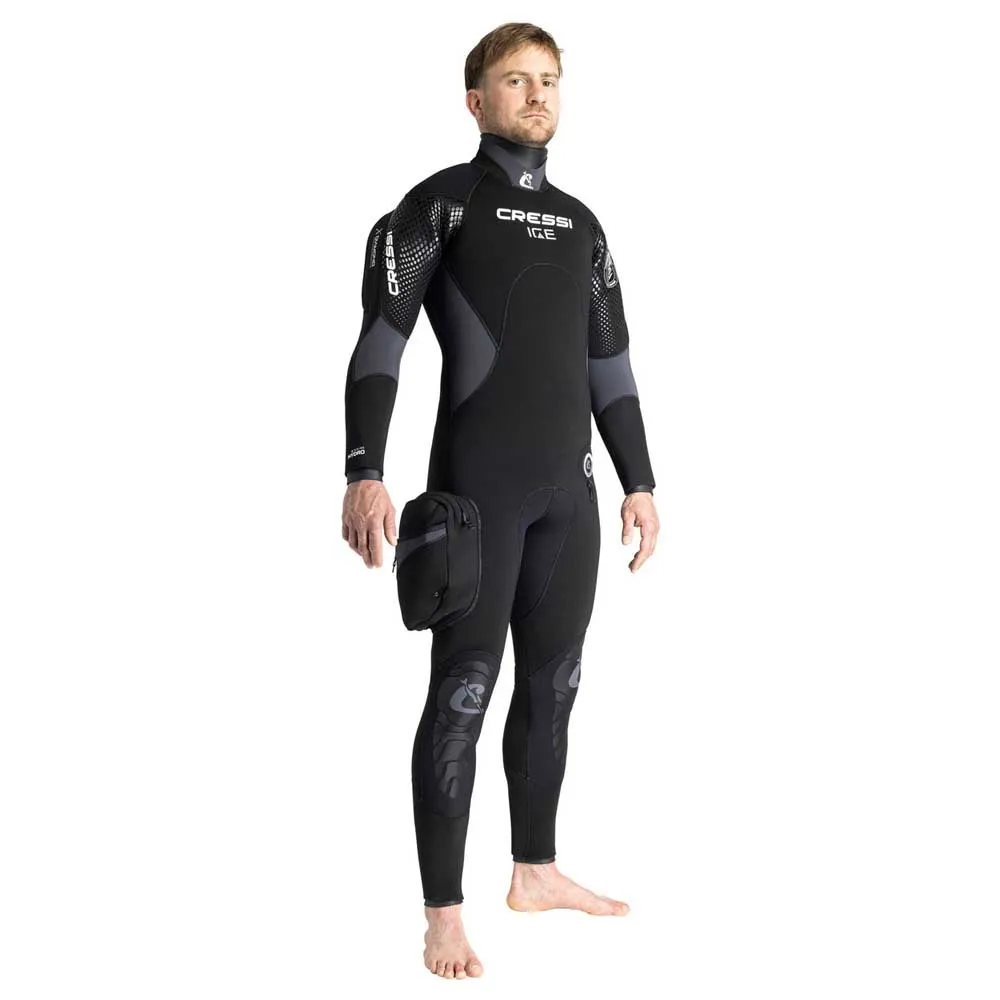
Wetsuit Thickness Guide: Which Thickness for Which Water Temperature?
This is the question I get asked most often about wetsuits for scuba diving, so here is a straightforward answer. Use this as a starting point, and adjust for your personal cold tolerance.
| Water Temperature | Recommended Thickness | Suit Type | Notes |
|---|---|---|---|
| Above 29°C / 84°F | 0.5–2mm or dive skin | Shorty or dive skin | Mainly for sun and skin protection |
| 26–29°C / 79–84°F | 2–3mm | Full suit or shorty | Standard tropical diving |
| 22–26°C / 72–79°F | 3–5mm | Full suit | Most Costa Rica diving falls here |
| 18–22°C / 64–72°F | 5mm | Full suit with hood option | Consider adding a hood for longer dives |
| 10–18°C / 50–65°F | 7mm or semi-dry | Full suit + hood + gloves | Semi-dry strongly recommended |
| Below 10°C / 50°F | Drysuit | Drysuit | Wetsuit no longer adequate |
Remember the compression point from earlier. If you’re regularly diving below 20 meters, consider going one thickness step up from what the surface temperature suggests. A 5mm suit at 30 meters in 24°C water will not feel like a 5mm suit.
Wetsuit Materials: What’s Inside Your Suit?
Not all neoprene is created equal. When you start comparing suits at similar thickness levels, the material quality makes a significant difference in warmth, flexibility, and durability.
- Single-lined neoprene has a smooth outer surface (sometimes called smooth skin or glideskin) and a fabric lining on the inside only. It’s warmer because the smooth exterior reduces water circulation. The downside is that the smooth outer surface tears and scratches more easily. Handle with care when putting it on and taking it off.
- Double-lined neoprene has fabric on both the inside and outside. More durable and resistant to everyday wear, it’s the standard for most recreational wetsuits. Slightly less warm than single-lined at the same thickness, but far more practical for regular use.
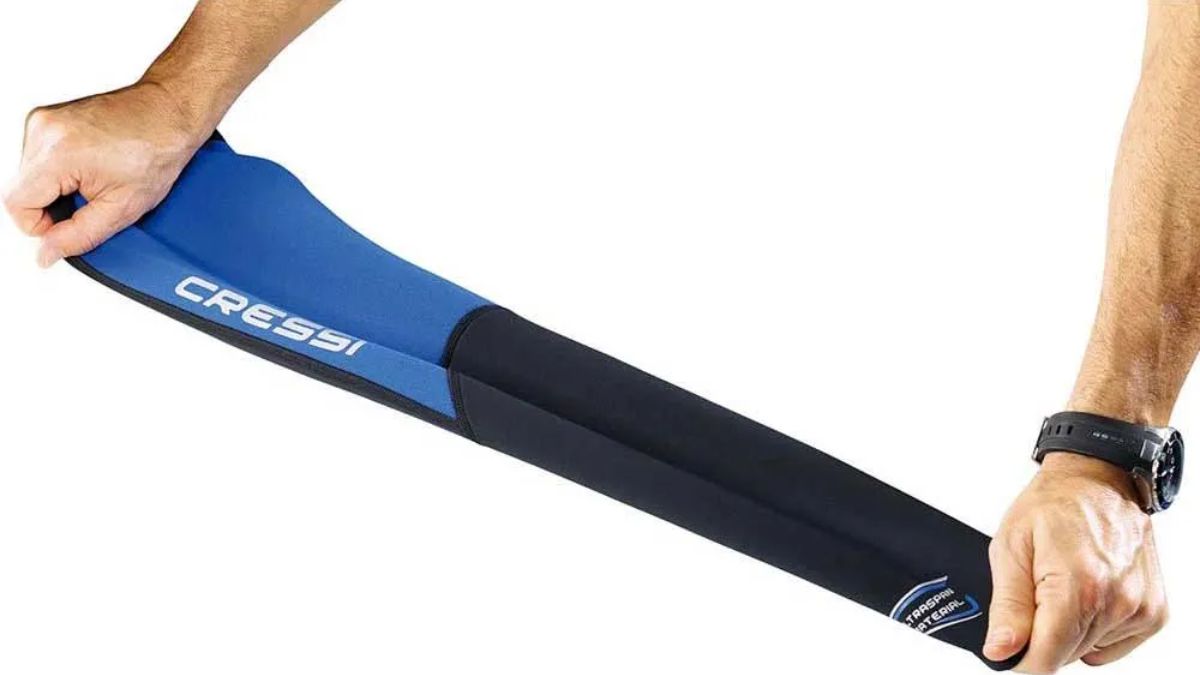
- Super-stretch neoprene is a softer, more flexible neoprene compound that gives significantly better freedom of movement. If you’ve ever put on a cheap wetsuit and felt like you were wearing a cardboard box, super-stretch is the answer. Higher quality suits from brands like Cressi, Mares, Aqualung, and Scubapro use this material in key areas or throughout the entire suit.
- Titanium lining is a metallic coating applied to the inner lining that reflects body heat back toward you. A titanium-lined 3mm suit can feel noticeably warmer than a standard 3mm at the same water temperature. Worth paying for if warmth is a priority.
- Graphene-infused neoprene is the newest generation of thermal technology, found in premium suits from brands like Mares (Graph-Flex line). Graphene fibers conduct and retain heat more efficiently than titanium. These suits are expensive but genuinely outperform standard neoprene in cold conditions.
How to Choose the Right Wetsuit Fit
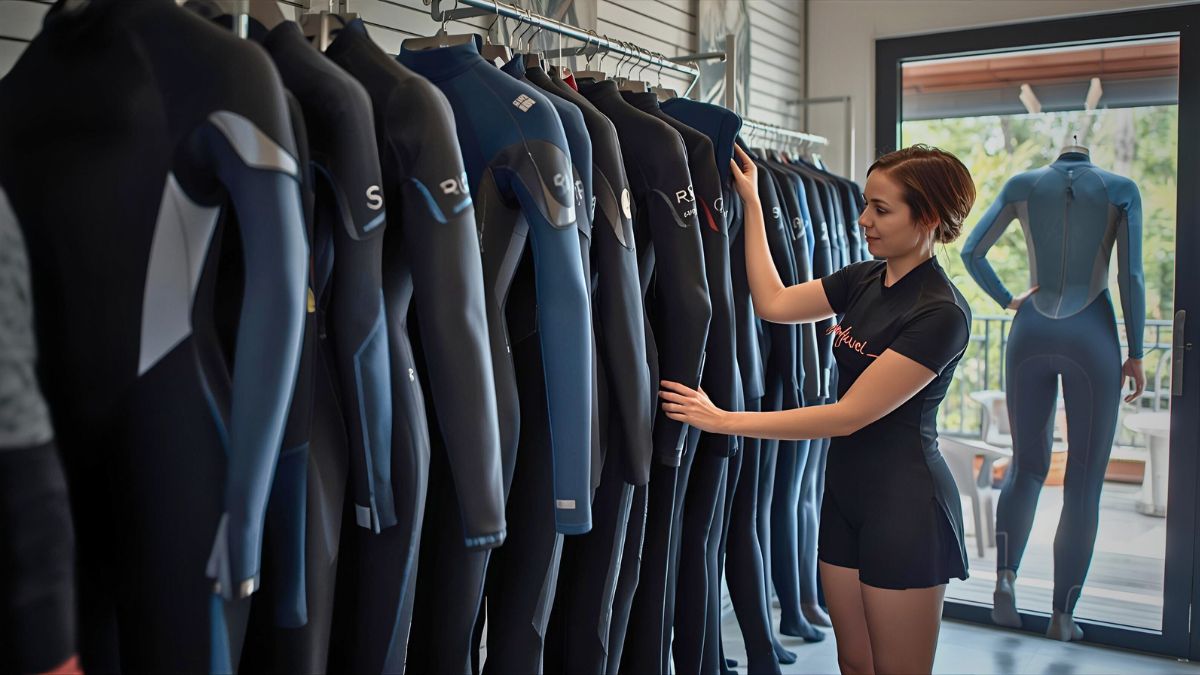
A wetsuit should be snug everywhere without being painful. That sounds obvious, but in practice it means tolerating a level of tightness that feels uncomfortable when you first put it on. A dry wetsuit is tighter than a wet one. If it fits perfectly on land, it will feel loose in the water.
Check these areas specifically when trying a suit on:
- Neck: Should be close-fitting without choking you. No gap at the back of the neck where water can pour in when you look down.
- Shoulders: Full range of arm movement without the suit pulling tight across the back.
- Armpits: No large pocket of empty space, this traps water that won’t warm up.
- Lower back: The suit should sit flush against your skin when you bend forward.
- Wrists and ankles: Snug seals here reduce flushing dramatically.
If you’re between sizes, go smaller rather than larger. You can always manage a suit that’s slightly firm. You cannot fix a suit that lets cold water pour through every time you move.
A note for women: Unisex wetsuits are cut for a male body shape – broader shoulders, narrower hips, shorter torso. A women’s wetsuit has a pre-shaped bust, wider hips, and adjusted proportions that make a real difference to both warmth and comfort. If you’ve always felt that wetsuits never quite fit, try a women’s cut before giving up. Most major brands now offer a full range of women’s models.
Instructor’s take: Please try the wetsuit on before you buy it. I’ve watched too many students order a suit online based on a size chart, receive something that technically matches their measurements, and spend the entire course in a suit that either chokes them or lets cold water pour down their back. Your local dive center will let you try before you buy. Use that option.
What Wetsuit Do You Need for Diving in Costa Rica?
This is a question I answer almost every day, so let me give you a direct answer based on years of diving these waters.
Costa Rica has two coastlines with different characteristics. The Pacific coast, where we’re based in Uvita, has water temperatures that vary meaningfully by season. During the wet season (May to November), surface temperatures sit around 27–29°C (80–84°F) – a 3mm full wetsuit is comfortable for most divers. During the dry season (December to April), the water cools to 22–25°C (72–77°F), and at depth you will hit thermoclines that can drop the temperature by 5–8 degrees within a few meters. A 5mm full wetsuit is the smarter choice for this period.
The Caribbean coast is generally warmer and more stable, sitting around 26–29°C year-round. A 3mm suit is sufficient for most divers there.
My standard recommendation for anyone coming to dive with us at Caño Island or the Marino Ballena area:
- May to November: 3mm full wetsuit. Bring a lycra vest if you run very cold.
- December to April: 5mm full wetsuit. A hood is a nice extra for the second dive of the day.
- Cocos Island (if you’re doing that trip): minimum 5mm, ideally with a hooded vest. The thermoclines out there are serious.
One more thing: don’t underestimate repetitive diving. If you’re doing three dives a day on a liveaboard, your body is losing heat continuously between dives. A suit that felt perfectly warm on dive one may not be adequate by dive three. When in doubt, go thicker.
How to Take Care of Your Wetsuit
A well-maintained scuba diving wetsuit lasts five to ten years. A neglected one starts deteriorating in one or two. The routine is simple but it has to happen after every dive.
Rinse the suit thoroughly with fresh water after every dive in salt water. Pay particular attention to the zipper – salt crystals that dry in the zipper teeth will destroy it within a season. Open the suit and rinse the inside too. Salt on the lining degrades the neoprene from the inside.
Dry the suit in the shade, not in direct sunlight. UV breaks down neoprene over time, the same way it cracks old rubber. Hang it inside out first to dry the lining, then flip it right side out to dry the exterior.
Store the suit hanging on a wide hanger, not folded. A folded wetsuit develops permanent creases in the neoprene that eventually crack. Never store it in a bag or a car trunk.
For small tears and nicks, neoprene cement (available at any dive shop) applied to both surfaces and left to cure before pressing together works well for repairs under 5cm. Anything larger needs professional attention.
Did you know? A drysuit keeps you completely dry by sealing water out entirely and trapping a layer of air for insulation. Unlike a wetsuit, a drysuit requires a dedicated PADI Drysuit Diver certification course because the trapped air needs to be managed as part of buoyancy control during the dive.
Frequently Asked Questions
How much does a scuba diving wetsuit cost?
Entry-level full suits from known brands start around $80 to $150. Mid-range suits with better neoprene quality and stretch panels typically run $150 to $350. Premium suits with titanium lining, graphene technology, or high-stretch neoprene throughout can cost $400 to $700 or more. For most recreational divers, a mid-range suit from a brand like Cressi, Mares, Aqualung, or Scubapro is the best investment. Quality neoprene that lasts years rather than a cheap suit that degrades after one season.
Can I use a surfing wetsuit for scuba diving?
Technically yes, but it is not ideal. Surfing wetsuits are thinner and more elastic because surfers are active on the surface and need maximum mobility. Scuba wetsuits are designed for full immersion, pressure changes, and longer exposure times. A surfing wetsuit will compress more at depth, provide less thermal protection underwater, and wear out faster from contact with scuba equipment like BCDs and weight belts. If you dive regularly, invest in a proper scuba wetsuit.
What is the difference between a wetsuit and a drysuit?
A wetsuit lets a small amount of water in and uses your body heat to warm it. A drysuit seals completely and keeps you dry, using an air layer for insulation. Drysuits are used in water below about 10°C (50°F) and require a separate certification course because the air inside the suit must be managed as part of buoyancy control. For most recreational diving in tropical and temperate waters, a wetsuit is the right choice.
How do I know if my wetsuit fits correctly?
It should feel snug everywhere without restricting your breathing or movement. No large empty spaces at the armpits, lower back, or behind the knees. The neck seal should be close-fitting without cutting into your skin. Wrists and ankles should seal without large gaps. If it feels slightly uncomfortable when dry, that is normal. When you enter the water, the neoprene softens slightly and the suit will feel better. If it is genuinely painful or you cannot raise your arms above your head, it is too small.
How long does a scuba diving wetsuit last?
With proper care, a quality wetsuit should last five to ten years for a diver who dives regularly. Signs that a suit needs replacing include: neoprene that has become thin and hard rather than soft and spongy, seams that are delaminating or tearing, persistent smell that doesn’t wash out (usually indicates bacterial growth in degraded neoprene), and a suit that no longer keeps you as warm as it used to. Neoprene degrades gradually so you may not notice the change until you try a newer suit.
The Right Wetsuit Changes Everything
A wetsuit for scuba diving is not a glamorous purchase. Nobody buys a wetsuit for the Instagram photo. But it is the piece of gear that most directly determines how comfortable, how safe, and how long you can dive. Get it right and you’ll stop thinking about it entirely, which is exactly the point. The best wetsuit is the one you forget you’re wearing.
If you’re planning to dive in Costa Rica and want help choosing the right suit for the conditions here, our team is happy to advise before your trip or help you find the right rental when you arrive. Check out our dive packages from Uvita and let’s get you in the water.