A buoyancy compensator is the piece of gear that holds everything together. Literally. Your tank attaches to it. Your regulator hoses clip to it. Your weights go inside it. And it’s what keeps you floating on the surface between dives and hovering neutrally at depth. Without a good BCD, none of the rest of your equipment really works properly.
I’ve been diving for many years and teaching for most of that time. I’ve watched hundreds of students struggle with gear that didn’t fit, jackets that rolled them face-forward on the surface, and wing systems that were simply too complicated for someone on their second dive ever. Choosing the wrong buoyancy compensator doesn’t ruin a dive career, but it does make everything harder than it needs to be.
So let’s talk about how to get it right.
What Is a Buoyancy Compensator and What Does It Do?
A buoyancy compensator (also called a BC, BCD, or buoyancy control device) is an inflatable vest that a scuba diver wears on every dive. Inside the vest is an air bladder. You inflate it by pressing a button to add air from your tank, or deflate it by pressing another button or pulling a dump valve to release air. By adjusting how much air is in that bladder, you control whether you float, sink, or hover.
On the surface, you inflate the BCD fully to stay afloat comfortably. As you descend, you release air gradually. At depth, you find the sweet spot where you’re neutrally buoyant and can hover without effort. It sounds simple, and in principle it is. But the type of BCD you’re wearing has a big effect on how natural that process feels.
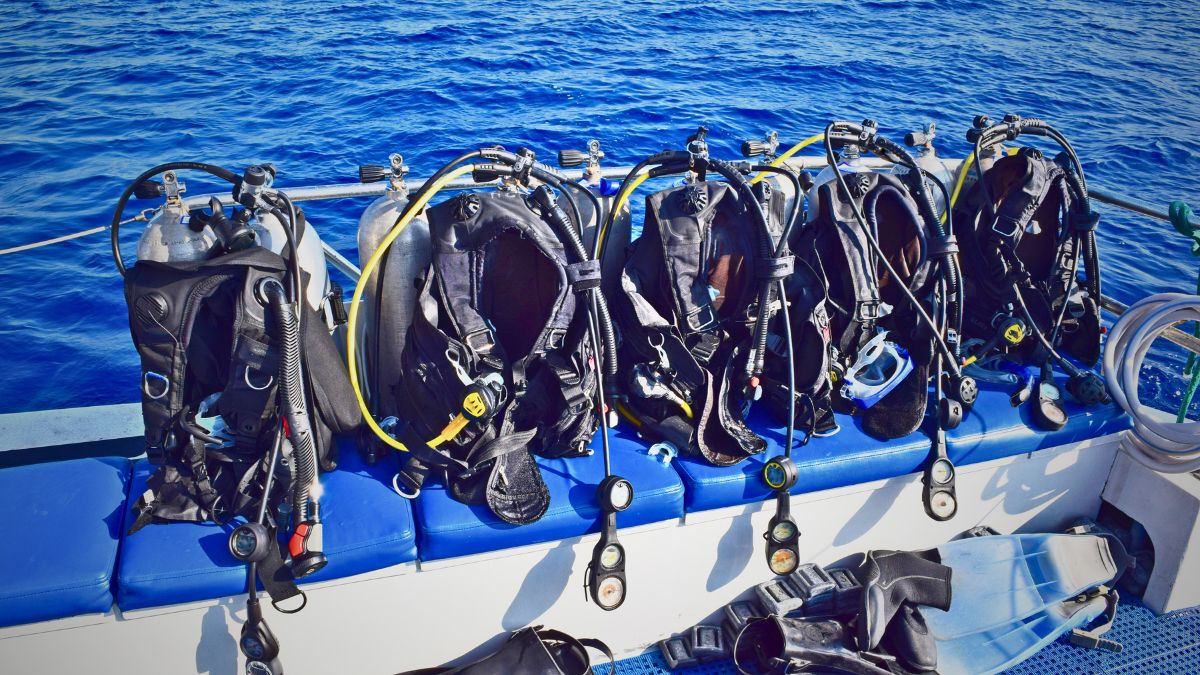
Beyond buoyancy control, the BCD also holds your scuba cylinder securely on your back, provides attachment points (D-rings) for accessories like dive lights, SMBs, and cameras, and in most modern designs, has pockets for integrated weights.
BCD Types: Which One Is Right for You?
There are five main types of buoyancy compensators on the market. Understanding the differences before you buy will save you a lot of frustration, and probably money too.
Did you know? The first scuba divers in the 1940s and 1950s had no buoyancy compensators at all. They controlled depth by adjusting how much lead they carried on a weight belt and by breathing. BCDs only became standard equipment in recreational diving during the 1970s.
Jacket-Style BCD (Classic)
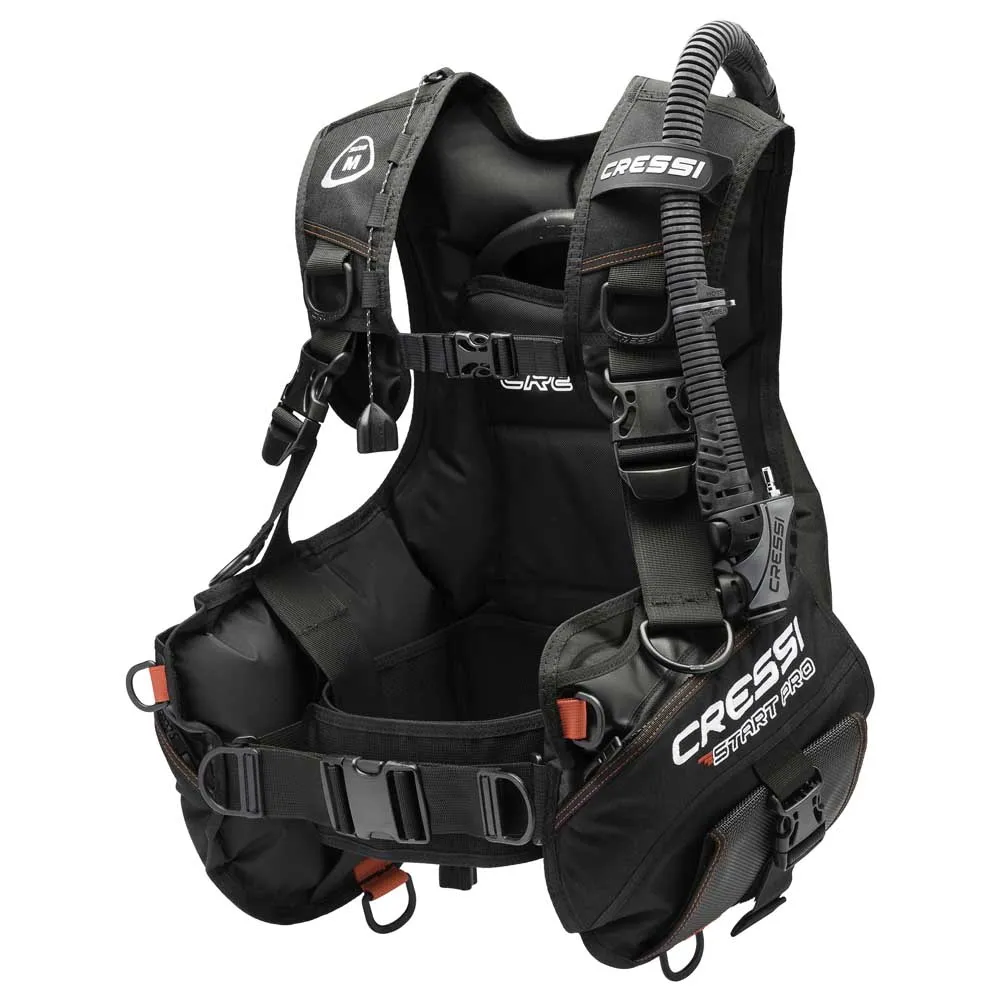
The jacket-style is the most common BCD in the world. Walk into any dive center, and this is almost certainly what you’ll find on the rental rack. The air bladder wraps around the back and sides of the vest, inflating both behind you and around your torso.
On the surface, this is its biggest strength. With air distributed around your body, you sit upright and comfortable. It’s a natural position that doesn’t require effort to maintain. For beginners, that’s reassuring.
Underwater, though, that same side-inflation can work against you. When you try to achieve a horizontal trim (lying flat in the water like you see experienced divers do), the air in the side panels pushes against your body and tilts you slightly upright. It’s not disastrous, but it takes more effort to maintain good position.
Pros:
- Easy to put on and take off
- Comfortable and upright on the surface
- Wide availability for rental
- Usually includes pockets and integrated weight system
- Familiar design for most divers
Cons:
- Harder to achieve horizontal trim underwater
- More moving parts mean more to maintain
- Bladder is not replaceable as a standalone component
Best for: beginners, casual recreational divers, warm-water diving, anyone who rents gear most of the time and wants something familiar.
Back-Inflate BCD (Wing)
In a back-inflate BCD, the air bladder sits entirely behind you, between your back and the tank. When inflated, it pushes you forward slightly, which naturally tips your body into a horizontal position. That’s why technical divers love it. Trim becomes almost automatic.
The modular “wing” design (a plate, a harness, and a separate bladder) means you can replace any component independently. If your bladder wears out after years of diving, you buy a new bladder, not a whole new BCD. If you want to switch from a single tank setup to doubles, you swap the plate.
The trade-off is surface comfort. A fully inflated wing BCD pushes you face-forward in the water, which feels awkward if you’re not used to it. You have to tilt your head back a bit to breathe. It’s manageable, but it takes getting used to.
Pros:
- Excellent horizontal trim underwater
- Modular design, individual components are replaceable
- Long lifespan
- Preferred by technical divers and instructors
Cons:
- Less comfortable on the surface
- No integrated weight pockets as standard (can be added)
- Steeper learning curve for new divers
Best for: intermediate to advanced divers, technical diving, drysuit diving, anyone who wants to invest in gear that grows with them.
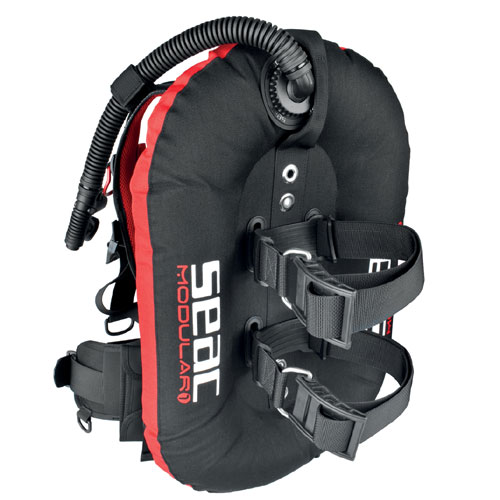
Backplate and Wing System
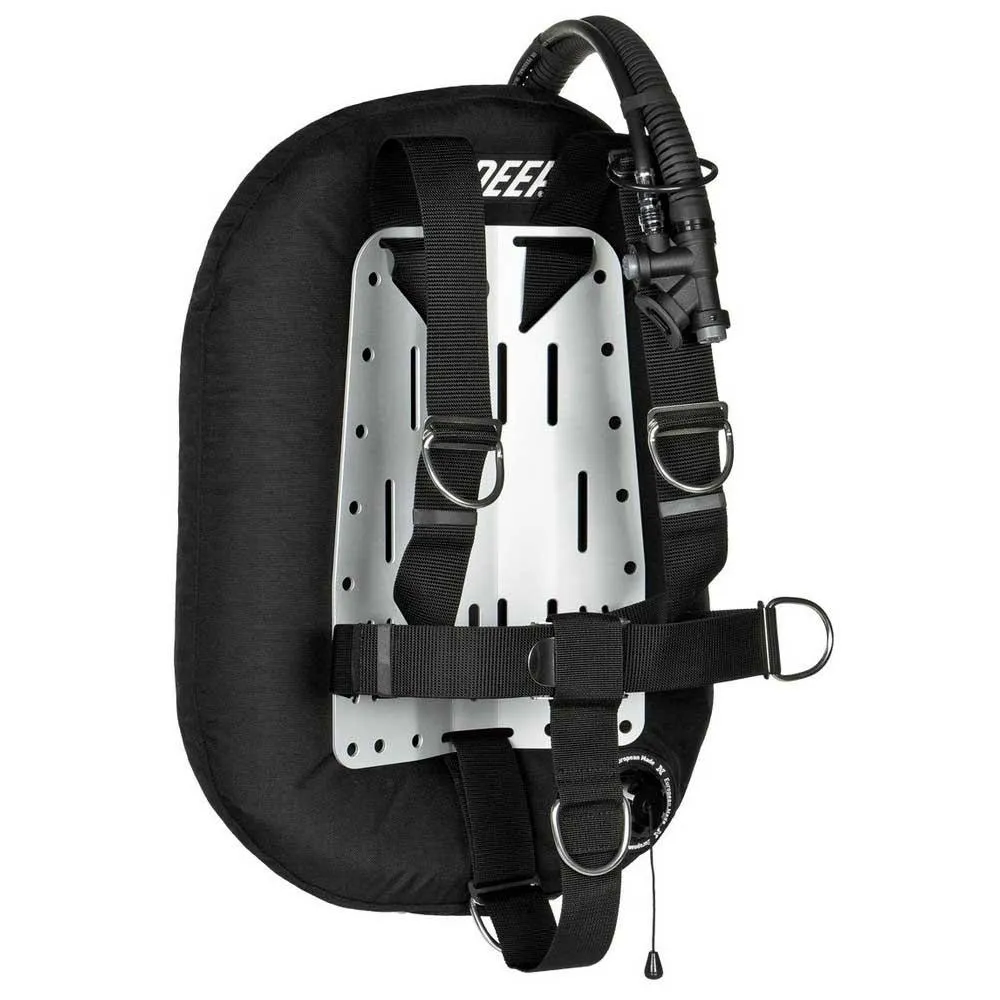
This is the purist’s setup. A stainless steel or aluminum backplate, a single-piece webbing harness (called a DIR harness), and a wing bladder. There are no quick-release buckles. No adjustable chest straps. You size the harness to your body before putting it on, and that’s how it stays.
I’ve been diving this system for years. Once it’s dialed in, it’s the most streamlined, failure-resistant setup you can put on your back. Nothing moves that shouldn’t move. Nothing can accidentally come undone. The harness becomes part of you.
But it takes commitment. Sizing a DIR harness correctly requires help from someone who knows what they’re doing. And if you lend your gear to a dive buddy, they may not be able to put it on at all. This is not a beginner’s BCD.
Pros:
- Nearly indestructible with proper maintenance
- Virtually failure-proof harness system
- Perfect horizontal trim
- Maximum streamlining and minimal drag
Cons:
- Not adjustable while wearing
- No integrated weight pockets
- Requires proper setup from an experienced diver
- Not suitable for beginners
Best for: experienced technical divers, cave divers, instructors who dive daily.
Hybrid BCD
A hybrid tries to split the difference between a jacket and a wing. The idea is to reduce the air volume in the front and sides while keeping some back-inflation, giving you better trim than a classic jacket without the surface awkwardness of a pure wing.
Sounds appealing, right? The reality is often disappointing. Uneven air distribution in the hybrid bladder can throw off your balance. Dump valves tend to be less reliable than on dedicated designs. And after testing a few hybrids over the years, I usually find the trim isn’t as good as a proper wing, and the surface comfort isn’t as good as a proper jacket. You end up with a BCD that’s fine at nothing.
That said, some manufacturers execute this design well. If you try one and it works for you, that’s what matters.
Best for: divers who want a compromise between trim and surface comfort and are willing to test multiple models before committing.
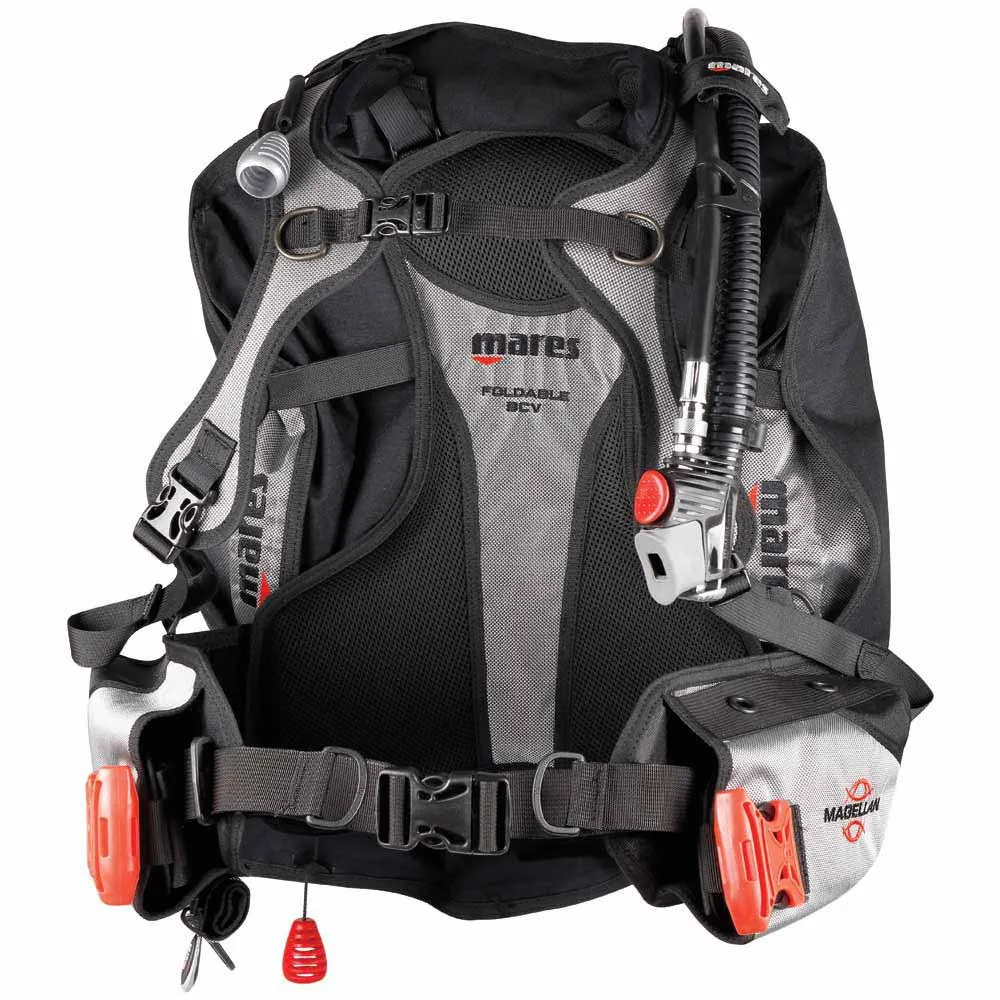
Travel BCD
Travel BCDs are jacket-style or back-inflate designs built with weight in mind. Thinner materials, fewer pockets, lighter hardware. A good travel BCD can weigh 40 to 50 percent less than a standard model and folds down small enough to fit into a backpack.
If you fly to your dive destinations and pay for checked luggage, a travel BCD can save you real money over time, not to mention back strain hauling gear through airports. The compromise is durability. Thinner materials scratch and wear faster. But if you dive a few weeks a year on holiday, a travel BCD is a very sensible choice.
Best for: divers who travel frequently, liveaboard trips, anyone with airline weight limits as a constant concern.
BCD Types at a Glance
Not sure which type fits your situation? Here’s a quick overview to help you decide.
| Type | Surface Comfort | Underwater Trim | Best For | Travel-Friendly |
|---|---|---|---|---|
| Jacket-style | Excellent | Average | Beginners, casual divers | No |
| Back-inflate wing | Average | Excellent | Intermediate, advanced | Depends on model |
| Backplate and wing | Average | Excellent | Technical divers | No |
| Hybrid | Good | Good | Recreational divers who want compromise | No |
| Travel BCD | Good | Good | Holiday divers, liveaboards | Yes |
Key Features to Check Before You Buy a Buoyancy Compensator
Once you’ve decided on the type, the next step is evaluating specific features. Here’s what actually matters.
Lift Capacity
Lift capacity is the maximum amount of weight your BCD’s bladder can offset when fully inflated. It’s measured in pounds or kilograms and varies significantly between models.
Most recreational BCDs offer between 18 and 40 pounds (8 to 18 kg) of lift. Technical BCDs can go much higher. Why does this matter? Because your lift needs depend on how much weight you carry.
In warm water with a thin wetsuit, you might dive with 4 to 6 kg of lead. A standard BCD handles that easily. In cold water with a thick drysuit and lots of equipment, you might carry 12 to 16 kg of lead. A small travel BCD with limited lift capacity may struggle. Match the lift capacity to the heaviest setup you plan to dive.
Integrated Weight System vs. Weight Belt
Most modern jacket-style BCDs have integrated weight pockets. You slide lead weights into pockets on the front of the BCD, secured by quick-release clips. In an emergency, you pull the handle and the weights drop, giving you positive buoyancy.
The advantages: no separate weight belt digging into your hips, weights stay in position, easier to ditch in an emergency because the release is right in front of you. The disadvantages: more bulk in the BCD, pockets wear over time and need inspection, and the quick-release mechanism is one more thing that needs to work correctly under pressure.
Some divers prefer a traditional weight belt for simplicity. Wing systems and backplate setups usually use weight integrated into the harness using special pockets or a weight plate behind the tank. There’s no universally right answer. Try both and see what you prefer.
Fit and Sizing
A BCD that doesn’t fit properly is a BCD that will give you problems on every dive. This is not an area to cut corners or order blindly online.
The shoulder straps should sit flat without riding up toward your neck. The waist strap should fasten comfortably without the BCD riding up your torso when inflated. The tank band should hold the cylinder securely with the valve at the right height relative to your head.
If possible, try the BCD on with your actual wetsuit and weights. A BCD that fits over a t-shirt may be too tight over a 5mm wetsuit. Most manufacturers offer S, M, L, XL sizing and some have dedicated women’s cuts with adjusted shoulder width and shorter torso length. Don’t settle for “close enough.”
Instructor’s take: I’ve seen students show up on day one of their Open Water course in a BCD they bought online without trying it on. Half of them spend the first pool session fighting the gear instead of learning. Please try before you buy, or buy from somewhere with a good return policy.
D-Rings and Pockets
D-rings are metal loops on the BCD where you clip accessories. A basic jacket BCD might have two or three. A technical wing system might have eight or more. Think about what you actually plan to carry: dive light, SMB, DSLR housing, slates, shears. Each one needs a clip point.
Pockets should be waterproof, large enough to actually hold things, and have closures that work with gloves on. Check the zipper quality. A cheap zipper that fails on the third dive is a real problem.
Dump Valves
A dump valve lets you release air quickly without using the inflator hose. Most BCDs have two or three: one at the shoulder (usually on the inflator hose itself), one at the lower back, and sometimes one at the left shoulder. More dump valves give you more control over how quickly and precisely you can adjust buoyancy in different body positions.
Check that all the dump valves on a BCD you’re considering are easy to pull, well-positioned, and actually work smoothly. This is something to test in a pool before relying on it at depth.
Buoyancy Compensator for Beginners vs. Experienced Divers
Here’s my honest take after working with hundreds of students and divers at all levels.
If you’re just getting certified or have fewer than 50 dives: get a jacket-style BCD. It’s comfortable on the surface, familiar because it’s what you trained on, and available for rental at almost every dive center in the world. You don’t need to optimize for trim yet. You need something that works predictably while you build the rest of your skills.
If you’re approaching 100 dives or more and thinking seriously about owning your own gear: look at back-inflate BCDs or entry-level wing systems. Your buoyancy control is good enough that you’ll notice the improved trim immediately, and you’ll appreciate not fighting the side inflation every time you try to go horizontal.
If you’re heading into technical diving, drysuit diving, or diving regularly in cold water with heavy equipment: backplate and wing. There’s no real competition at that level.
And if you dive mostly on holidays with one or two trips a year: a quality travel BCD in jacket or back-inflate style is probably your best investment. Light, packable, good enough for warm-water recreational diving.
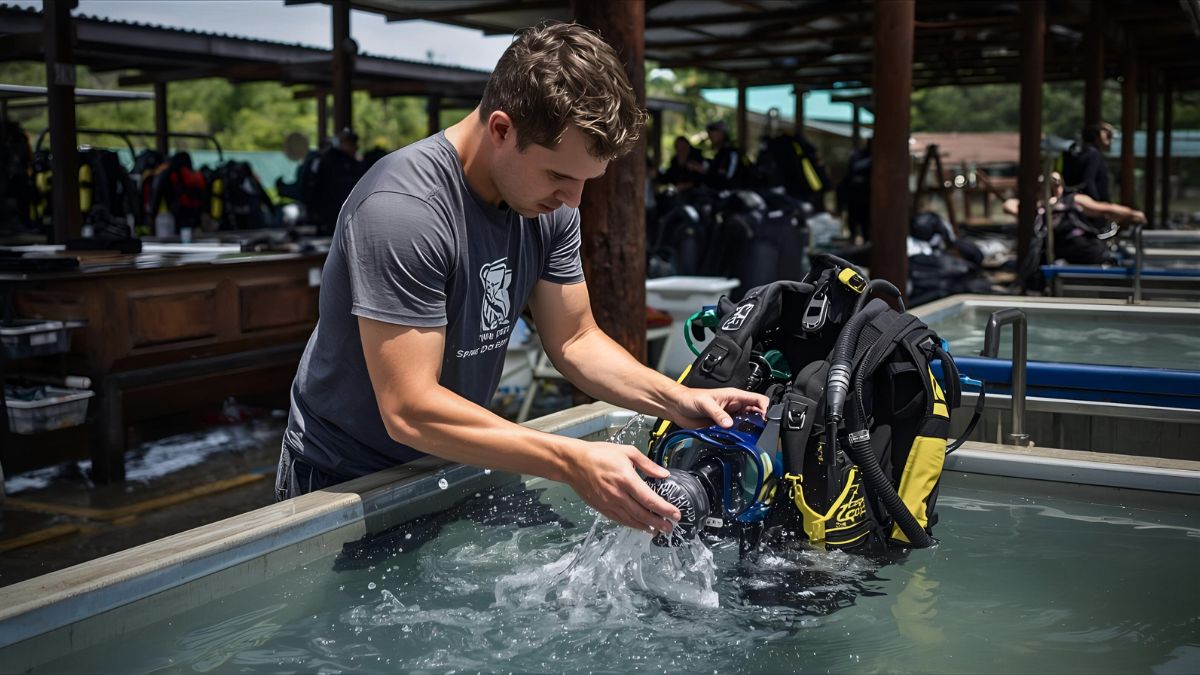
How to Take Care of Your Buoyancy Compensator
A well-maintained BCD lasts 10 years or more. A neglected one starts causing problems in two or three. The maintenance routine isn’t complicated, but it has to be consistent.
After every dive in salt water, rinse the outside of the BCD thoroughly with fresh water. Pay attention to the buckles, D-rings, and zipper pulls where salt crystals hide. Then add some fresh water through the inflator hose, partially inflate the bladder, swish the water around inside, and drain it through each dump valve. Salt sitting inside the bladder corrodes the valves from the inside.
Store the BCD partially inflated so the bladder walls don’t stick together. Keep it in a cool, shaded place away from direct sunlight, which degrades the materials over time.
Get your BCD serviced professionally once a year or every 100 dives, whichever comes first. The valves and inflator mechanism have o-rings and moving parts that wear out. Catching a small problem during a service is much better than discovering it at 20 meters.
Frequently Asked Questions
How much does a buoyancy compensator cost?
Entry-level jacket BCDs start around $150 to $250. Mid-range models from reputable brands like Cressi, Mares, or Aqualung typically run $300 to $500. High-end technical wing systems with backplate and harness can cost $600 to $1,000 or more. A good recreational BCD in the $300 to $500 range will serve most divers well for many years.
Can I rent a BCD instead of buying one?
Absolutely, and for many divers it makes more sense than buying. If you dive once or twice a year on holiday, renting from the dive center is perfectly fine. If you dive more frequently or care about the fit and feel of your gear, buying your own BCD is worth the investment. Your own BCD will always fit better than a rental.
How do I know what size buoyancy compensator to get?
BCD sizing is based primarily on your height and chest size, not just your weight. Most manufacturers publish sizing charts. Try the BCD on with your dive suit and verify that the shoulder straps lie flat, the tank band sits at the right height, and the waist strap fastens comfortably. If you’re between sizes, go up, not down. A slightly loose BCD is adjustable; a too-tight one is not.
Is it safe to buy a used BCD?
Yes, if you do it carefully. Inspect the bladder for leaks by inflating fully and leaving it for 30 minutes to see if it holds pressure. Check all dump valves and the inflator mechanism for smooth operation. Look for worn straps, damaged buckles, and failing zippers. Avoid any BCD that shows signs of mold inside the bladder or has been stored deflated for many years. If possible, have a dive shop service it before your first dive.
How long does a BCD last?
With proper care and annual servicing, a quality buoyancy compensator can last 10 to 15 years. Bladders and valves are the components that wear out first. Some manufacturers sell replacement bladders, extending the life of the harness and hardware indefinitely. The biggest enemies of BCD longevity are salt water left inside the bladder, UV exposure, and storage while fully deflated.
The Right BCD Makes Every Dive Better
A buoyancy compensator is not a place to cut corners. It’s the foundation of your entire scuba setup, and you’ll be wearing it on every dive for years. Getting the right one for your level, your diving style, and your body makes a real difference, not just in comfort but in how quickly your skills develop.
My personal recommendation: before you buy anything, dive in as many different types as you can. Many dive centers let you try different configurations during specialty courses or fun dives. Borrow gear from friends. Rent different styles on different trips. Then buy with confidence.
If you’re heading to Costa Rica and want to try different BCD setups before committing to a purchase, our team is happy to help. Check out our dive packages and let us help you find your perfect setup in the water.
Sources & References
- Mares – BCD Collection — official product range from one of the world’s leading equipment manufacturers.
- Cressi – Buoyancy Compensators — BCD lineup from Cressi, an Italian manufacturer.
- XDEEP – Scuba BCD Systems — European manufacturer specializing in technical diving equipment.