I remember the exact moment I realized diving could be more than just a weekend hobby. I was floating at 18 meters, watching a spotted eagle ray glide past, when my dive instructor casually mentioned he hadn’t worn a suit and tie in seven years. That conversation changed everything for me.
If you’ve ever wondered whether you could actually get paid to spend time underwater, the answer is yes. The diving industry offers dozens of career paths, from teaching tourists their first breaths underwater to welding pipelines at crushing depths.
This guide covers every realistic way to make money as a diver. I’ll share actual salary ranges, required certifications, and honest insights about what each path really involves. Whether you want to quit your desk job entirely or just earn some extra cash on weekends, there’s likely an opportunity that fits your goals.
Can You Really Make a Living as a Diver?
Let me be direct with you. Yes, you can absolutely make a living as a diver. But the income varies wildly depending on the path you choose.
Some diving jobs pay minimum wage with incredible lifestyle benefits. Others demand grueling work in dangerous conditions but compensate accordingly. Understanding this spectrum helps you make realistic decisions about your future.
What Is the Average Salary for Diving Jobs?
Diving salaries range from approximately $15,000 per year for entry-level recreational positions to over $180,000 annually for experienced saturation divers. The average across all diving professions sits around $49,000 to $55,000 per year in the United States.
Here’s a realistic breakdown by category:
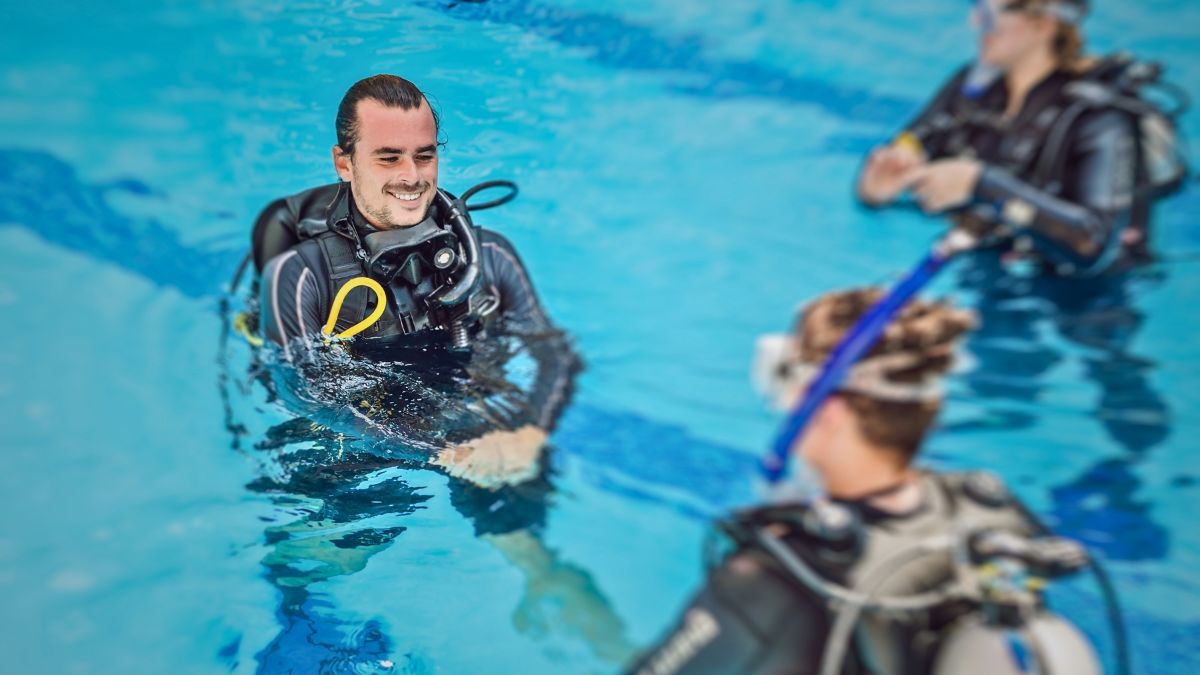
- Entry-level recreational diving (Divemaster, assistant instructor): $10,000 – $35,000 plus tips, often with free accommodation and diving included.
- Certified dive instructors: $20,000 – $30,000 depending on location and employer.
- Commercial divers (inland and offshore): $50,000 – $120,000 based on specialization and experience.
- Saturation divers: $100,000 – $180,000+ for experienced professionals willing to work extreme depths.
- Specialized roles (underwater welding, HAZMAT): $60,000 – $150,000 depending on risk level and expertise.
These numbers shift significantly based on geography. A dive instructor in Thailand might earn $1,200 monthly but enjoy incredibly low living costs. The same instructor in California could earn $4,000 monthly but face expensive rent and commute costs.
Is Diving a Sustainable Career Choice?
This question deserves an honest answer. Diving can absolutely sustain a career, but it requires strategic thinking.
Many dive professionals work in the industry for decades. They progress from scuba instructor to course director, or transition from guiding to shop ownership. Others use diving skills as a foundation for marine biology, underwater filmmaking, or commercial diving careers.
The key is treating diving like any other profession. Build skills continuously. Develop business acumen alongside technical abilities. Create multiple income streams rather than relying on a single employer.
Physical demands also matter. Commercial diving takes a toll on the body over time. Most saturation divers retire from that specific work by their mid-forties. Recreational instructors face less physical stress but still need to maintain fitness throughout their careers.
Did you know? The global diving services market is projected to exceed $12 billion by 2030. Growing offshore energy projects, underwater infrastructure needs, and tourism expansion continue creating new diving jobs worldwide.
High-Paying Commercial Diving Jobs
Commercial diving represents the most lucrative segment of the diving industry. These positions involve industrial work rather than recreation, and they compensate accordingly for the skills and risks involved.
Commercial divers inspect underwater structures, perform repairs, assist with construction projects, and handle hazardous materials. The work happens in oceans, rivers, lakes, dams, and nuclear facilities. Conditions range from moderately challenging to genuinely dangerous.
What Does a Saturation Diver Earn?
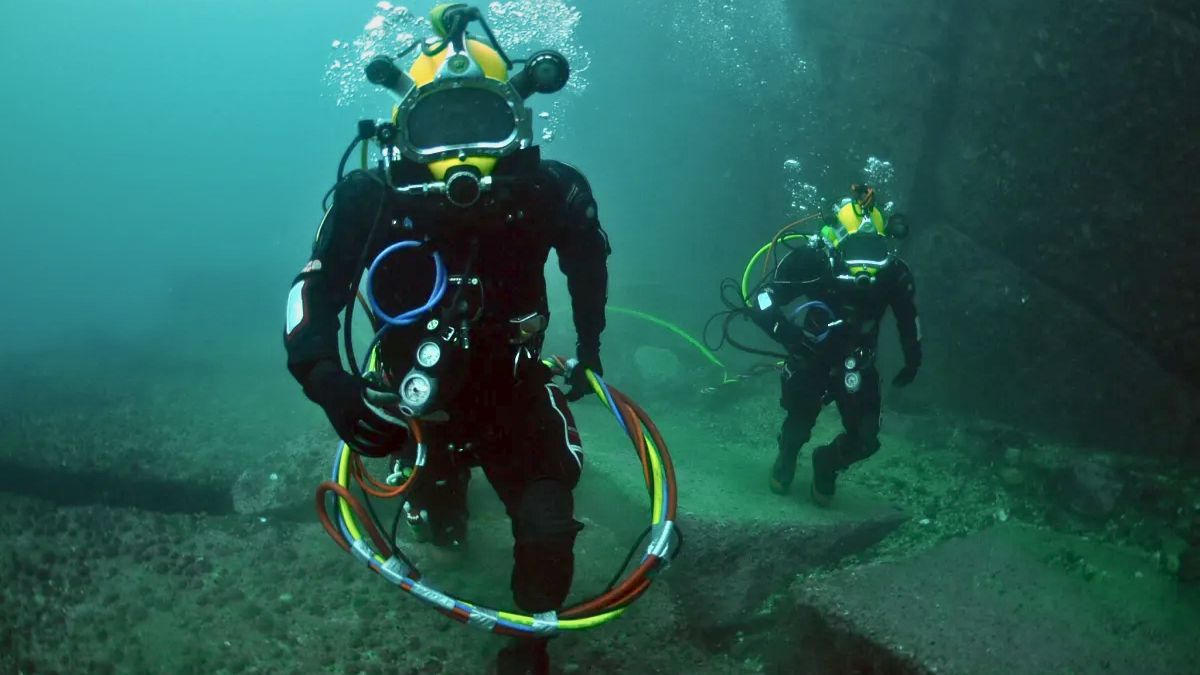
Saturation diving sits at the top of the diving pay scale. These specialists live in pressurized chambers for weeks at a time, working at depths that would kill ordinary divers within minutes.
Experienced saturation divers earn between $1,000 and $4,000 per day. Annual salaries commonly reach $120,000 to $180,000, with top earners exceeding $200,000. The tradeoff involves spending 28 days or more living in cramped quarters under intense pressure, followed by lengthy decompression periods.
The work primarily supports oil and gas operations. Saturation divers install and repair wellheads, pipelines, and platform structures at depths exceeding 100 meters. Physical fitness requirements are extreme. Mental resilience matters equally since claustrophobia or panic at depth can prove fatal.
What Is HAZMAT Diving and Why Does It Pay So Well?
HAZMAT divers work in contaminated environments that most people would never voluntarily enter. The job involves repairing sewage systems, cleaning industrial tanks, removing toxic waste, and working in water contaminated by chemicals, biological agents, or radioactive materials.
Salaries typically range from $60,000 to $100,000 annually, with hazardous duty pay adding significantly to base compensation. The premium reflects genuine risk. HAZMAT divers encounter raw sewage, industrial chemicals, medical waste, and occasionally radioactive contamination.
This career path requires commercial diving certification plus specialized HAZMAT training. Vaccinations, regular medical monitoring, and psychological screening are standard requirements. The work isn’t glamorous, but it provides essential services that municipalities and industries need.
How Do Offshore Oil Rig Divers Make Money?
Offshore diving supports the oil and gas industry through inspection, maintenance, and construction tasks. Divers working on offshore platforms earn between $50,000 and $120,000 annually, with compensation increasing based on depth ratings and specialized skills.
The work schedule typically involves rotations of four to eight weeks offshore followed by two to four weeks onshore. During offshore periods, divers work long days and remain on call for emergencies. The schedule suits people who prefer concentrated work periods followed by extended time off.
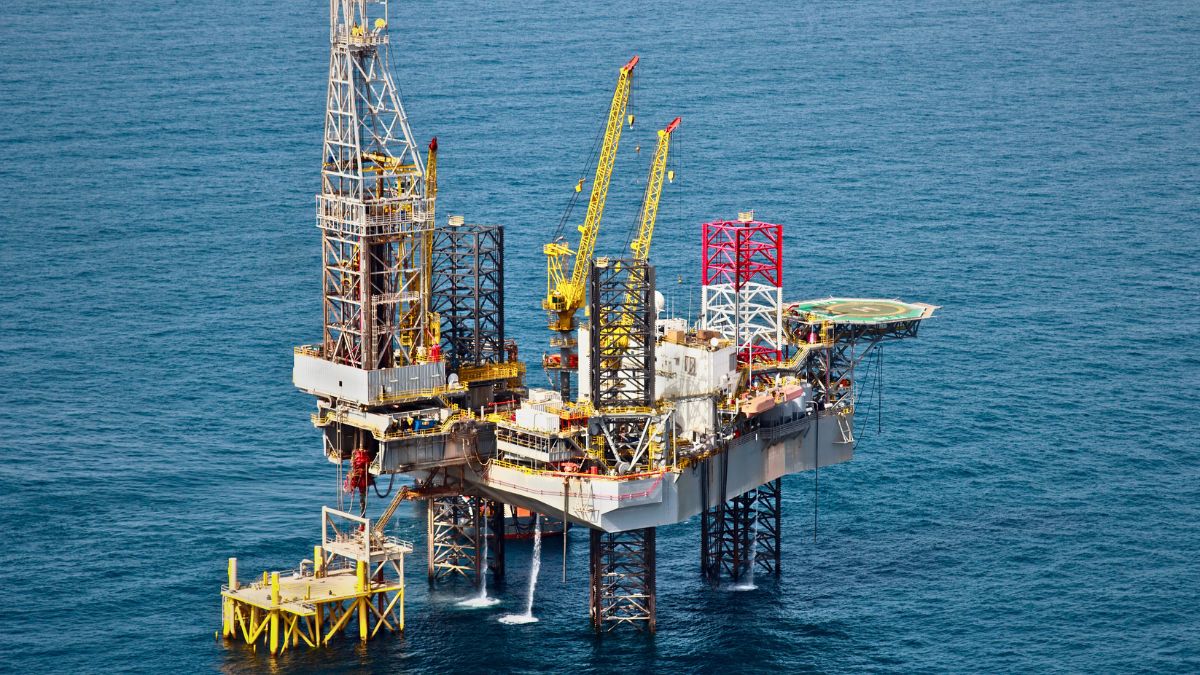
Offshore divers perform pipeline inspections, weld repairs, cathodic protection maintenance, and structural assessments. Many develop welding certifications or non-destructive testing qualifications to increase their value and earning potential.
Entry into offshore diving requires completing an accredited commercial diving program. Organizations like the Association of Diving Contractors International (ADCI) provide certification standards that employers recognize globally.
Fun fact: Commercial divers in the United States must pass a physical examination that includes testing their ability to equalize under pressure, cardiovascular fitness, and psychological stability. The failure rate for initial commercial diving courses exceeds 30%.
Jobs for Divers in the Tourism Industry
The tourism sector employs the largest number of diving professionals globally. These positions trade maximum salary for lifestyle benefits that office workers can only dream about.
Working in recreational diving means spending your days in beautiful locations, meeting travelers from around the world, and doing something you genuinely love. The financial reality requires accepting that you probably won’t get rich, but you might get remarkably happy.
How Much Do Dive Instructors Make?
Dive instructor salaries vary enormously by location and employer. The global range spans from $15,000 to $40,000 annually, with most instructors earning between $20,000 and $30,000.
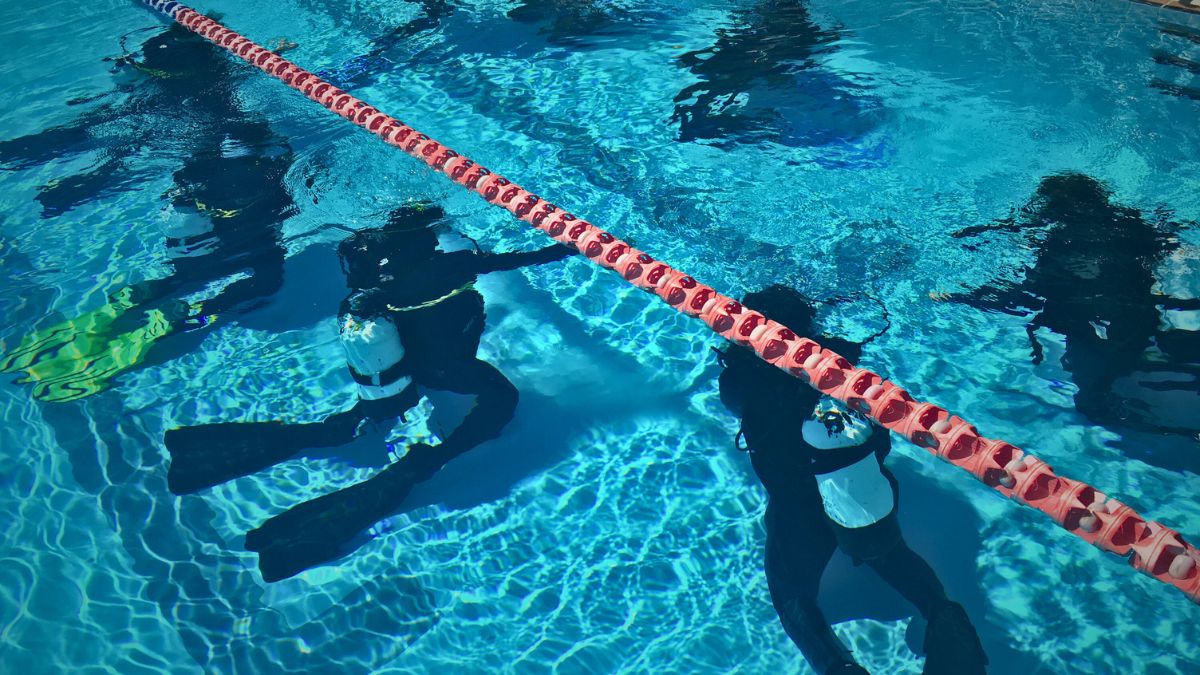
In Southeast Asian destinations like Thailand, Indonesia, and the Philippines, instructors commonly earn $800 to $1,500 monthly. Low living costs make this workable, and many instructors consider the lifestyle compensation itself.
Working as a diver in the tropics
Caribbean and Central American positions typically pay $1,000 to $2,000 monthly. European and North American dive centers offer $2,000 to $3,000 monthly for experienced instructors, though competition for these positions is fierce.
Beyond base salary, instructors often receive commissions on course materials, equipment sales, and specialty certifications. Tips from satisfied students add meaningful income in many locations. Free diving, discounted equipment, and included accommodation offset lower cash compensation at resort-based positions.
What Is the Difference Between a Divemaster and an Instructor?
Understanding this distinction matters for career planning. Divemasters assist with training but cannot certify students independently. Instructors hold full teaching credentials and can run courses autonomously.
Divemaster
Divemasters guide certified divers, assist instructors during courses, help with discover scuba experiences, and handle dive shop operations. The certification requires fewer dives (40 minimum to start, 60 to complete) and less training investment.
Divemaster positions typically pay $800 to $1,500 monthly, often with accommodation included. The role works well as an entry point for gaining experience before instructor training.
Scuba Instructor
Instructors teach all levels of recreational certification, from first-time divers through advanced specialties. The certification requires significantly more investment in time and money, with 100 dives minimum and completion of an Instructor Development Course plus examination.
Instructors earn 50% to 100% more than divemasters at the same operation. They also have more job mobility since every dive center needs instructors but can operate with fewer divemasters.
Can You Make Money Working on a Liveaboard?
Liveaboard vessels offer unique employment opportunities combining diving with maritime work. Staff members live aboard the boat for extended periods, guiding guests at remote dive sites inaccessible from shore.
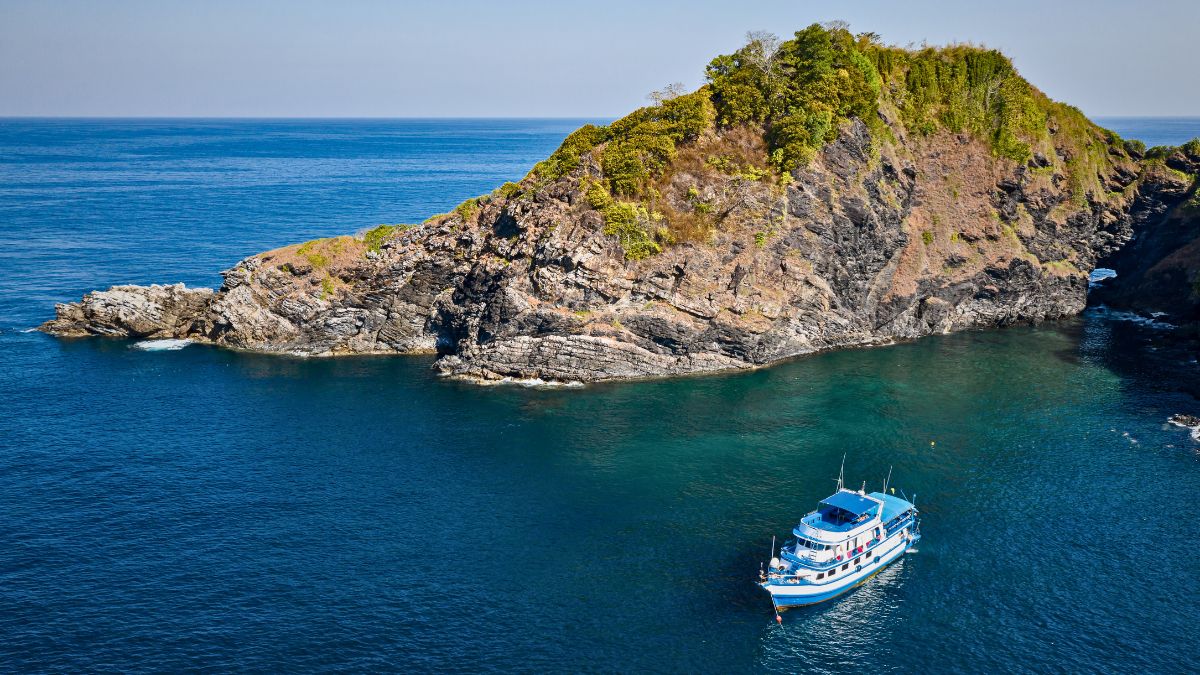
Compensation varies based on position and vessel quality. Divemasters and instructors on liveaboards typically earn $2,000 to $4,000 monthly plus tips, with accommodation and meals included. Senior staff, cruise directors, and captains earn considerably more.
Liveaboard positions often require additional qualifications beyond diving credentials. First aid certification, boat handling skills, and hospitality experience increase your attractiveness to employers. Some positions require captain’s licenses or engineering backgrounds.
How Do You Become a Dive Shop Owner?
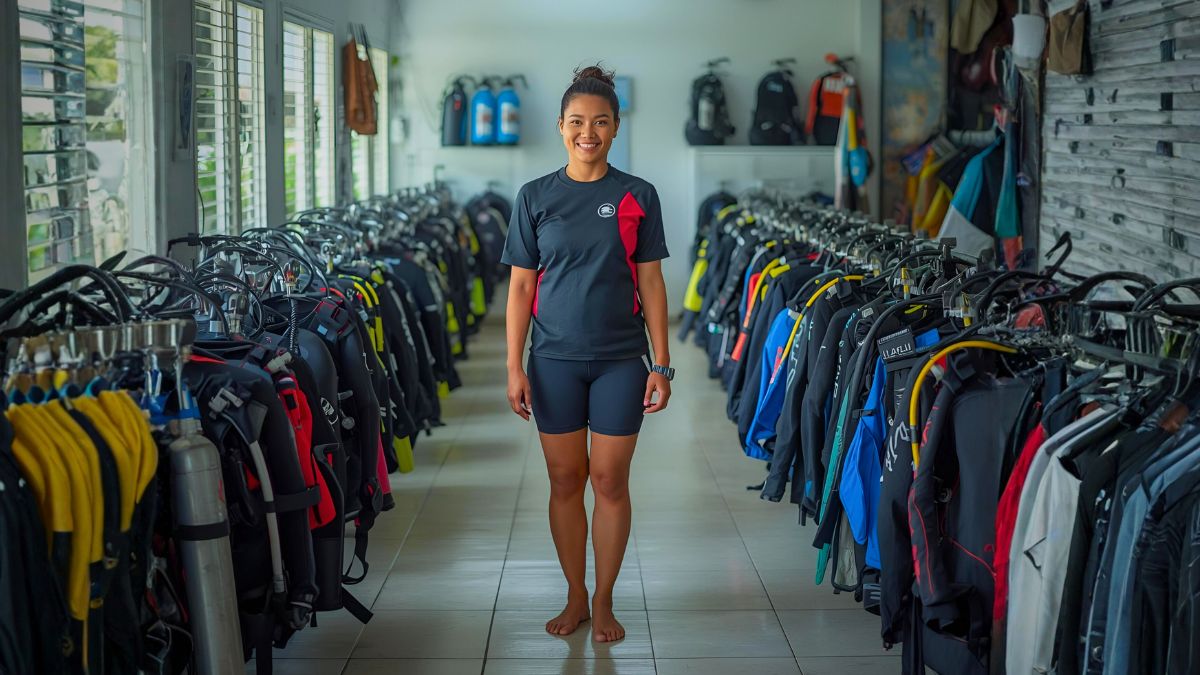
Owning a dive center represents the entrepreneurial path in recreational diving. Success requires combining diving expertise with business acumen, and the financial outcomes vary wildly.
Profitable dive shops exist in destinations with consistent tourist flow, competitive advantages, and skilled management. Struggling shops outnumber successful ones in most markets. The initial investment ranges from $50,000 for a small operation to several hundred thousand for established businesses in premium locations.
Is a diving center a good business?
Revenue streams include training courses, equipment sales and rentals, guided dives, and travel packages. Shops located within resorts or hotels benefit from built-in customer flow. Independent shops must generate their own marketing and reputation.
Before considering ownership, most successful dive shop owners spend years working in various operations. They learn what works, what fails, and how to build teams. Rushing into ownership without this foundation dramatically increases failure risk.
Jobs for Divers – Scientific and Research Careers
Science offers fulfilling diving careers for those with academic inclinations. These positions combine underwater skills with research, conservation, and education missions that contribute to understanding our oceans.
Compensation generally falls below commercial diving but above recreational tourism positions. The work provides intellectual satisfaction that purely commercial roles may lack.
What Does a Marine Biologist Diver Do?
Marine biologists who dive conduct field research impossible from the surface. They collect specimens, monitor ecosystems, document species behavior, and gather data supporting conservation efforts.
Salaries for marine biologists range from $35,000 for entry-level positions to $80,000 or more for senior researchers with doctoral degrees. Government agencies, universities, and non-profit organizations employ most marine biologists.
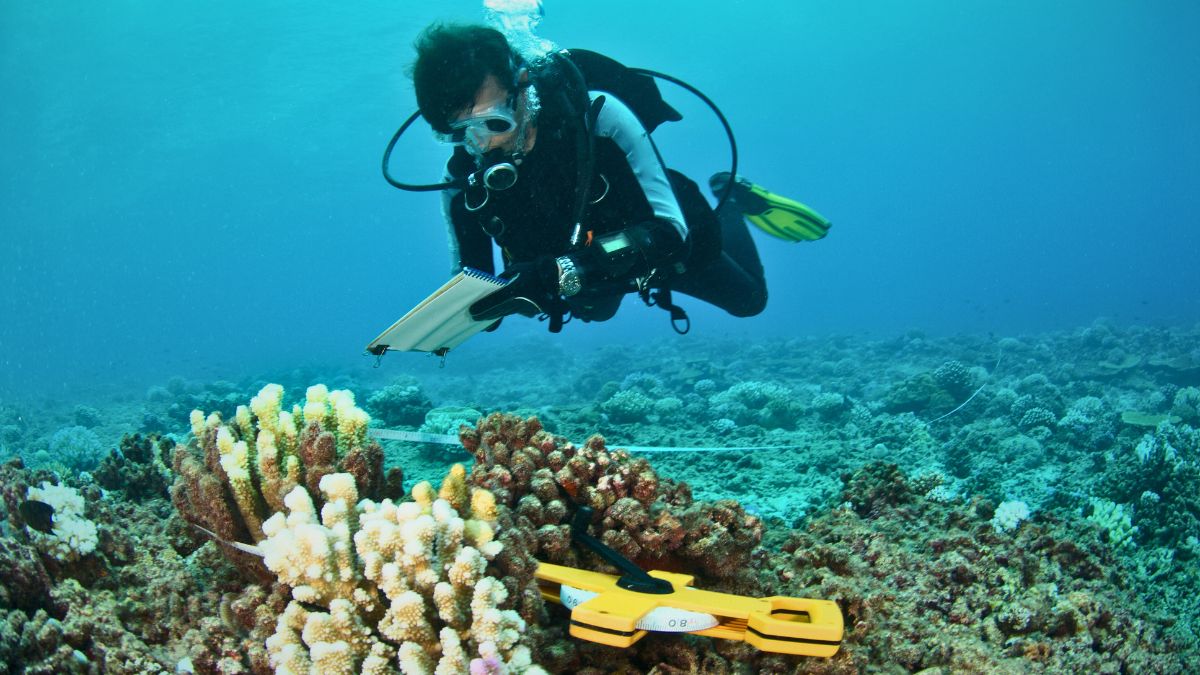
Diving represents a tool for these scientists rather than their primary identity. Academic credentials matter more than advanced dive certifications for employment. However, strong diving skills and comfort in challenging conditions improve research effectiveness.
Paths into marine biology diving include completing relevant university degrees while building dive experience. Research assistantships and volunteer positions with established scientists provide essential networking and skill development.
How Do You Become an Underwater Archaeologist?
Underwater archaeology combines historical research with diving skills to investigate submerged sites. These professionals study shipwrecks, sunken cities, prehistoric landscapes, and artifacts preserved beneath the water.
Career entry requires graduate education in archaeology with underwater specialization. Competition for positions is intense since relatively few underwater archaeology roles exist globally. Salaries typically range from $40,000 to $75,000, with senior researchers and professors earning more.
Most underwater archaeologists work for universities, museums, or government cultural agencies. Some consult for construction projects requiring archaeological surveys before development proceeds.
What Is Scientific Diving and Who Hires Scientific Divers?
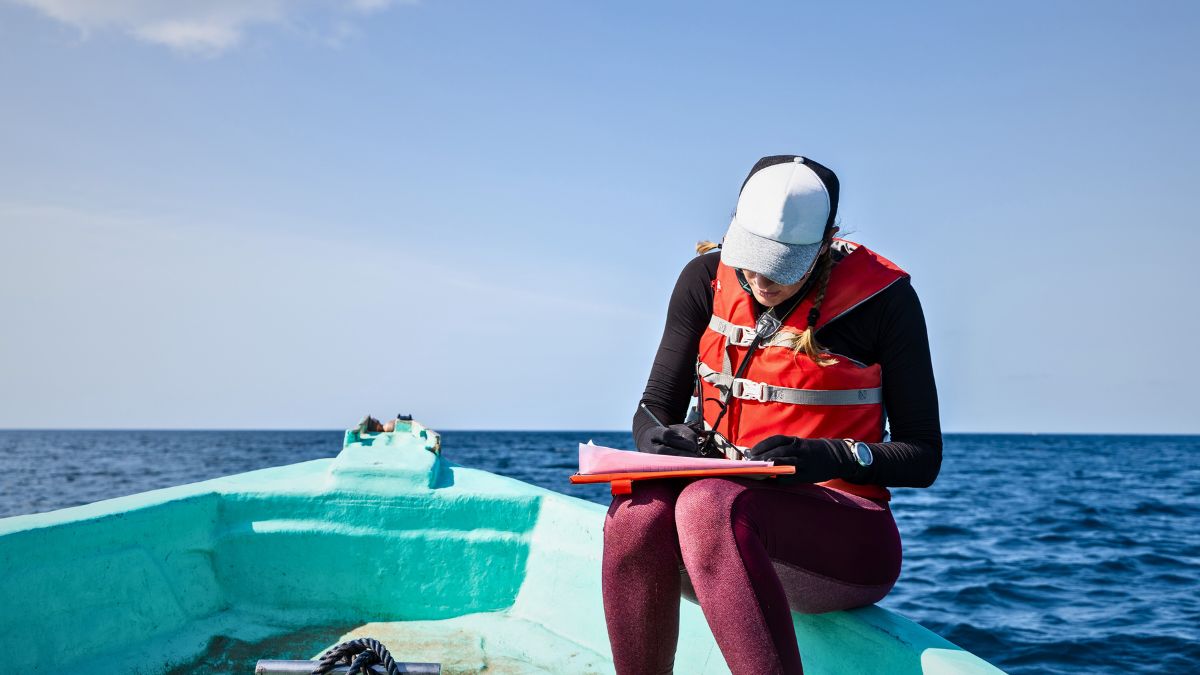
Scientific diving encompasses all diving conducted to gather data or samples for research purposes. Practitioners work across disciplines including biology, geology, ecology, chemistry, and engineering.
Organizations hiring scientific divers include universities, research institutes, government agencies (NOAA, EPA, state environmental departments), and private consulting firms. Some positions focus exclusively on diving, while others involve diving as one component of broader responsibilities.
The American Academy of Underwater Sciences (AAUS) establishes standards for scientific diving in the United States. Many research institutions require AAUS certification or equivalent training before allowing personnel to dive for research purposes.
Salaries vary based on employer and primary role. A biologist who occasionally dives might earn the same as non-diving colleagues. Dedicated scientific divers supporting multiple researchers might earn $40,000 to $60,000 annually.
Creative Diving Jobs
Artistic and creative fields offer distinctive paths for divers with visual talents or performance abilities. These careers blend underwater skills with creative expression, producing outcomes impossible above the surface.
How Do Underwater Photographers Make Money?
Underwater photography generates income through multiple channels. Stock photography sales, editorial assignments, commercial advertising work, and fine art prints all contribute to photographer earnings.
Entry-level underwater photographers typically earn little while building portfolios. Established professionals with strong reputations command day rates of $500 to $2,000 for commercial assignments. Top photographers working with major brands or publications earn significantly more.
The investment required extends well beyond diving certification. Professional underwater camera housings, strobes, lenses, and editing software represent thousands of dollars in equipment costs. Building skills requires extensive practice and likely formal photography training.
Did you know? The Weeki Wachee Springs mermaid show in Florida has operated continuously since 1947, making it one of the oldest underwater performance venues in the world. Current mermaids perform up to four shows daily in the natural spring.
Public Safety and Specialized Diving Jobs
Public safety diving serves communities through emergency response, investigation support, and recovery operations. These positions require psychological resilience alongside diving competence.
What Do Public Safety Divers Do?
Public safety divers respond when emergencies or investigations require underwater operations. Primary responsibilities include searching for missing persons, recovering evidence, rescuing trapped victims, and inspecting submerged infrastructure.
Most public safety divers work for law enforcement agencies, fire departments, or specialized rescue units. Many serve as volunteer team members while holding other primary employment. Full-time positions exist in larger jurisdictions with frequent call volumes.
Compensation for full-time public safety divers typically matches other public safety salaries in the same jurisdiction. Annual earnings range from $40,000 to $70,000 depending on location and department. Volunteer divers receive training and equipment but no regular salary.
How Do You Join a Police or Fire Department Dive Team?
Entry to public safety dive teams typically requires first joining the parent agency. Police dive team members must complete police academy training and work as officers before applying for dive team positions. Fire department divers follow similar paths through firefighter training first.
Once employed by the agency, officers or firefighters can volunteer for dive team training when positions open. Selection considers swimming ability, diving experience, and psychological suitability for the work. Prior recreational dive certification helps but isn’t always required since agencies provide training.
Some departments hire civilian specialists for technical roles supporting dive operations. These positions might involve equipment maintenance, logistics, or surface support during operations.
Unusual Ways Divers Make Money
Beyond mainstream diving careers, several niche opportunities provide income for certified divers willing to pursue unconventional paths.
What Is Golf Ball Diving and Is It Profitable?
Golf ball diving involves recovering lost balls from water hazards on golf courses. Divers work under contract with courses, collecting thousands of balls per session that are then cleaned, sorted, and resold.
The business model typically pays divers 8 to 12 cents per ball recovered. Productive divers retrieve 2,000 to 4,000 balls in a morning session, generating $200 to $500 in gross revenue. After expenses and course fees, annual earnings for active golf ball divers range from $30,000 to $60,000.
Competition affects profitability. “Poachers” who dive courses without permission reduce legitimate divers’ yields. Securing exclusive contracts with courses provides income stability but requires business development skills.
Diving Side Hustles: Part-Time Income for Certified Divers
Not everyone wants to abandon their current career for full-time diving work. Part-time opportunities allow recreational divers to generate supplemental income while keeping day jobs.
Can You Make Money Diving Without Quitting Your Day Job?
Absolutely. Several diving income streams fit around traditional employment schedules.
- Weekend instructing: Many dive shops need instructors for weekend courses when recreational divers are available. Teaching two weekends monthly might generate $400 to $800 in additional income.
- Vacation relief work: Dive centers in tourist areas need extra staff during peak seasons. Taking vacation time to work at a dive center combines travel with income generation.
- Event photography: Underwater photo sessions for special occasions (proposals, celebrations, modeling) typically happen on weekends. Rates range from $200 to $500 per session.
- Equipment consulting: Experienced divers help newer divers select and configure equipment. Some dive shops pay commissions for sales referrals or equipment fitting assistance.
- Content creation: Diving-related blogs, YouTube channels, and social media accounts generate advertising and sponsorship revenue once audience size develops. Building audience takes time but creates passive income eventually.
How to Start Your Career as a Professional Diver
Transitioning from recreational diver to working professional requires strategic planning and realistic expectations. The following guidance helps structure your approach.
What Are the First Steps to Getting Hired as a Diver?
- Step 1: Assess your goals honestly. What lifestyle do you want? What income do you need? Are you pursuing adventure or financial security? Different answers lead to different paths.
- Step 2: Build experience systematically. Log dives consistently. Vary conditions, depths, and locations. Diversify skills through specialty courses. Quality of experience matters alongside quantity.
- Step 3: Obtain appropriate credentials. For tourism careers, complete instructor certification. For commercial work, research accredited training programs and their placement rates.
- Step 4: Gain internship or entry-level experience. Many dive operations offer divemaster internships that provide training in exchange for work. These positions build experience and connections simultaneously.
- Step 5: Network relentlessly. The diving industry runs on relationships. People hire people they know and trust. Attend industry events. Maintain connections with instructors and operators you meet.
Where Should You Look for Diving Job Openings?
Several resources aggregate diving employment opportunities:
- PADI Job Board: The largest diving job listing site, featuring positions worldwide for PADI professionals.
- Dive center websites: Operations often post openings on their own sites before listing elsewhere. Identify target employers and monitor their career pages.
- Social media groups: Facebook groups dedicated to dive professionals share job listings and industry news. LinkedIn connections within diving facilitate opportunity discovery.
- Industry publications: Magazines and websites covering diving sometimes feature classified sections with employment listings.
- Direct outreach: Contacting dive operations directly with your resume sometimes uncovers unlisted positions. Operations with high turnover regularly need staff even without formal postings.
Did you know? According to industry surveys, the average dive instructor works in three or more countries during their career. The internationally mobile nature of diving employment means your network eventually spans the globe.
Frequently Asked Questions
How much do scuba divers make per year?
Annual earnings range from $20,000 for entry-level recreational positions to over $180,000 for experienced saturation divers. The average across all diving professions falls between $45,000 and $55,000.
What is the highest paying diving job?
Saturation diving offers the highest regular salaries, with experienced divers earning $120,000 to $180,000 annually. HAZMAT diving and specialized underwater welding also command premium compensation.
Do you need a degree to become a professional diver?
Recreational diving careers require certifications but not academic degrees. Commercial diving requires completing accredited training programs. Scientific diving positions typically require relevant university degrees.
Can you make a living as a dive instructor?
Yes, though income varies significantly by location. Instructors in developed countries can earn $35,000 to $60,000 annually. Those in developing regions earn less in absolute terms but often enjoy lower living costs.
Is commercial diving dangerous?
Commercial diving involves inherent risks, and fatality rates exceed most occupations. However, proper training, equipment, and adherence to safety protocols significantly reduce danger. Most accidents result from shortcuts or ignored procedures.
How long does it take to become a dive instructor?
Starting from non-diver, reaching instructor certification typically takes 12 to 24 months. This includes time for Open Water, Advanced, Rescue, Divemaster, and Instructor certifications plus accumulating 100+ logged dives.
What age is too old to start a diving career?
No definitive age limit exists for recreational diving careers. Physical fitness matters more than chronological age. Commercial diving has more stringent physical requirements that may limit older entrants.
Are diving jobs in demand?
Demand varies by specialization and location. Tourism sectors in popular destinations consistently need qualified instructors. Commercial diving demand fluctuates with energy sector activity. Scientific diving positions remain competitive with limited openings.
Take Your Next Step Underwater
The diving industry offers remarkable variety. From teaching first-timers to breathe underwater in warm Caribbean waters to welding pipeline connections in frigid North Sea depths, opportunities span every interest and ambition level.
Whatever direction calls to you, the fundamental requirement remains the same. Get in the water. Build experience. Connect with the diving community. Opportunities follow naturally from demonstrated competence and genuine passion.
The ocean is hiring. Are you ready to apply?