Zanzibar. The name itself sounds exotic. Most people imagine white sand, spices, and luxury resorts. But as divers, we have a different question: Is the diving actually good? I traveled from Costa Rica to Tanzania to find out. And the short answer is yes. But it comes with a massive asterisk.
Zanzibar is not the Caribbean. It is not the Red Sea. It is a complex island where logistics matter more than luck. If you book a hotel on the wrong side of the island, you might spend your diving holiday walking a kilometer through mud just to get to the boat. Here is my practical, no-nonsense guide to diving in Zanzibar.
The Elephant in the Room: The Tides
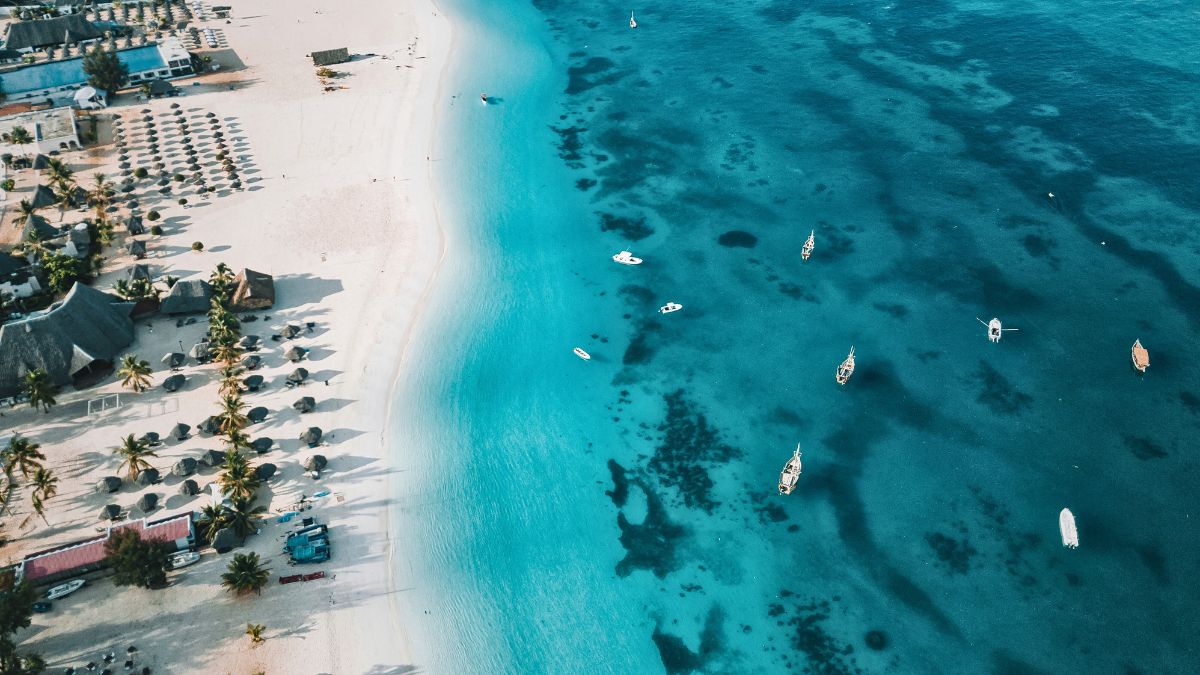
Before we talk about fish, we need to talk about water. Zanzibar has extreme tidal changes. I am talking about the ocean receding by hundreds of meters or even kilometers.
This affects your diving logistics drastically.
- East Coast (Paje, Jambiani, Matemwe): This is kite-surfing territory. The lagoon is shallow and flat. When the tide goes out, the ocean is basically gone. Dive boats here are strictly bound by the tides. If high tide is at 6 AM, you are diving at 6 AM. If you miss the window, you are walking.
- North Coast (Nungwi, Kendwa): This is where serious divers should stay. The ocean floor drops off quickly here. This means the ocean is accessible all day long, regardless of the tide. You can dive in the morning, afternoon, or night without wading through mud.
My advice: If diving is your priority, stay in Nungwi or Kendwa. Save the East Coast for kite surfing or relaxing.
Scuba Diving in Zanzibar: Reality Check
Marketing brochures will tell you every spot is “world-class.” As an scuba instructor, I see things differently. Here is the reality of the most famous spots.
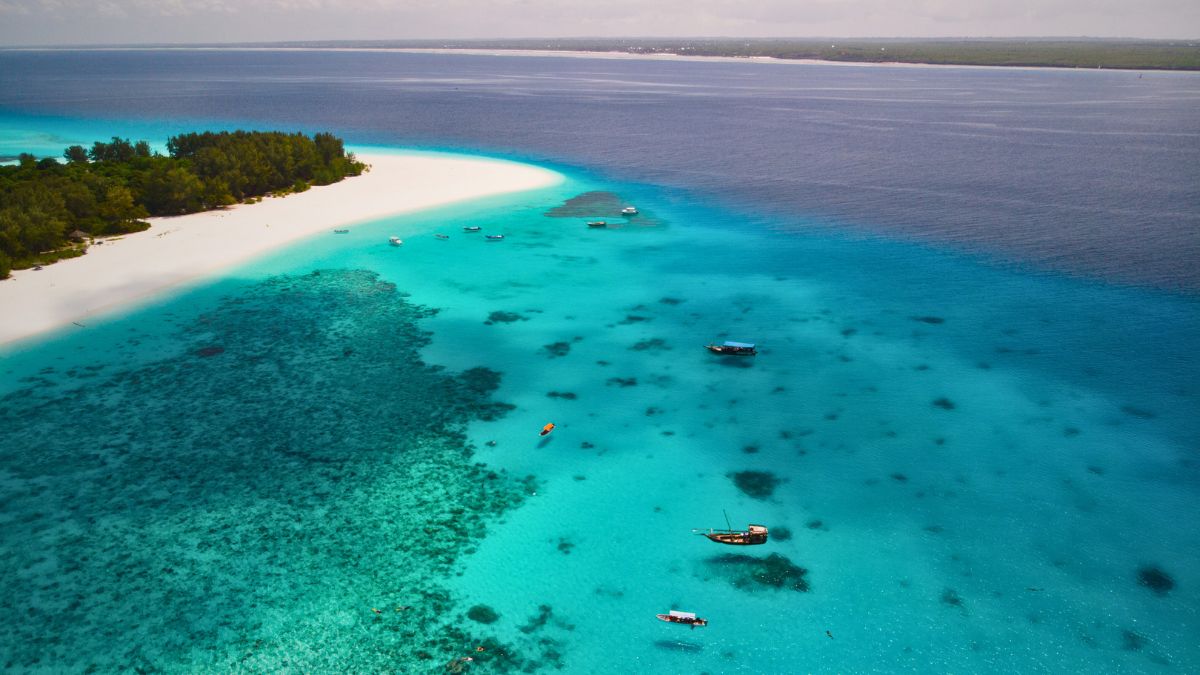
Mnemba Atoll: Beautiful but Crowded
Mnemba is the most famous marine conservation area in Zanzibar. It is stunning. The visibility is usually 20 meters plus. You will see huge schools of snapper, trevally, and often dolphins.
The problem?
Everyone knows about it. At 10 AM, the surface looks like a parking lot. Dozens of boats drop snorkelers and divers into the same small reef. It can be “diver soup.”
The fix
Go early. Very early. Or ask your dive operator to take you to the deeper sites around Mnemba where snorkelers cannot go.
Leven Bank: The Real Adventure
If you are an Advanced diver, skip the shallow reefs and ask for Leven Bank. It is an underwater mountain in the open ocean. Strong currents. Big fish. Kingfish, tuna, barracuda, and sometimes reef sharks. This is proper diving, but it can be rough on the surface.
Tumbatu Island: The Macro Haven
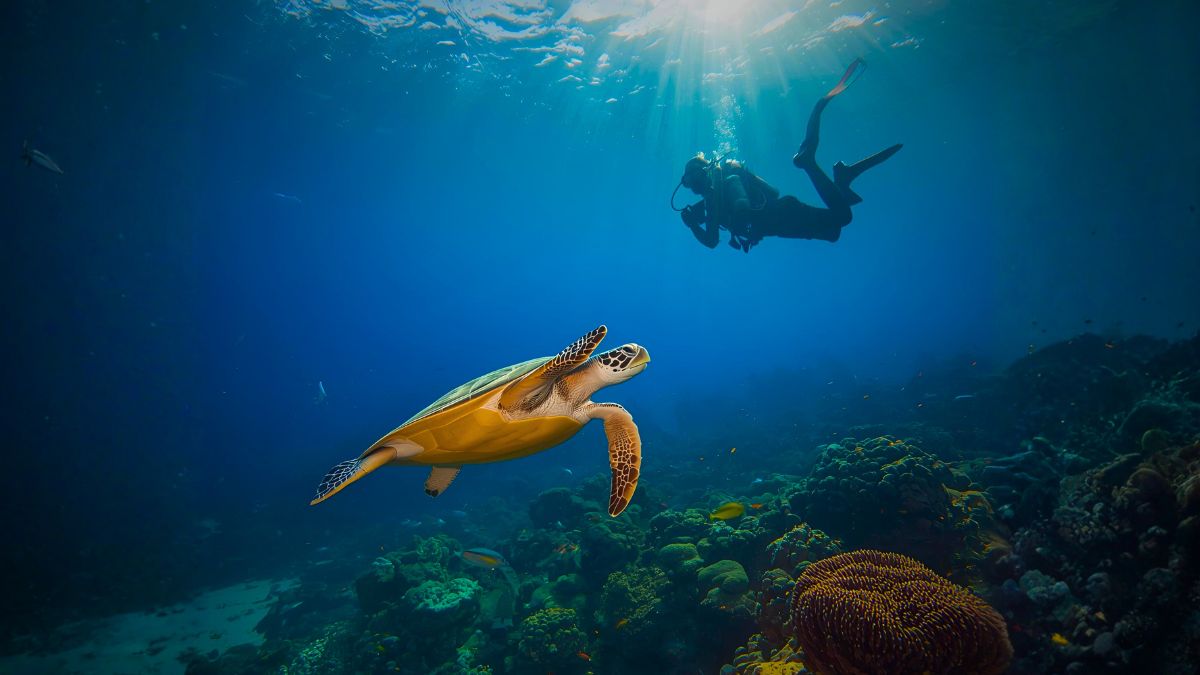
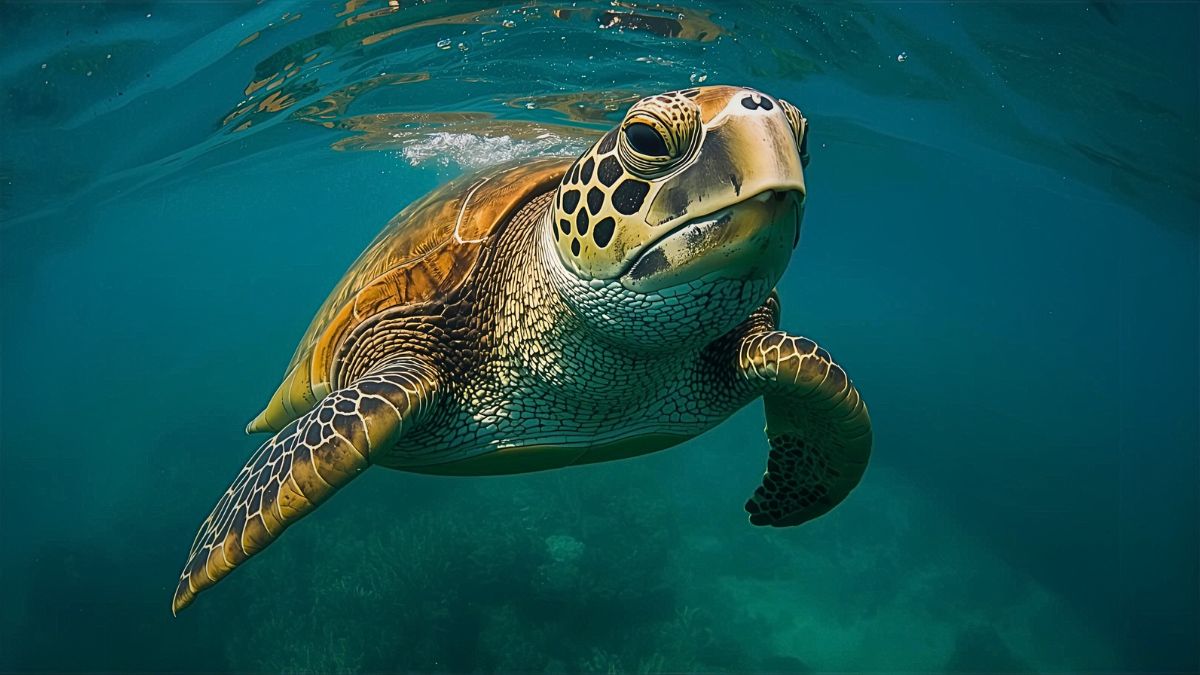
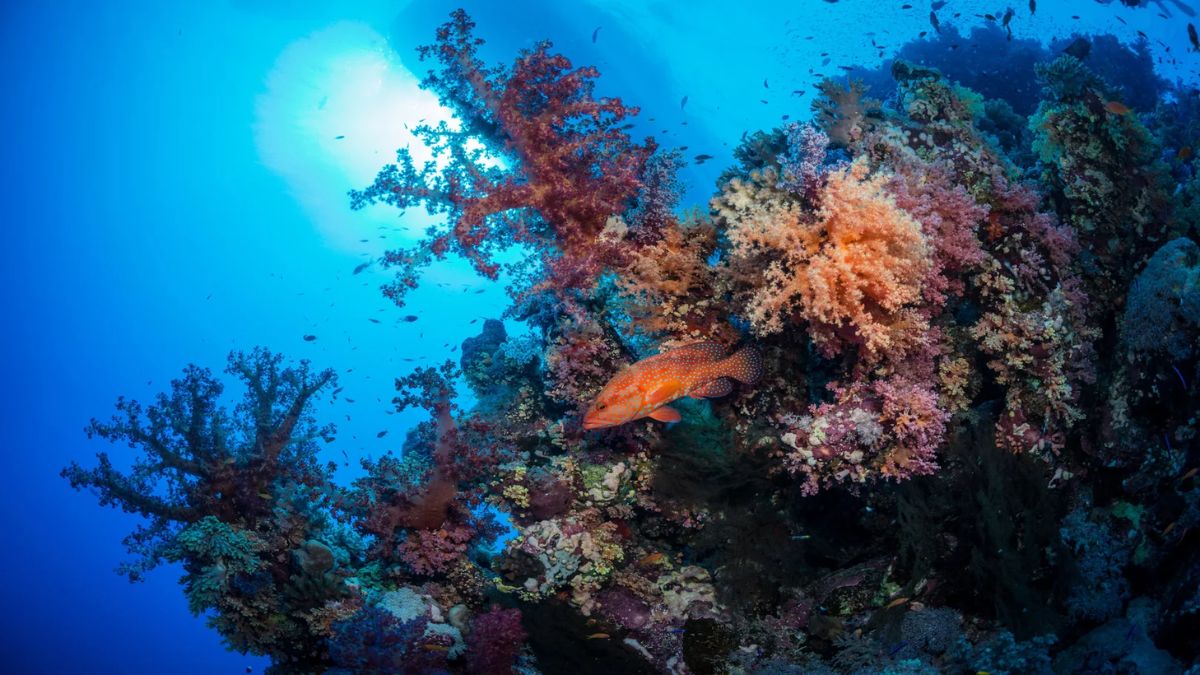
This is a hidden gem. The visibility is lower than Mnemba, but the reef is healthier and quieter. It is full of macro life like nudibranchs, leaf fish, and seahorses. It also has a huge population of Green Turtles.
Dolphin Tours: A Warning
You will see signs everywhere selling “Dolphin Tours.” Please, be careful.
In Costa Rica, we have strict rules about approaching marine life. In Zanzibar, it is often the Wild West. I have seen 20 boats chasing a single pod of dolphins, driving right over them so tourists can jump in on their heads. It is stressful for the animals and dangerous for swimmers.
Do not support this. If you want to see dolphins, look for ethical dive centers that encounter them naturally during a dive or surface interval. Never pay a captain who promises to “chase” them.
Best Time to Visit (Beyond the Brochures)
Zanzibar has two main wind seasons that dictate diving conditions:
- Kaskazi (North Wind): December to March. The water is warm (29°C/84°F) and generally calm in the north. This is peak season.
- Kusi (South Wind): July to September. The wind can be strong, making boat rides choppy. However, this is the season for Humpback Whales migrating through the channel.
- The Rains: April and May are the long rains. Many dive centers close. Avoid these months if you want good visibility.
Practical Tips: Cash, Malaria, and “Pole Pole”
“Pole Pole” (Slowly, Slowly)
This is the national motto. Things happen slowly here. If the boat says departure is at 8:00, it might mean 8:30. Don’t stress. You are on island time. Just breathe.
Money Matters
Bring US Dollars, but they must be crisp and printed after 2009 (preferably after 2013). Notes older than that are often refused by banks and businesses due to forgery concerns. Credit cards usually carry a 5% surcharge.
Health
Zanzibar is a malaria zone. While the risk is lower than on the mainland, it exists. Consult your doctor. Also, watch out for Stonefish in the shallows. Wear booties if you are walking in the water.
Scuba Diving in Zanzibar: Quick Comparison
Choosing where to stay is the most important decision you will make. Use this table to decide.
| Feature | North (Nungwi / Kendwa) | East (Paje / Matemwe) |
|---|---|---|
| Tides Impact | Minimal. Swimming/Diving 24/7. | Huge. Ocean disappears for hours. |
| Boat Logistics | Easy boarding from the beach. | Often requires long walks or tractor rides. |
| Access to Mnemba | 45-60 mins by boat. | 20-30 mins (Closer to Mnemba). |
| Vibe | Busy, resorts, nightlife. | Chilled, kite-surfers, backpackers. |
Frequently Asked Questions
Do I need a wetsuit in Zanzibar?
The water temperature is tropical, usually between 25°C and 29°C (77°F – 84°F). Most divers are comfortable in a 3mm shorty or even just a rash guard and board shorts. However, if you are doing two dives a day for a week, a 3mm long suit helps prevent thermal fatigue.
Is it safe to dive in Zanzibar regarding health?
Zanzibar is a malaria zone. While the risk is lower than on the mainland, I strongly recommend consulting a tropical medicine doctor before you fly. Also, ensure you have DAN diving insurance. The hyperbaric chamber is located in Stone Town, but logistics in an emergency can be slow. Don’t be a hero—get insurance.
Can beginners dive in Zanzibar?
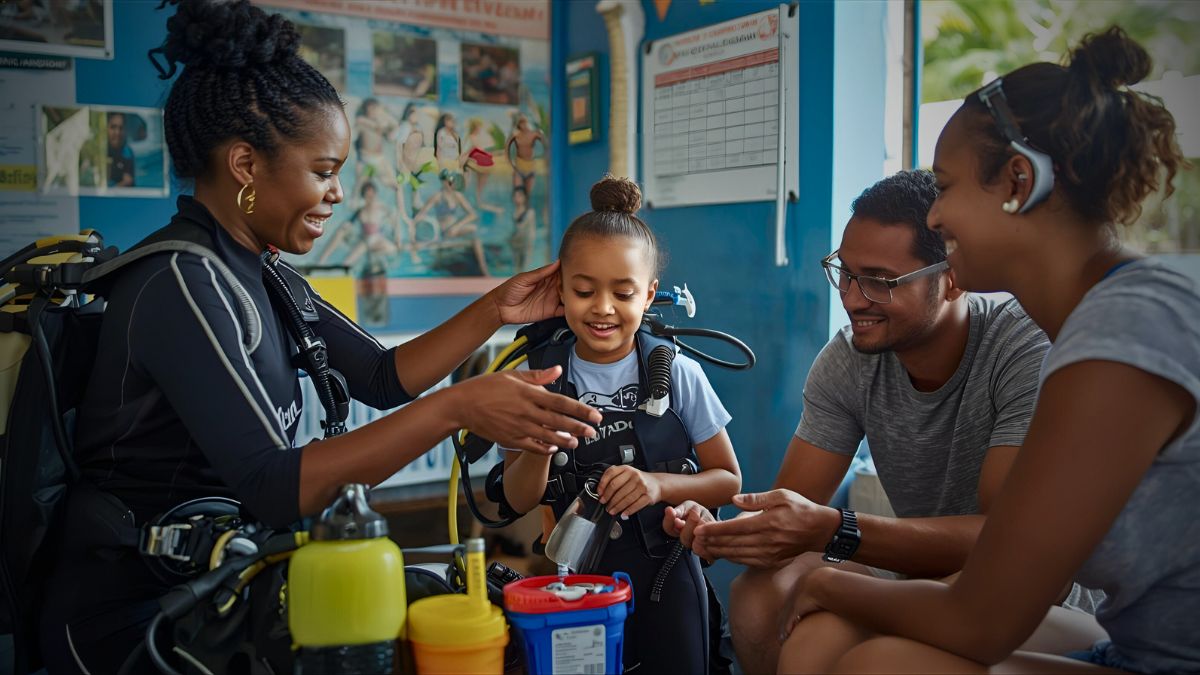
Yes. The reefs inside Mnemba Atoll or around Tumbatu are shallow (10-16 meters) and usually protected from strong currents. It is a great place for a Discover Scuba Diving experience or to finish your Open Water course. Just avoid the deep dives at Leven Bank unless you have experience.
What about the equipment rental quality?
It varies wildly. The reputable 5-star centers in Nungwi generally have excellent Scubapro or Mares gear. Smaller, budget operations on the beach might use older equipment. My rule: Always bring your own mask and dive computer. You can rent the heavy stuff (BCD, regulator), but check it thoroughly before the boat leaves.
Is the diving better than in Costa Rica?
It is different. Zanzibar offers classic coral reefs and clear blue water, similar to the Caribbean. Costa Rica (Pacific side) offers raw power, huge schools of fish, sharks, and whales, but with lower visibility. If you like colorful coral gardens, Zanzibar wins. If you want adrenaline and big megafauna, stick to the Pacific.
Summary: Is diving in Zanzibar worth it?
Absolutely. Zanzibar offers warm water, vibrant reefs, and a culture that is totally unique. It is a fantastic add-on to a safari in Tanzania.
Just remember: manage your expectations regarding the tides, choose your dive center wisely, and respect the ocean. And if you ever find yourself on this side of the world, come visit us at Costa Rica Divers to compare the Atlantic vs. the Indian Ocean.
Sources and References
- PADI Travel – Diving guides and seasonal charts for Tanzania.
- Tanzania Meteorological Authority – Climate and monsoon wind patterns
- Marine Megafauna Foundation – Information on whale shark and dolphin conservation